Creating a suitable habitat for reptiles is crucial for their well-being and longevity. Reptiles, as a diverse group of cold-blooded vertebrates, require specific environmental conditions to thrive, mimicking their natural habitats. Whether you are a seasoned herpetologist or a beginner reptile enthusiast, understanding how to create a natural home for these fascinating creatures is essential. This article will guide you through the intricacies of reptile habitats, provide tips on setting up an ideal environment, and highlight endangered reptile species that require conservation efforts.

Natural habitats are vital for the health and survival of reptiles. These environments provide not only shelter but also the necessary resources for feeding, breeding, and thermoregulation. Reptiles exhibit a range of behaviors and physiological adaptations that are closely linked to their habitats. For instance, certain species of reptiles depend on specific temperature ranges to regulate their body heat, which is crucial for metabolic processes.
When reptiles are kept in captivity, replicating their natural habitat can significantly enhance their quality of life. A well-designed habitat can reduce stress, prevent behavioral issues, and promote natural behaviors such as basking, hiding, and foraging. Understanding the specific needs of common reptiles can aid in creating an environment that is both stimulating and comforting.
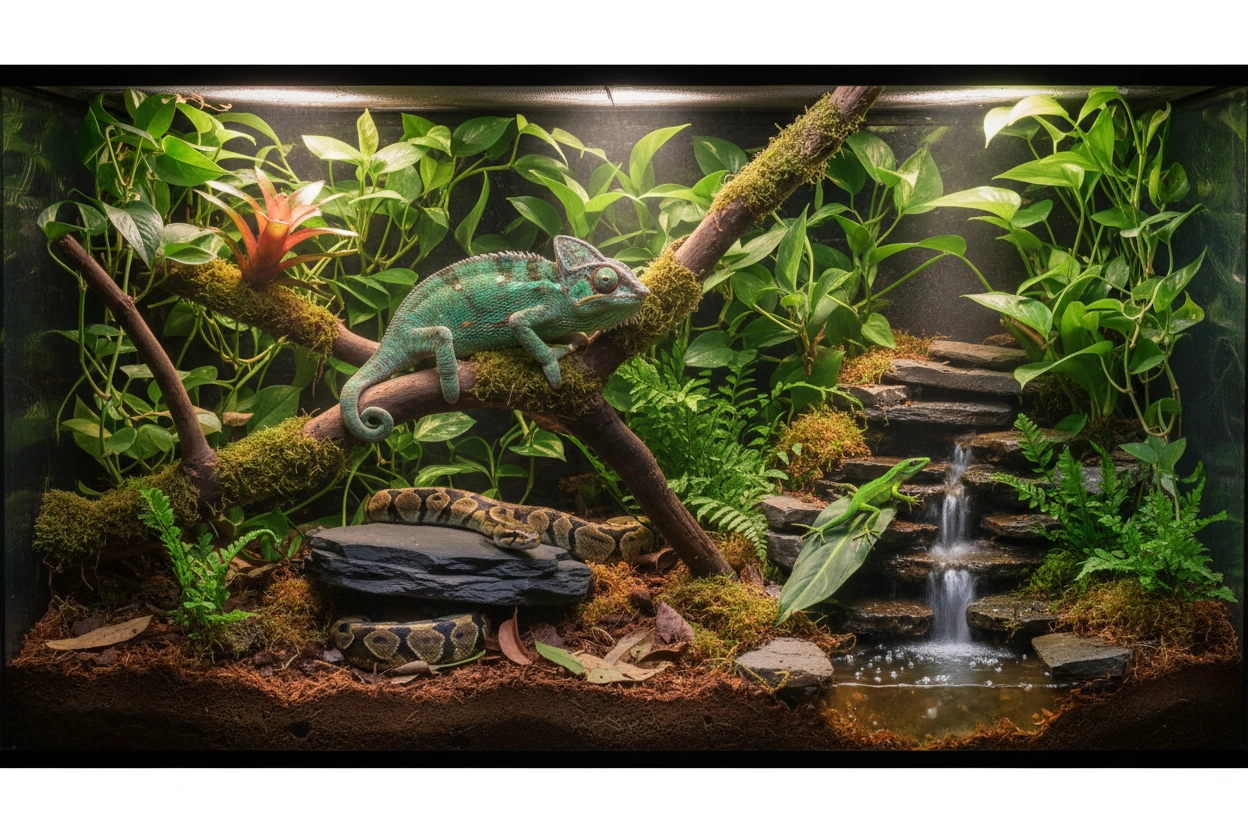
To create a natural home for reptiles, several key components must be considered:
Temperature Control: Most reptiles are ectothermic, meaning they rely on external heat sources to regulate their body temperature. Establishing a temperature gradient within the habitat is crucial, allowing reptiles to move between warmer and cooler areas.
Humidity Levels: Different reptile species require varying levels of humidity. For example, tropical species may need high humidity, while desert species thrive in drier conditions. Monitoring and adjusting humidity levels can prevent health issues related to dehydration or respiratory infections.
Substrate: The substrate, or bedding material, plays a significant role in the habitat. It should mimic the natural environment of the reptile and provide opportunities for burrowing or hiding. Common substrates include coconut coir, sand, and soil, depending on the species.
Hiding Places: Reptiles often seek shelter to feel secure. Incorporating caves, logs, or plants into the habitat can provide hiding spots that help reduce stress.
Lighting: Proper lighting is essential for many reptiles, particularly those that require UVB light for calcium metabolism. Providing the right type of lighting can prevent metabolic bone disease and support overall health.

When setting up a habitat for reptiles, consider the following tips:
Choosing the appropriate enclosure is the first step in creating a suitable habitat. The size of the enclosure should be appropriate for the species and allow for natural behaviors. Common types of enclosures include glass terrariums, plastic containers, and wooden vivariums. Ensure that the enclosure has adequate ventilation and is escape-proof.
Each species of reptile has unique requirements. Researching the specific needs of the reptile you intend to keep is paramount. For instance, a ball python will have different habitat needs compared to a bearded dragon. Understanding factors such as diet, temperature, humidity, and social behaviors will help in creating a more natural environment.
Adding live plants to a reptile habitat can enhance the aesthetic appeal and improve the environment. Plants not only provide hiding spots but can also contribute to humidity levels. However, ensure that the plants are non-toxic to reptiles and suitable for the specific conditions of the habitat.
Maintaining the habitat is crucial for the health of the reptiles. Regularly clean the enclosure, replace substrate, and monitor temperature and humidity levels. This routine upkeep prevents the buildup of harmful bacteria and keeps the environment healthy.

As we focus on creating natural habitats for reptiles, it is also important to recognize the plight of endangered species. Many reptiles are facing extinction due to habitat loss, climate change, and illegal trade. Here are ten endangered reptile species that require urgent conservation efforts:
Hawksbill Turtle (Eretmochelys imbricata): Critically endangered due to illegal trade in their shells and loss of nesting habitats.
Gharial (Gavialis gangeticus): A fish-eating crocodilian found in the Indian subcontinent, threatened by habitat destruction and fishing practices.
Bornean Pygmy Elephant (Elephas maximus borneensis): While primarily known as an endangered mammal, their habitat loss affects the ecosystem, including reptiles.
Chinese Alligator (Alligator sinensis): Critically endangered due to habitat loss and pollution, primarily in eastern China.
Panamanian Golden Frog (Atelopus zeteki): This amphibian is threatened by habitat loss and disease, impacting the reptiles that share its environment.
Seychelles Giant Tortoise (Aldabrachelys gigantea): Overexploitation and habitat loss have drastically reduced their populations.
Black Sea Turtle (Chelonia mydas): Facing threats from pollution, habitat loss, and climate change, leading to a decline in nesting sites.
Indigo Snake (Drymarchon couperi): A non-venomous snake in the southeastern United States, threatened by habitat fragmentation.
Saint Lucia Racer (Erythrolamprus ornatus): Once considered the world's rarest snake, it is now critically endangered due to habitat loss and invasive species.
Psychedelic Rock Gecko (Cnemaspis psychedelica): Found in Vietnam, this species is under threat from habitat destruction and the pet trade.
Conservation of these endangered reptiles involves various strategies, including habitat protection, breeding programs, and public awareness campaigns. Here are ways you can contribute:
Support Conservation Organizations: Donate or volunteer with organizations dedicated to reptile conservation.
Educate Others: Raise awareness about the importance of reptiles and their habitats. Share information on social media and in your community.
Advocate for Policy Changes: Support legislation that protects reptile habitats and addresses climate change.
Responsible Pet Ownership: If you choose to keep reptiles as pets, ensure they are sourced ethically and that you are equipped to provide a suitable habitat.
Reptiles play a crucial role in maintaining the balance of ecosystems. They serve as both predators and prey, contributing to the food web. By controlling insect populations and acting as prey for larger animals, reptiles help maintain ecological stability. Understanding their importance can enhance our commitment to conservation and habitat creation.
Joining communities or organizations focused on reptiles can provide valuable insights and support. Engaging with fellow reptile enthusiasts can enhance your knowledge and appreciation for these creatures. Online forums, local reptile clubs, and educational workshops are excellent resources for anyone interested in reptiles.
Online Forums: Participate in discussions about care, habitat setups, and species-specific needs.
Local Clubs: Join local reptile clubs to meet other enthusiasts, attend events, and share experiences.
Educational Resources: Utilize books, documentaries, and reputable online resources to deepen your understanding of reptiles.
As we move forward, it is essential to foster a sustainable future for reptiles. This involves not only creating suitable habitats in captivity but also advocating for the protection of their natural environments. By understanding their needs and supporting conservation efforts, we can ensure that future generations will continue to marvel at the diversity and beauty of reptiles.
In summary, creating a natural home for reptiles goes beyond mere aesthetics; it involves understanding their ecological needs and contributing to their conservation. By focusing on the key components of a reptile habitat and recognizing the endangered species that require our help, we can make a positive impact.
If you are looking to learn more about reptiles and how to create the perfect habitat for them, the Banana Slug Club offers a wealth of resources and information. Our commitment to education and conservation means that we can help you apply what you have learned about reptiles in practical ways. first-time pet owners can find valuable insights to ensure their reptiles thrive. Together, we can make a difference for these remarkable creatures and ensure their survival for years to come.
Get free resources, early access to new features and updates.
No spam. Just fun educational emails!


.svg)
.svg)