Creating a naturalistic habitat for reptiles is not only an enriching endeavor for the reptiles themselves but also enhances the aesthetic and educational value of your space. Reptiles, as a diverse group of animals, have unique requirements that must be addressed to ensure their well-being. This article provides a comprehensive guide to designing a suitable habitat, while also shedding light on the top endangered reptile species and their conservation efforts.

Reptiles are ectothermic creatures, meaning they rely on external sources for their body heat. This fundamental trait dictates their habitat needs, which include temperature gradients, humidity levels, and safe hiding spots. Each species of reptile has specific requirements, and understanding these is crucial for creating a thriving environment.
When designing a habitat, it is vital to consider the specific species you intend to keep. Here are some common reptiles and their typical habitats:
Understanding the specific needs of these common reptiles is essential for creating a habitat that promotes their health and well-being.
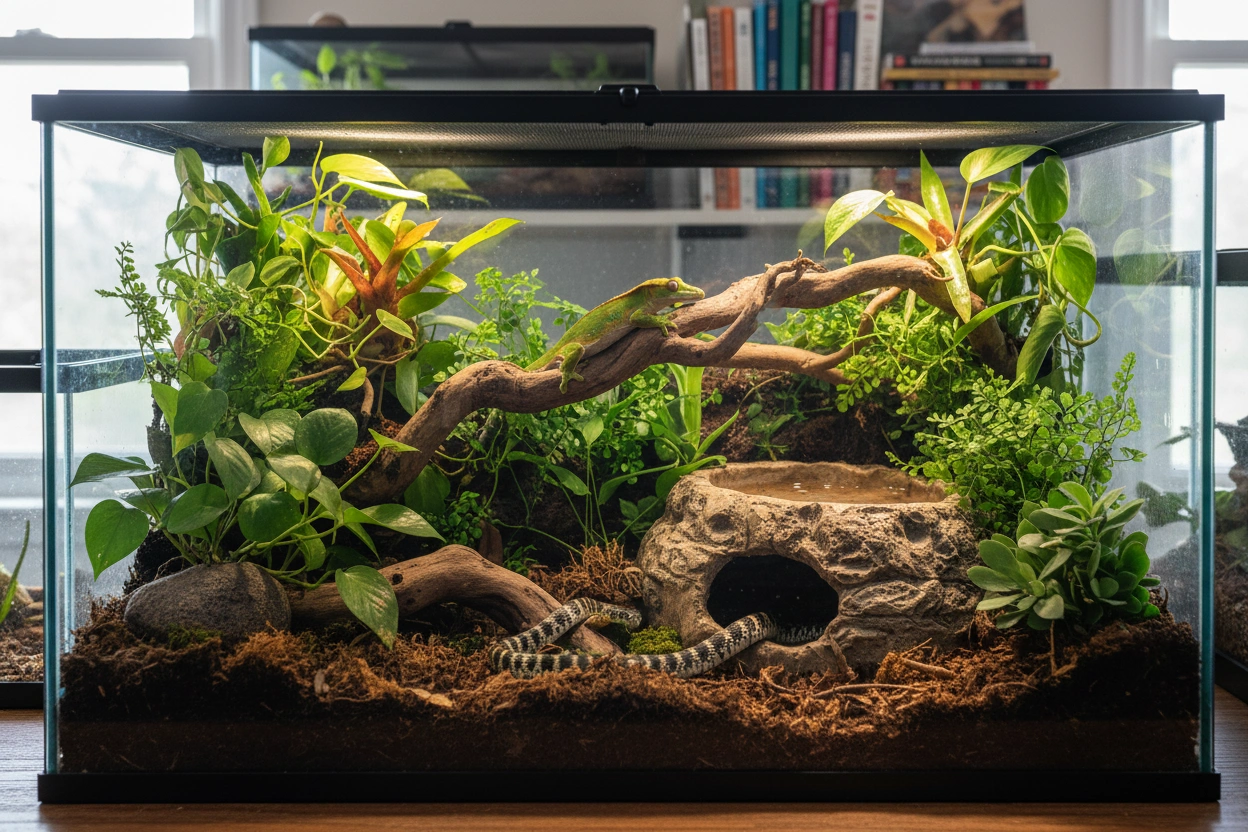
Creating a naturalistic habitat involves several steps that ensure the environment is conducive to the specific needs of the reptiles. Follow these essential steps:
Research Thoroughly
Begin by researching the specific requirements of the reptile species you are interested in. This includes understanding their habitat in the wild, dietary needs, and social behaviors.
Select the Appropriate Enclosure
Choose an enclosure that is large enough to accommodate the reptile's size and activity level. For example, a ball python may require a 40-gallon tank, while a green iguana may need a much larger space.
Create Temperature Zones
Establish a temperature gradient within the habitat. This can be achieved by using heat lamps or under-tank heaters. Ensure there is a warm basking area and a cooler side for the reptile to regulate its body temperature.
Maintain Humidity Levels
Use a hygrometer to monitor humidity levels, which are crucial for many reptiles. Mist the enclosure regularly and include a water dish to help maintain appropriate humidity.
Add Substrate and Decor
Choose a substrate that mimics the reptile's natural environment. For example, use sand or coconut fiber for desert reptiles, and soil or bark for tropical species. Incorporate plants, rocks, and hides to create a stimulating environment.
Provide Water and Food Sources
Ensure clean water is always available. Depending on the species, you may need to offer live food, insects, or specific vegetation.
Monitor and Adjust
Regularly check the habitat conditions and make adjustments as necessary. This includes temperature, humidity, and the general cleanliness of the enclosure.
When creating a habitat for reptiles, certain pitfalls can lead to health issues or even mortality. Here are some common mistakes and how to avoid them:

The plight of endangered reptiles is a pressing issue that requires immediate attention. Here is a list of ten endangered reptile species, along with insights into their conservation status.
Hawksbill Turtle (Eretmochelys imbricata)
Critically endangered due to habitat loss and illegal trade. Conservation efforts focus on protecting nesting sites and reducing bycatch.
Bornean Green Turtle (Chelonia mydas)
This species faces threats from habitat destruction and climate change. Conservation programs involve habitat restoration and awareness campaigns.
Psychedelic Rock Gecko (Cnemaspis psychedelica)
Endangered due to habitat loss from deforestation. Conservation efforts include habitat protection and legal regulations against illegal pet trade.
Chinese Alligator (Alligator sinensis)
Critically endangered, primarily due to habitat loss and pollution. Conservation measures involve habitat restoration and breeding programs.
Galápagos Tortoise (Chelonoidis nigra)
Once close to extinction, conservation efforts have improved their population, but they remain vulnerable. Protecting their habitat and controlling invasive species are key strategies.
New Caledonian Skink (Corucia zebrata)
Endangered due to habitat destruction and invasive species. Conservation efforts focus on habitat preservation and captive breeding.
Spiny Tailed Iguana (Ctenosaura pectinata)
This species is threatened by habitat loss and hunting. Conservation strategies include habitat protection and monitoring populations.
Kemp's Ridley Turtle (Lepidochelys kempii)
Critically endangered, primarily due to fishing practices and habitat loss. Conservation efforts involve protecting nesting sites and reducing bycatch.
Seychelles Giant Tortoise (Aldabrachelys gigantea)
Once extinct in the wild, conservation efforts have successfully reintroduced populations. Continued habitat protection is crucial.
Leopard Tortoise (Stigmochelys pardalis)
Vulnerable due to habitat loss and the illegal pet trade. Conservation programs focus on habitat preservation and education.
To effectively conserve endangered reptiles, a multifaceted approach is essential. Here are some strategies that have proven effective:
Habitat Protection: Safeguarding natural habitats is crucial for the survival of many species. This includes establishing protected areas and enforcing regulations against illegal logging and development.
Public Awareness Campaigns: Educating the public about the importance of reptiles and the threats they face can foster support for conservation initiatives.
Captive Breeding Programs: Breeding endangered species in captivity can help increase population numbers and facilitate reintroduction into the wild.
Legislation: Implementing and enforcing laws that protect endangered species and their habitats is vital for their survival.
The Banana Slug Club is dedicated to educating the public about reptiles and promoting conservation efforts. By supporting organizations like the Banana Slug Club, individuals can play a part in the protection of endangered reptile species. Banana Slug Club offers a wealth of resources and opportunities.
There are several ways you can contribute to reptile conservation:
Educate Yourself and Others: Learn about the reptiles in your area and share that knowledge with your community.
Support Conservation Organizations: Contributing to organizations focused on reptile conservation can make a significant impact.
Adopt Sustainable Practices: Reducing plastic use and supporting sustainable products can help protect natural habitats.
Participate in Local Conservation Efforts: Join local groups that focus on habitat restoration and wildlife protection.
By taking these actions, you can help ensure a brighter future for reptiles and their habitats.
Creating naturalistic habitats for reptiles is a rewarding endeavor that enhances the lives of these fascinating creatures. By understanding their needs and following the steps outlined in this article, you can create a thriving environment that mimics their natural habitats. Moreover, being aware of the endangered species and supporting conservation efforts can make a meaningful difference in the reptile world.
For anyone looking to deepen their knowledge and involvement in reptile care and conservation, the Banana Slug Club offers a wealth of resources and opportunities.
To learn more about how you can contribute to reptile conservation and create the best habitats for your reptiles, visit Banana Slug Club today.
Get free resources, early access to new features and updates.
No spam. Just fun educational emails!


.svg)
.svg)