Choosing a pet is a significant decision, especially when considering reptiles. With a myriad of species available, each with unique care requirements and temperaments, it's essential to understand the characteristics of common reptiles before making a commitment. Reptiles, known for their fascinating behaviors and distinct appearances, can be rewarding companions for those who appreciate their unique needs. This article will delve into the types of reptiles suitable as pets, provide insights on their care, and highlight endangered species that require conservation efforts.
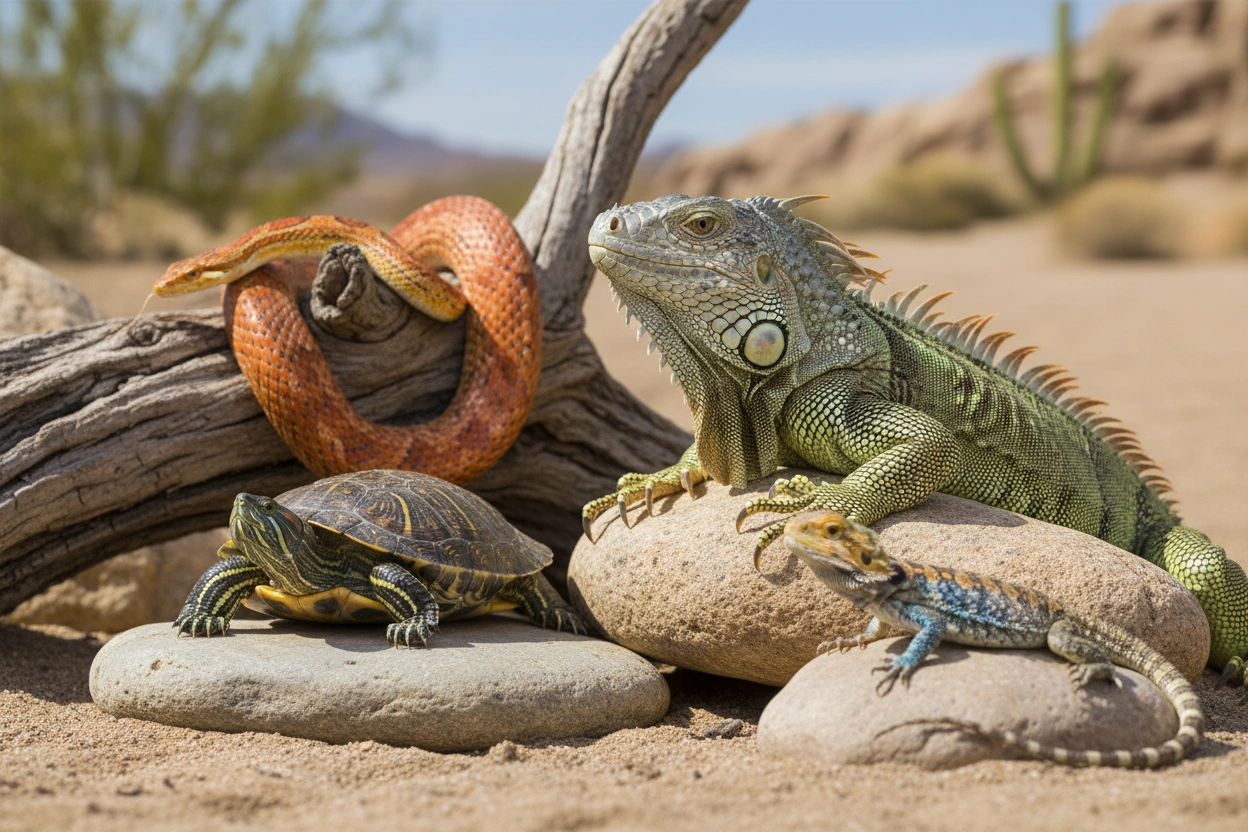
Reptiles are a diverse class of animals that include snakes, lizards, turtles, and tortoises. They are ectothermic, meaning they rely on external heat sources to regulate their body temperature. This fundamental characteristic influences their habitat needs and care requirements. When considering a reptile as a pet, it's crucial to assess various factors such as the species' size, lifespan, dietary needs, and habitat setup.
Bearded Dragon
Bearded dragons are among the most popular reptiles for pet owners. They are known for their friendly temperament and ease of care. These lizards thrive in a well-maintained terrarium that provides both heat and UV light. A diet consisting of vegetables, fruits, and insects will keep them healthy and active.
Corn Snake
Corn snakes are ideal for beginners due to their manageable size and docile nature. They are relatively easy to care for and can be fed a diet of appropriately sized rodents. These snakes are also known for their striking color patterns, making them visually appealing.
Leopard Gecko
Leopard geckos are nocturnal lizards that are easy to handle and care for. They require a warm habitat with a hiding spot and a diet primarily consisting of insects. Their unique appearance and friendly disposition make them a favorite among reptile enthusiasts.
Red-Eared Slider
These aquatic turtles are popular for their vibrant colors and active behavior. They require a spacious aquarium with a basking area and a water filter to maintain cleanliness. A diet of pellets, vegetables, and occasional protein sources will ensure their health.
Ball Python
Ball pythons are known for their calm demeanor and variety of color morphs. They are relatively easy to care for, requiring a secure enclosure and a diet of frozen-thawed rodents. Their manageable size makes them a popular choice for reptile keepers.
Before deciding on a reptile as a pet, it's important to consider several factors:

While many reptiles thrive in captivity, numerous species face threats in the wild due to habitat loss, climate change, and illegal trade. Here, we will explore ten endangered reptile species that require urgent conservation efforts. endangered species that require conservation efforts.
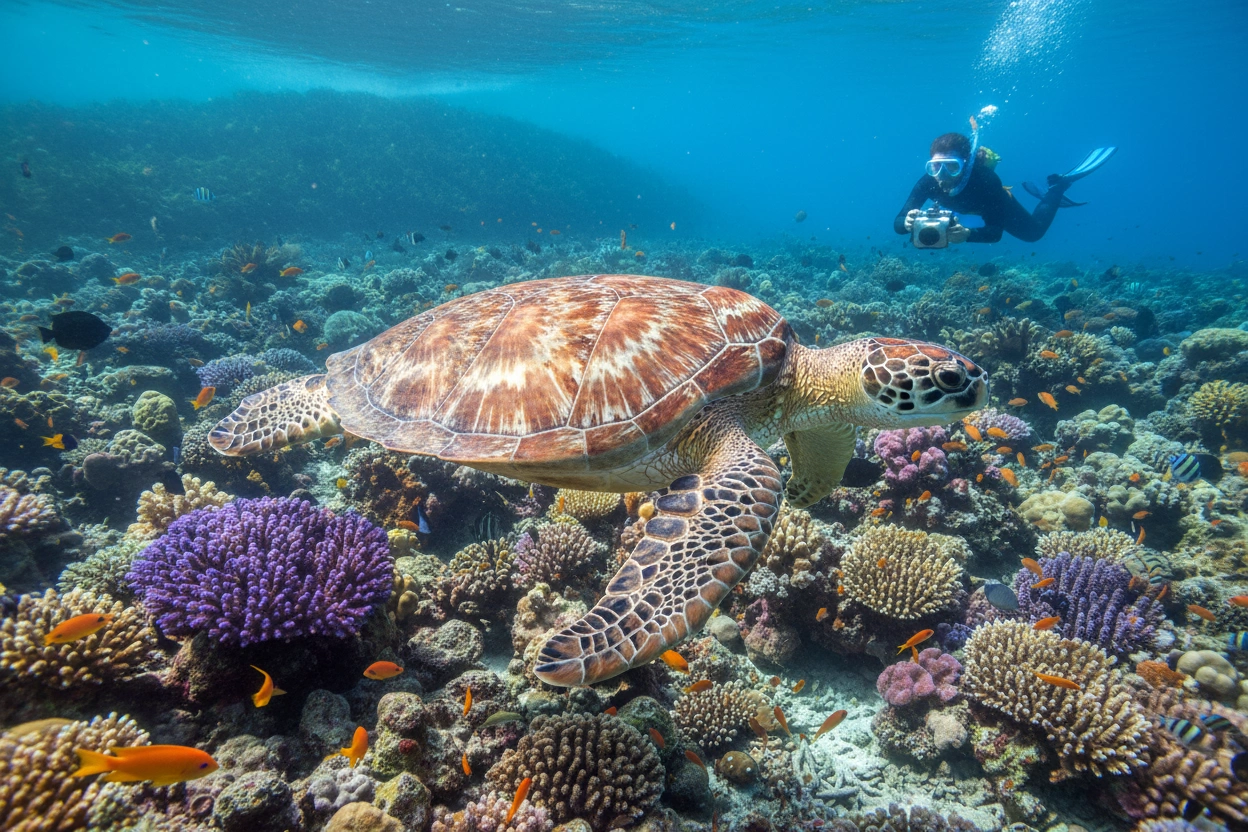
Hawksbill turtles are critically endangered, primarily due to illegal trade for their beautiful shells. Conservation efforts focus on habitat protection and reducing bycatch in fishing activities.
This freshwater turtle is facing habitat destruction and illegal capture. Conservation programs aim to protect nesting sites and educate local communities on sustainable practices.
The gharial, a fish-eating crocodilian, is critically endangered due to habitat loss and fishing practices. Conservation strategies include habitat restoration and breeding programs.
Once widespread, the Chinese alligator is now critically endangered due to habitat destruction. Conservation efforts involve habitat preservation and public awareness campaigns.
This snake is one of the world's rarest reptiles, primarily due to habitat loss. Conservationists are focused on habitat restoration and establishing protected areas.
This unique gecko is threatened by habitat destruction and illegal pet trade. Conservation efforts emphasize habitat protection and raising awareness about its ecological role.
Found only on a single island, this sloth faces severe habitat loss. Conservation programs are aimed at protecting its habitat and promoting ecotourism.
Although not a reptile, this species is often included in discussions about endangered species due to its ecological significance. Conservation efforts involve habitat protection and anti-poaching initiatives.
This tortoise is critically endangered due to habitat loss and poaching. Conservation initiatives focus on habitat preservation and community engagement.
This skink faces threats from habitat destruction and the pet trade. Conservation efforts include habitat restoration and public awareness campaigns.
Understanding the plight of endangered reptiles is essential for fostering a sense of responsibility among pet owners and enthusiasts. By supporting conservation efforts, individuals can help protect these species and their habitats. Engaging in responsible pet ownership, such as sourcing pets from reputable breeders and supporting wildlife conservation organizations, contributes to the overall health of reptile populations.
In exploring the diverse world of reptiles, it's evident that these fascinating creatures can make wonderful pets for the right individuals. By understanding the specific needs of common reptiles and recognizing the importance of conservation for endangered species, potential pet owners can make informed decisions that benefit both their future pets and the broader ecosystem.
At Banana Slug Club, we are passionate about educating our community on the importance of responsible pet ownership and conservation efforts. Whether you're considering adopting a reptile or simply want to learn more about these unique creatures, we invite you to join our mission.
For more insights on reptiles and how to support conservation efforts, visit Banana Slug Club for resources and community engagement opportunities. Let's work together to ensure a brighter future for all reptile species.
Get free resources, early access to new features and updates.
No spam. Just fun educational emails!


.svg)
.svg)