Reptiles are fascinating creatures that inhabit a wide range of environments across the globe. As 2026 progresses, the interest in reptiles—both as pets and in their natural habitats—continues to grow. Understanding the differences between pet reptiles and their wild counterparts is crucial for enthusiasts, conservationists, and anyone interested in the ecological impact of reptiles. This article will delve into these distinctions, explore the top endangered reptile species, and discuss the importance of conservation efforts.
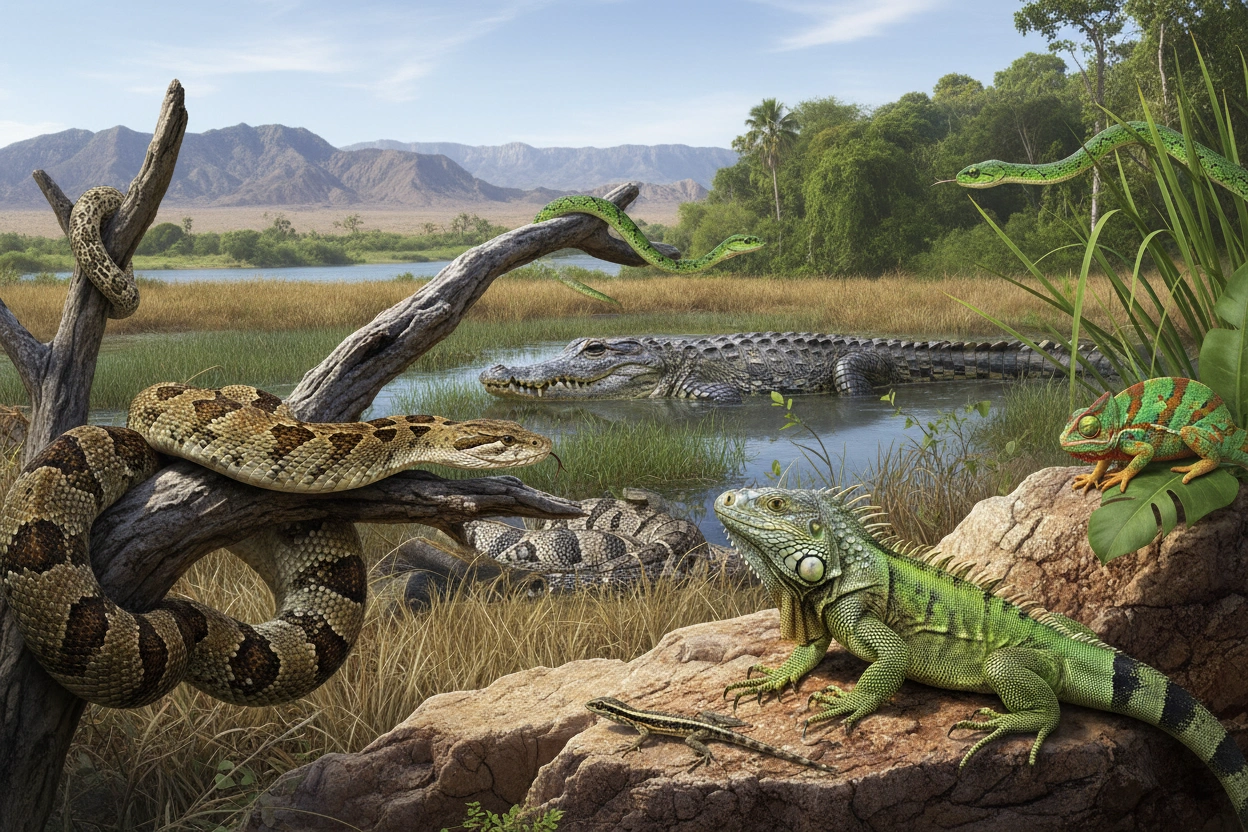
Reptiles belong to the class Reptilia, which includes snakes, lizards, turtles, and crocodilians. These ectothermic vertebrates are characterized by their scaly skin, which serves as a protective barrier and helps them retain moisture. Unlike mammals, reptiles are not warm-blooded, meaning they rely on external temperatures to regulate their body heat. This biological trait significantly influences their behavior, habitat preferences, and dietary needs.
The diversity within the reptile class is vast. Common reptiles can be categorized into several groups:
Understanding these categories helps potential pet owners make informed decisions about which reptiles might suit their lifestyles.
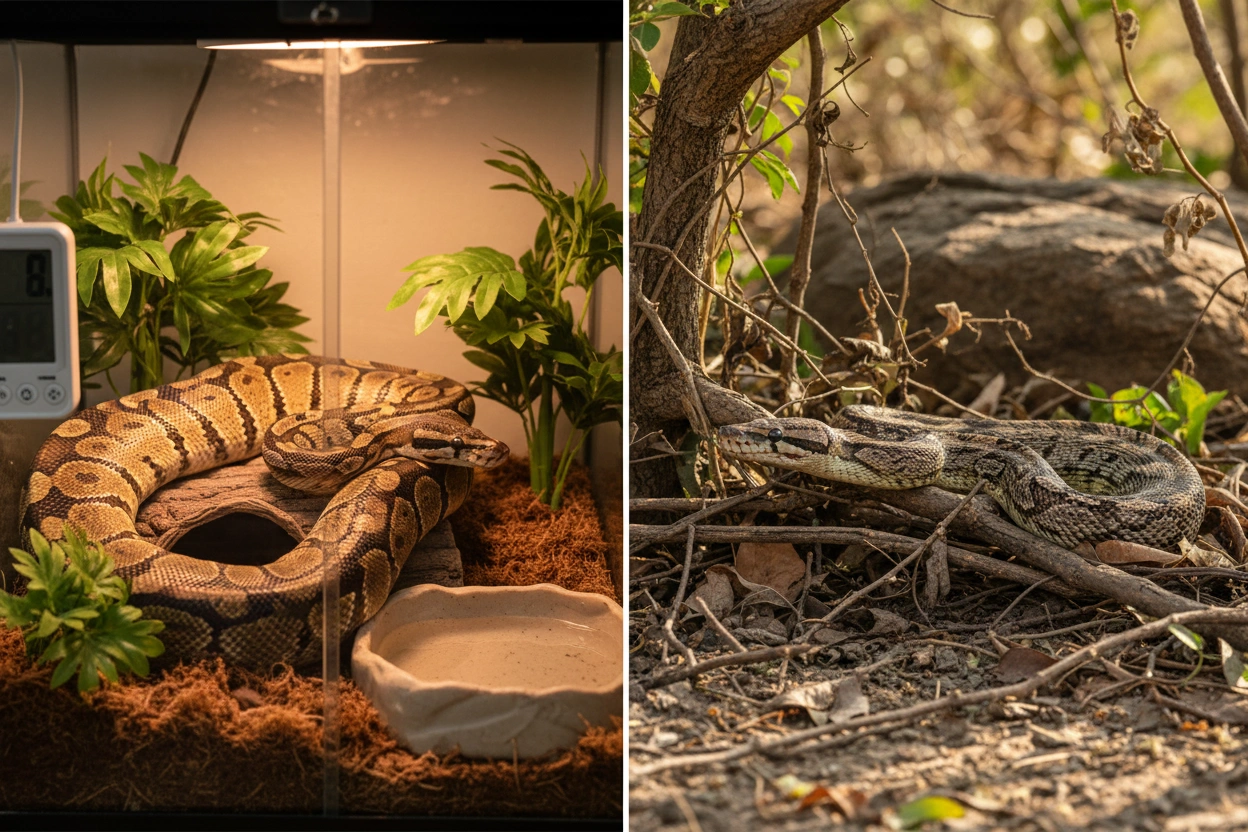
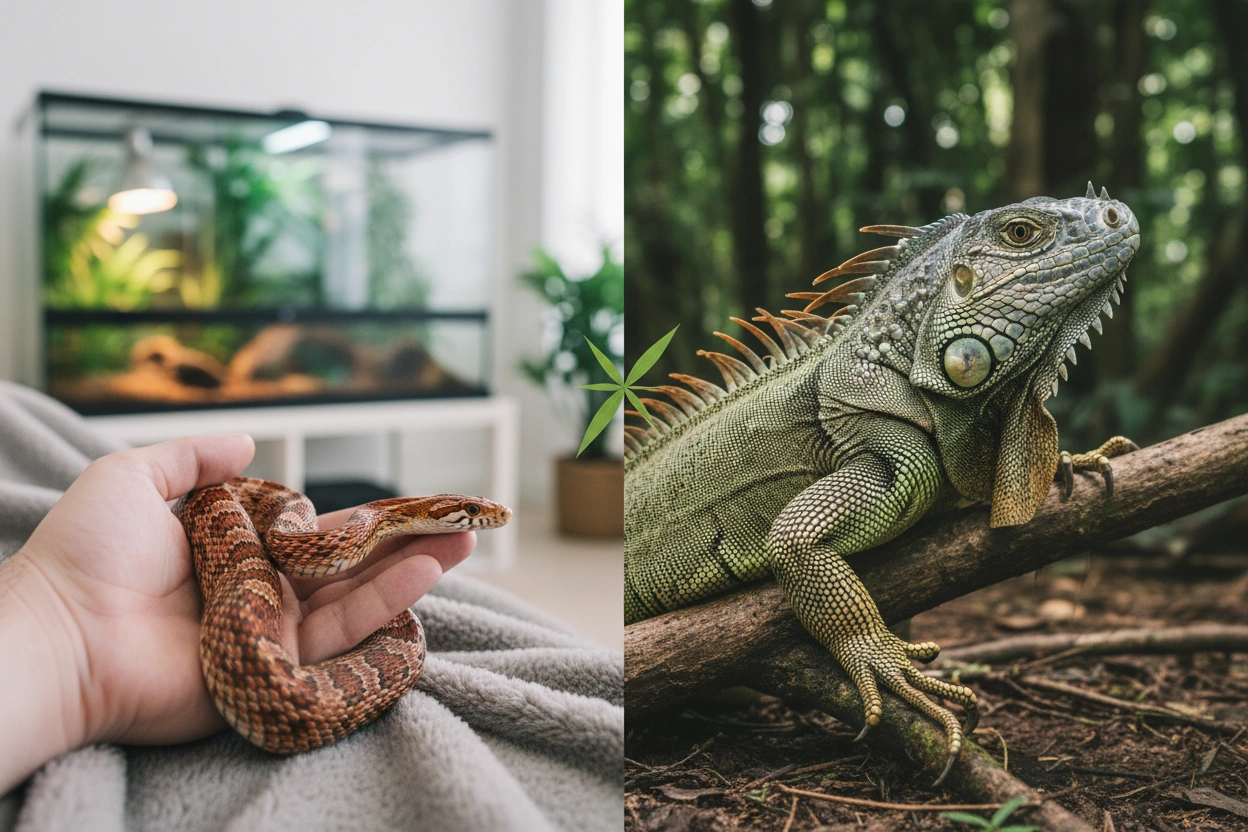
The allure of owning a pet reptile often contrasts sharply with the realities of wild reptile populations. Here are some key differences:
Pet reptiles are generally kept in controlled environments, such as terrariums or aquariums, tailored to their specific needs. These habitats are designed to mimic their natural conditions, but they lack the complexity and vastness of wild ecosystems. In contrast, wild reptiles inhabit diverse environments, from deserts to rainforests, where they play critical roles in their ecosystems.
Pet reptiles often exhibit different behaviors than their wild counterparts. For instance, captive breeding can lead to changes in temperament, with some species becoming more docile and accustomed to human interaction. Wild reptiles, however, are driven by instinct and survival, exhibiting behaviors such as hunting, mating, and territorial disputes that are essential for their survival.
In captivity, pet reptiles may have a controlled diet, often consisting of commercially prepared foods or specific live prey. Wild reptiles, on the other hand, have access to a wider variety of natural food sources, which significantly impacts their health and longevity. Understanding these dietary differences is crucial for pet owners to ensure their reptiles thrive in captivity.
Keeping reptiles as pets can involve complex legal regulations, particularly concerning endangered species. Many states and countries have strict laws regarding the ownership of certain reptiles to protect wild populations. It is essential for prospective reptile owners to research local regulations and ethical considerations before acquiring a pet reptile.

As of 2026, numerous reptile species are facing the threat of extinction. Understanding these species and their conservation status is vital for anyone interested in reptiles. Here are the top ten endangered reptile species that require urgent attention:
The Hawksbill sea turtle is critically endangered due to habitat loss, illegal trade of their shells, and climate change. Conservation efforts focus on protecting nesting sites and reducing bycatch in fishing.
Native to Borneo, this python species faces habitat destruction and poaching. Conservation programs aim to protect their habitats and educate local communities on sustainable practices.
The Gharial, a fish-eating crocodile, is critically endangered due to habitat loss and declining fish populations. Conservationists are working to restore river ecosystems and breeding programs.
This small alligator species is on the brink of extinction due to habitat destruction and pollution. Conservation efforts include breeding in captivity and habitat restoration.
The largest living lizard, the Komodo dragon is threatened by habitat loss and poaching. Conservationists focus on habitat protection and establishing national parks.
This turtle species faces threats from habitat destruction and the pet trade. Conservation efforts include habitat preservation and public awareness campaigns.
Endemic to the Philippines, this crocodile species is critically endangered due to habitat loss and hunting. Conservation programs focus on habitat protection and community engagement.
Once thought extinct, this iguana is now critically endangered due to habitat loss and invasive species. Conservation efforts involve habitat restoration and breeding programs.
This tortoise species is endangered due to habitat destruction and illegal pet trade. Conservationists are working to protect habitats and enforce anti-poaching laws.
This critically endangered sloth is found only on a small island off the coast of Panama. Conservation efforts focus on habitat protection and research.
Conservation of reptile species is crucial for maintaining biodiversity and ecological balance. Reptiles play significant roles in their ecosystems, such as controlling pest populations and serving as prey for other animals. Here are some vital reasons why reptile conservation matters:
Every species contributes to the intricate web of life. Protecting reptiles helps preserve biodiversity, ensuring that ecosystems remain healthy and resilient.
Healthy ecosystems provide numerous economic benefits, including ecotourism and sustainable resource management. Protecting reptile habitats can lead to economic opportunities for local communities.
Conservation efforts often involve education and outreach, helping people understand the importance of reptiles and their habitats. This awareness fosters a sense of responsibility and encourages sustainable practices.
Despite their fascinating nature, reptiles are often misunderstood. Here are some common misconceptions and the truths behind them:
While some reptiles can be venomous or aggressive, the majority are harmless and play essential roles in their ecosystems. Education about specific species can dispel fears and promote appreciation.
With proper care, many pet reptiles can lead healthy, fulfilling lives. Understanding their specific needs and providing suitable environments is key to their well-being.
Research has shown that reptiles can experience pain and may exhibit signs of stress. Recognizing their capacity for suffering can improve their care and treatment.
For those considering bringing a reptile into their home, responsible ownership is paramount. Here are essential steps to ensure the health and well-being of pet reptiles:
Various organizations are dedicated to reptile conservation efforts, providing resources and support for enthusiasts and conservationists. Engaging with these organizations can enhance knowledge and contribute to meaningful conservation initiatives.
As we delve deeper into the world of reptiles, it becomes clear that understanding their role—both as pets and in the wild—is essential for fostering a sustainable relationship with these remarkable creatures. The insights gained about the differences between pet reptiles and their wild counterparts, as well as the urgent need for conservation, highlight the importance of responsible ownership and advocacy.
Banana Slug Club is dedicated to promoting awareness and education about reptiles and their habitats. By supporting conservation efforts and engaging with the community, we can work together to ensure that both pet reptiles and their wild relatives thrive for generations to come.
To learn more about how you can contribute to reptile conservation and responsible ownership, visit Banana Slug Club. Your involvement can make a significant difference in the lives of these incredible creatures.
Get free resources, early access to new features and updates.
No spam. Just fun educational emails!


.svg)
.svg)