The Complete Guide to Crustaceans Maintenance and Optimization
Crustaceans are an incredibly diverse group of aquatic animals that play a vital role in marine ecosystems and are popular in both aquaculture and home aquariums. Understanding how to properly maintain and optimize the health of crustaceans can lead to more successful breeding, better yields in aquaculture, and a thriving aquarium environment. This comprehensive guide will explore essential strategies for the maintenance and optimization of crustaceans, providing you with actionable insights and expert knowledge.
Understanding Crustaceans
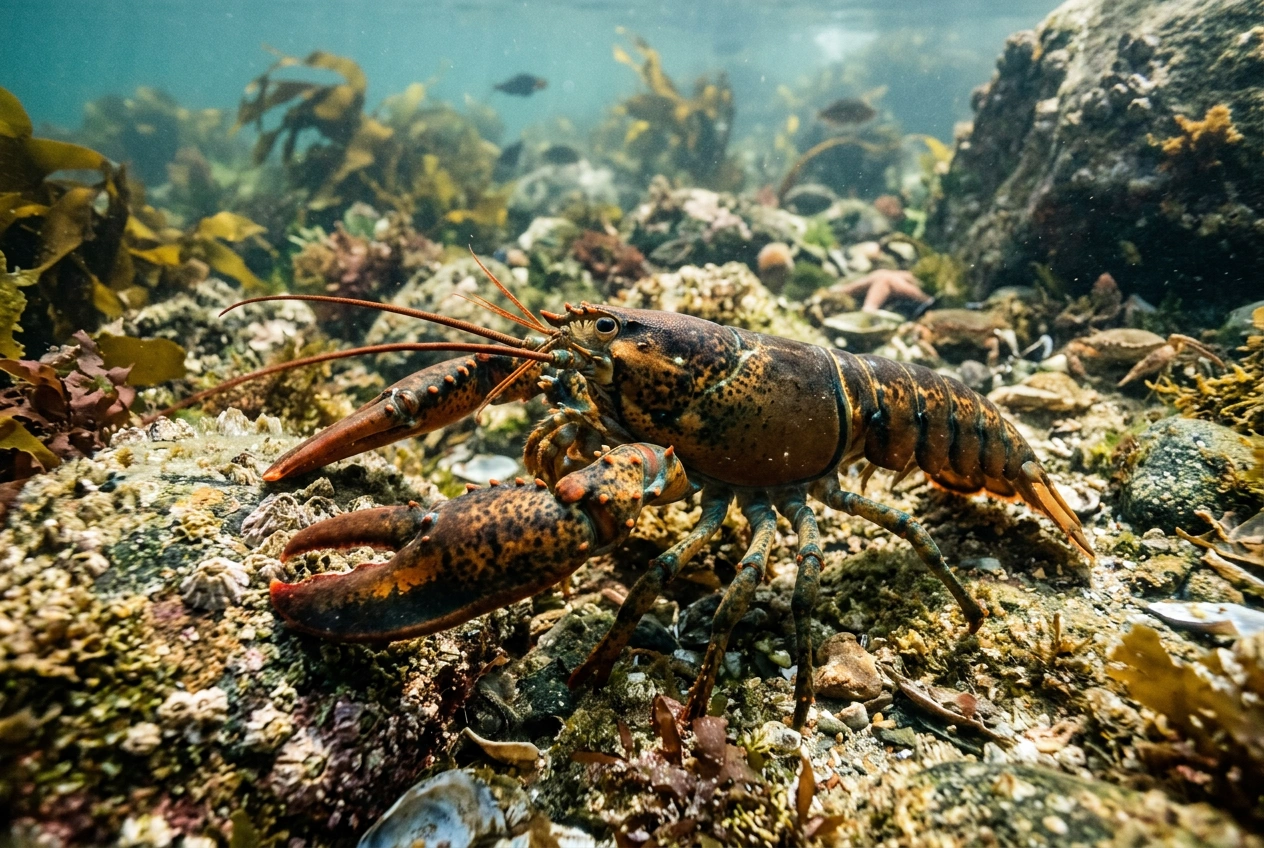
Crustaceans are members of the class Malacostraca, which includes familiar species such as shrimp, crabs, and lobsters. They are characterized by their hard exoskeletons, jointed limbs, and segmented bodies. Crustaceans occupy a variety of habitats, from freshwater streams to the depths of the ocean. Their importance extends beyond ecological roles; they are also a significant source of food for humans and other animals.
Biological Characteristics of Crustaceans
Crustaceans have several unique biological traits that influence their care and maintenance:
- Exoskeleton: Crustaceans possess a hard outer shell that provides protection and support. However, this exoskeleton must be molted periodically for growth, which can be a stressful time for the animal.
- Respiration: Most crustaceans breathe through gills, making water quality and oxygen levels critical for their health.
- Diet: Crustaceans are omnivorous, feeding on a variety of organic materials. Their dietary needs can vary significantly between species, requiring careful attention to ensure a balanced diet.
Common Misconceptions About Crustaceans
There are several misconceptions that can lead to poor care practices for crustaceans:
- All crustaceans are the same: Different species have varying requirements for habitat, diet, and water conditions. Understanding the specific needs of each species is essential for their well-being.
- Crustaceans do not require much space: Many people underestimate the space needed for crustaceans to thrive. Overcrowding can lead to stress and health issues.
- Feeding them scraps is sufficient: While crustaceans can consume organic waste, a balanced diet tailored to their species is crucial for optimal health.
Top Crustaceans Strategies for Maintenance
To ensure the health and productivity of crustaceans, consider the following strategies:
1. Maintain Optimal Water Conditions
The quality of water is paramount in crustacean care.
- Temperature: Most crustaceans thrive in specific temperature ranges. Regularly monitor and adjust the temperature to suit the species being kept.
- pH Levels: Test water pH regularly. Crustaceans generally prefer slightly acidic to neutral pH levels, but this can vary by species.
- Salinity: For marine crustaceans, maintaining the correct salinity is crucial. Use a refractometer to measure salinity levels accurately.
2. Provide a Balanced Diet
A well-rounded diet is essential for the growth and health of crustaceans.
- Commercial Pellets: Use high-quality commercial feeds formulated for crustaceans, which contain the necessary vitamins and minerals.
- Supplementary Foods: Incorporate natural food sources such as algae, plankton, and small pieces of fish or shrimp to provide variety.
- Feeding Schedule: Establish a regular feeding schedule, ensuring not to overfeed, which can pollute the water.
3. Create a Suitable Habitat
The environment where crustaceans are kept significantly impacts their well-being.
- Tank Size: Ensure the tank is adequately sized for the number of crustaceans. A larger tank allows for better water quality and less competition for resources.
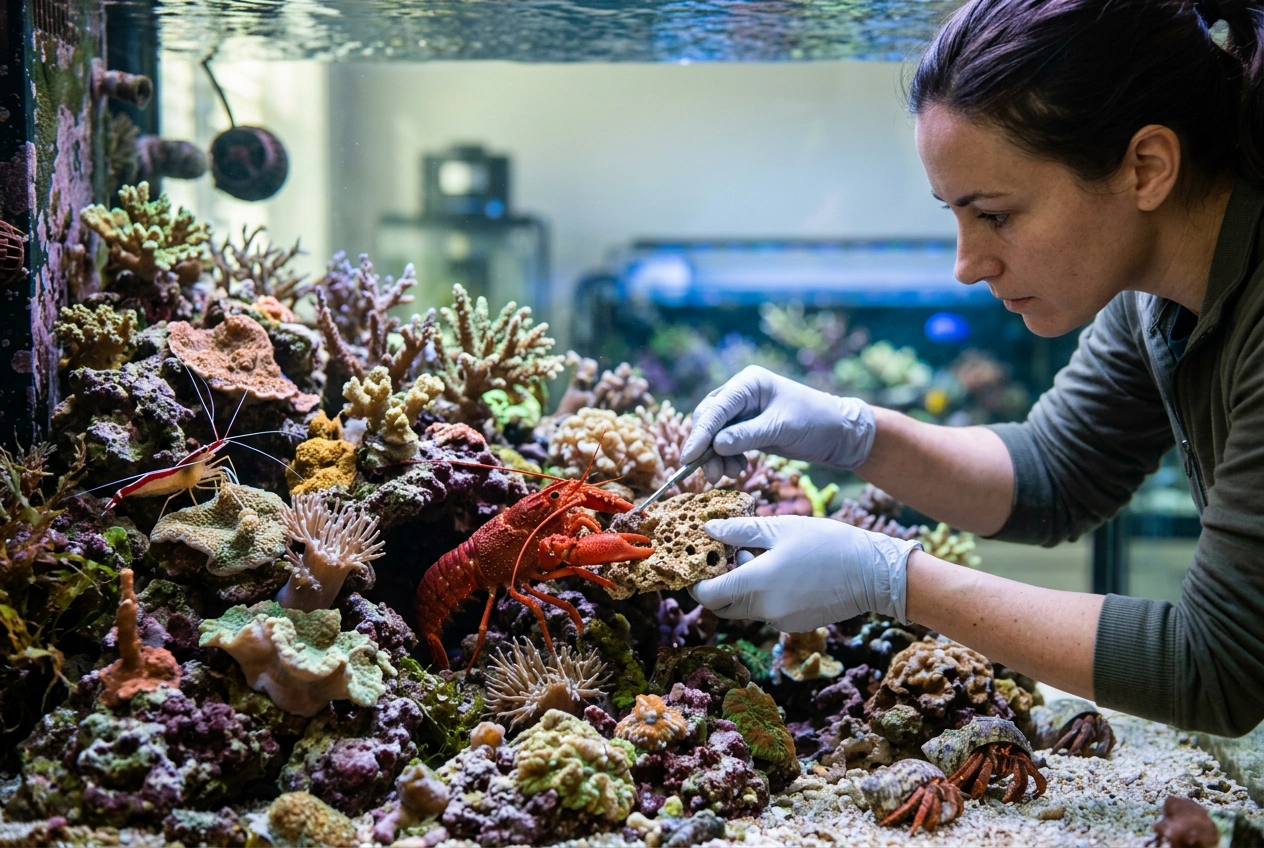
- Hiding Places: Include rocks, plants, and other structures to provide hiding spots. This helps reduce stress and aggression among crustaceans.
- Filtration System: Invest in a high-quality filtration system to maintain water clarity and remove harmful waste.
4. Monitor for Health Issues
Regular monitoring can help catch health problems early.
- Signs of Stress: Watch for signs such as lethargy, discoloration, or abnormal behavior. These can indicate environmental stress or disease.
- Routine Health Checks: Regularly inspect crustaceans for signs of molting, as successful molts are vital for growth.
- Quarantine New Additions: Before introducing new crustaceans to an established environment, quarantine them to prevent the introduction of diseases.
The Importance of Regular Maintenance
Regular maintenance of crustacean habitats is crucial for long-term success.
Cleaning Practices
- Regular Water Changes: Perform partial water changes weekly to keep nitrate levels low and maintain water quality.
- Tank Cleaning: Clean the tank and any decorations or equipment regularly to prevent algae buildup and maintain hygiene.
Record Keeping
Keeping detailed records can help track the health and growth of your crustaceans.
- Water Parameters: Document water temperature, pH, and salinity changes over time.
- Feeding Logs: Maintain a log of feeding habits and any changes in diet to identify what works best for your crustaceans.
Conclusion: Embracing Crustacean Care with Banana Slug Club
In this guide, we have explored the intricate world of crustaceans, emphasizing the importance of their maintenance and optimization. By understanding their unique biological characteristics, addressing common misconceptions, and implementing effective strategies, you can create a thriving environment for these fascinating creatures.
The Banana Slug Club is dedicated to providing resources and support for those interested in crustacean care. Whether you are a hobbyist or involved in aquaculture, the insights shared here can help you enhance your practices. For more information and assistance, don't hesitate to reach out.
Contact Banana Slug Club to learn more about how we can support your crustacean maintenance journey.