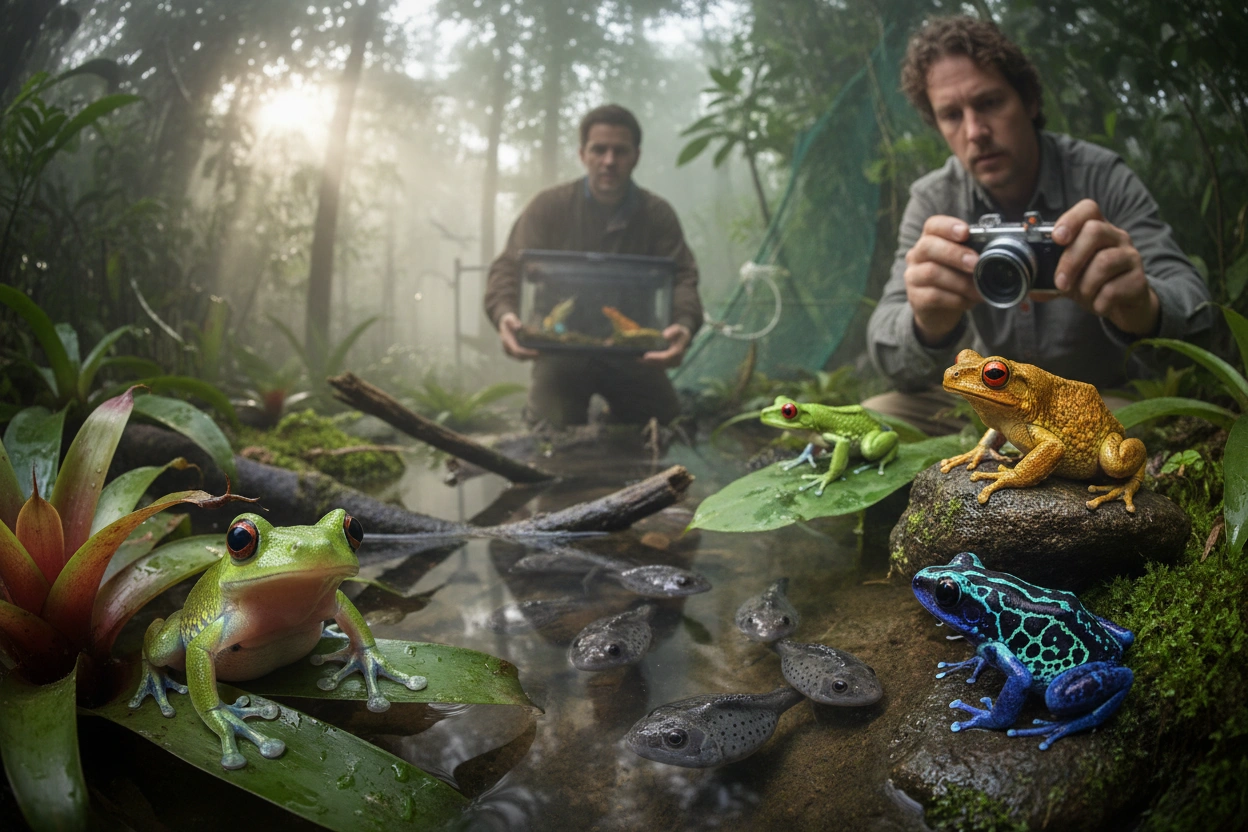
Biodiversity is the foundation of life on Earth, providing essential ecosystem services that sustain human existence. Among the most pressing concerns in this realm is the plight of endangered animals. These species, often at the brink of extinction, play critical roles in their ecosystems, and their loss can lead to far-reaching consequences. As we delve into the importance of endangered animals, we will also highlight conservation efforts aimed at preserving these vital species and their habitats.
In this article, we will explore the top ten endangered animals you need to know about, shedding light on their unique characteristics, the threats they face, and ongoing efforts to protect them. By raising awareness and fostering a deeper understanding of these magnificent creatures, we can collectively contribute to their conservation.
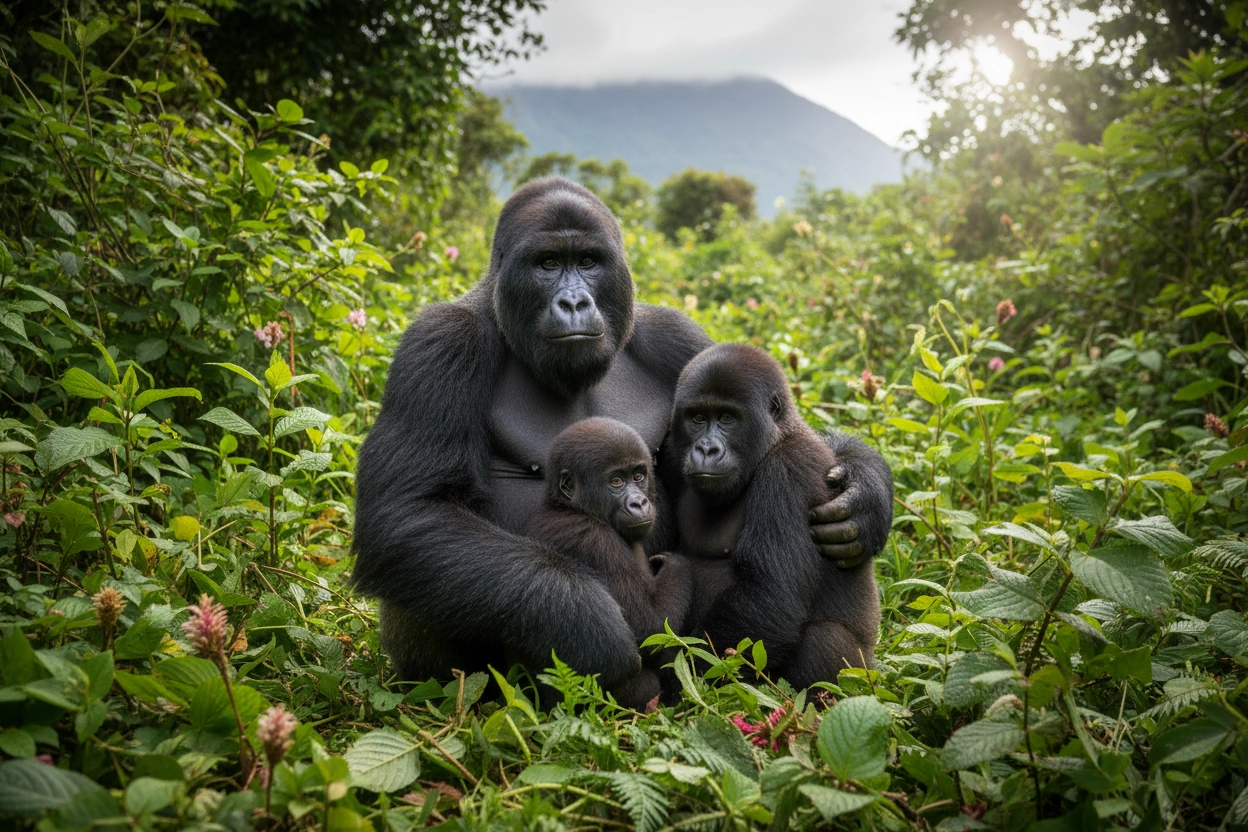
Endangered animals serve as indicators of environmental health and biodiversity. Their presence or absence can reveal much about the state of their ecosystems. When species become endangered, it often signifies underlying issues such as habitat destruction, climate change, and pollution, which can also affect other wildlife and even human populations.
Endangered animals contribute significantly to maintaining the balance within their ecosystems. For example, apex predators, such as wolves and tigers, regulate the populations of herbivores, preventing overgrazing and allowing vegetation to flourish. This balance is crucial for preserving the integrity of the ecosystem, ensuring that it continues to provide essential services such as clean air, water, and fertile soil.
Endangered species also hold cultural significance for many communities, representing heritage and tradition. Additionally, they contribute to economic activities such as ecotourism, which can provide sustainable income for local populations. Protecting endangered animals is not just an environmental issue; it is a matter of preserving cultural identity and fostering economic development.
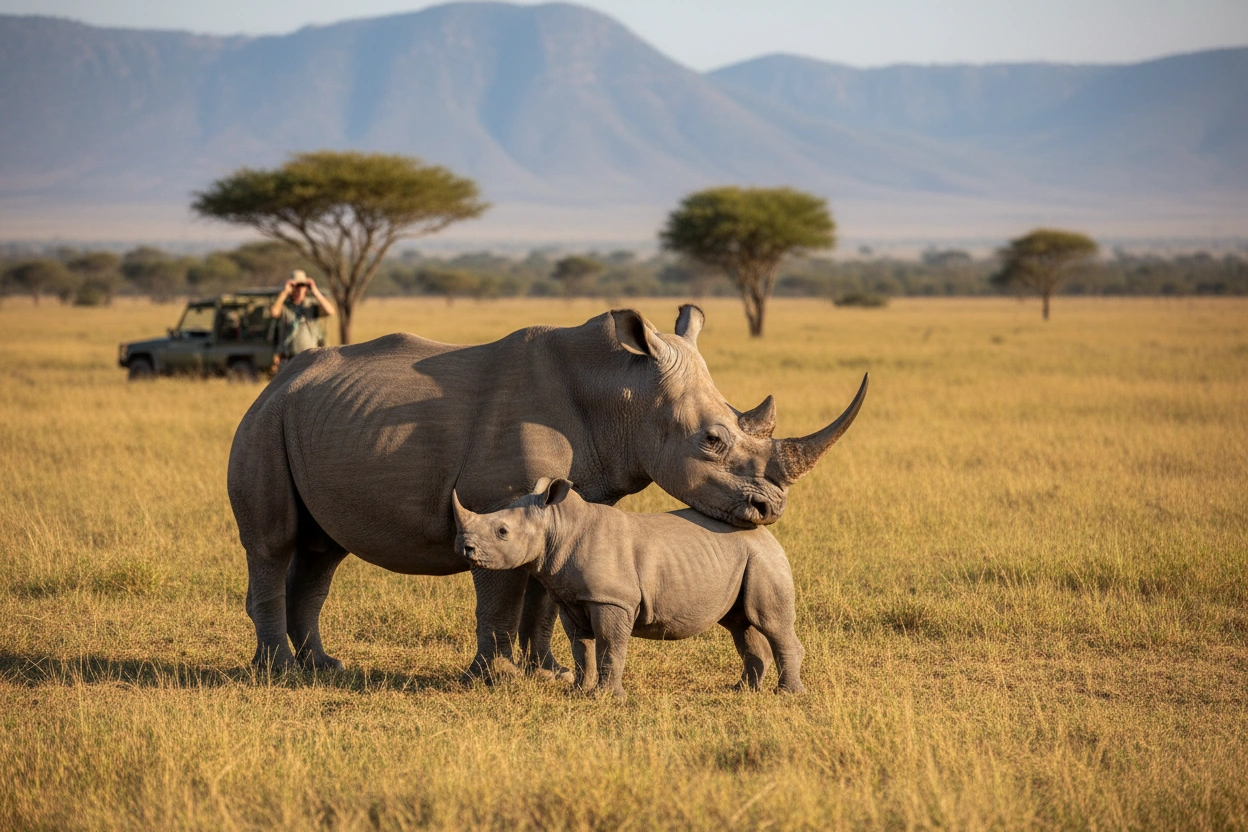
Understanding the plight of endangered animals can inspire action and support for conservation efforts. Here are ten species that exemplify the challenges faced by wildlife today.
The Amur leopard, native to the Russian Far East and northeastern China, is one of the rarest big cats in the world. With an estimated population of fewer than 100 individuals, this solitary feline faces severe threats from habitat loss and poaching. Conservation efforts focus on habitat restoration and anti-poaching measures, including the establishment of protected areas.
The Vaquita, a small porpoise found in the northern part of the Gulf of California, is critically endangered, with estimates suggesting only about 30 individuals remain. The primary threat to the Vaquita is bycatch in illegal gillnets used for fishing another endangered species, the totoaba. Conservation groups are actively working to eliminate gillnets from the Vaquita's habitat and promote sustainable fishing practices.
The Javan rhino is one of the most endangered large mammals, with only around 76 individuals surviving in Ujung Kulon National Park, Indonesia. Habitat loss and poaching are the main threats to this species. Conservation efforts are focused on habitat protection and monitoring to ensure the survival of this unique animal.
The Sumatra orangutan is critically endangered due to habitat destruction caused by palm oil plantations and illegal logging. With only about 14,000 individuals left, these intelligent primates are vital for forest health as they help with seed dispersal. Conservation initiatives aim to protect their habitat and involve local communities in sustainable practices.
The Sumatran tiger is the smallest subspecies of tiger and is critically endangered, with fewer than 400 individuals remaining. Poaching and habitat loss are the primary threats. Conservation efforts focus on anti-poaching patrols and habitat restoration projects to ensure the survival of this majestic predator.
Despite being the largest land mammal, the African elephant faces significant threats from poaching for ivory and habitat loss. With an estimated population decline of about 30% in the last decade, conservation efforts are essential. Strategies include anti-poaching laws, community engagement, and wildlife corridors to facilitate safe movement.
Snow leopards inhabit the mountain ranges of Central and South Asia and are classified as vulnerable due to poaching and habitat fragmentation. With an estimated population of 4,000 to 6,500 individuals, conservation efforts focus on habitat protection and community-based initiatives that involve local herders in protecting these elusive cats.
The blue whale is the largest animal on the planet, yet it is endangered due to historical whaling practices and current threats such as ship strikes and climate change. Conservation efforts are focused on reducing ship traffic in critical habitats and monitoring populations through scientific research.
The Hawksbill sea turtle is critically endangered, primarily due to illegal trade of its beautiful shell, habitat loss, and climate change. Conservation efforts include protecting nesting sites and raising awareness about the importance of these turtles in marine ecosystems.
With only two individuals remaining, the Northern white rhino is functionally extinct. Conservationists are working on advanced reproductive technologies to try to save this subspecies. Efforts include protecting the remaining rhinos and researching ways to enable breeding through artificial insemination.
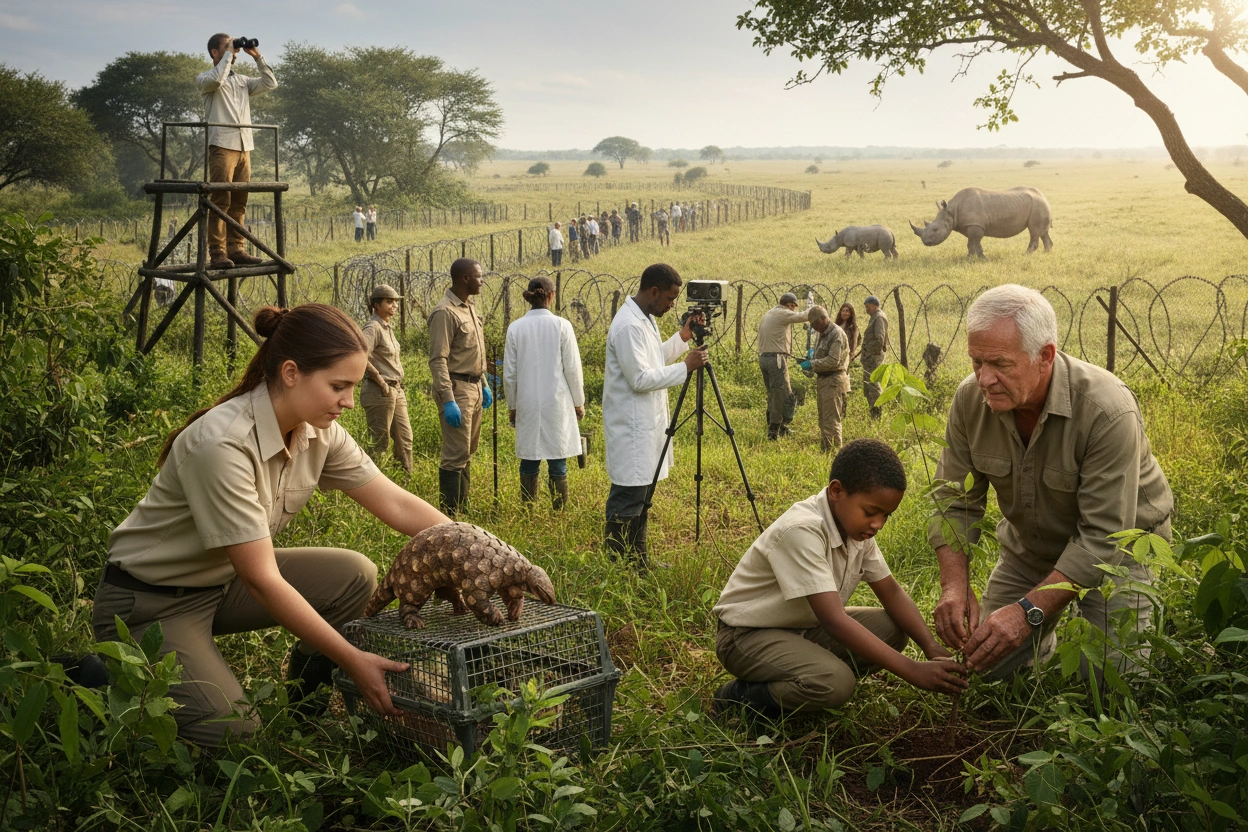
The survival of endangered animals hinges on concerted conservation efforts. Here are several effective strategies being implemented globally.
Protecting the natural habitats of endangered species is paramount. This involves establishing national parks and wildlife reserves that provide safe environments for these animals to thrive. Legal protections can also be enacted to prevent habitat destruction due to logging, mining, and agricultural expansion.
Strong legal frameworks are essential for the protection of endangered animals. Laws such as the Endangered Species Act in the United States have been instrumental in providing protections for at-risk species. Advocating for stronger policies at local, national, and international levels can lead to meaningful change.
Engaging local communities in conservation efforts is crucial for success. By involving those who live in proximity to endangered species, conservationists can create sustainable practices that benefit both wildlife and people. Education and outreach programs can help foster a sense of stewardship and responsibility toward the environment.
Ongoing research is vital for understanding the needs and behaviors of endangered animals. Monitoring populations through field studies and technology, such as GPS tracking, allows conservationists to make informed decisions regarding protection strategies. This data is essential for assessing the effectiveness of conservation efforts and making necessary adjustments.
Despite the wealth of information available, misconceptions about endangered animals persist. Addressing these can help foster greater understanding and support for conservation.
Many people believe that endangered animals are only found in far-off, exotic locales. In reality, endangered species can exist in urban areas and even within national parks. Local awareness and action are critical to their survival.
While governmental action is essential, conservation efforts also rely on individuals, businesses, and non-profit organizations. Everyone can play a role in protecting endangered species, from advocating for local wildlife to supporting conservation organizations.
Not all endangered species are immediately facing extinction. The "endangered" designation indicates that a species is at risk, but with effective conservation efforts, many can recover and thrive. Understanding this can inspire hope and motivate action.
Individuals can contribute to conservation efforts in various ways. Here are practical steps you can take to make a difference.
Educate Yourself and Others
Learn about endangered species and the challenges they face. Share this knowledge with friends and family to raise awareness.
Support Conservation Organizations
Contribute to organizations dedicated to wildlife preservation. Your donations can help fund critical research and conservation projects.
Make Sustainable Choices
Choose products that are sustainably sourced and avoid those that contribute to habitat destruction, such as palm oil and unsustainable seafood.
Advocate for Policy Change
Support policies that protect endangered species and their habitats. Engage with local representatives to voice your concerns about conservation issues.
Participate in Citizen Science
Join local conservation projects or citizen science initiatives that monitor wildlife populations and habitats. Your involvement can provide valuable data for conservation efforts.
Understanding the role of endangered animals in biodiversity is essential for fostering a sustainable future. The insights gained from exploring these species highlight the interconnectedness of ecosystems and the critical need for conservation efforts. The Banana Slug Club is dedicated to promoting awareness and action surrounding endangered species and biodiversity.
By engaging with the Banana Slug Club, you can become part of a community that values and supports wildlife conservation. Together, we can make a difference in the fight to protect endangered animals and their habitats.
For more information on how you can contribute to conservation efforts and support endangered species, visit Banana Slug Club. Together, we can ensure a future where biodiversity thrives, and endangered animals are preserved for generations to come.
Get free resources, early access to new features and updates.
No spam. Just fun educational emails!


.svg)
.svg)