Spotting Insect Biodiversity: A Guide for Curious Explorers
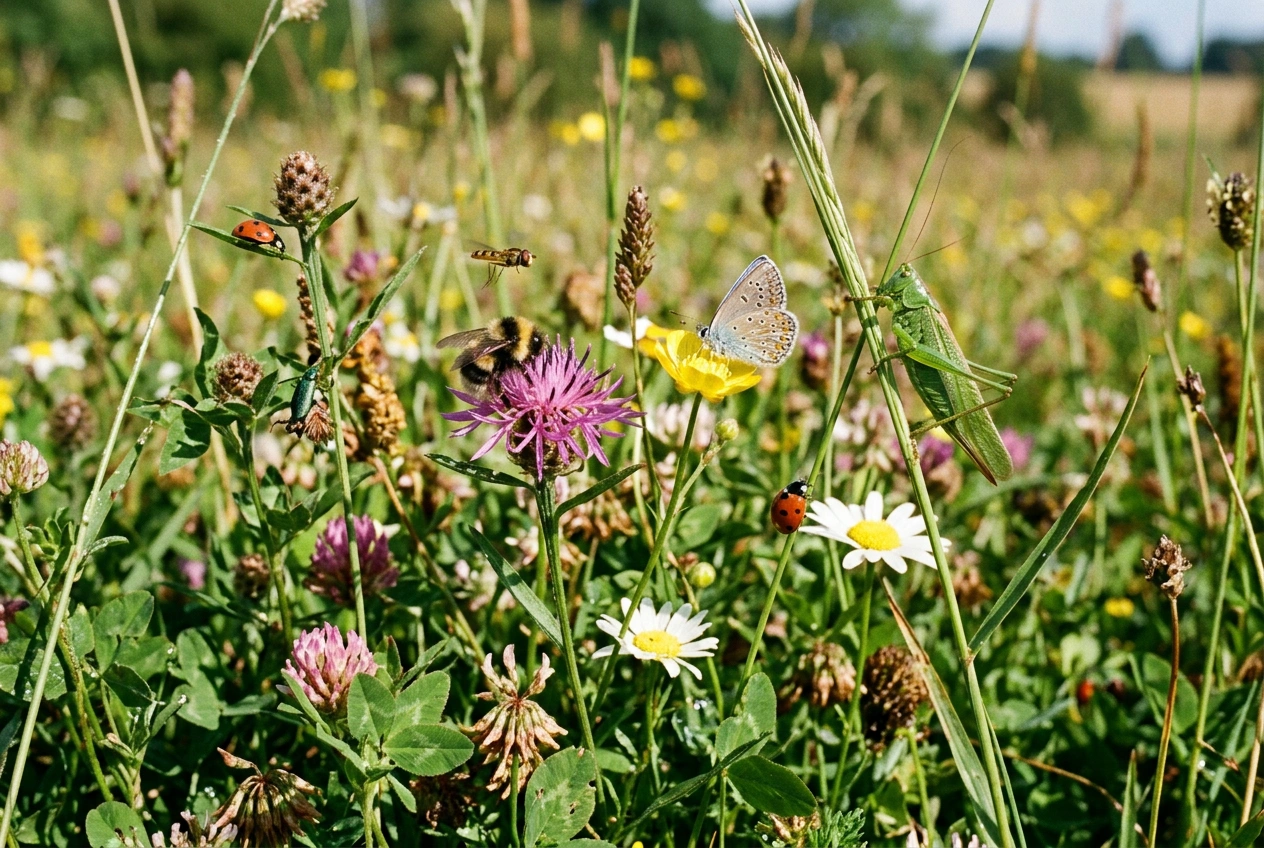
Insects are among the most diverse and numerous organisms on our planet, boasting an astonishing range of species that can be found in nearly every environment. From the tiniest ants to the colorful butterflies fluttering in gardens, insects play a vital role in our ecosystems. Understanding insect biodiversity not only enriches our appreciation for nature but also fosters a greater awareness of environmental conservation. This guide aims to equip curious explorers with the knowledge and tools necessary for insect species identification, enhancing your explorations into the captivating world of insects.
Understanding Insect Biodiversity
Biodiversity refers to the variety of life found in a particular habitat or ecosystem. Insects, being the most numerous group of animals on Earth, represent a significant portion of global biodiversity. There are estimated to be approximately 10 million insect species, with only about 1 million formally described by scientists. This staggering number indicates the vast potential for discovery and learning.
Insects are categorized into various orders, each with unique characteristics. The most prominent orders include Coleoptera (beetles), Lepidoptera (butterflies and moths), Diptera (flies), and Hymenoptera (bees, wasps, and ants). Each order contributes to ecological functions such as pollination, decomposition, and serving as food for other wildlife. A deeper understanding of these classifications aids in effective insect species identification, allowing enthusiasts to appreciate the complexity of ecosystems.
The Importance of Insect Identification
Identifying insect species is crucial for several reasons. First, it contributes to scientific research and helps in monitoring environmental health. For instance, certain insects serve as bioindicators, reflecting the quality of their habitats. Second, insect identification can play a role in agriculture and pest management, helping farmers make informed decisions about pest control. Lastly, understanding insect diversity fosters an appreciation for nature, encouraging conservation efforts and sustainable practices.
The Fascinating World of Insects
Exploring the world of insects reveals an array of fascinating species, each with its unique adaptations and behaviors. Here are ten particularly intriguing insect species that highlight the diversity and wonder of this group:
1. Goliath Beetle (Goliathus goliatus)
- Native to Africa, the Goliath beetle is one of the largest insects in the world, weighing up to 4 ounces and measuring up to 4.3 inches in length.
- Known for its impressive size and striking coloration, it undergoes a complete metamorphosis, transitioning from a larval stage to its adult form.
- Goliath beetles are primarily herbivorous, feeding on tree leaves and fruits.
2. Atlas Moth (Attacus atlas)
- The Atlas moth, native to Southeast Asia, boasts one of the largest wingspans of any moth, reaching up to 12 inches.
- Its wing patterns mimic snakes, providing camouflage against predators.
- Unlike many other moths, Atlas moths do not feed as adults; they rely on energy stored during their larval stage.
3. Bombardier Beetle (Brachinus spp.)
- The bombardier beetle is famous for its unique defense mechanism, which involves ejecting a hot, noxious chemical spray at predators.
- This spray is produced by mixing chemicals stored in separate chambers within its abdomen, resulting in an explosive reaction.
- Found in various habitats, these beetles are a fascinating example of chemical warfare in nature.
4. Orchid Mantis (Hymenopus coronatus)
- Residing in tropical and subtropical regions, the orchid mantis is known for its remarkable ability to mimic orchid flowers.
- This adaptation allows it to ambush unsuspecting prey, primarily insects attracted to the flowers.
- Its striking appearance has made it a popular subject among insect enthusiasts and photographers.
5. Firefly (Lampyridae family)
- Fireflies, or lightning bugs, are well-known for their bioluminescent abilities, which they use for communication and mating.
- These beetles produce light through a chemical reaction in their abdomens, creating a captivating display in summer evenings.
- Firefly populations are indicators of environmental health, as they are sensitive to habitat changes.
6. Monarch Butterfly (Danaus plexippus)
- The Monarch butterfly is famous for its incredible migratory journey, traveling thousands of miles from North America to central Mexico.
- Its vibrant orange and black coloration serves as a warning to predators about its toxicity, which it acquires from feeding on milkweed as a caterpillar.
- Conservation efforts are crucial to protect their migratory routes and breeding habitats.
7. Leafcutter Ant (Atta spp.)
- Leafcutter ants are social insects known for their unique behavior of cutting leaves to cultivate fungus, which serves as their primary food source.
- They exhibit complex social structures, with different castes performing specific roles within the colony.
- Their ability to farm fungus represents a fascinating example of mutualism in nature.
8. Praying Mantis (Mantodea order)
- The praying mantis is renowned for its predatory skills and distinctive posture, often resembling a praying figure.
- They possess excellent vision and can turn their heads to scan their surroundings, making them effective hunters.
- Some species can even change color to blend in with their environment, enhancing their camouflage.
9. Hercules Beetle (Dynastes hercules)
- The Hercules beetle, native to Central and South America, is notable for its impressive horn and size, which can reach lengths of up to 7 inches.
- It is one of the strongest insects relative to its size, capable of lifting objects over 850 times its weight.
- These beetles undergo a complete metamorphosis and are primarily found in rainforests.
10. Cicada (Cicadidae family)
- Cicadas are known for their distinctive sound produced by males during mating season, creating a characteristic "buzzing" sound.
- Some species have life cycles that last several years underground, emerging en masse to mate and lay eggs.
- Their periodic emergence has fascinated scientists and laypeople alike, with some species emerging every 13 or 17 years.
Strategies for Insect Species Identification
Identifying insects can be an enjoyable and educational activity. Here are several strategies to enhance your insect identification skills:
Research and Resources
- Utilize field guides specific to your region, which can provide detailed information on local insect species.
- Leverage online databases and mobile apps designed for insect identification, such as iNaturalist or BugGuide.net, which allow users to upload photos and receive feedback from experts.
- Join local entomology clubs or online forums to connect with other enthusiasts and share identification tips and resources.
Observational Techniques
- Pay attention to the physical characteristics of insects, including color, size, and distinctive markings. Note the habitat and behavior as these factors can aid in identification.
- Take photographs of the insects you encounter, capturing different angles to document their features. This can be especially helpful for later identification.
- Observe the time of year and specific plants or flowers associated with certain insect species, as many insects are closely tied to particular ecosystems.
Practical Application
- Begin your exploration in familiar environments, such as your backyard or local parks, where you can find a variety of insect species.
- Practice patience and mindfulness while observing insects, as many species can be shy or quick to flee.
- Keep a journal to document your findings, noting the date, location, and any interesting behaviors or characteristics you observe.
Common Mistakes in Insect Identification
While identifying insects can be rewarding, there are common pitfalls to avoid:
Overlooking Key Features
Many insect species can appear similar, leading to misidentification. Pay careful attention to distinguishing characteristics such as wing patterns, body shape, and antennae types.
Ignoring Habitat Context
Identifying insects without considering their habitat can lead to confusion. Many insects are specialists, thriving only in specific environments, which can assist in narrowing down species.
Relying Solely on Memory
While experience helps, relying solely on memory can lead to inaccuracies. Always refer to reliable resources or guides when in doubt.
The Role of Citizen Science in Insect Conservation
Citizen science projects engage the public in scientific research, significantly contributing to our understanding of insect biodiversity. Programs like the Great Sunflower Project and Monarch Watch allow individuals to track and report insect populations, which can provide valuable data for researchers.
Participating in these initiatives not only enhances your knowledge of insects but also fosters a sense of community among fellow nature enthusiasts. By contributing to scientific endeavors, you play a role in promoting conservation efforts and ensuring the survival of various insect species.
The Intersection of Insect Biodiversity and Community Engagement
Engaging with the world of insects opens doors to numerous opportunities for exploration and learning. Organizations like the Banana Slug Club offer resources and activities that promote a deeper understanding of biodiversity. Their programs encourage individuals to connect with nature, participate in citizen science, and cultivate a passion for environmental stewardship.
By immersing yourself in the study of insects, you not only gain valuable knowledge but also contribute to the preservation of our planet's biodiversity. Joining the Banana Slug Club allows you to stay informed about upcoming events, workshops, and volunteer opportunities that align with your interests.
Your Next Steps in Insect Exploration
To further your journey into the fascinating world of insects, consider taking the following actions:
- Join a local entomology club to meet like-minded individuals and share your passion for insects.
- Participate in community science projects to contribute to valuable research while enhancing your identification skills.
- Explore natural habitats in your area, documenting the insects you encounter and sharing your findings with others.
For more information on how to get involved with insect conservation and exploration, visit the Banana Slug Club. They provide resources, events, and a community that fosters a love for nature and a commitment to preserving biodiversity.
In conclusion, the world of insects is vast and filled with wonder. By learning to identify various insect species and engaging with community initiatives, you can play a vital role in supporting biodiversity. The Banana Slug Club is here to assist you on your journey, providing opportunities to connect with nature and fellow enthusiasts. Contact Banana Slug Club today to start your adventure into the remarkable realm of insects.