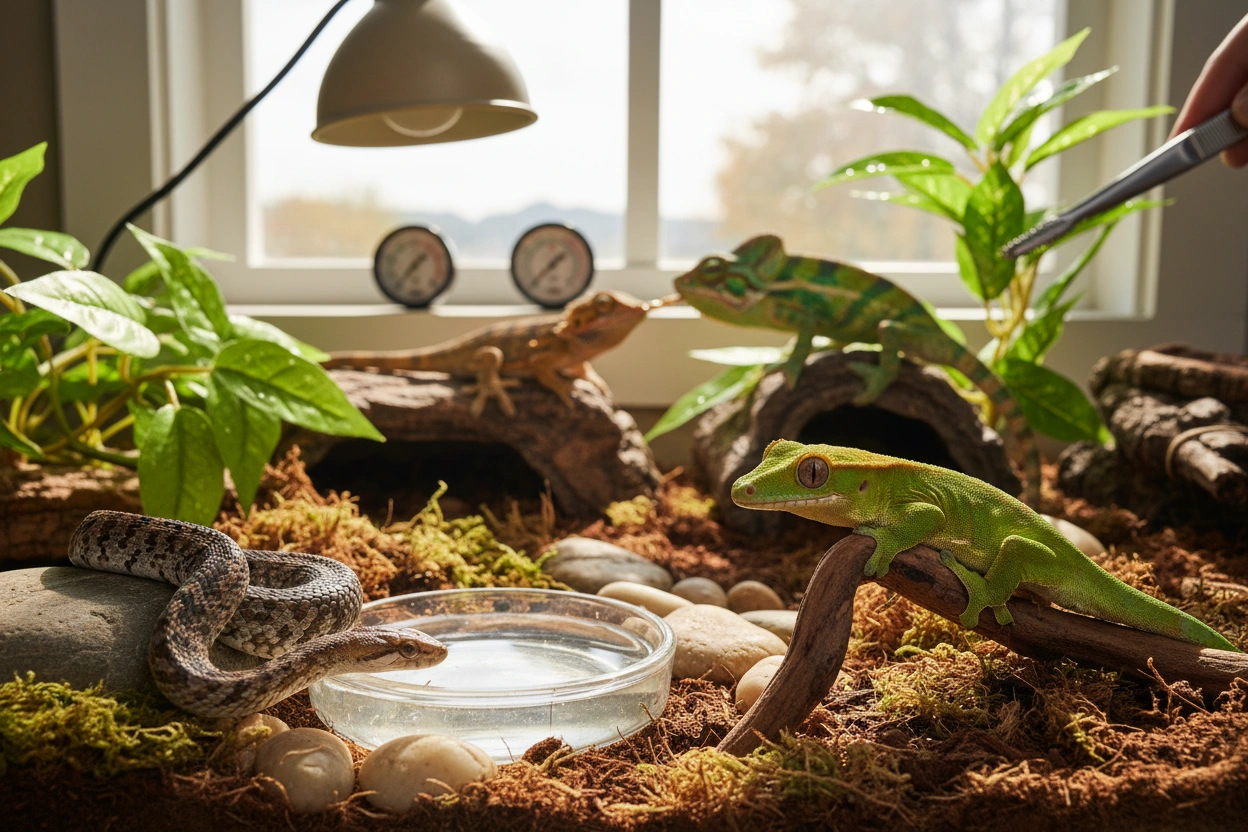
Caring for reptiles can be an exciting yet daunting venture for beginners. With a unique set of needs that differ significantly from traditional pets like dogs and cats, understanding the fundamental aspects of reptile care is essential for ensuring a healthy and happy pet. This article will explore essential reptile care tips that every beginner should know, providing practical insights and actionable strategies to help new reptile owners thrive.

Reptiles are a diverse group of animals that inhabit a wide range of environments, from arid deserts to tropical rainforests. Understanding their natural habitats is crucial for creating an appropriate environment in captivity.
Reptiles can be classified into various groups based on their preferred habitats:
Desert Reptiles: Species such as the desert tortoise and various lizards thrive in arid conditions where water is scarce. These reptiles have adapted to minimize water loss and can often tolerate extreme temperatures.
Tropical Reptiles: Many reptiles, like iguanas and certain snakes, are found in humid, tropical environments. They require high humidity and a warm temperature to thrive, which should be replicated in their captive habitats.
Temperate Reptiles: Some species, such as box turtles and garter snakes, are found in temperate regions. They experience seasonal changes and may require different care based on the time of year.
Understanding the habitat of your specific reptile species is vital in creating a suitable environment that mimics their natural conditions. This includes considerations for temperature, humidity, and space.
Once you understand where your reptile originates, you can begin to create a habitat that meets its needs. Here are some key factors to consider:
Temperature Regulation: Reptiles are ectothermic, meaning they rely on external sources to regulate their body temperature. Provide a basking area with a heat lamp to create a temperature gradient that allows the reptile to choose its preferred heat level.
Humidity Control: Depending on the species, humidity levels can be critical. Use hygrometers to monitor humidity levels and mist the enclosure as needed for tropical species.
Enclosure Size and Enrichment: Ensure the enclosure is spacious enough for your reptile to move freely and includes hiding spots, climbing structures, and substrates that mimic their natural environment.
By focusing on these habitat elements, you can create a thriving environment that supports the health and well-being of your reptile.
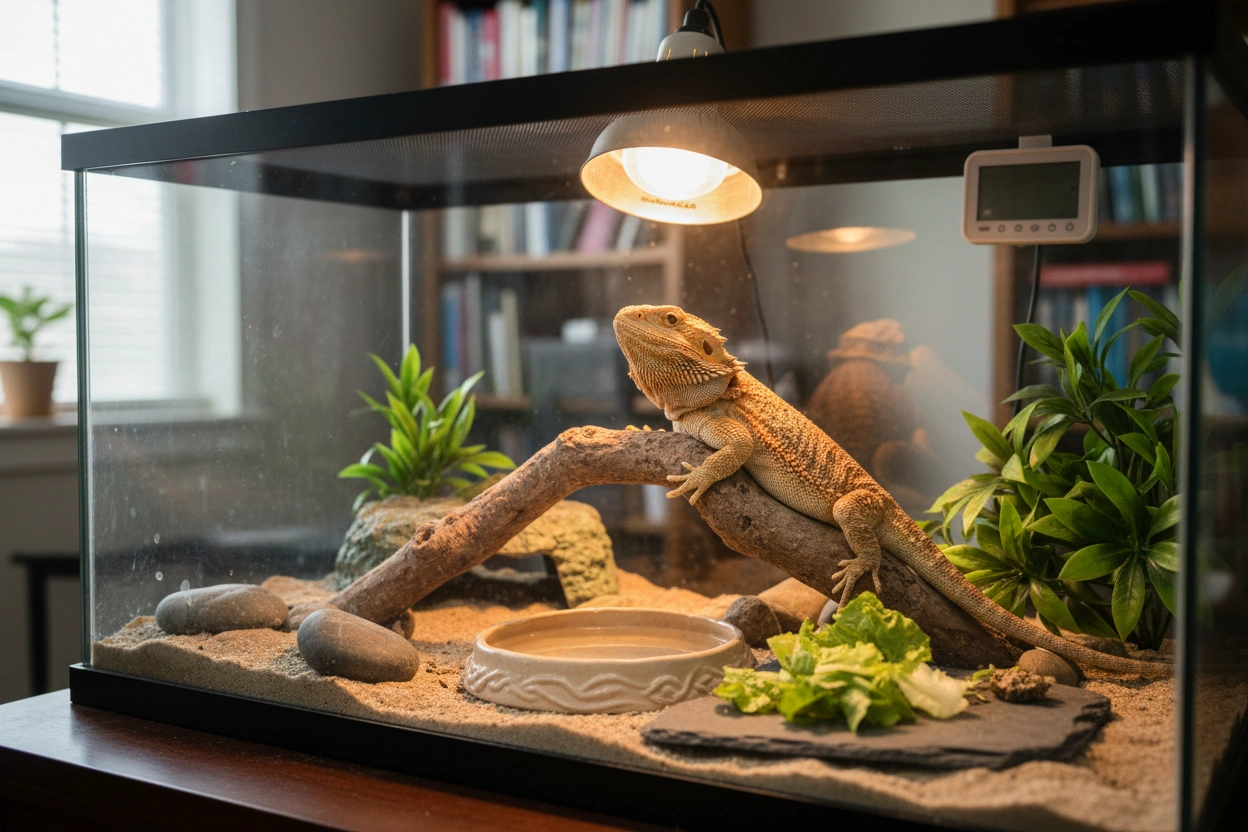
Caring for reptiles involves several essential practices that ensure their health and happiness. Here are some critical care tips for beginners.
Feeding your reptile a balanced diet is fundamental to its health. Different species have varying dietary needs, so understanding these requirements is essential.
Insectivores: Many reptiles, such as chameleons and bearded dragons, thrive on a diet of insects. Ensure you are providing a variety of live foods, such as crickets, mealworms, and roaches.
Herbivores: Species like iguanas primarily consume plant material. Offer a selection of leafy greens, vegetables, and commercially prepared herbivore diets.
Carnivores: Snakes and some lizards require a diet of meat, which may include rodents or commercially available frozen prey.
Always ensure that food is appropriately sized and offered in moderation to prevent obesity and other health issues.
Regular health monitoring is crucial to catching potential issues early. Here are some health check tips:
Observe Behavior: Watch for changes in activity levels, appetite, and behaviors. Any sudden changes may indicate underlying health issues.
Inspect Physical Condition: Check your reptile's skin, eyes, and mouth for signs of shedding issues, swelling, or discoloration.
Veterinary Visits: Schedule regular check-ups with a veterinarian experienced in reptile care. This is vital for vaccinations, parasite control, and general health assessments.
Incorporating these practices into your routine can help ensure your reptile remains healthy and happy.
Proper lighting is crucial for the health of reptiles. Many species require specific UVB lighting to synthesize vitamin D3, which is essential for calcium absorption.
UVB Lighting: Install UVB bulbs that provide the necessary spectrum for your reptile. Ensure the light is positioned correctly to allow your pet to bask and absorb the UVB rays effectively.
Day/Night Cycle: Mimic natural light cycles by providing a consistent day/night schedule. Use timers to automate lighting changes, ensuring your reptile gets ample exposure to both light and darkness.
Understanding how to handle your reptile properly is key to building trust and ensuring safety for both you and your pet.
Gentle Handling: Always approach your reptile calmly and avoid sudden movements. Support its body adequately and avoid grabbing it by the tail, as this can cause stress or injury.
Time and Patience: Allow your reptile to acclimate to handling gradually. Start with short sessions and increase the duration as your pet becomes more comfortable.
By practicing proper handling techniques, you can foster a positive relationship with your reptile.
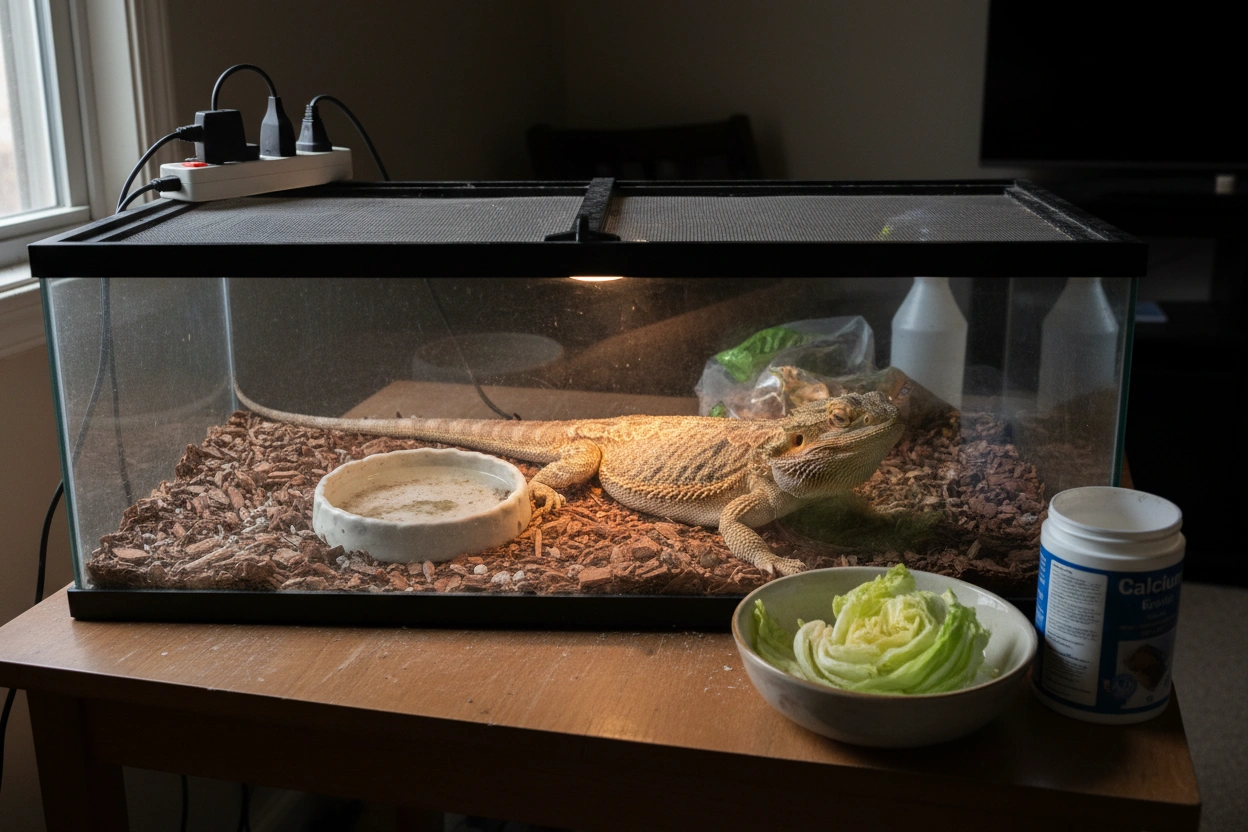
As a beginner, it’s easy to make common mistakes that can negatively impact your reptile's health. Here are several pitfalls to avoid:
Inadequate Research: Failing to understand the specific needs of your reptile species can lead to improper care. Research thoroughly before bringing a reptile home.
Overfeeding: Many new owners may overfeed their reptiles, leading to obesity and health issues. Adhere to recommended feeding guidelines based on your species.
Ignoring Temperature and Humidity Needs: Neglecting to monitor and maintain proper temperature and humidity levels can cause stress and health problems. Regularly check these environmental factors.
Lack of Enrichment: Providing a barren environment can lead to boredom and stress. Ensure your reptile has access to climbing structures, hiding spots, and other forms of enrichment.
By being aware of these common mistakes, you can avoid pitfalls that may harm your reptile and ensure its well-being.
Engaging with the reptile community can significantly enhance your knowledge and experience as a new reptile owner. Communities provide valuable resources, support, and shared experiences that can aid in your care journey.
Online Forums and Social Media: Platforms like Reddit and Facebook have dedicated groups for reptile enthusiasts. These communities are great for sharing advice, experiences, and troubleshooting common issues.
Local Reptile Clubs: Many areas have local reptile clubs or societies that host meetings, workshops, and events. Joining these clubs can provide hands-on experience and networking opportunities.
Reptile Expos and Conventions: Attending expos can help you learn more about different species, care techniques, and available products. It’s also a great way to meet fellow reptile enthusiasts.
Participating in these communities can provide you with a wealth of knowledge and support as you embark on your reptile care journey.
Reptiles can make fascinating and rewarding pets, but they require a unique approach to care. By understanding their habitats, dietary needs, health requirements, and common pitfalls, beginners can create a nurturing environment that promotes their well-being.
As you explore the essential reptile care tips outlined in this article, remember that there is a wealth of information and support available through communities like the Banana Slug Club. Engaging with knowledgeable sources can help you navigate the intricacies of reptile ownership.
For more insights and resources on reptile care, visit the Banana Slug Club. With the right information and community support, you can ensure a fulfilling and successful journey as a reptile owner.
Contact Banana Slug Club today to learn more about how we can help you provide the best care for your reptiles.
Get free resources, early access to new features and updates.
No spam. Just fun educational emails!


.svg)
.svg)