Choosing the Best Reptile Species for First-Time Owners
Reptiles have captivated the hearts of animal lovers and pet owners for decades. These fascinating creatures come in various shapes, sizes, and colors, making them an appealing choice for first-time pet owners. However, selecting the right reptile species can be daunting, especially with the myriad of options available. In this article, we will explore the best reptile species for beginners, discuss their unique care requirements, and delve into the world of endangered reptiles and their conservation.
Understanding Reptiles: A Beginner's Guide
Reptiles are cold-blooded vertebrates that belong to the class Reptilia. This diverse group includes snakes, lizards, turtles, and crocodilians. Understanding the fundamental characteristics of reptiles is essential for any prospective owner.
Basic Characteristics of Reptiles
Reptiles are characterized by their scaly skin, which helps prevent water loss, allowing them to thrive in various environments. They are ectothermic, meaning their body temperature depends on their surroundings. This unique trait requires owners to provide appropriate heating and lighting in their habitats.
- Diverse Diets: Reptiles can be herbivores, carnivores, or omnivores. Understanding their dietary needs is crucial for their health and well-being.
- Habitats: Different species have specific habitat requirements. Some prefer arid environments, while others thrive in humid settings.
- Lifespan: Many reptiles have long lifespans, with some species living for decades. This commitment should be considered when choosing a pet.
Common Misconceptions About Reptiles
There are several misconceptions surrounding reptiles that can deter potential owners. Addressing these misunderstandings is vital for making informed decisions.
- Reptiles are Low Maintenance: While reptiles may seem low maintenance compared to traditional pets like dogs or cats, they require specific care, including proper heating, humidity, and diet management.
- Reptiles are Dangerous: Many people fear reptiles due to their appearance or the potential for bites. However, most species are docile and can be safely handled with proper care and training.
- Reptiles Don’t Bond: Contrary to popular belief, many reptiles can develop bonds with their owners, showing recognition and responsiveness over time.
Top 10 Reptile Species for First-Time Owners
When considering a reptile as a pet, it is essential to choose species that are generally easy to care for and have manageable needs. Here are the top ten reptile species ideal for beginners:
Bearded Dragon
- Bearded dragons are friendly, social, and relatively easy to care for. They thrive in a well-maintained terrarium and enjoy interacting with their owners.
Leopard Gecko
- Known for their gentle nature, leopard geckos are hardy and require minimal care. Their diet mainly consists of insects, making them suitable for novice owners.
Corn Snake
- Corn snakes are non-venomous and have a calm disposition. They are easy to handle and come in various colors and patterns.
Ball Python
- Ball pythons are known for their docile nature. They are relatively small and require simple habitat setups, making them perfect for first-time snake owners.
Russian Tortoise
- This tortoise species is hardy and can adapt well to various environments. They thrive on a diet of leafy greens and require an outdoor space for basking.
Green Anole
- Green anoles are small, vibrant lizards that are easy to care for. They require a humid environment and enjoy climbing, making them a visually appealing choice.
Red-Eared Slider
- A popular aquatic turtle, the red-eared slider is relatively easy to care for, provided they have a suitable tank with clean water and basking areas.
African Fat-Tailed Gecko
- Similar to leopard geckos, African fat-tailed geckos are gentle and easy to handle. They thrive in warm environments and enjoy a diet of insects.
Crested Gecko
- These unique lizards are known for their distinctive crests and are easy to care for. They are nocturnal and thrive in humid conditions, making them suitable for beginners.
Eastern Box Turtle
- Eastern box turtles are terrestrial and enjoy a varied diet. They are relatively easy to care for and can live for many years, making them a long-term commitment.
Essential Care Considerations for Reptiles
Understanding the basic care requirements of reptiles is crucial for ensuring their health and well-being. Here are some key considerations for first-time owners:
Habitat Setup
Creating an appropriate habitat is fundamental for the health of your reptile. Consider the following elements when setting up your pet's environment:
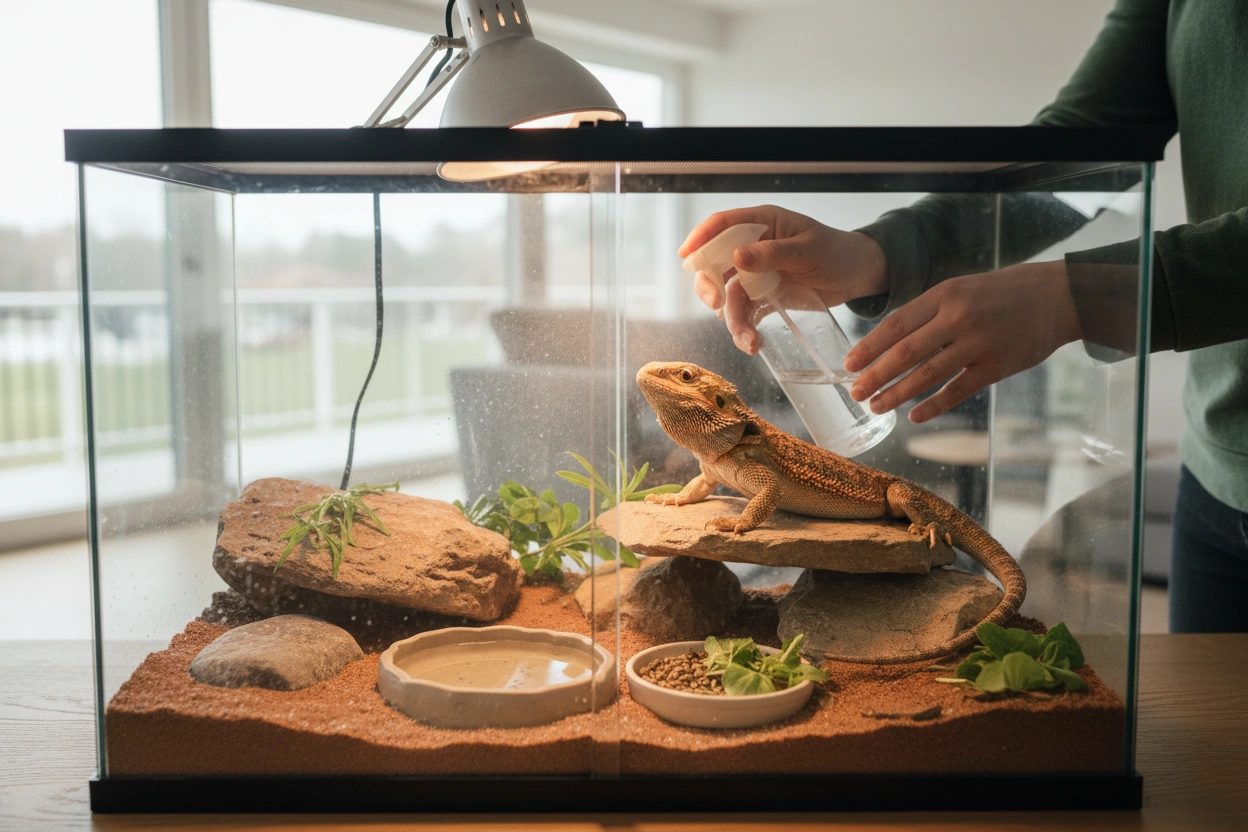
- Temperature Control: Reptiles require specific temperature ranges to thrive. Use heat lamps or under-tank heating pads to maintain the appropriate temperature gradient.
- Humidity Levels: Many reptiles require specific humidity levels. Use hygrometers to monitor humidity and mist the habitat as needed.
- Enrichment: Include climbing structures, hiding spots, and water sources to keep your reptile engaged and comfortable.
Diet and Nutrition
Providing a balanced diet is essential for your reptile's health. Research the specific dietary needs of your chosen species, as they can vary significantly. Common dietary needs include:
- Insects: Many reptiles thrive on a diet of live insects like crickets, mealworms, and roaches.
- Vegetation: Herbivorous reptiles require a variety of fresh greens and vegetables.
- Supplements: Use calcium and vitamin supplements to ensure your reptile receives the necessary nutrients.
Top 10 Endangered Reptile Species and Their Conservation
While many reptiles make excellent pets, it is crucial to recognize that numerous species are facing extinction. Here are ten endangered reptiles and the conservation efforts aimed at protecting them:
Hawksbill Sea Turtle (Eretmochelys imbricata)
- This critically endangered species is threatened by habitat loss and illegal trade. Conservation efforts focus on protecting nesting sites and reducing bycatch.
Amur Monitor (Varanus amurensis)
- Found in Russia and China, the Amur monitor is endangered due to habitat destruction. Conservation programs aim to protect their natural habitats and raise awareness.
Psychedelic Rock Gecko (Cnemaspis psychedelica)
- This colorful gecko is critically endangered due to illegal pet trade. Conservation efforts include habitat protection and breeding programs.
Burmese Star Tortoise (Geochelone platynota)
- Once abundant, this tortoise is now critically endangered due to poaching. Conservation programs focus on captive breeding and habitat restoration.
Philippine Crocodile (Crocodylus mindorensis)
- This critically endangered crocodile species is threatened by habitat loss and hunting. Conservation efforts include breeding programs and habitat protection initiatives.
Western Pond Turtle (Actinemys marmorata)
- Endangered due to habitat loss and competition from invasive species, conservation programs focus on habitat restoration and population monitoring.
Bornean Bornean Sea Turtle (Natator depressus)
- This critically endangered turtle faces threats from habitat loss and poaching. Conservation efforts include protecting nesting sites and reducing bycatch.
Sunda Pangolin (Manis javanica)
- Though not a reptile, the Sunda pangolin's plight highlights the importance of conservation. Efforts focus on reducing poaching and habitat destruction.
Gharial (Gavialis gangeticus)
- This critically endangered crocodilian faces threats from habitat loss and fishing. Conservation programs focus on breeding and habitat restoration.
Chinese Alligator (Alligator sinensis)
- Endangered due to habitat destruction and hunting, conservation efforts include habitat restoration and breeding programs.
Importance of Conservation
The plight of endangered reptiles highlights the importance of conservation efforts. By supporting organizations dedicated to protecting these species, individuals can contribute to the preservation of biodiversity and the health of ecosystems.
The Role of Education and Awareness
Education plays a pivotal role in reptile conservation. Raising awareness about the challenges these animals face can lead to increased support for conservation initiatives. Here are a few ways to get involved:
- Support Local Conservation Programs: Many organizations work to protect endangered reptiles. Consider donating or volunteering your time.
- Educate Others: Sharing knowledge about reptile care and conservation can inspire others to take action.
- Advocate for Policy Changes: Support legislation aimed at protecting endangered species and their habitats.
Embracing the Reptile Journey with Banana Slug Club
The world of reptiles is both captivating and rewarding, especially for first-time owners. As you embark on your journey of choosing the best reptile species, remember that knowledge is key to success. With the right care and commitment, these unique animals can thrive and bring joy to your life.
At Banana Slug Club, we are dedicated to promoting responsible pet ownership and conservation awareness. Whether you're looking to learn more about reptile care or get involved in conservation efforts, we offer resources and support to help you along the way.
Visit Banana Slug Club to explore our resources and connect with fellow reptile enthusiasts. Together, we can make a difference in the lives of reptiles and promote a healthier planet for all living creatures.




.svg)
.svg)