The plight of endangered animals is a pressing concern in today's world. As biodiversity continues to decline at an alarming rate, understanding the impact of losing these species is crucial not only for the environment but also for human well-being. Endangered animals play vital roles in their ecosystems, maintaining the balance necessary for life. In this article, we will explore the significance of these species, the conservation efforts underway to protect them, and highlight the top ten endangered animals you need to know about.

Endangered animals are integral to the health of ecosystems. Each species contributes uniquely to its environment, whether through pollination, seed dispersal, or maintaining prey populations. For instance, apex predators like wolves help regulate the populations of herbivores, which in turn affects vegetation and overall landscape health. This interdependence illustrates how the extinction of a single species can lead to cascading effects throughout the ecosystem, ultimately impacting human resources such as food and clean water.
Beyond ecological importance, endangered animals also hold significant cultural and economic value. Many communities rely on wildlife for tourism, which can be a substantial economic driver. The loss of iconic species can diminish tourism revenue and affect local economies. Furthermore, certain animals have cultural significance, representing heritage and identity. Protecting these species is not just about conservation; it is also about preserving the cultural fabric of societies that coexist with wildlife.
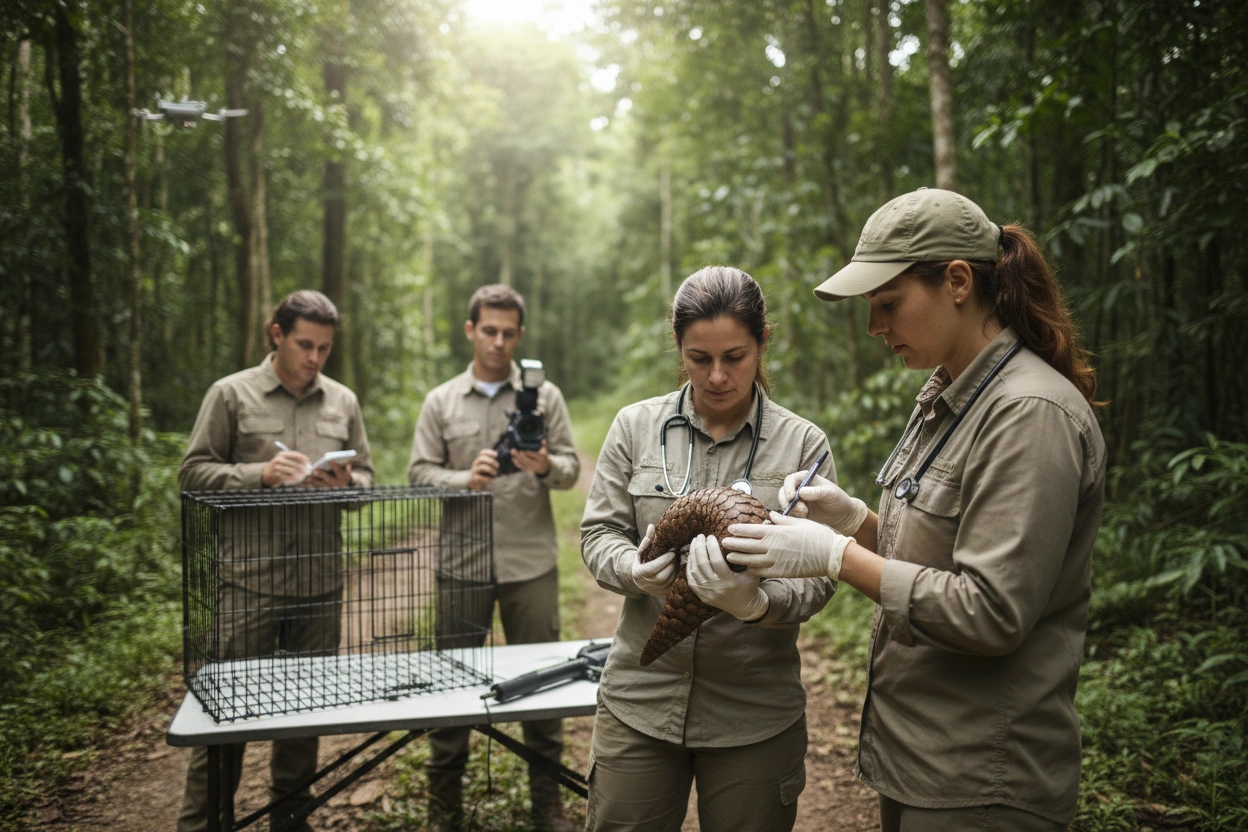
Conservation efforts for endangered animals involve a variety of global initiatives and agreements aimed at protecting biodiversity. Organizations such as the International Union for Conservation of Nature (IUCN) and the World Wildlife Fund (WWF) work tirelessly to create awareness, advocate for policy changes, and support on-the-ground conservation projects. These efforts often include habitat preservation, legal protections, and community engagement to ensure sustainable coexistence.
While global efforts are essential, local actions are equally vital for the success of conservation initiatives. Communities play a crucial role in protecting endangered animals through various strategies, including habitat restoration, wildlife corridors, and anti-poaching measures. Engaging local populations ensures that conservation efforts are culturally appropriate and economically beneficial, fostering a sense of ownership and responsibility towards wildlife.
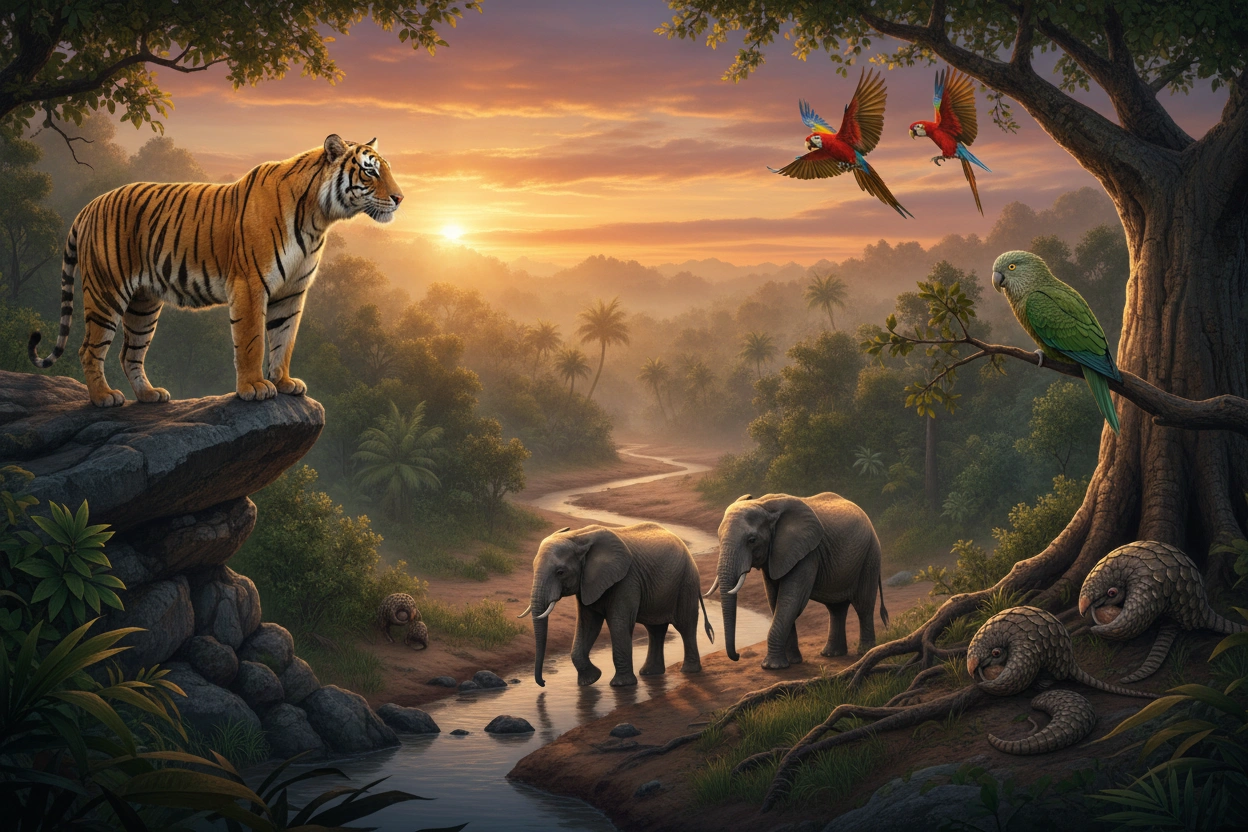
Understanding the specific species that are at risk of extinction is crucial for driving conservation efforts. Here are ten endangered animals that highlight the diversity of life on our planet and the urgent need for their protection.
The Amur leopard, native to the temperate forests of the Russian Far East and Northeast China, is one of the rarest big cats in the world. With fewer than 100 individuals left in the wild, habitat loss and poaching are significant threats to its survival. Conservation efforts focus on habitat preservation and anti-poaching initiatives.
The vaquita is a small porpoise found only in the Gulf of California, Mexico. With an estimated population of fewer than 30 individuals, it is the most endangered marine mammal. The primary threat to vaquitas is bycatch from illegal gillnets used for fishing another endangered species, the totoaba. Conservationists are working to ban these nets and promote sustainable fishing practices.
Once widespread across Southeast Asia, the Javan rhino is now limited to a single population in Ujung Kulon National Park, Indonesia. With only about 76 individuals remaining, habitat loss and poaching for their horns are critical threats. Conservation efforts include habitat protection and monitoring of the remaining population.
The Sumatran orangutan is critically endangered due to habitat destruction caused by palm oil plantations and illegal logging. With approximately 14,000 individuals left, conservation efforts focus on protecting their rainforest habitat and promoting sustainable palm oil production.
Snow leopards inhabit the mountain ranges of Central and South Asia and are threatened by habitat loss, poaching, and retaliatory killings by herders. With an estimated population of 4,000 to 6,500 individuals, conservation efforts include community-based programs that promote coexistence between snow leopards and livestock.
The African elephant faces threats from poaching for ivory and habitat loss. With populations declining significantly in recent years, conservation strategies include anti-poaching efforts, community engagement, and habitat restoration. Protecting elephants is crucial for maintaining ecosystem balance, as they are key seed dispersers.
The golden toad, native to the cloud forests of Costa Rica, has not been seen since 1989 and is considered extinct. Its decline is attributed to climate change and habitat loss. This species serves as a warning for the impacts of global warming on biodiversity.
The blue whale, the largest animal on the planet, is endangered due to historical whaling and ongoing threats from ship strikes and climate change. Conservation efforts focus on protecting their feeding grounds and reducing ship traffic in critical areas.
As one of the most powerful birds of prey, the Philippine eagle is critically endangered, with only about 400 pairs left. Deforestation and hunting are the primary threats. Conservation programs emphasize habitat protection and breeding programs to bolster populations.
The Yangtze giant softshell turtle is one of the rarest turtles in the world, with only three known individuals remaining. Habitat destruction and hunting have led to its decline. Conservationists are working on captive breeding and habitat protection to save this species from extinction.
Many people believe that endangered animals are only found in remote or exotic locations. However, many endangered species inhabit regions close to urban areas. For example, the Eastern box turtle is common in suburban gardens but faces threats from habitat loss and road mortality. Awareness and conservation efforts can occur in local communities, making a significant impact.
While government initiatives are crucial, conservation is a shared responsibility. Individuals and communities can contribute significantly through local conservation efforts, advocacy, and responsible consumption choices. Supporting sustainable products and wildlife-friendly practices can help protect endangered species.
Not all endangered species face the same level of threat. Some species, like the vaquita, are critically endangered with extremely low populations, while others may be endangered but have larger populations. Understanding the nuances of each species' situation is essential for effective conservation strategies.
Understanding endangered animals and their role in biodiversity is crucial for maintaining the health of our planet. The conservation efforts highlighted in this article show that protecting these species is not just about saving individual animals; it is about preserving ecosystems and ensuring a sustainable future for all life on Earth.
Banana Slug Club is dedicated to supporting initiatives that promote biodiversity and conservation. By joining us, you can be part of the solution in protecting endangered animals and the rich ecosystems they inhabit.
To learn more about how you can make a difference, visit Banana Slug Club. Together, we can contribute to a healthier planet and a brighter future for endangered species.
Get free resources, early access to new features and updates.
No spam. Just fun educational emails!


.svg)
.svg)