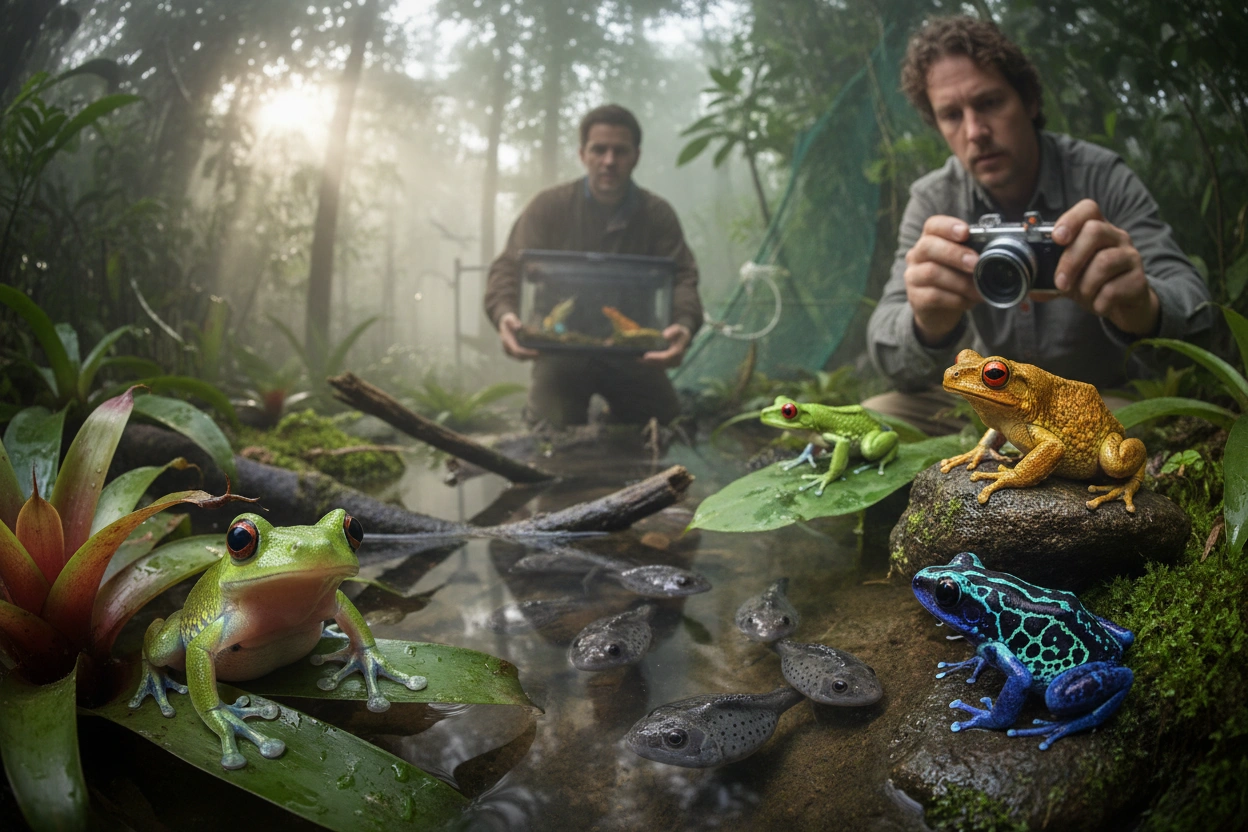
The plight of endangered animals is a pressing concern in our rapidly changing world. As habitats shrink and human activities encroach on wildlife territories, the numbers of various species are dwindling at an alarming rate. Conservation efforts play a vital role in reversing this trend and ensuring that future generations can experience the rich biodiversity our planet has to offer. This article delves into the significance of top conservation efforts, highlights the top ten endangered animals you need to know about, and provides actionable insights on how we can collectively contribute to their preservation.
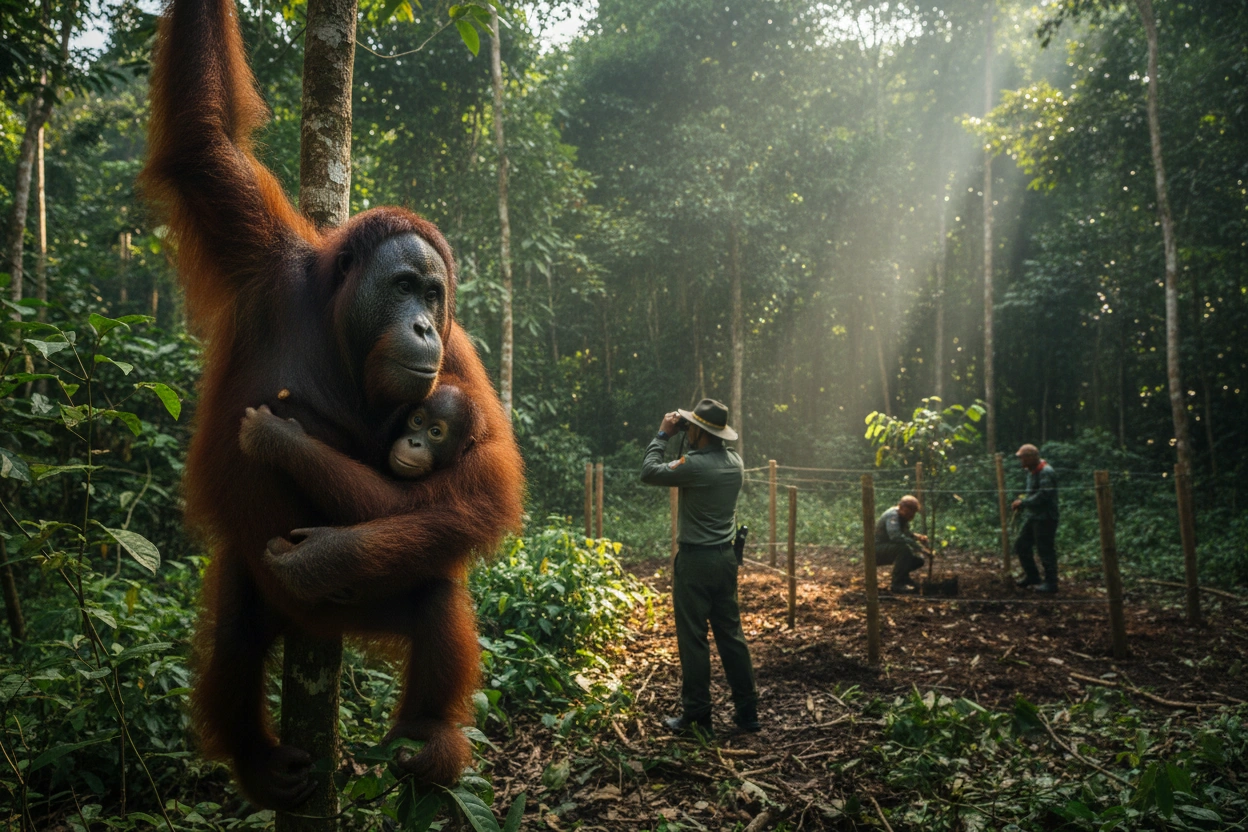
Conservation efforts encompass a wide array of activities aimed at protecting and restoring the natural environment, thereby safeguarding endangered species and their habitats. These efforts are crucial not only for the survival of the species themselves but also for the overall health of the ecosystems they inhabit. Healthy ecosystems provide essential services, such as clean air, water purification, and carbon sequestration, which are vital for human survival as well.
One of the primary goals of conservation is to halt the decline of endangered animals, which are often indicators of environmental health. When species become endangered, it signals that something is wrong within their ecosystem. By focusing on the protection of these animals, conservationists can address broader environmental issues that affect all living organisms, including humans. Furthermore, public awareness and engagement in conservation initiatives can foster a sense of responsibility and stewardship for our planet.
Legislation and policy frameworks play a significant role in conservation efforts. Laws such as the Endangered Species Act in the United States provide legal protections to endangered animals and their habitats. This act not only restricts activities that could harm these species but also promotes recovery plans aimed at restoring their populations.
International agreements, such as the Convention on International Trade in Endangered Species of Wild Fauna and Flora (CITES), regulate the trade of endangered species to prevent exploitation. These legal frameworks are essential for ensuring that conservation efforts are effective and that endangered animals receive the protection they need. However, enforcement of these laws can be challenging, highlighting the need for increased funding and public support for conservation initiatives.
Grassroots movements and community involvement are vital components of successful conservation efforts. Local communities often have a deep understanding of their environment and can provide valuable insights into the challenges faced by endangered species. Engaging communities in conservation initiatives can lead to more sustainable practices that benefit both wildlife and local economies.
Education plays a crucial role in raising awareness about endangered animals and the importance of conservation. Schools, NGOs, and wildlife organizations can collaborate to create educational programs that inform the public about the threats facing these species and the actions they can take to help. By fostering a culture of conservation, we can inspire future generations to prioritize the health of our planet.
Understanding the specific animals that are currently endangered is essential for effective conservation efforts. Here are ten endangered animals that are at critical risk and deserve our attention:
The Amur leopard, native to the temperate forests of the Russian Far East and Northeast China, is one of the rarest big cats in the world. With fewer than 100 individuals left, habitat loss and poaching are the primary threats to its survival. Conservation efforts include anti-poaching measures and habitat restoration.
The Vaquita is a small porpoise found in the northern part of the Gulf of California, Mexico. With an estimated population of only 30 individuals, it is considered the most endangered marine mammal. Illegal fishing and bycatch in gillnets pose significant threats. Conservation actions focus on banning gillnets and promoting sustainable fishing practices.
The Javan rhino, primarily located in Ujung Kulon National Park in Indonesia, is critically endangered with only about 80 individuals remaining. Habitat destruction and poaching are the leading causes of its decline. Conservation efforts involve habitat protection and monitoring of the remaining population.
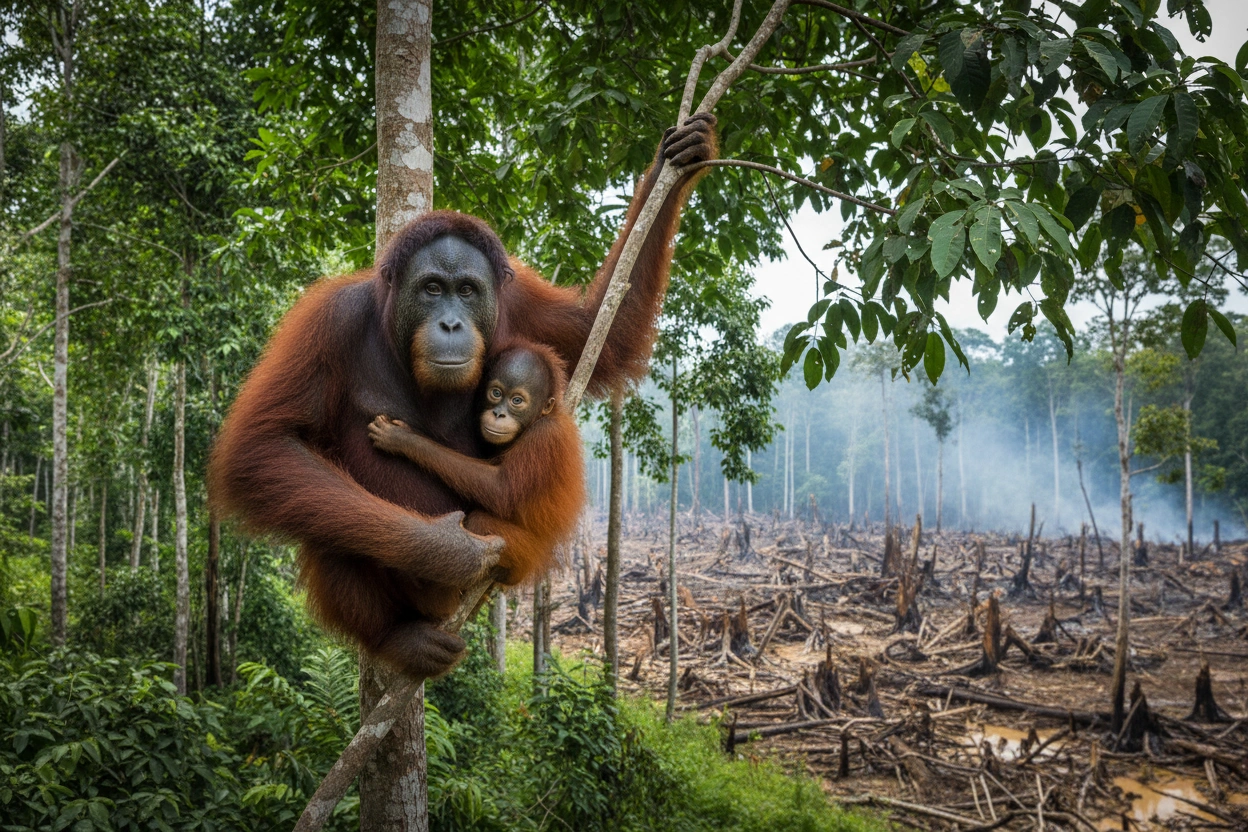
Native to the rainforests of Sumatra, Indonesia, the Sumatran orangutan faces severe threats from deforestation and habitat fragmentation. With approximately 14,000 individuals left, conservation initiatives focus on protecting their habitat and rehabilitation of displaced orangutans.
Snow leopards inhabit the mountain ranges of Central and South Asia. With an estimated population of 4,000 to 6,500 individuals, they face threats from poaching and retaliatory killings by herders. Conservation efforts include community engagement and promoting coexistence strategies.
The Northern white rhino is on the brink of extinction, with only two females remaining. Intensive conservation efforts, including artificial insemination and habitat protection, aim to save this subspecies from extinction.
The Hawksbill turtle, known for its beautiful shell, is critically endangered due to illegal trade and habitat loss. Conservation efforts focus on protecting nesting sites and reducing bycatch in fishing operations.
Similar to its Sumatran counterpart, the Bornean orangutan is endangered due to habitat destruction and poaching. With an estimated 55,000 individuals left, conservation strategies include habitat preservation and sustainable palm oil initiatives.
The African wild dog is one of the most endangered carnivores in Africa, with only 6,000 individuals remaining. Habitat loss and human-wildlife conflict are significant threats. Conservation efforts involve habitat protection and community education.
Once on the brink of extinction, the California condor has made a remarkable recovery due to intensive conservation efforts. However, it remains critically endangered with only about 500 individuals. Continued efforts focus on habitat preservation and lead poisoning prevention.
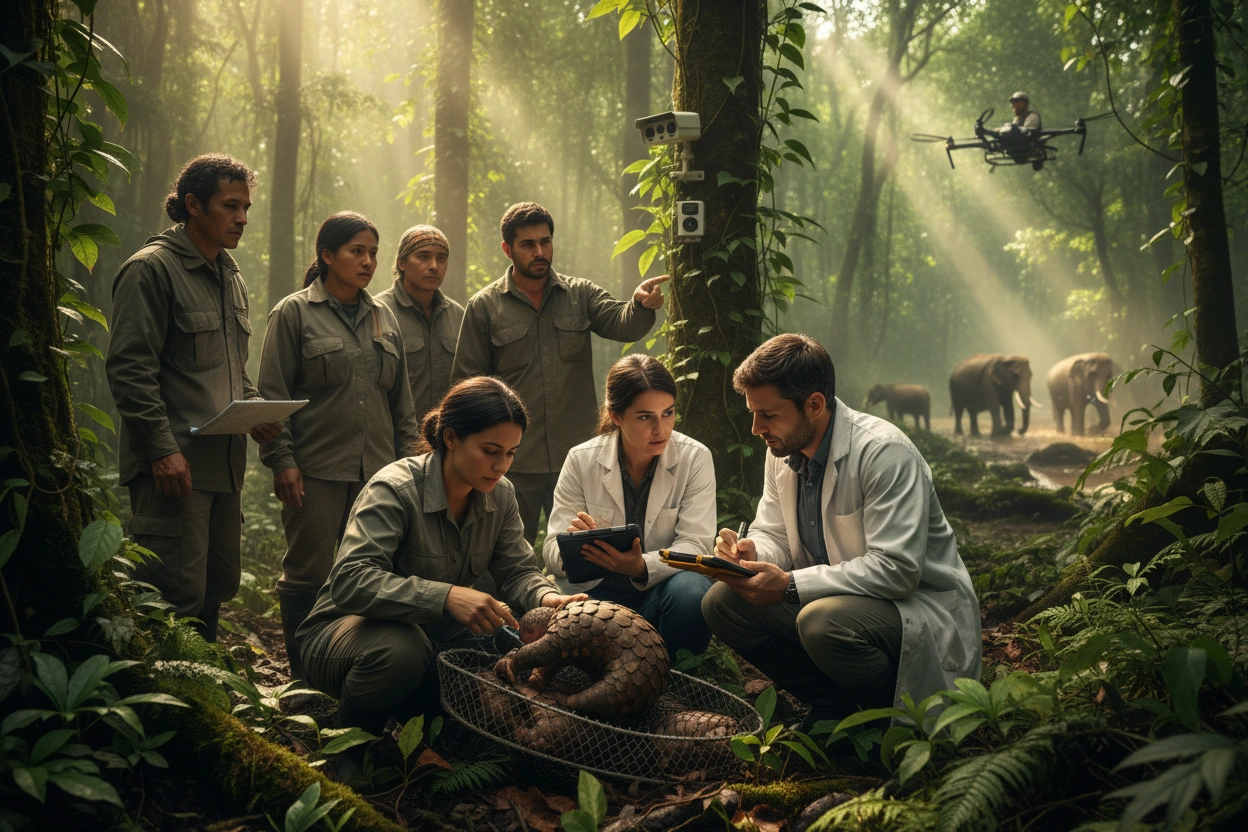
Individuals can play a significant role in supporting conservation efforts for endangered animals. Here are several practical ways to get involved:
Knowledge is power. Understanding the challenges facing endangered animals and the importance of conservation can help raise awareness. Consider organizing educational workshops or discussions in your community to spread the word.
Encourage sustainable practices in your community. This can include advocating for responsible consumption, supporting local businesses that prioritize sustainability, and reducing waste.
Many organizations actively work towards the protection of endangered animals. Volunteering your time can be a rewarding way to contribute directly to conservation efforts. Look for local wildlife organizations or global initiatives that align with your interests.
Engage in advocacy efforts to support policies that protect endangered species and their habitats. Contact your local representatives to express your concerns and support for conservation legislation.
Financial contributions to reputable conservation organizations can significantly impact their ability to protect endangered species. Research organizations that have a proven track record of success and consider making a donation or becoming a member.
Support conservation efforts by reducing your carbon footprint through energy conservation, using public transportation, and supporting renewable energy initiatives, you can help mitigate these effects.
The role of conservation efforts in saving endangered animals cannot be overstated. It is a multifaceted approach that requires the collaboration of governments, organizations, and individuals alike. By understanding the importance of these efforts and actively participating in them, we can create a more sustainable future for our planet's wildlife.
At Banana Slug Club, we are committed to fostering a culture of conservation and community engagement. We believe that by working together, we can make a significant impact on the preservation of endangered animals and their habitats. Our initiatives are designed to educate and empower individuals to take action, ensuring that future generations will inherit a rich and diverse natural world.
If you're passionate about making a difference and want to learn more about how you can support conservation efforts, we encourage you to contact Banana Slug Club. Together, we can help create a brighter future for endangered animals and the ecosystems they inhabit.
Get free resources, early access to new features and updates.
No spam. Just fun educational emails!


.svg)
.svg)