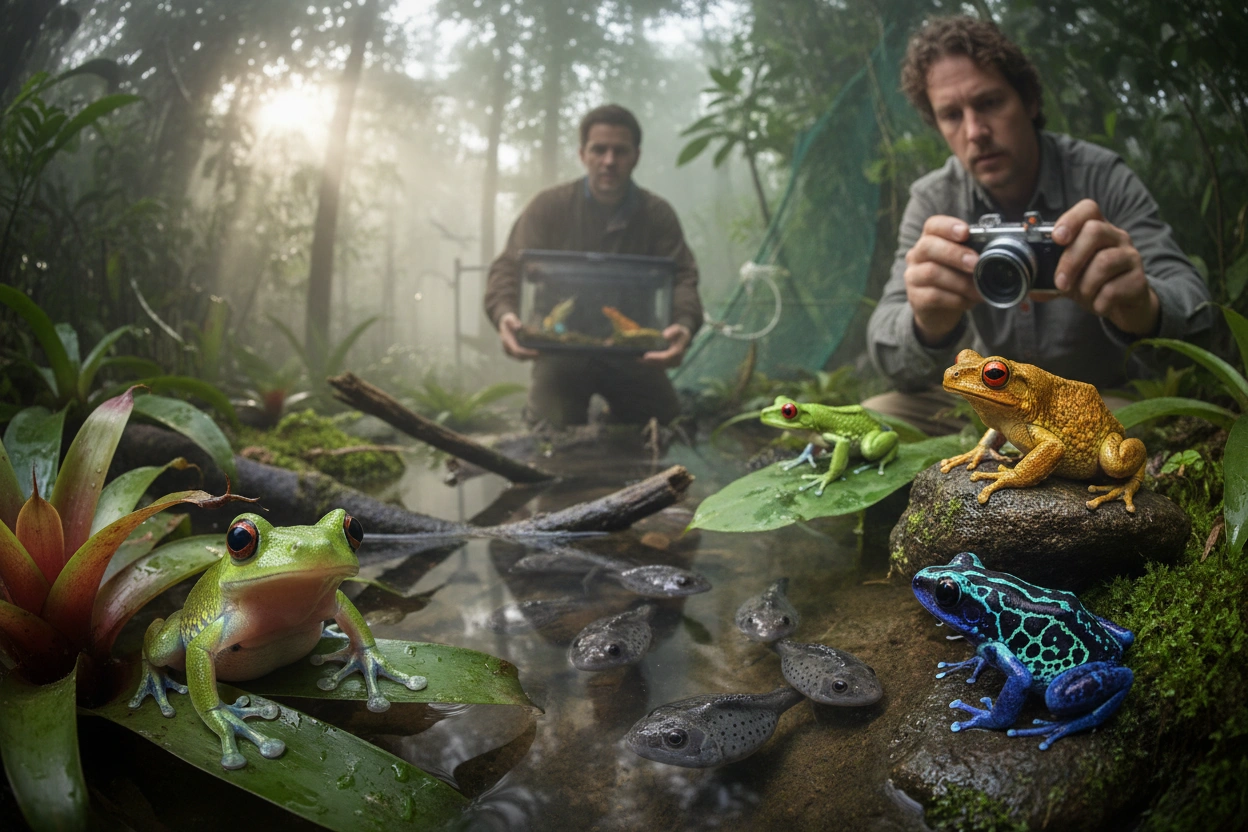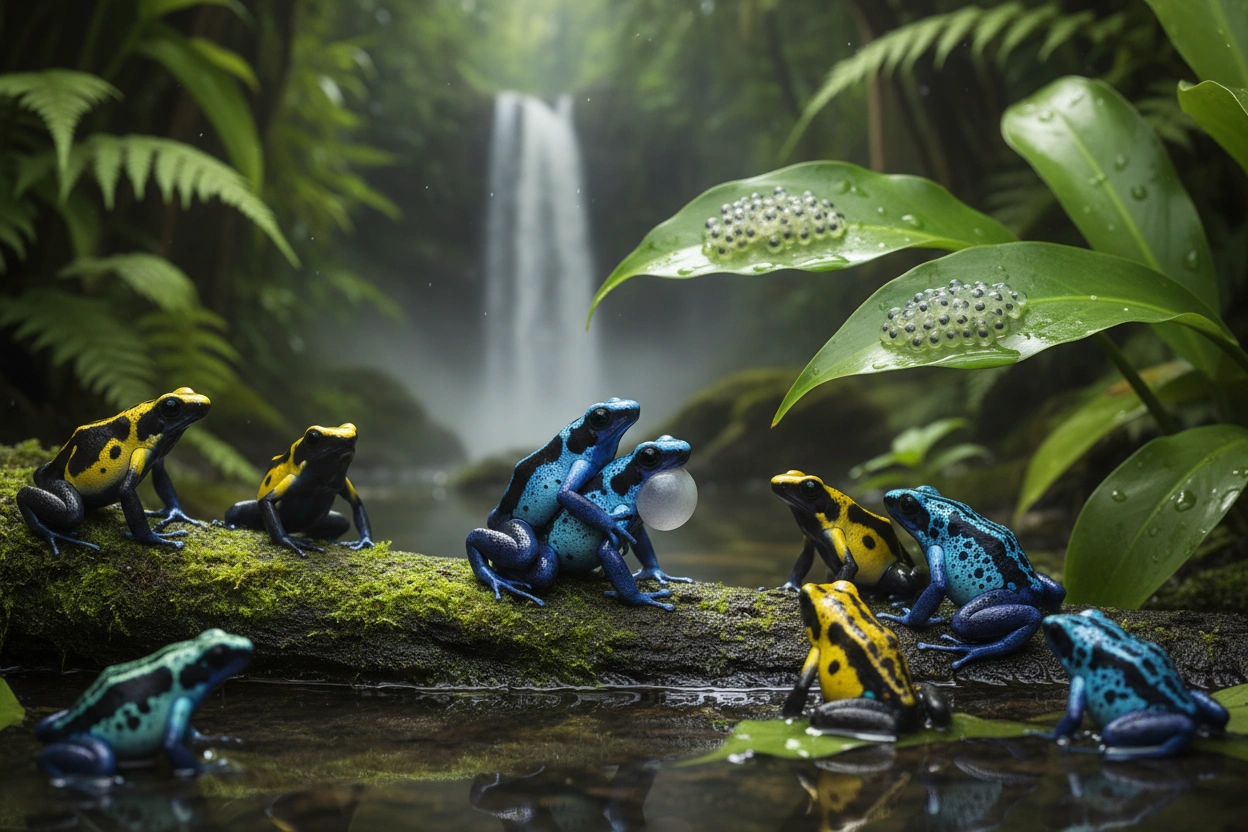
Amphibians, a diverse group of animals that includes frogs, toads, salamanders, and newts, exhibit a wide array of fascinating behaviors, especially during their amphibian mating behaviors. These rituals not only serve to ensure the continuation of their species but also reflect the complex relationships that exist within their ecosystems. As we delve into the intriguing world of amphibian mating behaviors, we will also explore the critical conservation efforts aimed at protecting these essential creatures and their habitats.
In 2026, amphibians face numerous challenges, including habitat destruction, climate change, and disease. Understanding their mating behaviors can provide insights into their ecological roles and highlight the importance of conservation. This article will cover the intricacies of amphibian mating rituals, the environments they thrive in, and the top ten conservation efforts that are vital for their survival.

One of the most distinctive features of amphibian mating behavior is the use of vocalizations. Male frogs, in particular, are known for their loud and varied calls, which serve to attract females. These calls can differ significantly between species, often varying in pitch, duration, and intensity. For instance, the common green frog produces a low-pitched "jug-o-rum" sound, while the spring peeper emits a high-pitched "peep."
The purpose of these calls goes beyond attracting mates; they also serve to establish territory among males. By vocalizing, a male signals his presence to both potential mates and rival males, thus reducing the likelihood of physical confrontations. This aspect of amphibian behavior showcases the evolutionary adaptations that facilitate reproductive success in challenging environments.
In addition to vocalizations, many amphibians engage in elaborate courtship displays. These displays can include visual signals such as body movements, color changes, or even the presentation of specific body parts. For example, the male fire-bellied toad showcases its brightly colored belly during courtship to attract females, signaling both health and genetic fitness.
Courtship rituals can be highly species-specific, involving synchronized movements or complex patterns of interaction. These behaviors not only enhance mate selection but also reinforce pair bonds, which can be crucial for species that exhibit parental care. Understanding these displays can provide insight into the social structures and reproductive strategies of amphibians.
The breeding success of amphibians is closely tied to their habitats. Most species require specific environmental conditions to thrive, including access to clean water, appropriate temperatures, and suitable vegetation. Frogs, for instance, often breed in temporary ponds that provide the necessary conditions for their eggs to develop.
The selection of breeding sites can also influence mating behaviors. Amphibians often exhibit site fidelity, returning to the same breeding grounds year after year. This behavior highlights the importance of preserving these habitats, as disruptions can lead to declines in amphibian populations. Understanding the relationship between habitat quality and amphibian mating success can inform conservation strategies aimed at protecting these vital ecosystems.
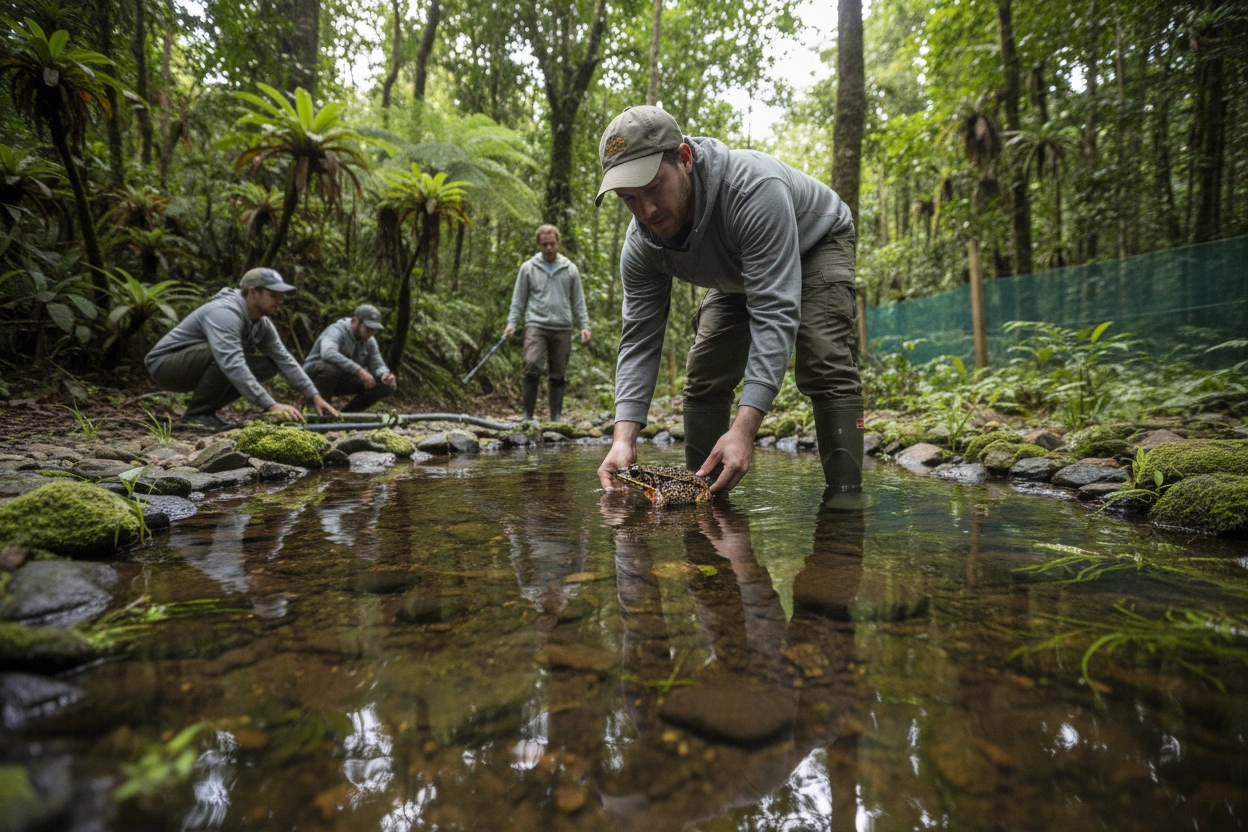
As amphibians face unprecedented threats, numerous conservation efforts are underway to protect their populations and habitats. Here are ten significant initiatives that you can support to help ensure the survival of these remarkable creatures.
Habitat Restoration Projects
Organizations around the world are actively engaged in restoring wetlands, ponds, and forests that serve as critical habitats for amphibians. Supporting these projects can significantly enhance local biodiversity.
Protected Areas and Reserves
Establishing protected areas is essential for conserving amphibian populations. These reserves safeguard natural habitats from urban development and agricultural expansion, allowing ecosystems to thrive.
Education and Awareness Campaigns
Raising public awareness about importance of amphibians and their ecological roles is vital. Conservation organizations often run educational programs to inform communities about the importance of amphibians and how to protect them.
Research and Monitoring Programs
Ongoing research is crucial for understanding amphibian populations and their health. Supporting scientific studies can help identify threats and develop effective conservation strategies.
Legislation and Policy Advocacy
Advocating for laws and policies that protect amphibians and their habitats is a powerful way to contribute to conservation efforts. Engaging in local or national campaigns can help drive change.
Citizen Science Initiatives
Participating in citizen science projects allows individuals to contribute to data collection and monitoring of amphibian populations. These efforts can be instrumental in tracking changes over time.
Breeding Programs
Captive breeding programs aim to bolster declining amphibian populations by breeding them in controlled environments and reintroducing them into the wild. Supporting these initiatives can help prevent extinction.
Disease Management Strategies
Diseases such as chytridiomycosis pose significant threats to amphibian populations. Supporting research into disease management and prevention can aid in protecting vulnerable species.
Sustainable Practices
Promoting sustainable agricultural and land-use practices helps minimize habitat destruction and pollution, which are detrimental to amphibians. Supporting initiatives that advocate for sustainable practices can have a lasting impact.
Community Engagement
Encouraging local communities to engage in conservation efforts fosters a sense of stewardship for amphibians. Participating in local clean-up events or conservation workshops can strengthen community ties to their natural environment.
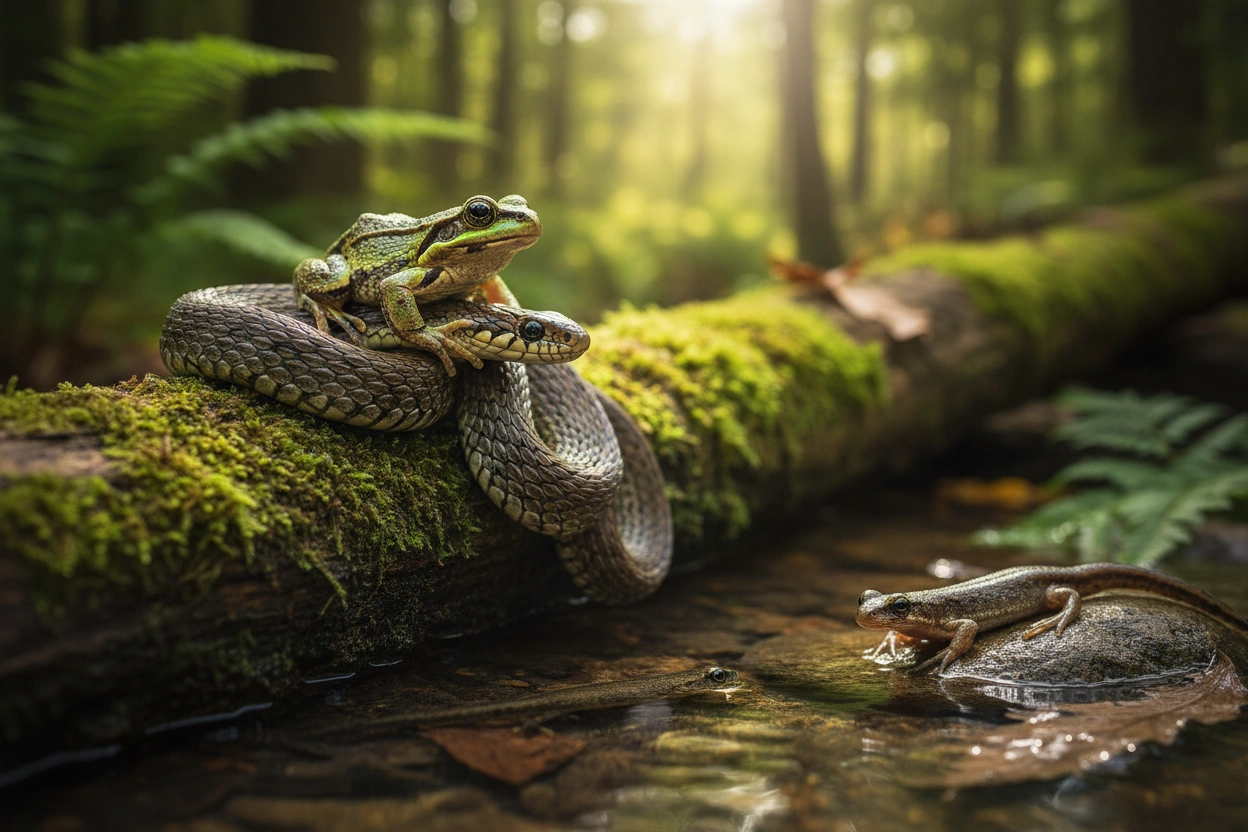
One common misconception is that amphibians are synonymous with frogs. While frogs are indeed a significant subgroup, amphibians encompass a diverse range of species, including salamanders and caecilians. Each group has unique characteristics and adaptations that contribute to the overall diversity of the class Amphibia.
Another misconception is that amphibians can thrive in any environment. In reality, most amphibians are highly specialized and require specific habitats to survive. Factors such as moisture levels, temperature, and the presence of clean water are crucial for their well-being.
While some amphibians possess toxic skin secretions as a defense mechanism, not all species are poisonous. This misconception can lead to unnecessary fear and misunderstanding. Many amphibians play vital roles in their ecosystems and should be appreciated rather than feared.
The decline of amphibian populations is a significant indicator of environmental health. Amphibians serve as bioindicators, meaning their presence and health can reflect the overall condition of ecosystems. As they are sensitive to changes in their environments, monitoring amphibian populations can provide early warnings about broader ecological issues.
Conserving amphibians is not only crucial for their survival but also for maintaining the balance of ecosystems. Amphibians contribute to pest control, nutrient cycling, and serve as prey for a variety of predators. Their decline can lead to cascading effects throughout food webs, emphasizing the interconnectedness of life on Earth.
Individual actions can collectively make a significant impact on amphibian conservation. Here are some practical steps you can take to contribute:
Amphibians exhibit a remarkable range of behaviors and adaptations that highlight their importance in our ecosystems. From their unique mating rituals to their roles as bioindicators, these creatures are essential for maintaining ecological balance. The conservation efforts discussed not only aim to protect amphibians but also ensure the health of our environment.
The Banana Slug Club is dedicated to promoting awareness and conservation of amphibians and their habitats. By supporting initiatives that protect these remarkable creatures, we can contribute to a healthier planet for future generations.
If you are interested in learning more about amphibians and how you can help, consider visiting the Banana Slug Club. Your involvement can make a difference in the lives of these fascinating animals and the ecosystems they inhabit.
By engaging with the Banana Slug Club, you can stay informed and participate in meaningful conservation efforts that impact amphibian populations and their habitats. Together, we can ensure a future where these remarkable creatures continue to thrive in our world.
Get free resources, early access to new features and updates.
No spam. Just fun educational emails!


.svg)
.svg)