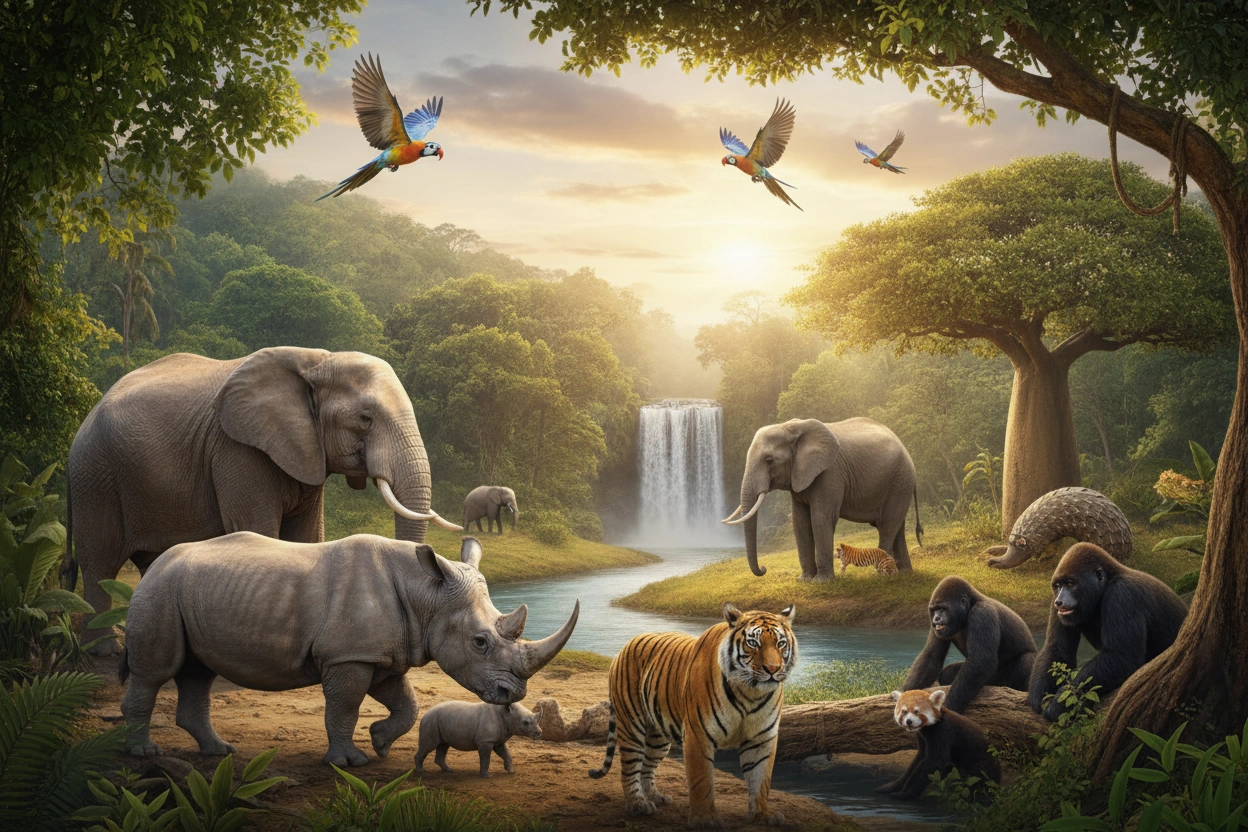
The world is home to a rich tapestry of biodiversity, but the alarming rate of species extinction has cast a shadow over our planet's future. As of June 2026, conservation efforts have become more crucial than ever, with endangered animals facing unprecedented challenges. However, amidst this bleak scenario, there are glimmers of hope. Several conservation success stories highlight the resilience of nature and the effective strategies that can bring endangered species back from the brink.
In this article, we will explore the top 10 endangered animals you need to know about and delve into the biodiversity efforts that have made significant strides in their recovery. By understanding these inspiring stories, we can appreciate the importance of conservation and the collective efforts required to protect our planet's wildlife.

Conservation efforts are critical in addressing the decline of endangered animals. These initiatives encompass a range of strategies, from habitat restoration to anti-poaching measures, aimed at safeguarding vulnerable species. The significance of these efforts cannot be overstated, as they help maintain biodiversity, which is essential for ecosystem stability.
Endangered animals are species that face a high risk of extinction in the wild. This classification can be due to various factors, including habitat loss, climate change, poaching, and invasive species. The International Union for Conservation of Nature (IUCN) categorizes species into different levels of threat, from vulnerable to critically endangered. Awareness of these categories helps prioritize conservation strategies and allocate resources effectively.
Numerous organizations worldwide are dedicated to the conservation of endangered animals. These organizations work tirelessly to implement conservation strategies, conduct research, and raise awareness about the plight of vulnerable species. They collaborate with governments, local communities, and other stakeholders to create effective conservation efforts.
These organizations are instrumental in driving initiatives that lead to successful conservation outcomes.

Understanding the challenges faced by endangered animals is crucial for effective conservation. Here are ten species that exemplify the urgent need for conservation efforts and showcase remarkable conservation success stories.
The Amur leopard, native to the temperate forests of the Russian Far East and Northeast China, is one of the rarest big cats in the world. With fewer than 100 individuals remaining in the wild, conservation efforts have focused on habitat protection and anti-poaching measures. The establishment of protected areas has contributed to a gradual increase in their population.
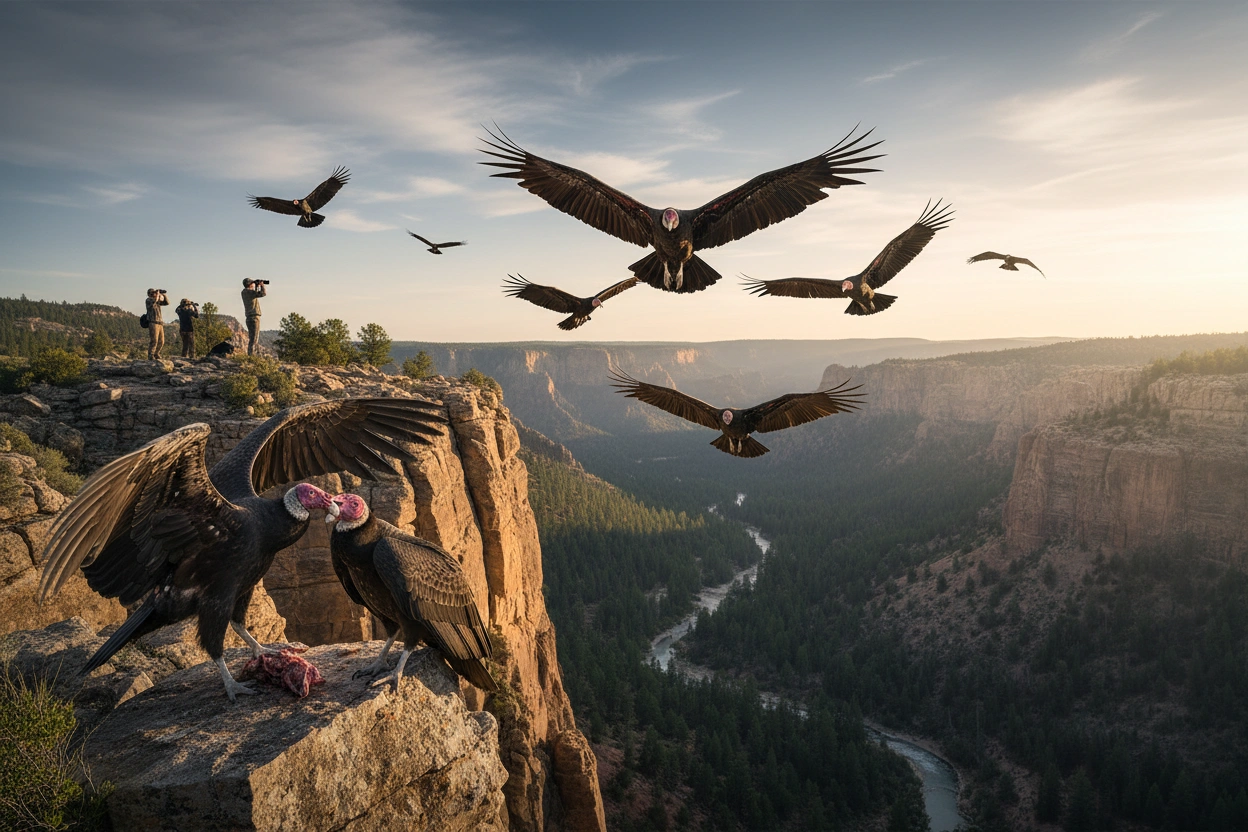
Once on the brink of extinction with only 27 individuals left in the 1980s, the California condor has made a remarkable recovery thanks to intensive breeding programs and habitat restoration. Today, there are over 500 California condors, with more than half living in the wild.
The Eastern lowland gorilla, primarily found in the rainforests of the Democratic Republic of the Congo, is critically endangered due to habitat loss and poaching. Conservation efforts include anti-poaching patrols and community education programs, leading to a stabilization of their population in some areas.
The black rhinoceros has faced severe population declines due to poaching for their horns. Conservation initiatives focusing on anti-poaching efforts and habitat protection have led to a population increase from fewer than 2,500 individuals in the 1990s to over 5,000 today.
The Sumatran orangutan is critically endangered, primarily due to habitat destruction from palm oil plantations. Conservation programs that promote sustainable agriculture and habitat restoration have been implemented, helping to stabilize and gradually increase their population.
Snow leopards are elusive big cats inhabiting the mountain ranges of Central and South Asia. With an estimated population of 4,000 to 6,500 individuals, conservation efforts focus on reducing human-wildlife conflict and promoting community-based conservation strategies that benefit both the species and local populations.
The Bornean pygmy elephant is the smallest subspecies of the Asian elephant and is critically endangered due to habitat fragmentation and poaching. Conservation efforts include habitat protection and community engagement to promote coexistence with local communities, resulting in a slight population increase in recent years.
The Javan rhino is one of the rarest large mammals in the world, with only about 80 individuals remaining in Ujung Kulon National Park, Indonesia. Conservation efforts have focused on habitat protection and monitoring to ensure their survival in this limited range.
The vaquita, a small porpoise found in the Gulf of California, is critically endangered with fewer than 30 individuals remaining. Conservation efforts involve strict fishing regulations and the establishment of marine protected areas to safeguard their habitat.
The Philippine eagle is one of the world's largest and most powerful birds of prey, but it is critically endangered due to habitat loss and hunting. Conservation initiatives include habitat restoration and community education programs that aim to protect this iconic species.
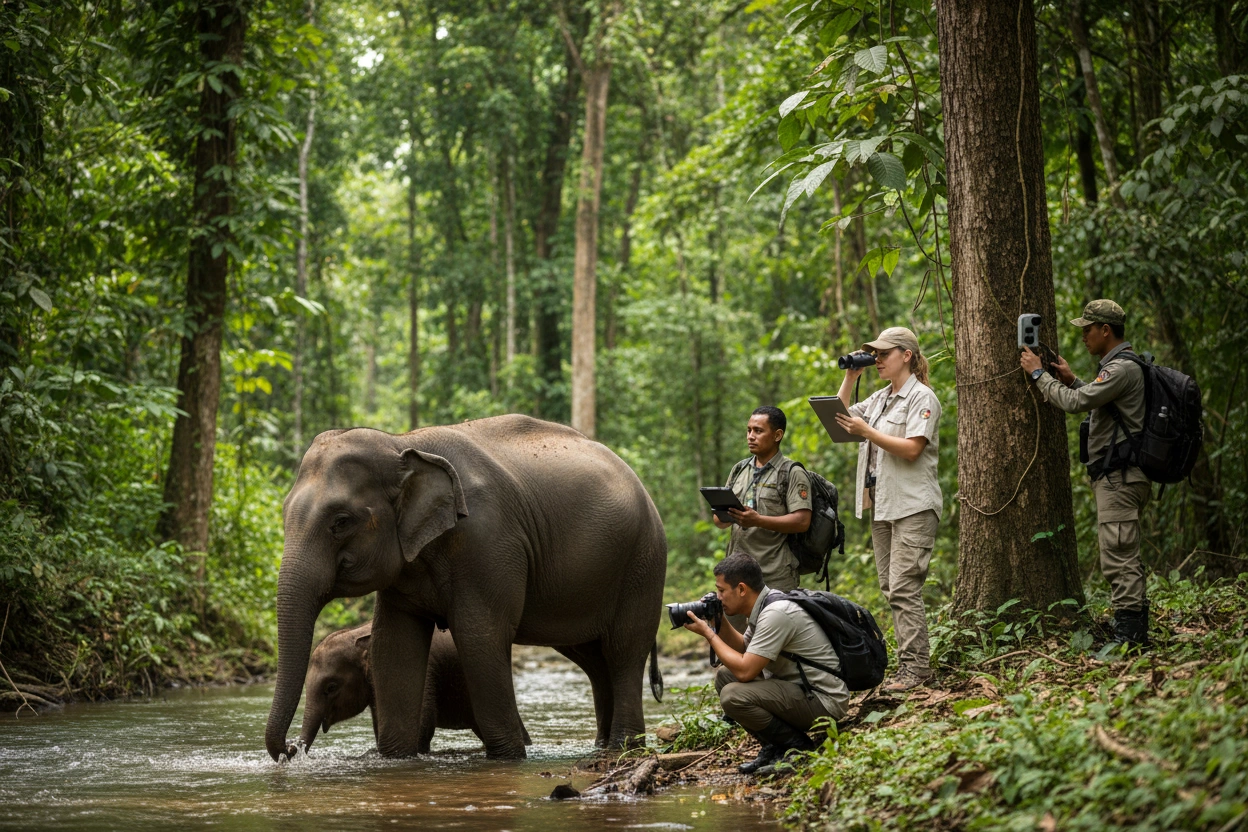
As individuals, we can play a role in supporting conservation efforts for endangered animals. Here are some actionable steps to consider:
Educate Yourself and Others: Understanding the challenges faced by endangered animals is the first step toward making a difference. Share your knowledge with friends and family to raise awareness.
Support Conservation Organizations: Consider donating to or volunteering with organizations dedicated to wildlife conservation. Your contributions can help fund critical projects that protect endangered species.
Adopt Sustainable Practices: Make conscious choices that reduce your ecological footprint. Opt for sustainable products, reduce plastic use, and support companies that prioritize ethical sourcing.
Advocate for Policy Change: Engage with local and national policymakers to promote legislation that protects wildlife and their habitats. Advocacy can lead to significant changes in conservation policy.
Participate in Citizen Science: Get involved in citizen science projects that contribute to wildlife monitoring and data collection. Your participation can aid researchers in understanding and protecting endangered species.
Technology has become an invaluable tool in conservation efforts. From tracking endangered animals using GPS collars to employing drones for habitat monitoring, innovative solutions are enhancing the effectiveness of conservation strategies.
Remote sensing technologies allow researchers to monitor changes in habitats and track the movement of endangered animals. This information is crucial for implementing effective conservation measures and understanding the impacts of climate change on wildlife.
Advancements in genetic research have improved breeding programs for endangered animals. By understanding genetic diversity, conservationists can make informed decisions about breeding pairs, enhancing the chances of survival for vulnerable populations.
Mobile applications and social media platforms are being utilized to engage communities in conservation efforts. By raising awareness and encouraging local participation, these tools foster a sense of ownership and responsibility toward wildlife protection.
Successful conservation efforts often hinge on the involvement of local communities. Engaging communities in the protection of endangered animals not only empowers them but also fosters sustainable practices that benefit both wildlife and people.
Community-based conservation programs involve local populations in the management and protection of natural resources. These initiatives often lead to better outcomes as communities are more likely to protect wildlife when they see direct benefits from conservation efforts.
Providing economic incentives for conservation can motivate communities to protect endangered animals. Programs that promote ecotourism or sustainable resource management can create livelihoods that align with conservation goals.
There are several misconceptions surrounding endangered animals and conservation efforts that can hinder progress.
Many people believe that conservation efforts only focus on well-known species like tigers and pandas. However, conservation is equally important for lesser-known species that play vital roles in their ecosystems.
While many endangered animals inhabit remote regions, urbanization and habitat destruction have brought some species closer to human populations. This reality underscores the need for conservation efforts in all environments.
Conservation is an ongoing process that requires sustained commitment and resources. Successful recovery of endangered animals demands continuous monitoring and adaptation of strategies based on changing conditions.
Looking ahead, the future of conservation for endangered animals hinges on collaboration, innovation, and education. As we face global challenges such as climate change and habitat loss, a united effort is essential to safeguard our planet's biodiversity.
Collaboration among governments, NGOs, researchers, and local communities is vital for effective conservation. By pooling resources and expertise, stakeholders can implement comprehensive strategies that address the multifaceted challenges facing endangered animals.
Education plays a crucial role in fostering a conservation mindset. By raising awareness about the importance of biodiversity and the threats faced by endangered animals, we can inspire individuals to take action and support conservation initiatives.
The conservation success stories of endangered animals remind us that hope is not lost. With concerted efforts, we can ensure that future generations inherit a world rich in biodiversity. Organizations like Banana Slug Club are dedicated to promoting wildlife conservation and educating the public about the significance of protecting endangered species.
Banana Slug Club is committed to fostering a deeper understanding of the challenges facing endangered animals and the efforts required to protect them. Through educational programs and community engagement, we aim to inspire individuals to take action in their own lives.
By supporting conservation initiatives and advocating for sustainable practices, we can all contribute to the recovery of endangered species.
Visit Banana Slug Club to learn more about how you can get involved in conservation efforts and make a meaningful impact on the future of endangered animals.
Get free resources, early access to new features and updates.
No spam. Just fun educational emails!


.svg)
.svg)