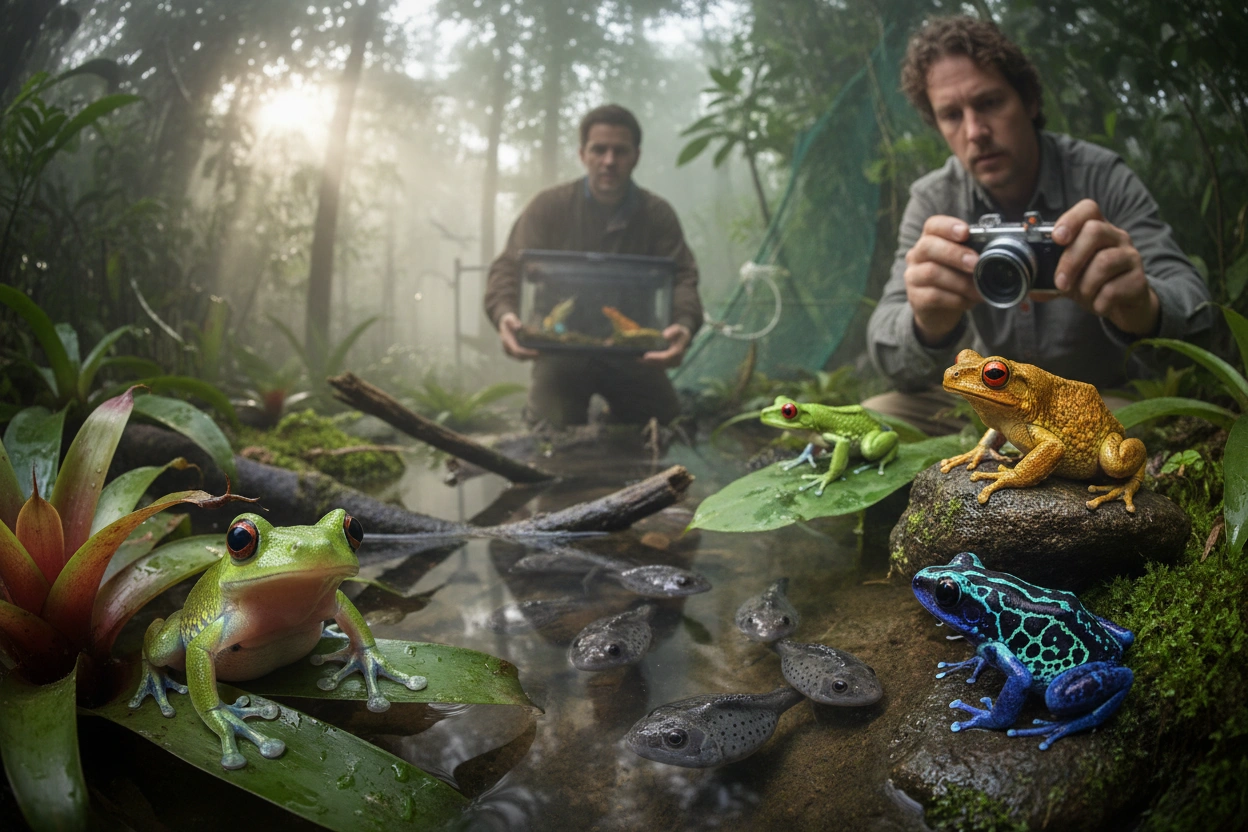
Reptiles have fascinated humans for centuries, serving as both pets and subjects of study. Their unique characteristics, diverse species, and manageable care requirements make them appealing companions for many. However, selecting the right reptile for your lifestyle requires careful consideration of various factors, including habitat needs, dietary requirements, and temperament. In this article, we will explore popular pet reptiles, their specific care needs, and how to choose the right one for you. Additionally, we will delve into the top ten endangered reptile species and their conservation status, shedding light on the importance of protecting these fascinating creatures.
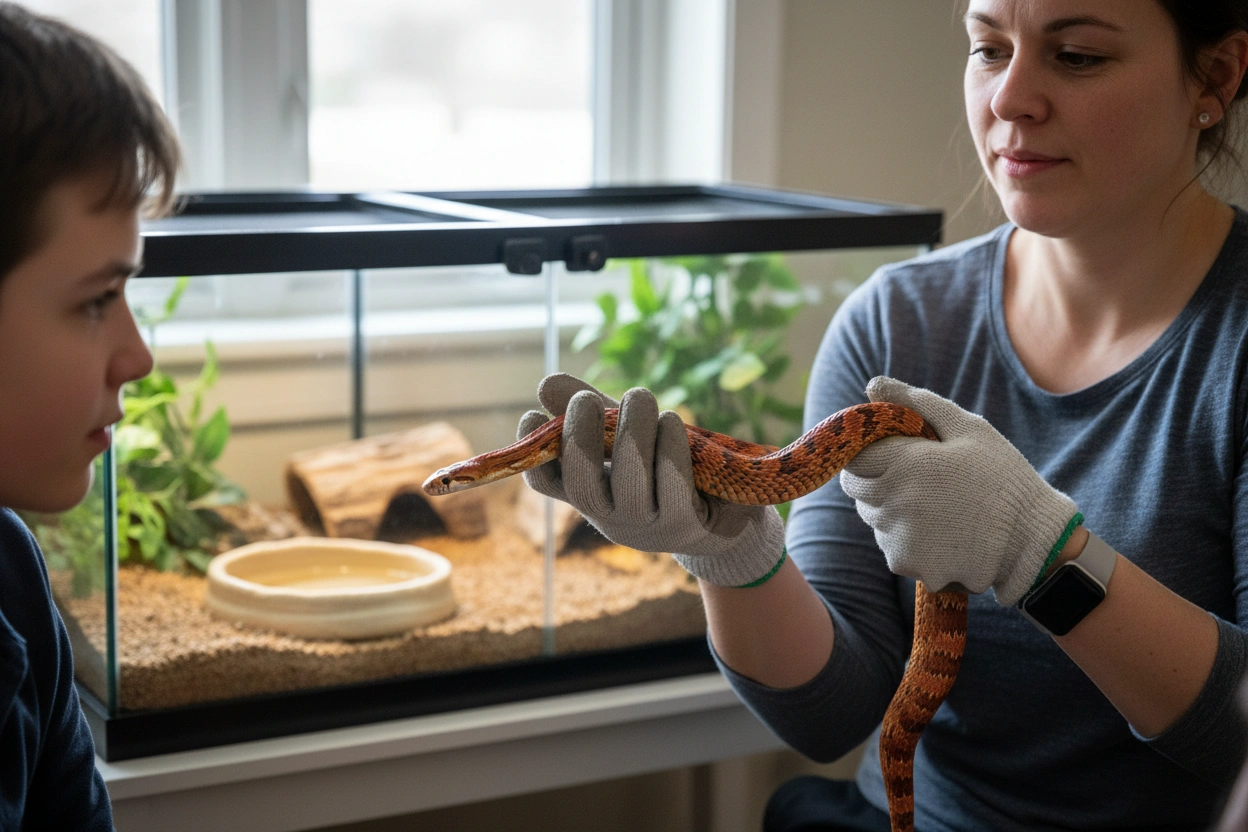
Reptiles encompass a wide range of species, from lizards and snakes to turtles and tortoises. Each group exhibits distinct behaviors and care requirements. Common reptiles kept as pets include:
Before adopting any reptile, it is crucial to understand their specific needs. For example, bearded dragons require UVB lighting to metabolize calcium properly, while ball pythons thrive in a more humid environment. Understanding these requirements can help you create a suitable habitat and ensure a long, healthy life for your pet.
Despite their growing popularity, several misconceptions surround the care of reptiles. Here are some common myths debunked:
Understanding these misconceptions is essential for prospective reptile owners to make informed decisions.
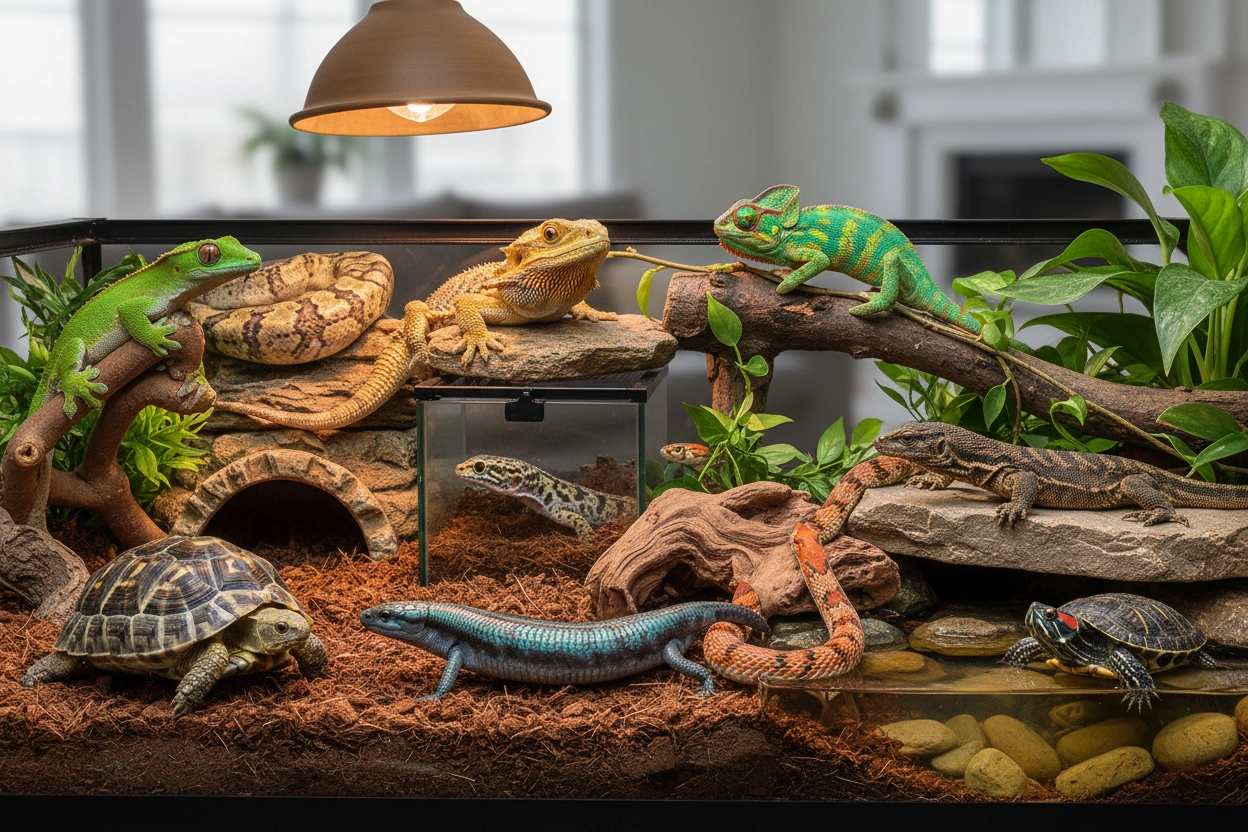
Choosing the right reptile involves considering various factors such as size, habitat requirements, and temperament. Below is a list of the top ten popular pet reptiles, along with key characteristics to help you make an informed choice.
Bearded Dragon
Ball Python
Leopard Gecko
Corn Snake
Red-Eared Slider
Green Iguana
Russian Tortoise
Chameleon
Savin Monitor
Blue-Tongue Skink
Selecting the right reptile involves assessing your living situation, the time you can dedicate to care, and your personal preferences. Each species has its unique requirements and characteristics that can influence your choice.
Creating an appropriate habitat is crucial for the well-being of your reptile. Here are essential care tips:
Temperature Control: Most reptiles require specific temperature gradients in their enclosures to regulate their body temperature. Use heat lamps, heating pads, or ceramic heaters as needed.
Humidity Levels: Some species, like chameleons, require higher humidity levels, while others, like bearded dragons, prefer a drier environment. Invest in hygrometers to monitor humidity levels.
Dietary Needs: Research the specific dietary requirements of your chosen reptile. Many reptiles require a varied diet, including insects, vegetables, or specialized pellets.
Lighting: UVB lighting is essential for many reptiles to synthesize vitamin D3 and absorb calcium. Ensure your reptile has access to appropriate lighting for a specific duration each day.
By adhering to these care guidelines, you can provide a healthy and enriching environment for your reptile.

As we explore the world of reptiles, it is essential to recognize the conservation challenges many species face. Here are ten endangered reptiles that are at risk of extinction and the efforts being made to protect them:
Hawksbill Sea Turtle (Eretmochelys imbricata)
Yangtze Giant Softshell Turtle (Rafetus swinhoei)
Aldabra Giant Tortoise (Aldabrachelys gigantea)
Philippine Crocodile (Crocodylus mindorensis)
Bornean Pygmy Elephant (Elephas maximus borneensis)
Black Sea Turtle (Chelonia mydas)
Sunda Pangolin (Manis javanica)
Kakapos (Strigops habroptilus)
Malagasy Radiated Tortoise (Astrochelys radiata)
Leatherback Sea Turtle (Dermochelys coriacea)
Conservation organizations are working tirelessly to protect these endangered reptiles through various initiatives:
Habitat Restoration: Projects aimed at restoring natural habitats are vital for the survival of many species. Reforestation and wetland restoration are examples of effective measures.
Legal Protections: Many endangered reptiles are protected under national and international laws. Advocacy for stricter enforcement of wildlife protection laws is essential.
Awareness Campaigns: Educating the public about the importance of reptiles and the threats they face can lead to greater support for conservation efforts.
Captive Breeding Programs: These programs aim to breed endangered species in controlled environments and reintroduce them into their natural habitats.
By supporting conservation efforts, we can help ensure that future generations can appreciate the beauty and diversity of reptiles.
Reptiles play a vital role in maintaining ecological balance. They serve as both predators and prey, contributing to the food web. For instance, snakes help control rodent populations, while turtles and tortoises contribute to seed dispersal through their diets. Understanding their ecological significance reinforces the importance of conservation efforts.
When caring for reptiles, it's essential to avoid common pitfalls that can impact their health and well-being:
Neglecting Temperature and Humidity Needs: Failing to provide the appropriate environment can lead to health issues. Always monitor conditions within the enclosure.
Overfeeding or Underfeeding: Each species has specific dietary needs. Research and adhere to feeding guidelines to avoid obesity or malnutrition.
Ignoring Behavioral Signs: Understanding your reptile’s behavior can help you identify stress or health issues. Pay attention to changes in activity levels, appetite, or shedding patterns.
By avoiding these common mistakes, you can create a healthier and happier environment for your reptile.
Engaging with the reptile community can significantly enhance your knowledge and experience as a reptile owner. Online forums, local clubs, and educational resources can provide valuable resources for those considering adopting a reptile. Additionally, connecting with other reptile enthusiasts can offer support and encouragement as you navigate the challenges of reptile ownership.
Here are some valuable resources for those considering adopting a reptile:
Books and Guides: Look for comprehensive books on specific species to understand their needs better.
Online Communities: Forums and social media groups dedicated to reptile care can be excellent sources of information and support.
Veterinary Care: Finding a veterinarian who specializes in reptiles is crucial for regular check-ups and health concerns.
By leveraging these resources, you can enhance your knowledge and ensure the best care for your reptile.
As we’ve explored in this article, the world of reptiles is rich and diverse, encompassing both popular pet species and those that are endangered. Understanding the needs of common reptiles and the conservation challenges they face is crucial for responsible ownership and advocacy.
At Banana Slug Club, we are committed to promoting awareness and education about reptiles and their conservation. Whether you are a seasoned reptile owner or considering your first pet, we can provide valuable insights and resources to support your journey.
To learn more about reptiles and how to care for them, or to get involved in conservation efforts, visit Banana Slug Club. We are here to help you navigate the fascinating world of reptiles and contribute to their preservation for future generations.
Get free resources, early access to new features and updates.
No spam. Just fun educational emails!


.svg)
.svg)