The plight of endangered animals is a pressing issue that demands urgent attention. As of 2026, the International Union for Conservation of Nature (IUCN) lists over 40,000 species as threatened with extinction, highlighting the critical need for effective conservation efforts. This article delves into the top conservation strategies that are making a significant impact on preserving endangered species. We will also explore the top 10 endangered animals you need to know about, offering insights into their unique challenges and the efforts being made to protect them.
Endangered animals are species that face a high risk of extinction in the wild. This can result from a variety of factors, including habitat destruction, climate change, poaching, and invasive species. The loss of insect biodiversity not only threatens these species but also disrupts ecosystems and the services they provide to humanity, such as clean air, water, and food security.
Conservation efforts are critical in reversing the trends leading to extinction. They encompass a wide range of strategies designed to protect endangered species and their habitats. Understanding these efforts is essential for anyone interested in wildlife preservation and environmental sustainability.
Conservation is only about saving animals.
Many believe that conservation efforts focus solely on protecting individual species. However, effective conservation also emphasizes the protection of entire ecosystems, which ultimately benefits all species within that habitat.
All endangered animals are equally at risk.
Not all endangered species face the same level of threat. Some species are critically endangered, while others may be vulnerable or near threatened. Each category requires a tailored approach to conservation.
Conservation is solely the responsibility of governments and organizations.
While governments and NGOs play a significant role in conservation, individuals can also contribute through sustainable practices, volunteering, and supporting conservation policies.

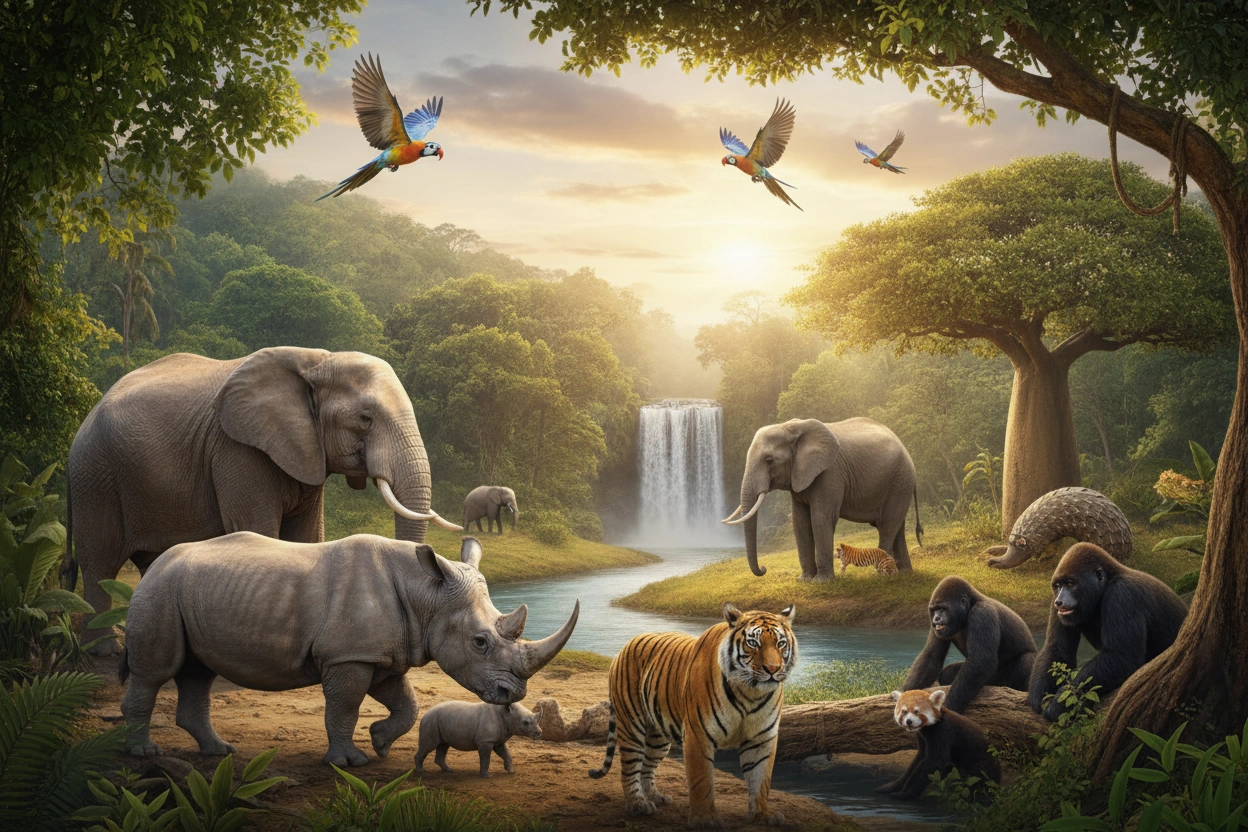
Awareness of endangered species is the first step toward effective conservation. Here are ten notable endangered animals that exemplify the challenges faced by many species today:
The Amur leopard, native to the temperate forests of the Russian Far East and Northeast China, is critically endangered with fewer than 100 individuals remaining in the wild. Habitat loss due to logging and human encroachment, along with poaching, has severely impacted its population.
The vaquita, a small porpoise found only in the Gulf of California, is the most endangered marine mammal in the world. With an estimated population of just 30 individuals, this species faces threats from illegal fishing practices that use gillnets.
Sumatran orangutans are critically endangered due to deforestation, primarily driven by palm oil plantations. Conservation efforts focus on habitat protection and rehabilitation of degraded areas.
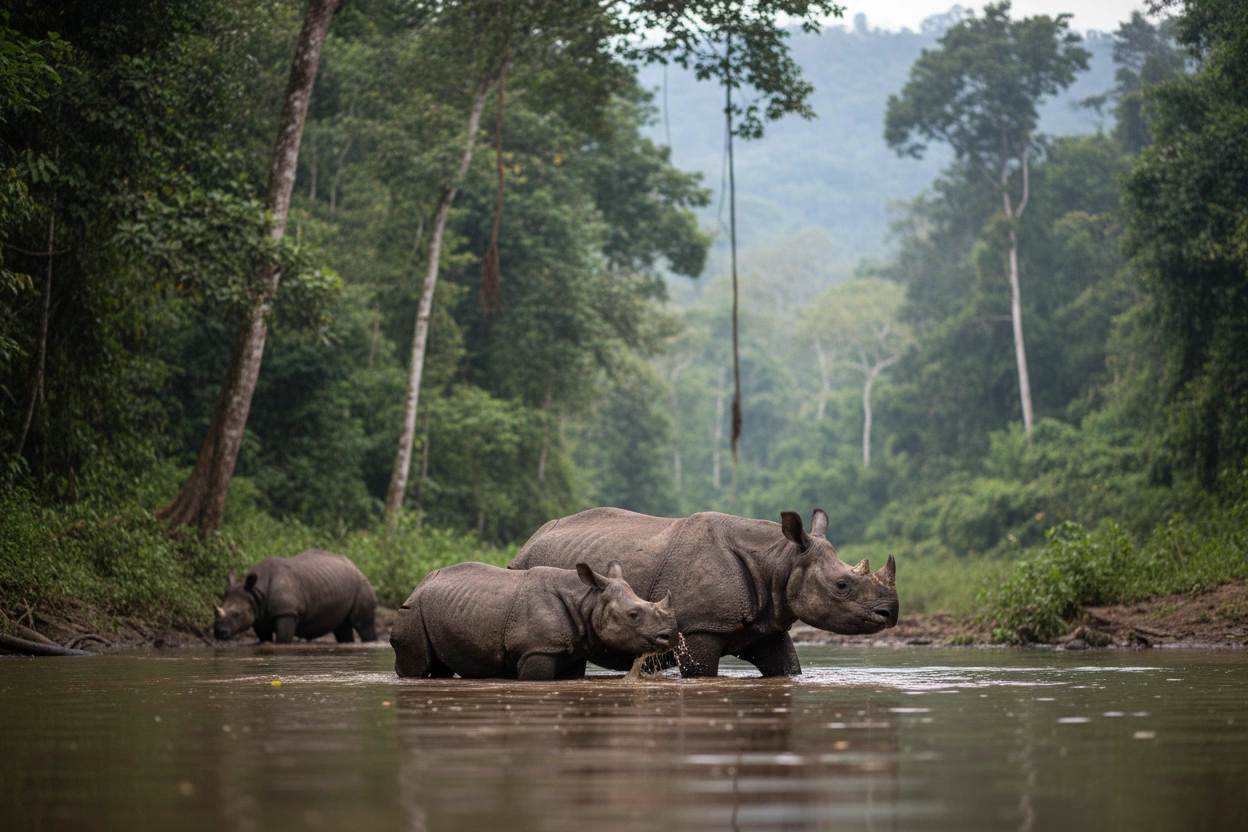
Once widespread across Southeast Asia, the Javan rhino is now confined to Ujung Kulon National Park in Indonesia, with only about 76 individuals left. Habitat protection and anti-poaching initiatives are vital for their survival.
Snow leopards inhabit the mountain ranges of Central and South Asia. With an estimated population of 4,000 to 6,500 individuals, they face threats from poaching and loss of prey. Conservation strategies include community-based programs that promote coexistence with local herders.
With a population of around 6,000 individuals, the African wild dog is endangered due to habitat fragmentation and human-wildlife conflict. Conservation efforts include habitat restoration and the establishment of protected areas.
Hawksbill turtles are critically endangered due to illegal trade and habitat loss. Conservation programs focus on protecting nesting sites and reducing bycatch in fishing operations.
Similar to their Sumatran counterparts, Bornean orangutans are endangered due to habitat destruction. Efforts include reforestation and sustainable land-use practices to mitigate deforestation.
The northern white rhino is functionally extinct, with only two females remaining. Conservationists are working on advanced reproductive technologies to save the subspecies through artificial insemination.
Pangolins are the most trafficked mammals in the world, primarily due to demand for their scales in traditional medicine. Conservation efforts focus on raising awareness and enforcing stricter anti-trafficking laws.
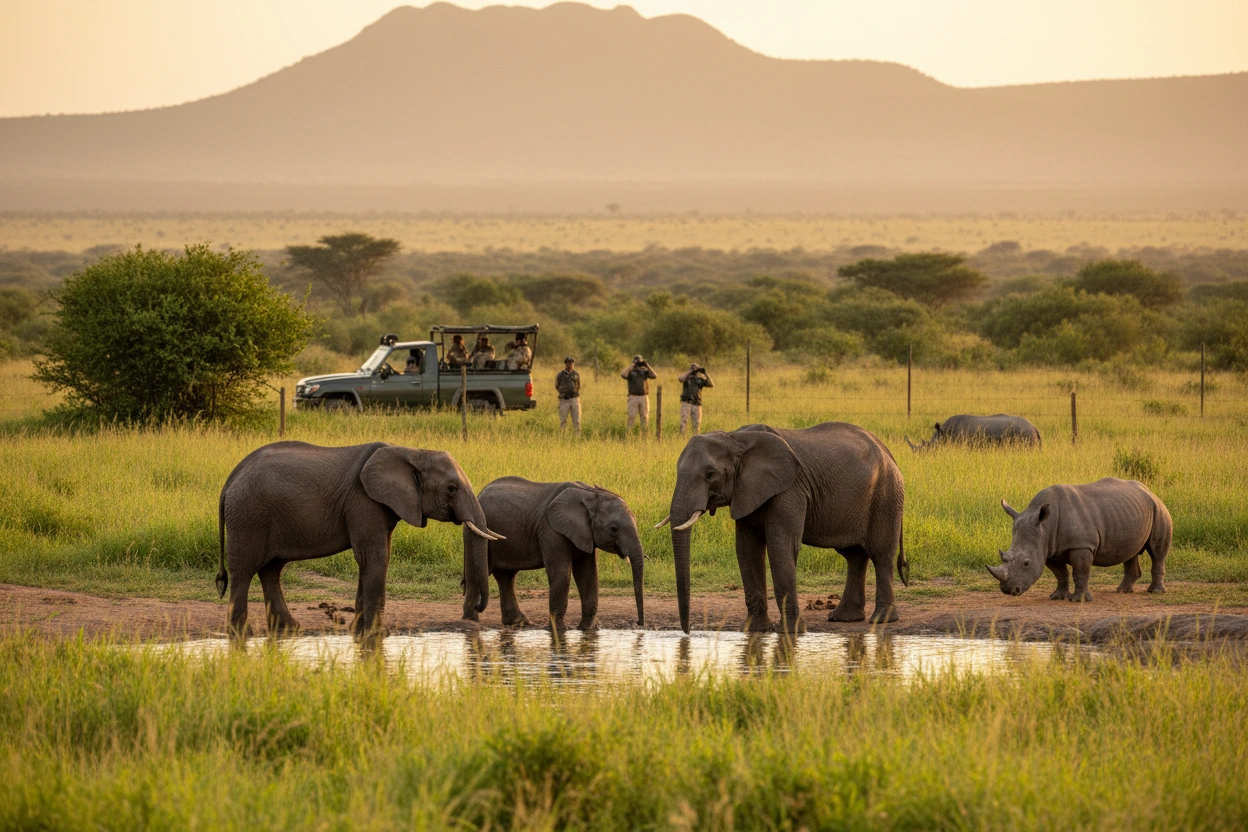
Conservation efforts are multifaceted, involving a combination of policy changes, community engagement, and scientific research. Here are some of the most effective strategies currently in use:
Protecting and restoring natural habitats is essential for the survival of endangered animals. This can involve:
One notable example is the establishment of the Yellowstone to Yukon Conservation Initiative, which aims to connect and protect habitats across a vast region of North America.
Engaging local communities in conservation efforts can lead to more sustainable practices. Strategies include:
Programs like the Maasai Mara Wildlife Conservancies in Kenya successfully involve local communities in protecting wildlife while generating income through tourism.
Poaching remains a significant threat to many endangered species. Effective anti-poaching strategies include:
The African Wildlife Foundation has implemented successful anti-poaching programs across various African countries, significantly reducing poaching incidents.
Strong legal frameworks are critical in the fight against wildlife crime. Key actions include:
The recent amendment of the Endangered Species Act in the United States reflects ongoing efforts to enhance legal protections for endangered species.
Scientific research is vital for informing conservation strategies. Essential components include:
Organizations like the Wildlife Conservation Society invest heavily in research to provide data-driven insights into effective conservation practices.
While large-scale initiatives are crucial, individual actions can also significantly impact conservation efforts. Here are practical steps individuals can take to contribute:
Support conservation organizations.
Donating to or volunteering with organizations focused on wildlife preservation can amplify conservation efforts.
Educate yourself and others.
Stay informed about endangered species and share knowledge within your community to raise awareness.
Adopt sustainable practices.
Reduce your carbon footprint, choose sustainable products, and advocate for policies that protect the environment.
Participate in citizen science.
Engage in citizen science projects that monitor wildlife populations or habitats, contributing valuable data to researchers.
Advocate for wildlife-friendly policies.
Contact local representatives to support legislation that protects endangered species and their habitats.
The fight to save endangered animals is not just a scientific endeavor; it is also a community effort. Initiatives that involve local populations tend to be more successful because they foster a sense of ownership and responsibility. For example, projects that offer financial incentives for wildlife protection or sustainable land use have shown significant positive outcomes.
Collaborative conservation efforts that include local knowledge and practices can lead to innovative solutions tailored to specific ecological and cultural contexts. When communities are empowered to take part in conservation, the results can be transformative for both wildlife and people.
In exploring the vital conservation efforts that are saving endangered animals, it becomes clear that collective action and informed individual choices can lead to meaningful change. Banana Slug Club is committed to fostering awareness and engagement in wildlife conservation. By learning about endangered species and supporting conservation initiatives, you can play a vital role in preserving the planet's biodiversity.
Visit Banana Slug Club to discover more about how you can contribute to conservation efforts and become an advocate for endangered animals. Together, we can make a difference in the fight against extinction.
Get free resources, early access to new features and updates.
No spam. Just fun educational emails!


.svg)
.svg)