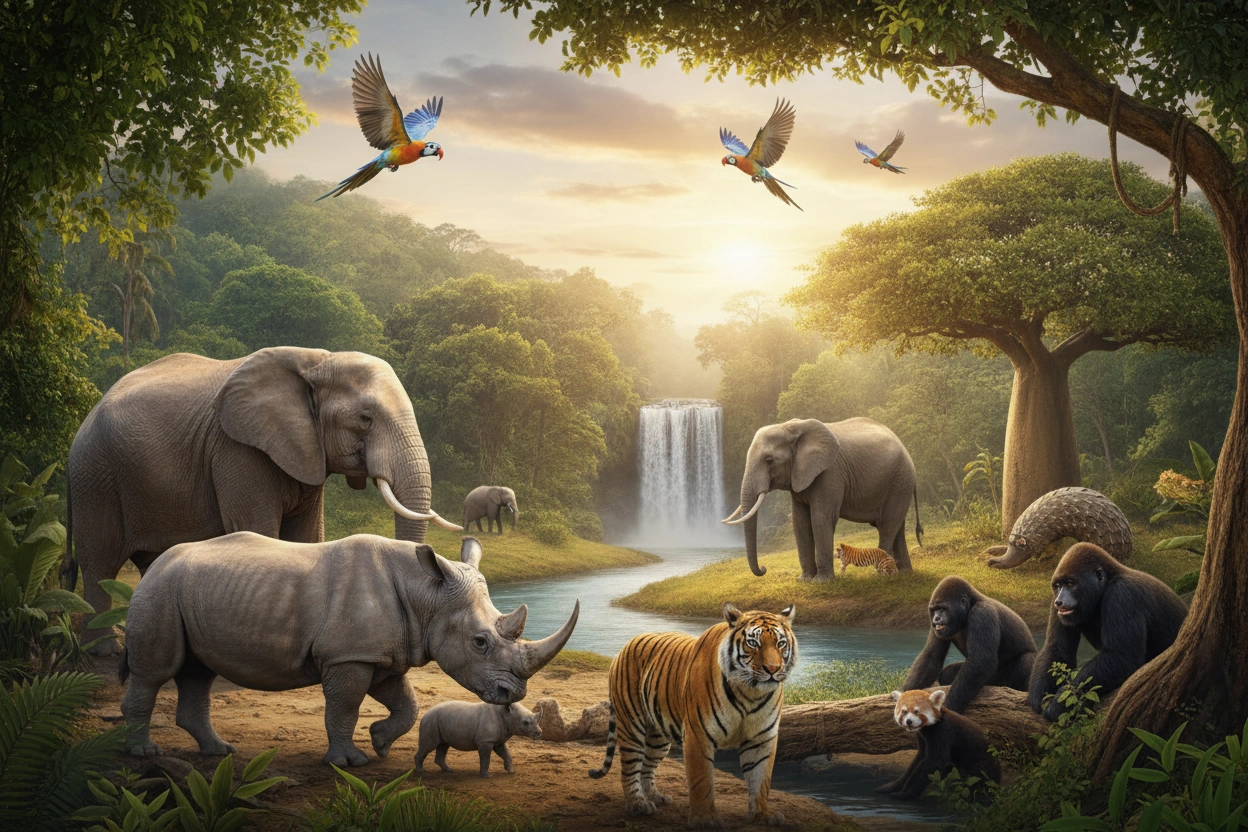
The plight of endangered animals is a pressing issue that resonates with many people around the globe. With the rapid decline of species due to habitat destruction, poaching, climate change, and pollution, the importance of conservation efforts has never been more critical. In 2026, conservationists and organizations are working tirelessly to protect these vulnerable species and their habitats. This article delves into the various conservation efforts aimed at saving endangered animals, highlights the top ten endangered animals you should be aware of, and provides actionable insights on how individuals can contribute to these initiatives.

Endangered animals are species that face a high risk of extinction in the wild. The International Union for Conservation of Nature (IUCN) categorizes these species based on their population size, geographic range, and other factors that threaten their survival. The categories range from "Least Concern" to "Critically Endangered," with "Endangered" representing species that are facing significant threats and require immediate action.
Understanding the factors contributing to the endangerment of these species is crucial for developing effective conservation strategies. Habitat loss due to urbanization, agriculture, and logging is one of the primary reasons for the decline in wildlife populations. Additionally, illegal wildlife trade, pollution, and climate change exacerbate these threats, making it imperative for conservation efforts to address these issues holistically.
Conservation efforts encompass a wide range of activities aimed at protecting endangered animals and their habitats. These initiatives can be broadly categorized into the following areas:
These efforts are essential for reversing the trend of species extinction and ensuring a healthier planet for future generations.

Awareness is the first step towards conservation. Here are ten endangered animals that are emblematic of the broader crisis facing wildlife today:
The Amur leopard is one of the rarest big cats in the world, with a population of around 100 individuals remaining in the wild. Habitat loss, poaching, and prey depletion have pushed this magnificent creature to the brink of extinction. Conservation efforts include anti-poaching patrols and habitat restoration initiatives.
The vaquita is the world's smallest porpoise, found only in the northern part of the Gulf of California. With fewer than 30 individuals left, it is critically endangered, primarily due to bycatch in illegal gillnets. Conservationists are working to enforce bans on gillnets and promote sustainable fishing practices.
Sumatran orangutans are critically endangered due to habitat destruction caused by palm oil plantations and logging. With only about 14,000 individuals remaining, conservation efforts focus on habitat protection and rehabilitation, as well as community awareness programs about sustainable palm oil.
The Javan rhinoceros is one of the rarest large mammals, with only around 80 individuals surviving in Ujung Kulon National Park, Indonesia. Poaching and habitat loss threaten their survival. Conservation strategies include habitat protection and monitoring of the population to prevent poaching.
Snow leopards are elusive big cats found in the mountain ranges of Central and South Asia. With an estimated population of 4,000 to 6,500, they are classified as vulnerable due to habitat loss and retaliatory killings by herders. Conservationists are working on community engagement programs to promote coexistence.
The Eastern lowland gorilla is critically endangered, with fewer than 5,000 individuals left due to habitat destruction and poaching. Conservation efforts focus on habitat protection and anti-poaching measures, along with community education to reduce human-wildlife conflict.
Hawksbill sea turtles are critically endangered, primarily due to illegal trade of their shells and habitat loss. With only a few thousand nesting females remaining, conservation efforts include protecting nesting sites and regulating the trade of turtle products.
African wild dogs, known for their unique hunting strategies, are endangered due to habitat fragmentation and human-wildlife conflict. Conservation initiatives involve habitat restoration and community outreach to promote coexistence with these social carnivores.
Similar to their Sumatran relatives, Bornean orangutans face severe threats from deforestation and poaching. With around 55,000 left, conservation efforts focus on habitat protection and reforestation programs to restore their natural habitats.
The red wolf is one of the most endangered canids in North America, with fewer than 20 individuals left in the wild. Conservation efforts are focused on captive breeding and reintroduction programs, along with habitat protection initiatives to stabilize their population.
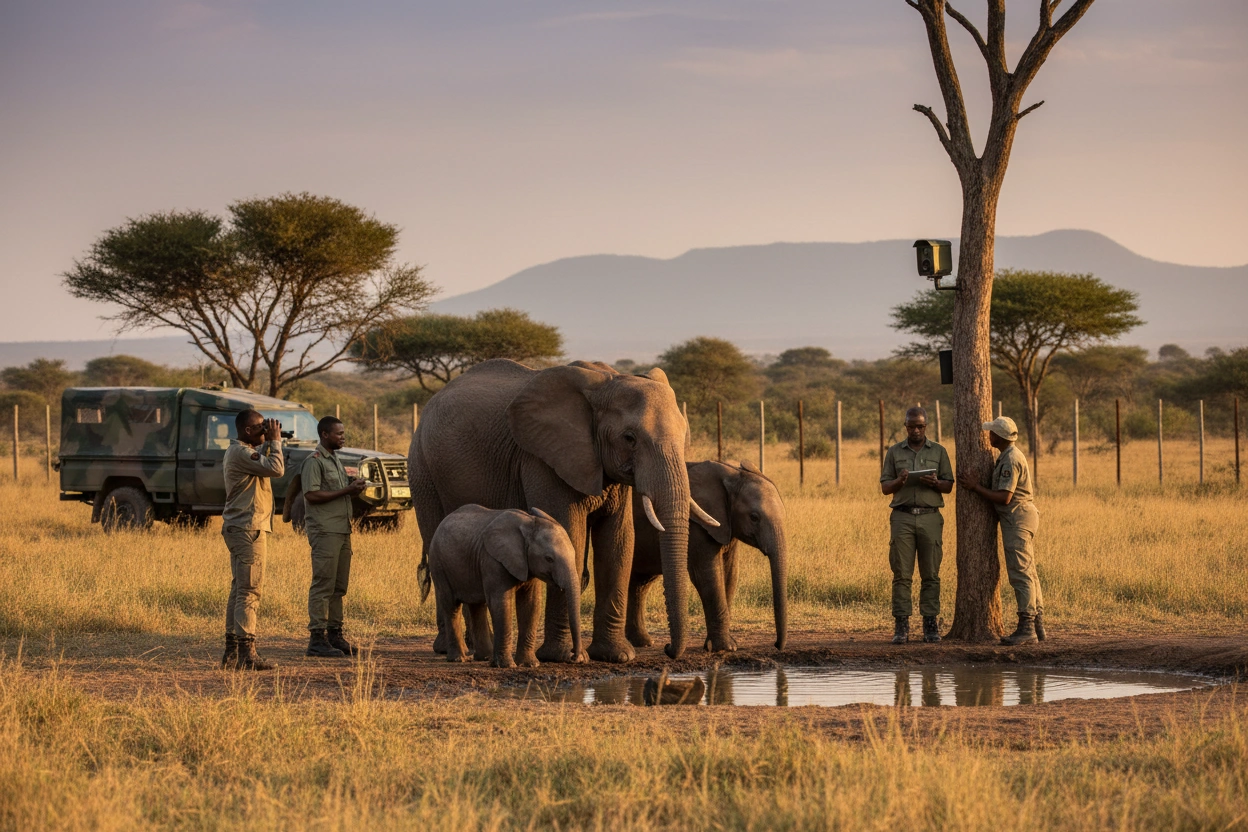
To effectively contribute to the conservation of endangered animals, individuals and organizations can implement various strategies. Here are some actionable insights:
Wildlife tourism can provide essential funding for conservation efforts when done responsibly. Tourists should choose eco-friendly tours that prioritize animal welfare and support local communities.
Numerous organizations are dedicated to protecting endangered animals. By donating or volunteering, individuals can help further these efforts. Research and choose organizations that have a proven track record in conservation.
Engaging in advocacy can influence policies that protect endangered animals. Individuals can write to their elected representatives, participate in campaigns, or join local conservation groups to raise awareness about the importance of wildlife protection.
Education plays a vital role in conservation. Individuals should seek to educate themselves about local endangered species and share this knowledge with their communities. This can foster a culture of conservation and responsibility towards wildlife.
Simple lifestyle changes can significantly impact conservation efforts. Reducing waste, conserving water, and choosing sustainable products can help protect habitats and reduce the strain on wildlife.
Despite the growing awareness of endangered animals, several misconceptions can hinder effective conservation efforts. Addressing these misconceptions is essential for fostering a more informed approach to wildlife protection.
While government policies are crucial, individuals and communities play a significant role in conservation. Grassroots movements, local initiatives, and individual actions can collectively lead to substantial change.
Conservation is not solely about protecting individual species; it is also about preserving ecosystems and biodiversity. Healthy ecosystems are vital for the survival of all species, including humans.
While some conservation projects may require significant funding, many initiatives can be implemented at low cost. Community engagement and education programs can often be developed with minimal resources but yield significant benefits.
Conservation efforts are not merely a trend; they are a necessity for the survival of endangered animals and the health of our planet. As we move forward, it is crucial to adopt a multi-faceted approach that includes habitat protection, community involvement, and sustainable practices.
Collective action is vital for the success of conservation initiatives. Governments, organizations, and individuals must work together to create a comprehensive strategy that addresses the various threats facing endangered animals. This collaboration can enhance the effectiveness of conservation efforts and create lasting change.
Advancements in technology are transforming conservation efforts. From satellite imaging to track habitat changes to drones monitoring wildlife populations, technology can provide valuable insights and enhance conservation strategies. Engaging with these technologies can improve the efficiency and impact of conservation initiatives.
As we reflect on the importance of conservation efforts for endangered animals, it is evident that community engagement is crucial. Organizations like the Banana Slug Club play a significant role in fostering awareness and promoting active participation in conservation initiatives. By connecting individuals with local wildlife efforts, the Banana Slug Club helps bridge the gap between conservation and community engagement.
In conclusion, understanding the plight of endangered animals and actively participating in support initiatives that protect these species, educating ourselves and others, and advocating for effective policies, we can contribute to a more sustainable future.
For those interested in getting involved and learning more about endangered animals and conservation efforts, visit the Banana Slug Club. Together, we can make a difference and ensure that future generations inherit a rich and diverse natural world.
Get free resources, early access to new features and updates.
No spam. Just fun educational emails!


.svg)
.svg)