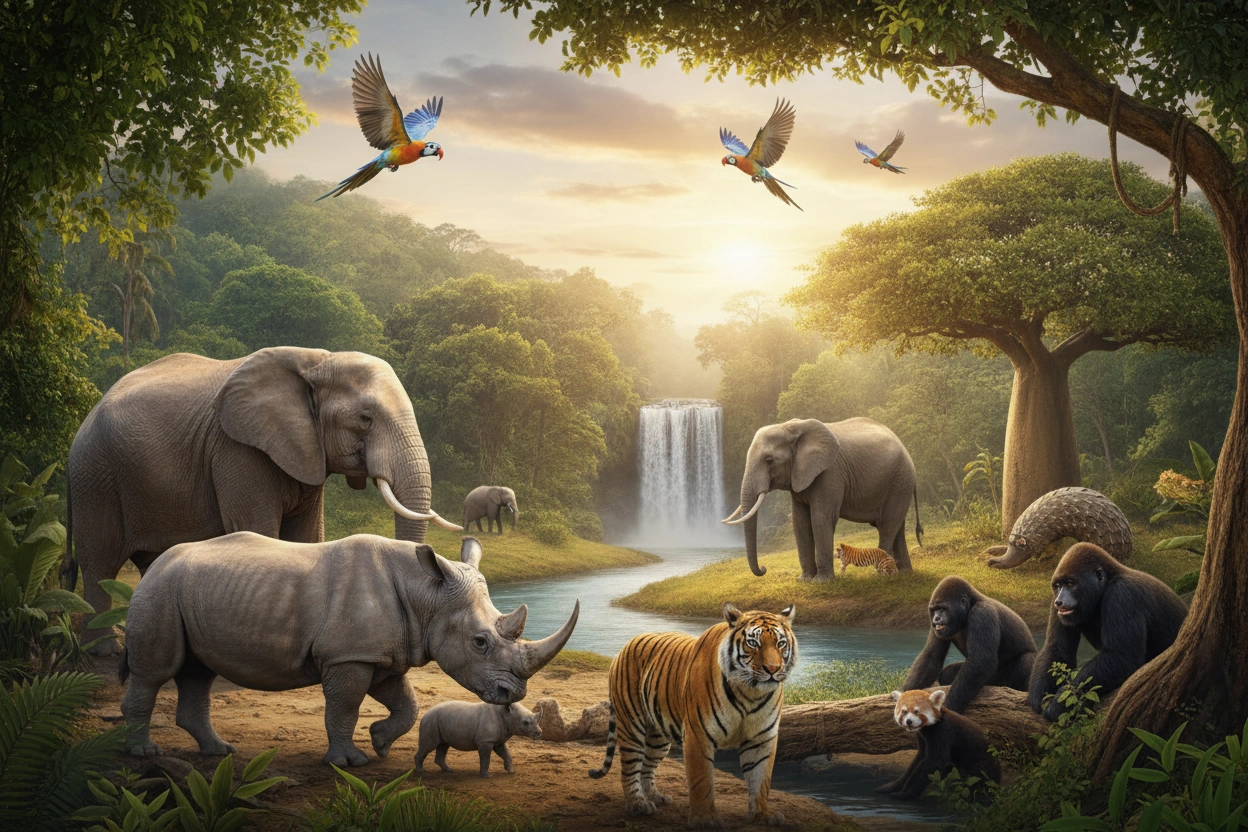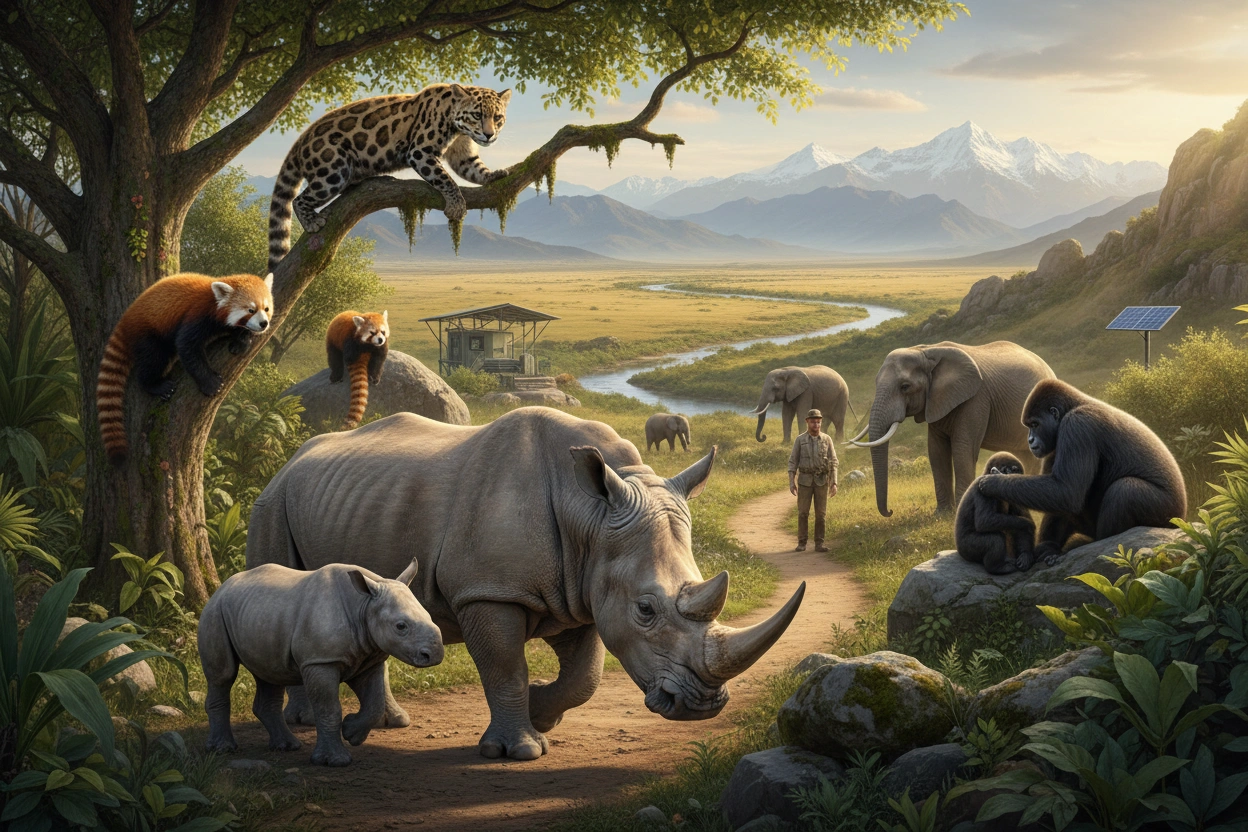
The plight of endangered animals is one of the most pressing issues of our time. With habitat destruction, climate change, poaching, and pollution posing significant threats, the need for robust conservation efforts has never been more urgent. In 2026, various organizations and governments are stepping up to implement innovative strategies to protect these vulnerable species. This article will explore the top conservation efforts currently in place and highlight ten endangered animals that deserve our attention.

Endangered animals are species that face a high risk of extinction in the wild. The International Union for Conservation of Nature (IUCN) classifies these species based on their population trends, habitat loss, and other factors. As of now, over 41,000 species are threatened with extinction, making it critical to understand the implications of losing these animals. They play vital roles in their ecosystems, and their extinction can lead to cascading effects on biodiversity and ecosystem health.
Despite the widespread awareness of endangered animals, several misconceptions persist:

Numerous organizations and initiatives are actively working to protect endangered animals. These conservation efforts are multifaceted, addressing the various threats these species face. Here are some of the most impactful strategies being implemented today:
One of the most effective ways to protect endangered animals is through habitat conservation. This involves preserving existing ecosystems and restoring damaged ones. Protected areas, such as national parks and wildlife reserves, serve as safe havens for endangered species.
Poaching remains a significant threat to many endangered species. Anti-poaching initiatives involve increased surveillance, law enforcement, and community engagement to combat illegal hunting.
Engaging local communities in conservation efforts is crucial for sustainable practices. By involving communities, conservationists can create economic incentives for preserving wildlife.
Captive breeding programs aim to increase the population of endangered species through controlled breeding in captivity, followed by reintroduction into the wild.
Governments play a crucial role in protecting endangered animals through legislation. Laws such as the Endangered Species Act in the U.S. provide legal protection for at-risk species and their habitats.
Raising awareness about the plight of endangered animals is essential for garnering public support for conservation efforts. Educational programs inform communities about the importance of biodiversity and how they can contribute.
Ongoing research is vital for understanding the needs of endangered species and assessing the effectiveness of conservation strategies. Monitoring populations helps identify trends and threats.
Implementing sustainable practices in agriculture, forestry, and fishing can reduce the impact on endangered species. By promoting sustainable resource use, we can mitigate habitat loss and degradation.
Climate change poses a significant threat to many species. Conservation efforts are increasingly focusing on mitigating its effects through habitat restoration, carbon sequestration, and sustainable practices.
Many endangered species migrate across borders, making international cooperation essential for their protection. Agreements between countries can facilitate collaborative conservation efforts.

Understanding the specific endangered animals is crucial for supporting conservation efforts. Here are ten of the most critically endangered species that need our attention:
With fewer than 100 individuals left in the wild, the Amur leopard is one of the rarest big cats. Habitat loss and poaching are the primary threats. Conservation efforts focus on habitat protection and anti-poaching measures.
The vaquita, a small porpoise found in the Gulf of California, is critically endangered with only around 30 individuals remaining. Illegal fishing practices and bycatch are significant threats. Urgent measures are needed to protect this species from extinction.
The Javan rhino is one of the rarest large mammals, with only about 80 individuals left, all residing in Ujung Kulon National Park, Indonesia. Conservation efforts include habitat protection and monitoring to prevent poaching.
The Sumatran orangutan is threatened by habitat destruction due to palm oil plantations and logging. With around 14,000 individuals remaining, conservation programs focus on habitat preservation and community education.
With only two females remaining, the northern white rhinoceros is functionally extinct. Conservationists are exploring advanced reproductive technologies to save the subspecies.
The Asian elephant population has declined significantly due to habitat loss and human-elephant conflict. Conservation efforts involve creating wildlife corridors and community engagement to reduce conflicts.
Similar to its Sumatran counterpart, the Bornean orangutan faces habitat loss and poaching. With around 55,000 individuals left, conservation initiatives are critical for its survival.
Pangolins are the most trafficked mammals globally, primarily for their scales. All eight species are threatened, and conservation efforts focus on law enforcement and raising awareness about the species.
The snow leopard is classified as vulnerable due to habitat loss and poaching. Conservation programs aim to protect their habitat and involve local communities in conservation efforts.
Various tortoise species are facing extinction due to habitat loss and the illegal pet trade. Conservation efforts include breeding programs and habitat protection.
At Banana Slug Club, we understand the importance of protecting endangered animals and the ecosystems they inhabit. Our initiatives focus on education, community engagement, and support for conservation efforts worldwide. By providing resources and fostering a community passionate about wildlife, we aim to raise awareness and promote action.
You can play a role in conservation efforts by:
By taking these steps, you can contribute to the vital work of protecting endangered animals and their habitats.
To learn more about how you can get involved in conservation efforts and support endangered animals, visit our website. We offer a variety of resources and opportunities to make a difference in the fight against extinction. Contact Banana Slug Club today to learn more about our initiatives and how you can contribute to protecting the planet's precious wildlife.
Get free resources, early access to new features and updates.
No spam. Just fun educational emails!


.svg)
.svg)