The Ice Age represents one of the most intriguing periods in Earth's history, characterized by dramatic climate changes that shaped the evolution of prehistoric animals. Understanding how these ancient wildlife species adapted to such harsh environments offers valuable insights into survival mechanisms and evolutionary processes. This article delves into the fascinating adaptations of prehistoric animals during the Ice Age and highlights the top ten most captivating extinct species you should know about.
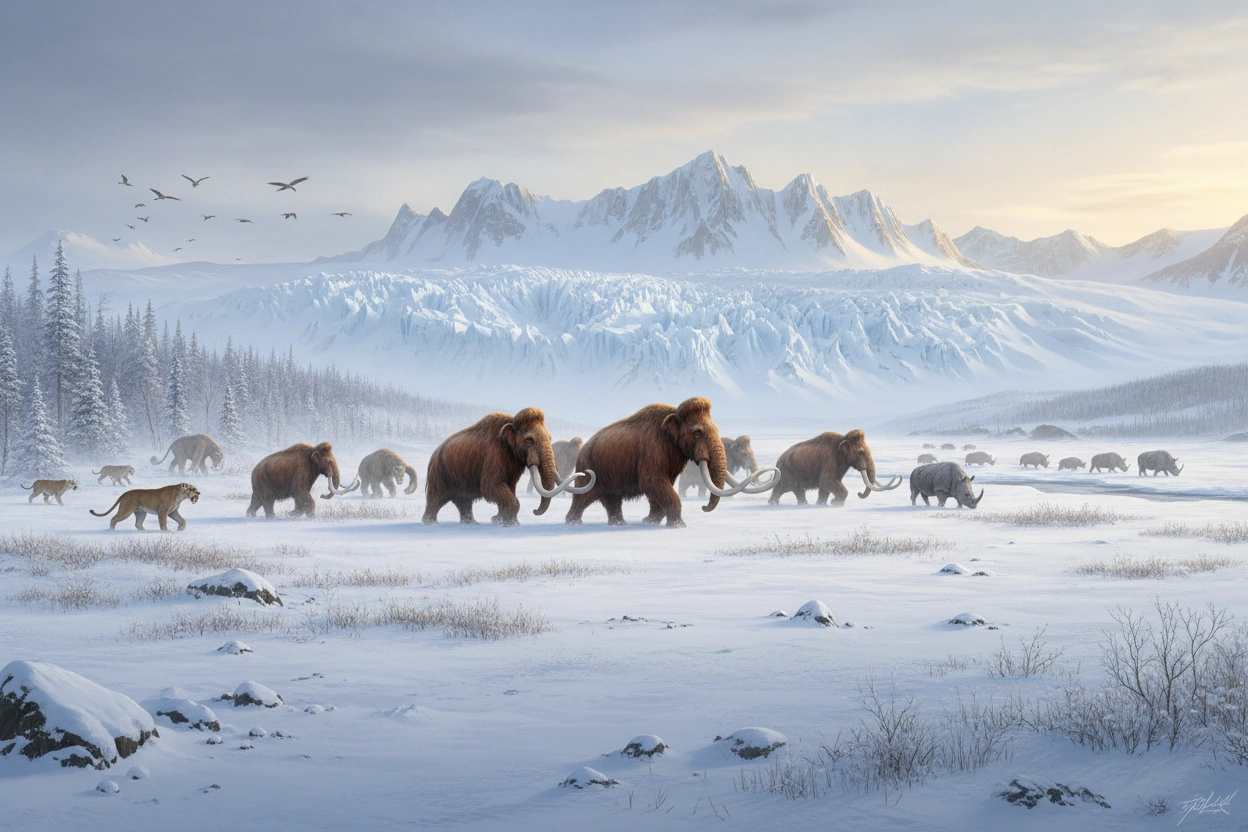
The Ice Age, also known as the Pleistocene Epoch, began approximately 2.6 million years ago and lasted until about 11,700 years ago. This period was marked by the expansion of continental glaciers, which drastically altered habitats across the globe. As temperatures plummeted, prehistoric animals were forced to adapt to survive in environments that were often inhospitable.
The environmental shifts during the Ice Age resulted in the development of tundras, steppe environments, and even boreal forests. These changes created unique challenges for prehistoric animals, compelling them to develop innovative survival strategies. Many species exhibited physiological and behavioral adaptations that enabled them to thrive despite the frigid temperatures and scarce food resources.
Physiological Adaptations: Many prehistoric animals developed thicker fur or blubber to insulate against the cold. For instance, the woolly mammoth possessed a double layer of fur, along with a thick layer of fat beneath its skin, which helped it maintain body heat.
Behavioral Adaptations: Some species migrated over vast distances in search of food, while others developed hibernation strategies to conserve energy during the harshest winter months.

Understanding the adaptations of prehistoric animals is further enriched by examining specific species that exemplified these traits. Here are ten of the most fascinating extinct animals from the Ice Age:
The woolly mammoth is perhaps the most iconic of Ice Age mammals. Standing at about 13 feet tall, these creatures were well-adapted to cold climates. Their long, curved tusks were used for digging through snow to find vegetation, and their thick coat of fur protected them from the elements.
Known for its distinctive elongated canine teeth, the saber-toothed cat was a formidable predator. It adapted to the cold by developing a robust body structure and a thick layer of fur. This species hunted large herbivores, utilizing its powerful limbs for swift attacks.
Similar in appearance to the woolly mammoth, the mastodon had a different dental structure, adapted for browsing on shrubs and trees. Its large size and robust skeleton made it an effective forager in the dense forest environments that existed during the Ice Age.
The giant ground sloth was an herbivorous mammal that could reach up to 20 feet in length. Its massive size helped deter predators, and it adapted to cold climates by having a thick fur coat. Unlike modern sloths, which are tree-dwelling, these creatures were terrestrial grazers.
One of the largest bear species ever known, the short-faced bear was a powerful predator that roamed North America. Its long limbs and large size allowed it to cover great distances in search of food, making it a formidable competitor during the Ice Age.
The Irish elk was notable for its massive antlers, which could span up to 12 feet. These prehistoric animals were herbivores that adapted to various environments, including forests and grasslands, and their antlers were likely used for both foraging and display purposes.
The woolly rhinoceros was adapted to icy conditions with its thick fur and layer of fat. It had a stocky build and a large horn, which it used to dig through snow to access vegetation. This species thrived in the cold tundra regions of Europe and Asia.
Also known as the giant ground sloth, Megatherium was one of the largest land mammals. It adapted to its environment by becoming a herbivore that could consume large quantities of foliage. Its size helped protect it from predators, while its slow metabolism allowed it to survive on limited food resources.
The dire wolf was larger than the modern gray wolf and was a social predator, often hunting in packs. Its robust build and powerful jaws were adaptations that allowed it to take down large prey, making it an apex predator of its time.
Also known as the Tasmanian tiger, the thylacine had a unique appearance with stripes across its back. While not exclusively an Ice Age animal, its adaptations allowed it to thrive in cooler climates. It was a carnivorous marsupial that hunted small to medium-sized animals.
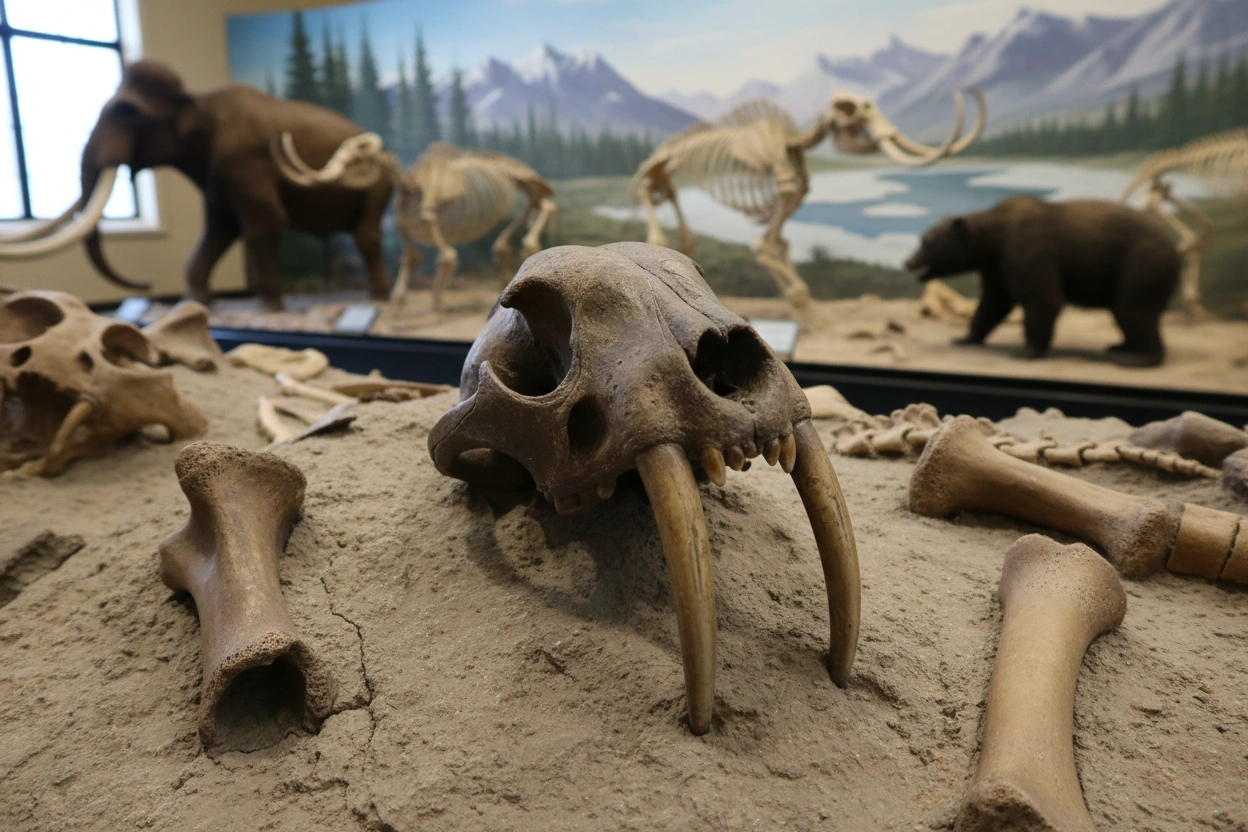
The adaptations of prehistoric animals during the Ice Age were critical for their survival. Here are several strategies that these ancient species employed:
Many prehistoric animals developed physical traits that enhanced their ability to withstand extreme cold. These adaptations included:
Thick Fur and Insulation: Species like the woolly mammoth and woolly rhinoceros possessed thick fur coats that provided insulation against freezing temperatures.
Fat Reserves: Many large mammals accumulated substantial fat reserves, which served as insulation and energy sources during periods of food scarcity.
Behavioral strategies were equally important for survival in Ice Age environments. Some notable adaptations included:
Migration: Many animals, such as the woolly mammoth, migrated to warmer areas during the harshest winter months to find food and better living conditions.
Hibernation: Certain species, including some bears, adopted hibernation strategies to conserve energy during long winters when food was scarce.
Despite the extensive research conducted on prehistoric animals, several misconceptions persist. Addressing these can enhance our understanding of their adaptations and the environments they inhabited.
While many prehistoric animals were large, not all of them were. Many smaller species also thrived during this period, adapting their survival strategies to their size and ecological niches.
It is a common belief that prehistoric animals were less evolved than modern species. In reality, they exhibited complex adaptations and behaviors that allowed them to survive in their environments, showing a level of sophistication that parallels modern wildlife.
While many well-known Ice Age animals thrived in cold climates, several species inhabited warmer regions. The adaptability of these species allowed them to occupy diverse ecological niches across varying climates.
The extinction of many prehistoric animals during the Ice Age has been a topic of extensive study. While some species could not adapt quickly enough to the changing environment, others fell victim to human hunting and habitat destruction. Understanding these extinctions provides insight into the evolutionary processes that shape current biodiversity.
Several factors contributed to the extinction of prehistoric animals:
Climate Change: Rapid changes in climate during the end of the Ice Age forced many species to adapt or face extinction.
Human Activity: The arrival of humans in various regions often led to hunting pressures that many species could not withstand.
Habitat Loss: As the climate warmed, habitats that supported many Ice Age species shrank, reducing their available resources and leading to population declines.
The study of prehistoric animals continues to evolve with advances in technology and research methodologies. Fossil records provide deeper insights into the adaptations and behaviors of these species. As new discoveries are made, our understanding of how prehistoric animals adapted to their environments will only grow.
Prehistoric animals captivate our imagination and provide valuable lessons about adaptation and survival in changing environments. The adaptations of these ancient species teach us about resilience and the importance of understanding our ecological history. The Banana Slug Club is dedicated to fostering a love for wildlife and promoting education about the natural world.
By exploring the adaptations of prehistoric animals, we can learn how to better protect our current wildlife and ecosystems. For those interested in diving deeper into the fascinating world of prehistoric animals and their adaptations, connect with the Banana Slug Club for resources and educational opportunities that enrich our understanding of ancient wildlife.
For more insights and to explore how we can learn from prehistoric animals to impact our current environmental challenges, visit Banana Slug Club. Join us in our mission to educate and inspire future generations about the wonders of our planet's history.
Get free resources, early access to new features and updates.
No spam. Just fun educational emails!


.svg)
.svg)