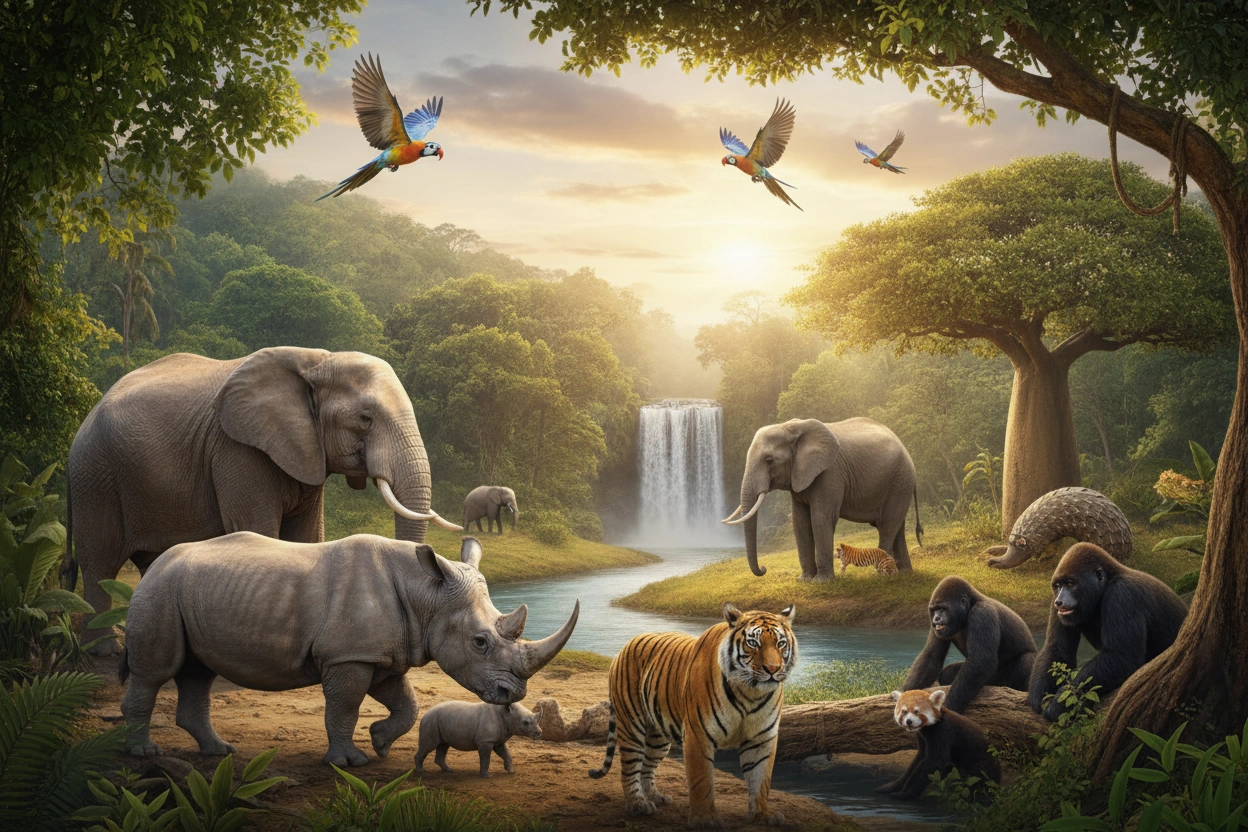
The plight of endangered animals is a pressing issue that garners global attention. As of 2026, the world is facing an unprecedented loss of biodiversity, with many species teetering on the brink of extinction. Conservation efforts are paramount in addressing this crisis, as they not only aim to protect these vulnerable species but also strive to restore their habitats and ensure their survival for future generations. This article will delve into the top conservation efforts that are making a significant impact, and highlight ten endangered animals that everyone should be aware of.
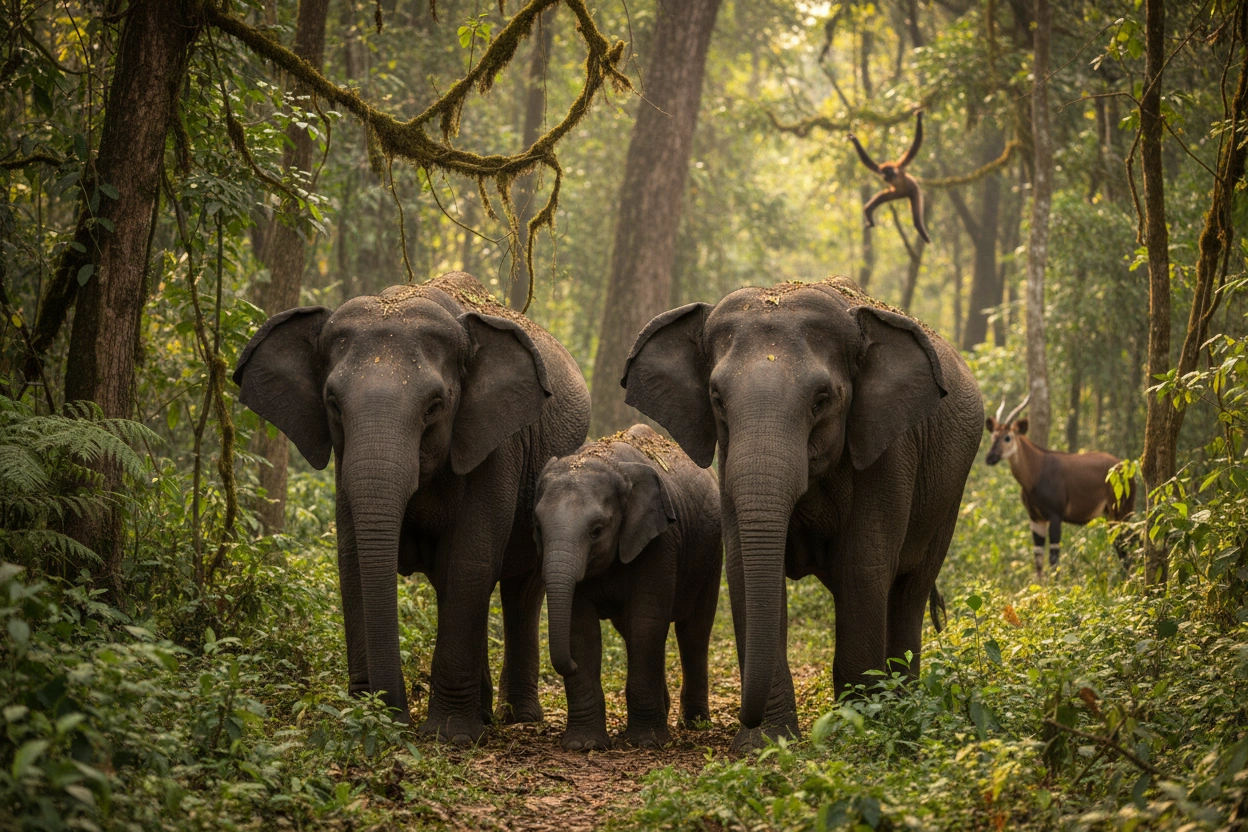
Endangered animals are species that are at risk of extinction due to various factors, including habitat destruction, poaching, climate change, and pollution. The International Union for Conservation of Nature (IUCN) classifies these species into categories based on their population size and the threats they face. The most critical categories include "Critically Endangered," "Endangered," and "Vulnerable."
The urgency of addressing the decline of these species cannot be overstated. Endangered animals play crucial roles in their ecosystems, contributing to biodiversity, which is essential for ecosystem stability and resilience. For instance, keystone species, such as the sea otter, help maintain the balance of their environments. Protecting endangered species is not just an ethical imperative; it is vital for maintaining the health of our planet.
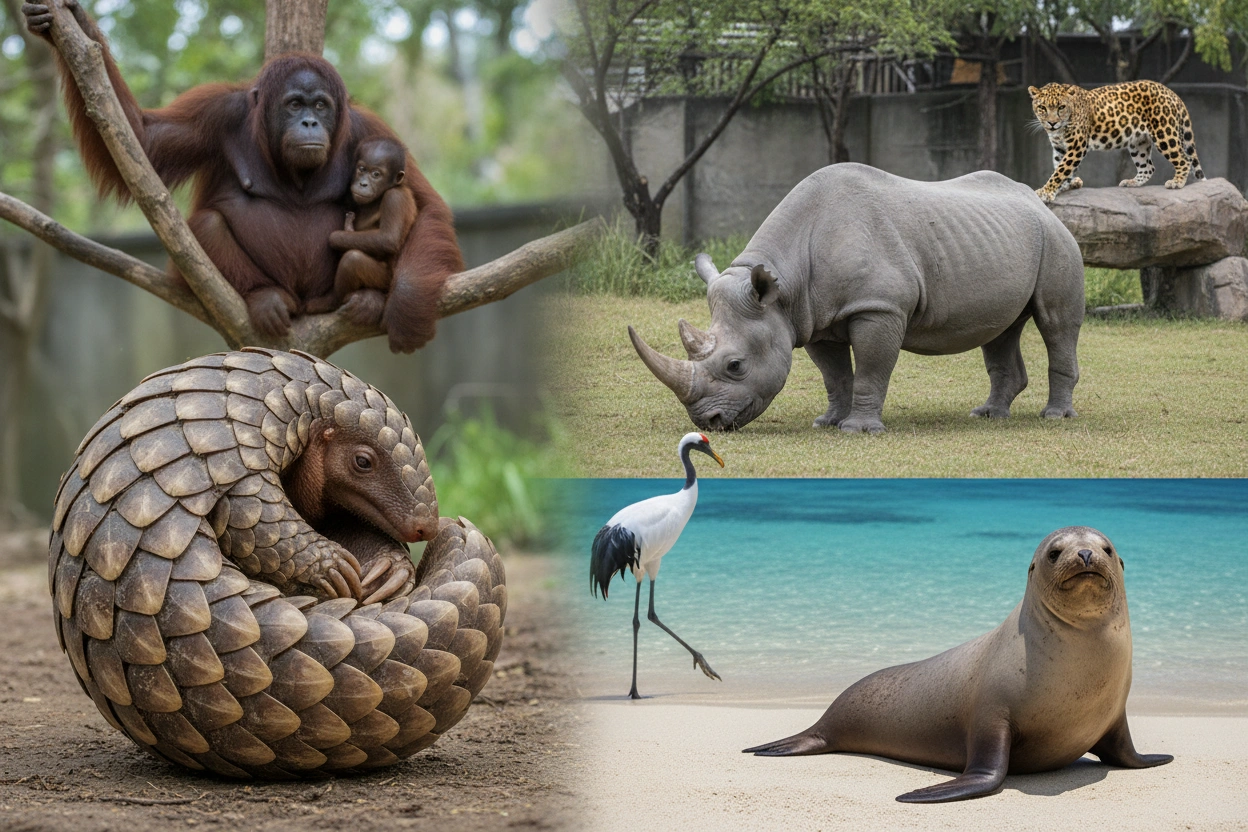
Awareness of endangered animals can inspire individuals and communities to engage in conservation efforts. Here are ten species that are critically endangered and require urgent action:
The Amur leopard is one of the rarest big cats in the world, with an estimated population of around 100 individuals remaining in the wild. Native to the temperate forests of the Russian Far East and northeastern China, this solitary feline faces threats from habitat loss, poaching, and prey depletion. Conservation efforts focus on habitat restoration, anti-poaching measures and habitat preservation are crucial for their survival.
With only about 76 individuals left, the Javan rhino is considered the most endangered large mammal on Earth. These rhinos inhabit Ujung Kulon National Park in Indonesia, where conservation efforts are focused on habitat protection and monitoring the population. The main threats to their survival include habitat destruction and poaching for their horns.
The vaquita is a small porpoise found only in the northern part of the Gulf of California, Mexico. With fewer than 30 individuals remaining, it is the most endangered marine mammal in the world. The primary threat to the vaquita is bycatch in illegal gillnets used for fishing another endangered species, the totoaba fish. Conservation efforts are aimed at enforcing bans on illegal fishing and promoting sustainable fishing practices.
The Sumatran orangutan is critically endangered, with an estimated population of around 14,000 individuals. Habitat loss due to palm oil plantations and logging poses significant threats to their survival. Conservation efforts involve habitat protection, anti-poaching initiatives, and public awareness campaigns to reduce demand for palm oil.
Found in the mountain ranges of Central and South Asia, snow leopards are estimated to number between 4,000 and 6,500 in the wild. They face threats from poaching, retaliatory killings by herders, and habitat loss due to climate change. Conservation initiatives include community-based programs to reduce human-wildlife conflict and protect their habitats.
The African wild dog, also known as the painted wolf, has a population of around 6,000 individuals. They are threatened by habitat fragmentation, human-wildlife conflict, and diseases such as rabies. Conservation efforts involve habitat protection, veterinary care, and education programs to foster coexistence between humans and wildlife.
This species is critically endangered, with only three known individuals remaining. The main threats include habitat destruction and hunting. Conservation efforts are focused on captive breeding and habitat restoration to increase the chances of survival for this ancient species.
The kakapo, a flightless parrot native to New Zealand, is critically endangered with about 250 individuals remaining. Conservation efforts include intensive management of the breeding program and predator control to protect the remaining population. Public awareness and support are essential for ongoing conservation efforts.
With only two females remaining, the northern white rhino is functionally extinct. Conservationists are working on advanced reproductive technologies to save the species, including in vitro fertilization and genetic research. These efforts highlight the importance of scientific innovation in conservation.
Pangolins are the most trafficked mammals in the world, primarily due to demand for their scales and meat. All eight species of pangolins are threatened, with some critically endangered. Conservation efforts focus on combating poaching and illegal trade, as well as raising awareness about their ecological importance.
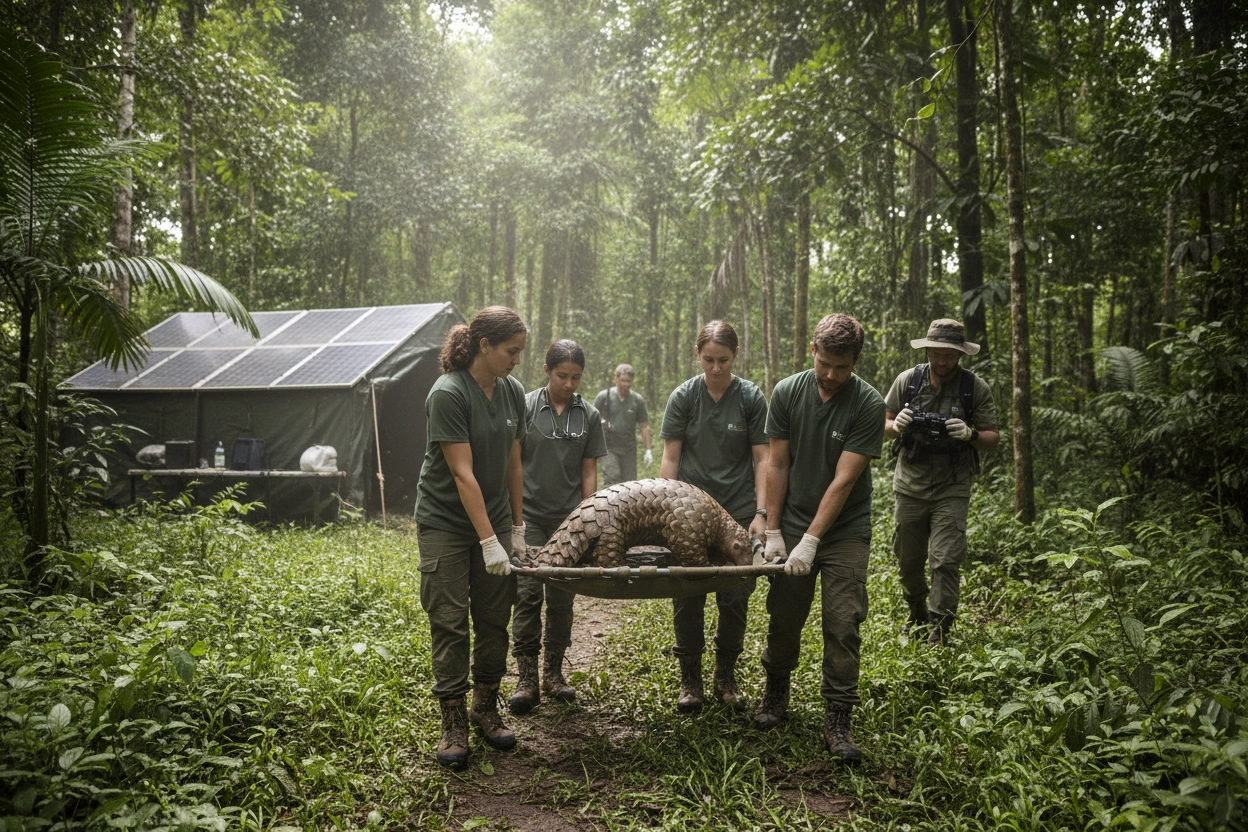
Conservation efforts are multifaceted and often require collaboration between governments, non-profit organizations, local communities, and international bodies. Here are some of the key strategies being employed:
Restoring natural habitats is crucial for the survival of endangered animals. This involves reforestation, wetland restoration, and the removal of invasive species that threaten native ecosystems. For example, projects aimed at restoring mangrove forests have proven effective in providing breeding grounds for various marine species.
Poaching remains one of the most significant threats to endangered animals. Anti-poaching efforts include deploying ranger patrols, using technology such as drones for surveillance, and implementing stricter legal frameworks. Countries like South Africa have established successful anti-poaching units that have led to significant declines in rhino poaching rates.
Engaging local communities in conservation efforts is vital for long-term success. Programs that promote sustainable livelihoods, such as ecotourism and community-based resource management, encourage locals to protect wildlife. For instance, in Kenya, community conservancies have empowered local populations to manage wildlife resources, resulting in increased wildlife populations.
Strong legal frameworks are essential for the protection of endangered species. International agreements, such as the Convention on International Trade in Endangered Species (CITES), regulate the trade of endangered animals and plants. Countries must also enforce national laws that protect wildlife habitats and penalize poaching and illegal trade.
Scientific research is the backbone of effective conservation strategies. Monitoring endangered populations helps identify trends, assess threats, and evaluate the effectiveness of conservation measures. Research initiatives often collaborate with universities and research institutions to gather critical data on species behavior, genetics, and ecology.
Raising awareness about the plight of endangered animals is crucial for garnering public support for conservation efforts. Educational programs in schools and communities can foster a sense of responsibility and stewardship for wildlife. Campaigns that highlight the ecological roles of endangered species can inspire individuals to take action.
Despite the widespread recognition of the importance of conservation, several misconceptions persist that can hinder effective action.
Many people believe that conservation solely focuses on protecting endangered animals. However, it is equally concerned with preserving their habitats and the ecosystems they inhabit. Without healthy ecosystems, endangered species cannot thrive.
While extinction is a natural process, the current rate of species loss is unprecedented and largely driven by human activities. Climate change can have severe consequences for ecosystems, human health, and economies.
Some argue that conservation efforts are too costly, but the economic benefits of preserving biodiversity often outweigh the costs. Healthy ecosystems provide essential services, such as clean water, pollination, and climate regulation, which are vital for human survival.
Every individual has a role to play in the conservation of endangered animals. Here are some actionable steps you can take:
Conservation efforts are most effective when they involve community engagement and local participation. Engaging communities not only helps protect endangered animals but also fosters a sense of ownership and responsibility among individuals. Organizations like the Banana Slug Club emphasize the importance of community involvement in conservation initiatives, encouraging people to take action locally while contributing to global efforts.
By understanding the critical role that conservation plays in safeguarding endangered animals, individuals can become active participants in these efforts. Whether through education, advocacy, or direct involvement in conservation projects, every action counts in the fight against extinction.
To further your commitment to conservation and learn more about how you can contribute to protecting endangered animals, visit the Banana Slug Club. Together, we can make a difference in preserving our planet's biodiversity and ensuring a brighter future for all species.
Get free resources, early access to new features and updates.
No spam. Just fun educational emails!


.svg)
.svg)