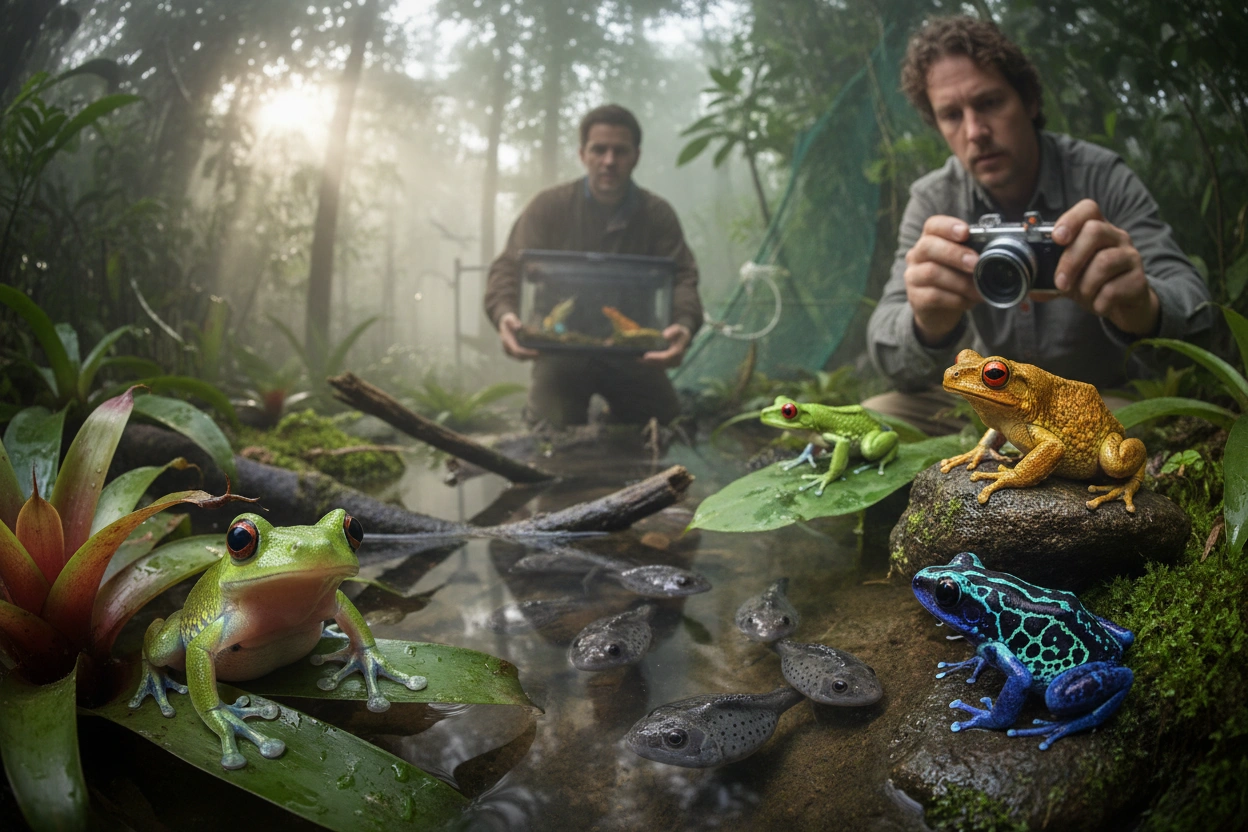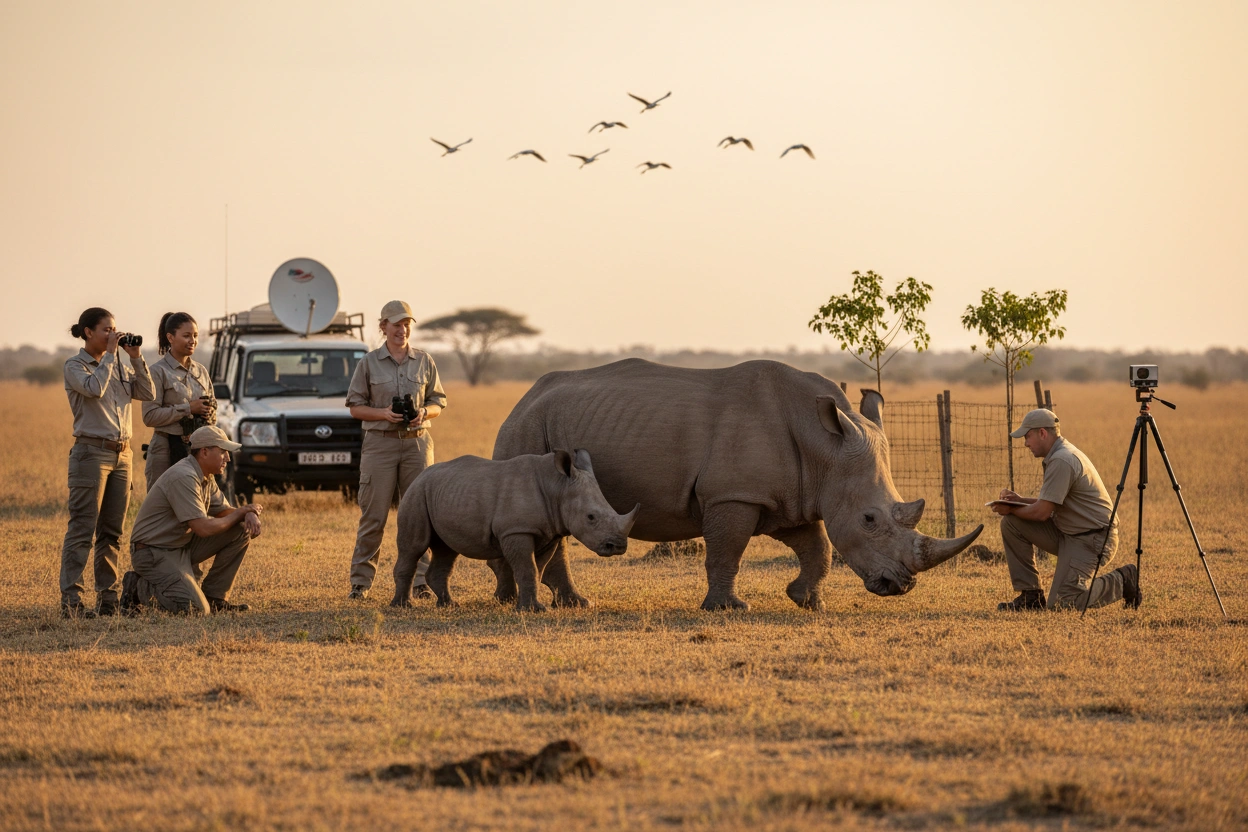
The plight of endangered animals is one of the most pressing issues facing our planet today. With habitat destruction, poaching, and climate change threatening countless species, conservation efforts have become crucial in safeguarding biodiversity. These efforts are not merely about saving individual species; they represent a broader commitment to ecological balance and the health of our planet. In this article, we will explore key conservation initiatives that have successfully contributed to the survival of endangered animals, while also highlighting the top ten endangered animals you need to know about in 2026.
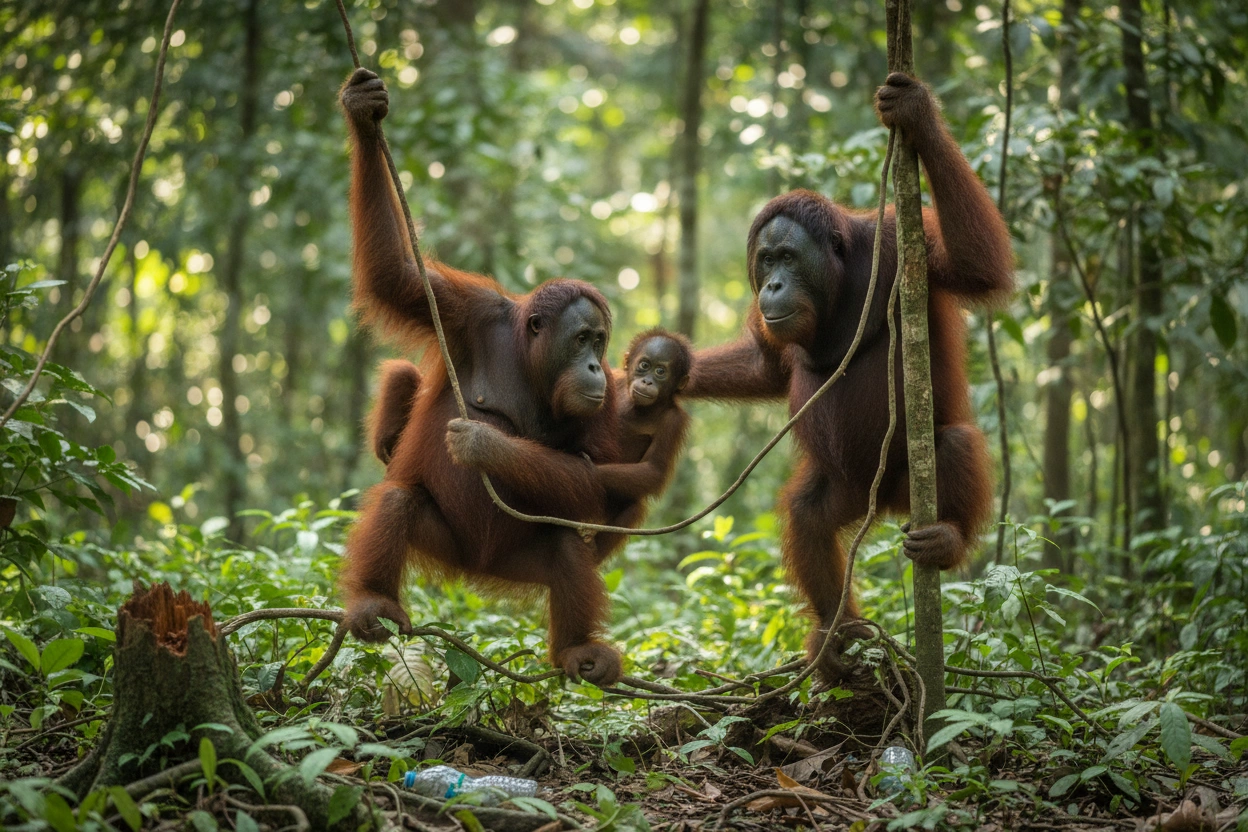
Endangered animals are species that are at risk of extinction due to a variety of factors, including habitat loss, over-exploitation, pollution, and climate change. The International Union for Conservation of Nature (IUCN) classifies these species based on their population status, with categories ranging from Least Concern to Critically Endangered. The consequences of losing these species extend beyond biodiversity; they disrupt ecosystems, impact human livelihoods, and threaten the overall health of our planet.
Conservation efforts aim to address these challenges through a range of strategies, including habitat restoration, legal protection, captive breeding programs, and community engagement. Many organizations, both governmental and non-governmental, work tirelessly to implement these strategies, often facing significant hurdles such as funding limitations and political resistance. However, the successes achieved in recent years provide hope and serve as a testament to the effectiveness of dedicated conservation work.
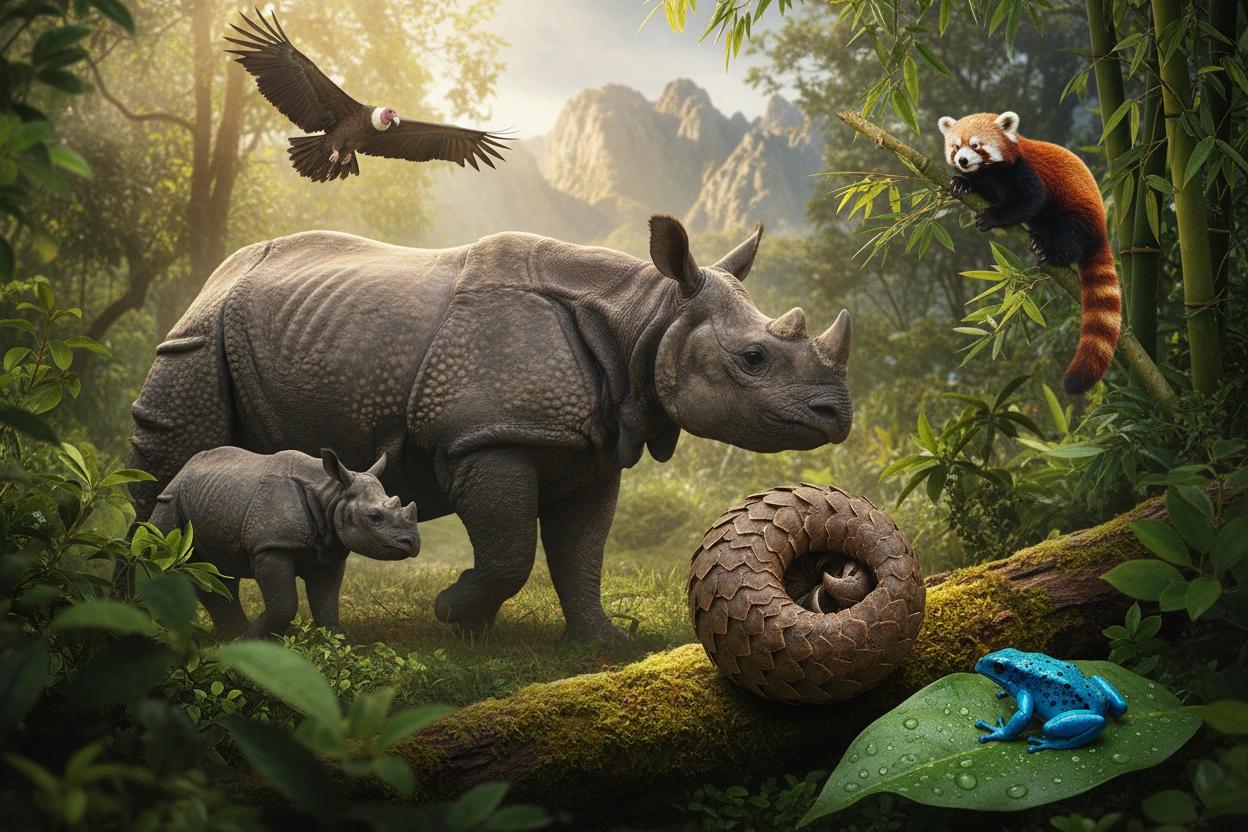
Understanding the specific endangered animals is essential for effective conservation efforts. Here are ten species that are currently facing significant threats:
The Amur leopard is one of the rarest big cats in the world, with an estimated population of fewer than 100 individuals left in the wild. Habitat loss due to deforestation and poaching for their beautiful fur are the primary threats. Conservation efforts, including anti-poaching patrols and habitat preservation, have been implemented in Russia and China, showing promising results.
The vaquita, a small porpoise found only in the Gulf of California, is critically endangered, with fewer than 30 individuals remaining. The primary threat to their survival is entanglement in illegal fishing nets. Conservation organizations are working to enforce fishing bans in their habitat and promote sustainable fishing practices to protect this species.
Native to the rainforests of Sumatra, the Sumatran orangutan faces extinction due to habitat destruction from palm oil plantations and illegal logging. Conservation efforts focus on habitat protection, rehabilitation of displaced orangutans, and raising awareness about sustainable palm oil production.
With only about 76 individuals remaining, the Javan rhinoceros is one of the most endangered large mammals on the planet. The species is primarily threatened by habitat loss and poaching. Conservationists are working to protect their remaining habitat in Ujung Kulon National Park, Indonesia, and implement strict anti-poaching measures.
Snow leopards inhabit the mountainous regions of Central Asia and are threatened by poaching and habitat loss. Conservation strategies include community-based programs that promote coexistence between local populations and wildlife, as well as anti-poaching initiatives.
Asian elephants are endangered due to habitat fragmentation, human-wildlife conflict, and poaching. Conservation efforts focus on protecting elephant corridors, reducing conflict through community education, and promoting eco-tourism that benefits both elephants and local communities.
The northern white rhinoceros is functionally extinct, with only two females remaining. Conservationists are exploring advanced reproductive technologies, including in vitro fertilization, to save this subspecies. Protecting these last individuals is crucial for the species' potential revival.
Hawksbill sea turtles are critically endangered due to illegal trade of their shells, habitat loss, and climate change. Conservation efforts include nesting site protection, community engagement in sustainable fishing practices, and legal measures to combat illegal trade.
Once on the brink of extinction, the California condor has made a remarkable recovery due to intensive conservation efforts, including captive breeding and release programs. Despite this success, the species remains endangered, primarily due to lead poisoning and habitat loss.
Pangolins are the most trafficked mammals in the world, primarily hunted for their scales and meat. Conservation initiatives focus on legal protection, anti-poaching efforts, and raising awareness about the ecological importance of pangolins.
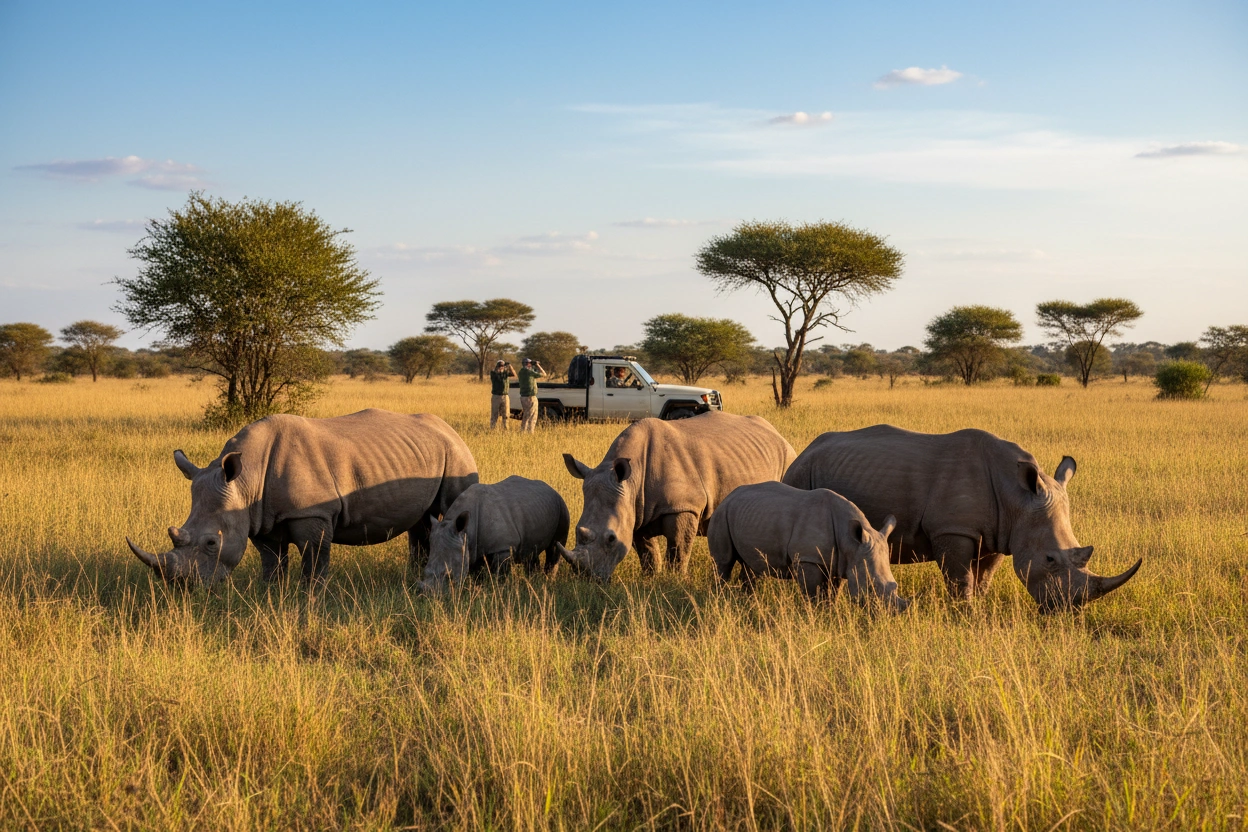
Various conservation efforts have proven effective in protecting endangered animals. Below are some notable strategies that have yielded positive results.
Restoring habitats is one of the most effective ways to support endangered animals. This involves rehabilitating ecosystems that have been degraded by human activities. For example, the reforestation of native trees in areas once cleared for agriculture can provide critical habitat for species like the Sumatran orangutan. Successful habitat restoration not only benefits wildlife but also enhances ecosystem services such as carbon sequestration and water filtration.
Implementing legal protections is vital for safeguarding endangered animals. Laws such as the Endangered Species Act in the United States provide a framework for protecting species and their habitats. These regulations can lead to the establishment of protected areas, restrictions on hunting, and penalties for poaching. For instance, the legal protection of the California condor has been instrumental in its recovery, allowing for critical breeding programs and habitat protections.
Engaging local communities is essential for the success of conservation efforts. When communities understand the value of preserving endangered species, they are more likely to participate in conservation initiatives. Programs that promote sustainable livelihoods, such as eco-tourism and alternative income sources, can align community interests with conservation goals. Successful examples include community-led conservation projects in Africa, where local populations benefit from protecting wildlife.
Captive breeding programs serve as a lifeline for many endangered species. These programs aim to breed animals in controlled environments and reintroduce them into the wild. The success of the California condor and the Arabian oryx, which was once extinct in the wild, demonstrates the potential of captive breeding to restore populations. However, careful planning and management are required to ensure that reintroduced animals can adapt to their natural habitats.
Combating poaching is critical for the survival of many endangered species. Anti-poaching initiatives often involve training local rangers, deploying technology such as drones for surveillance, and increasing penalties for poaching offenses. For example, in Africa, various organizations have successfully reduced poaching rates of elephants and rhinos through rigorous anti-poaching patrols and community awareness campaigns.
Despite the progress made in conservation efforts, several misconceptions persist that can hinder effective action.
Many people believe that conservation efforts focus solely on protecting animals. In reality, conservation encompasses the protection of entire ecosystems, which includes plants, water resources, and soil health. Healthy ecosystems are vital for the survival of all species, including humans.
While captive breeding plays a significant role in conservation, it is not a standalone solution. Reintroducing animals into the wild requires healthy habitats and robust ecosystems. Conservation must address the root causes of endangerment, such as habitat destruction and climate change, alongside breeding efforts.
Not all endangered animals face the same level of threat. Some species may be critically endangered due to specific factors, while others may be at risk but with larger populations. Understanding the unique challenges faced by each species is essential for developing targeted conservation strategies.
Advancements in technology have significantly enhanced conservation efforts. Here are a few notable applications:
Drones are increasingly used for monitoring wildlife populations and habitats. They provide a cost-effective means of surveying large areas, tracking animal movements, and detecting illegal activities such as poaching. This technology allows conservationists to gather data that was previously difficult or impossible to obtain.
Genetic analysis plays a crucial role in conservation biology. By understanding the genetic diversity of endangered populations, conservationists can make informed decisions about breeding programs and habitat management. Techniques such as DNA barcoding can identify species and assess population health.
Remote sensing technology allows conservationists to monitor environmental changes over time. By analyzing satellite imagery, researchers can track deforestation, habitat loss, and the effects of climate change. This information is vital for developing effective conservation strategies.
Education and public awareness are essential components of successful conservation efforts. By informing the public about endangered animals and the importance of biodiversity, organizations can inspire action and support for conservation initiatives. Educational programs in schools, community workshops, and social media campaigns can engage diverse audiences and promote a culture of conservation.
Hosting community workshops can empower local populations to take an active role in conservation. These workshops can cover topics such as sustainable practices, the ecological importance of local species, and ways to reduce human-wildlife conflict. Engaging communities fosters a sense of ownership and responsibility towards their natural environment.
Integrating conservation education into school curriculums can inspire the next generation to prioritize environmental stewardship. Programs that involve hands-on activities, such as tree planting or wildlife monitoring, can instill a sense of connection to nature and motivate students to become advocates for endangered animals.
Social media is a powerful tool for raising awareness about endangered animals. Campaigns that showcase the beauty and importance of these species can reach a wide audience and encourage public support for conservation initiatives. Engaging content, such as videos, infographics, and success stories, can help mobilize community action and donations for conservation efforts.
Conservation is not just a scientific endeavor; it is deeply intertwined with communities and cultures. Successful conservation efforts recognize the importance of involving local populations and respecting their rights. By fostering collaboration between conservationists and communities, we can create sustainable solutions that benefit both wildlife and people.
Creating sustainable livelihoods for local communities can reduce dependence on activities that threaten endangered animals. By promoting eco-tourism, sustainable agriculture, and responsible fishing practices, communities can benefit economically while contributing to conservation efforts.
Many endangered animals hold cultural significance for local populations. Recognizing and respecting this cultural connection can enhance conservation initiatives. Involving communities in decision-making processes and incorporating traditional ecological knowledge can lead to more effective conservation strategies.
Collaborative management approaches, where conservationists work alongside local communities, have proven successful in many regions. These partnerships can lead to innovative solutions that address both conservation goals and community needs. For example, involving local hunters in monitoring wildlife populations can create a sense of responsibility and stewardship.
As we look towards the future, the importance of continued conservation efforts cannot be overstated. The challenges facing endangered animals are significant, but with concerted action and innovative strategies, we can make a difference. It is imperative that governments, organizations, and individuals unite to protect our planet's biodiversity.
Everyone can play a role in conservation. Simple actions such as supporting wildlife-friendly products, participating in local clean-up efforts, or advocating for policies that protect endangered species can contribute to the larger conservation movement.
Staying informed about conservation issues and the status of endangered animals is crucial. Follow reputable organizations, read articles, and engage in discussions to raise awareness about the plight of endangered species.
Donating to or volunteering with conservation organizations can have a significant impact. Many organizations rely on public support to fund their initiatives and protect endangered animals. Consider contributing your time or resources to help make a difference.
The fight to save endangered animals is ongoing, and the efforts made today will determine the future of countless species. The Banana Slug Club is dedicated to fostering awareness and action regarding endangered animals and the conservation efforts that can save them. By focusing on education, community involvement, and innovative conservation strategies, the Banana Slug Club aims to create a brighter future for endangered species.
As you reflect on the insights gained about endangered animals and the successful conservation efforts that have made a difference, consider how you can contribute to these initiatives. Whether through education, advocacy, or direct action, every effort counts in the fight to protect our planet's biodiversity.
To learn more about how you can get involved and support conservation efforts, visit the Banana Slug Club today. Together, we can make a lasting impact on the future of endangered animals.
Get free resources, early access to new features and updates.
No spam. Just fun educational emails!


.svg)
.svg)