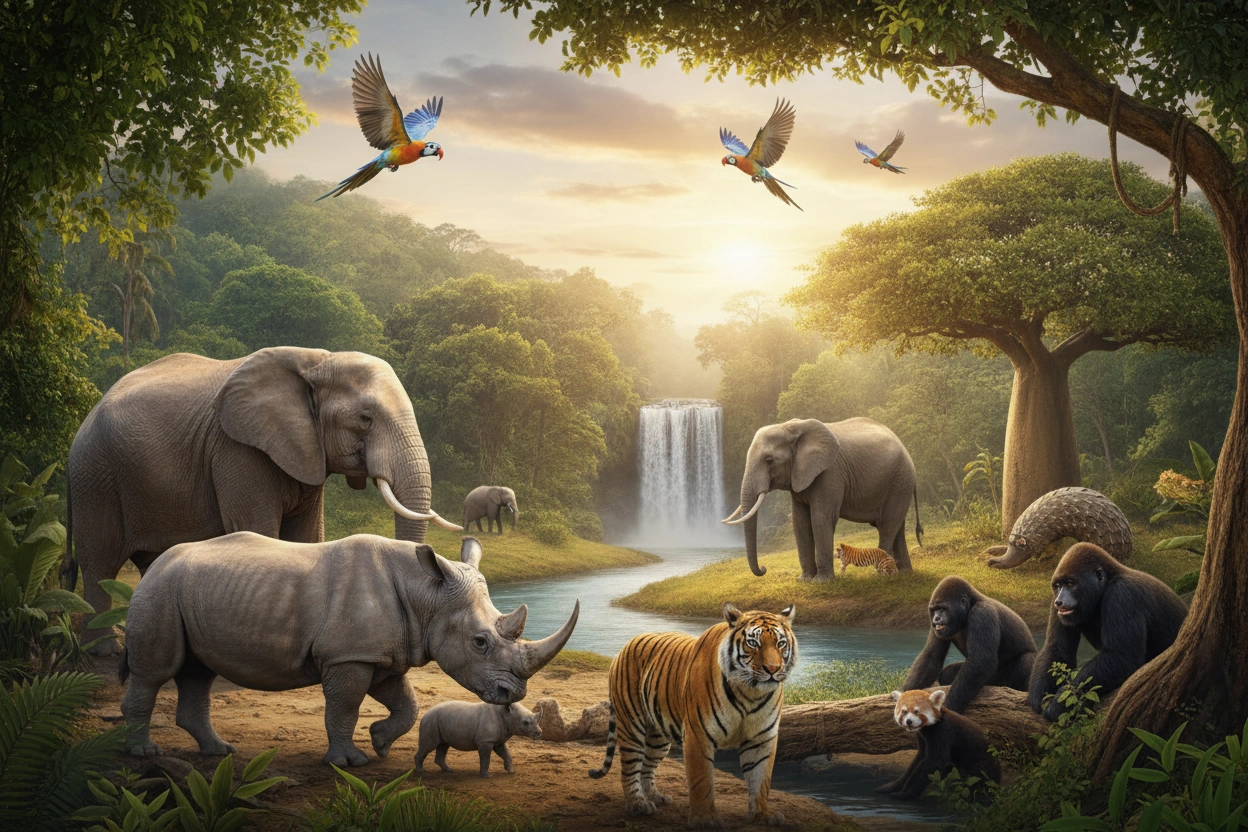
Climate change is an ever-pressing issue that has far-reaching consequences across the globe. One of the most alarming effects is its impact on endangered animals, a group already vulnerable due to habitat loss, poaching, and pollution. As we advance through 2026, understanding the interplay between climate change and endangered species becomes crucial for conservation efforts. This article delves into the profound implications of climate change on these animals and highlights the top ten endangered species that are particularly at risk.
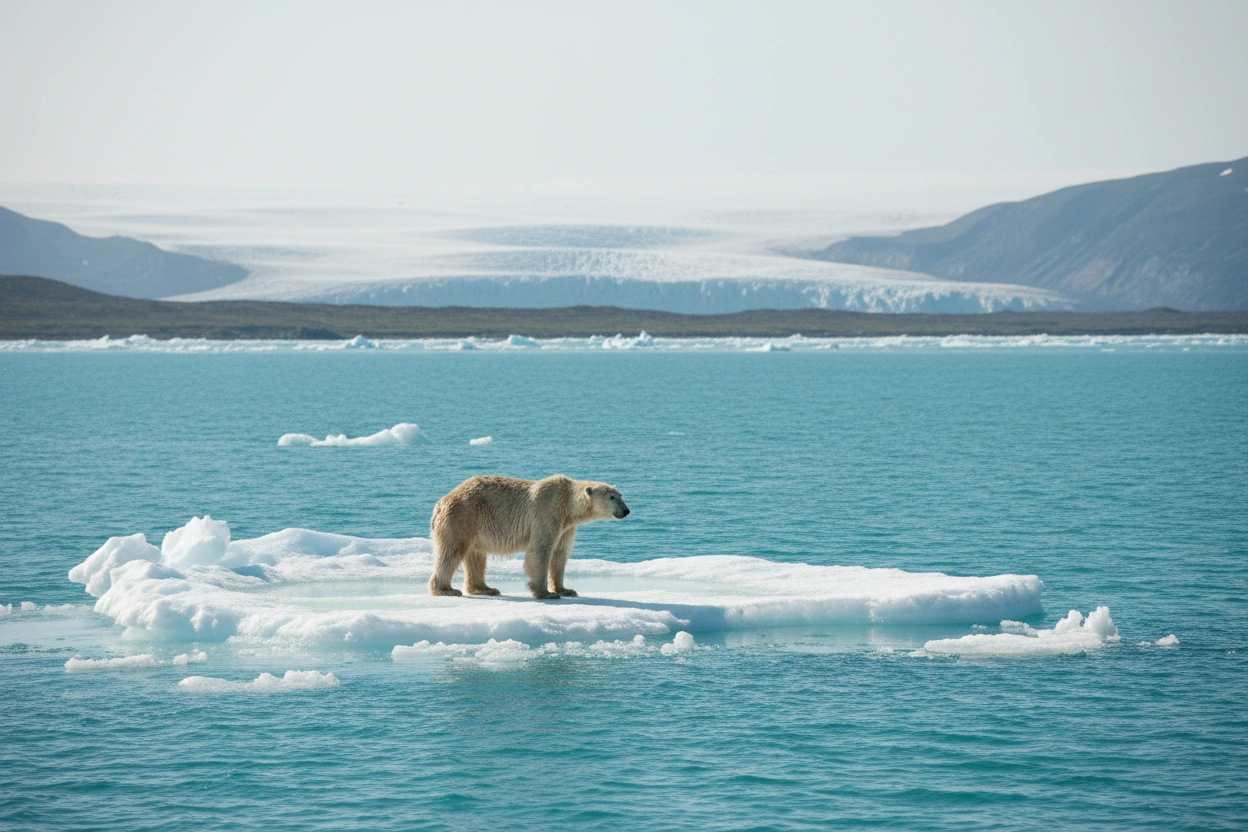
Climate change, driven primarily by human activities such as burning fossil fuels and deforestation, leads to rising global temperatures, changing precipitation patterns, and more frequent extreme weather events. These changes disrupt ecosystems, making it increasingly difficult for endangered animals to thrive.
The ramifications are multifaceted. For instance, habitat destruction due to rising sea levels threatens coastal species, while altered food supply chains impact predator-prey dynamics in terrestrial ecosystems. Additionally, climate change can exacerbate existing threats such as poaching and disease, further endangering species already on the brink of extinction.
Ecosystems are complex networks where various species interact with each other and their environment. Climate change disrupts these interactions, leading to potential cascading effects on biodiversity. For instance, as certain species migrate to adapt to changing climates, they may outcompete local species for resources, thereby altering the ecological balance.
Moreover, the degradation of habitats—such as coral reefs and forests—limits the available resources for endangered animals. This not only puts pressure on their survival but also reduces genetic diversity, making them more susceptible to diseases and environmental changes.
Conservation efforts play a pivotal role in mitigating the effects of climate change on endangered animals. These initiatives can include habitat restoration, establishing protected areas, and implementing breeding programs for at-risk species. By actively engaging in conservation, we can help stabilize ecosystems and provide a buffer against the adverse effects of climate change.
Furthermore, public awareness and education are essential components of successful conservation strategies. By informing communities about the plight of endangered animals and the importance of biodiversity, we can foster a culture of stewardship and responsibility toward the environment.

As we explore the effects of climate change, it is essential to highlight specific endangered animals that are particularly vulnerable. Here are ten species that exemplify the urgent need for top conservation efforts:
Amur Leopard
Sumatran Orangutan
Vaquita
Javan Rhino
Snow Leopard
Hawksbill Turtle
African Elephant
Bornean Pygmy Elephant
Sunda Tiger
Red Wolf
These species are not only vital to their respective ecosystems but also serve as indicators of broader environmental health. Protecting them is essential for maintaining biodiversity and ecosystem stability.
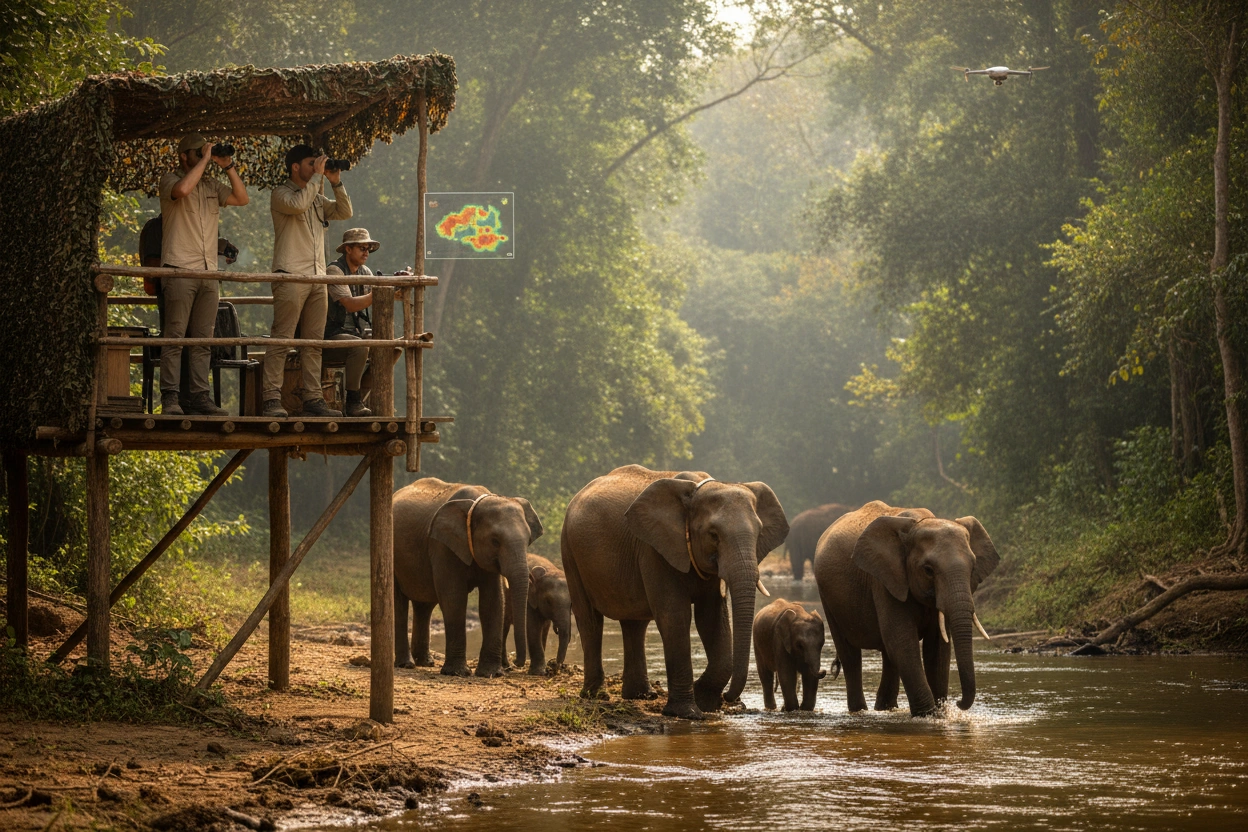
To combat the challenges posed by climate change on endangered animals, individuals, organizations, and governments can implement various strategies. Here are some actionable insights:
Government policies play a significant role in the protection of endangered animals. Effective legislation can provide frameworks for conservation efforts, regulate hunting, and establish protected areas. Key policies include:
The ESA is a critical piece of legislation in the United States aimed at protecting threatened and endangered species and their habitats. This act provides tools for recovery plans and funding for conservation efforts.
International agreements such as the Convention on International Trade in Endangered Species of Wild Fauna and Flora (CITES) regulate trade in endangered species. By working collaboratively across borders, countries can better protect species that migrate or inhabit multiple regions.
Incorporating wildlife considerations into climate action plans is essential. Policies should aim to mitigate climate change impacts on ecosystems, ensuring that endangered animals have the resources and habitats they need to survive.
As the evidence mounts regarding the impact of climate change on endangered animals, the need for coordinated conservation efforts becomes increasingly apparent. The intersection of climate change and conservation presents both challenges and opportunities. By integrating climate considerations into conservation strategies, we can enhance the resilience of endangered species and their habitats.
The complexity of these interactions requires a multi-faceted approach, combining scientific research, community engagement, and robust policy frameworks. Effective conservation can not only save endangered animals but also contribute to a healthier planet for all species, including humans.
In light of these challenges, organizations like the Banana Slug Club are committed to fostering awareness and action around endangered species. Through education and community involvement, we can collectively work towards preserving biodiversity and combating climate change.
As we navigate the complexities of climate change and its impact on endangered animals, it is essential to take action. The Banana Slug Club is dedicated to educating individuals and communities about the importance of conservation efforts. By getting involved, whether through volunteering or supporting sustainable practices, you can make a significant difference.
To learn more about how you can help endangered animals and participate in conservation efforts, visit Banana Slug Club. Together, we can create a future where endangered species thrive and ecosystems flourish.
Get free resources, early access to new features and updates.
No spam. Just fun educational emails!


.svg)
.svg)