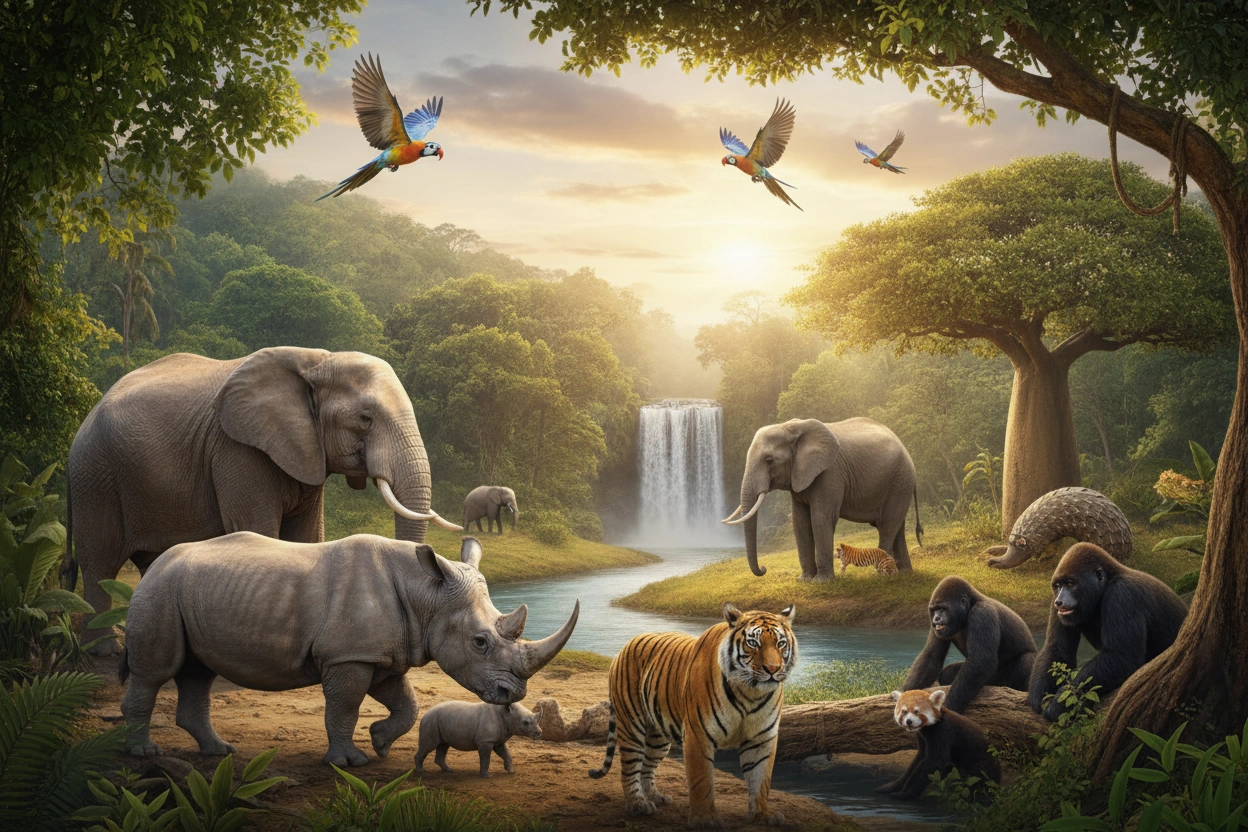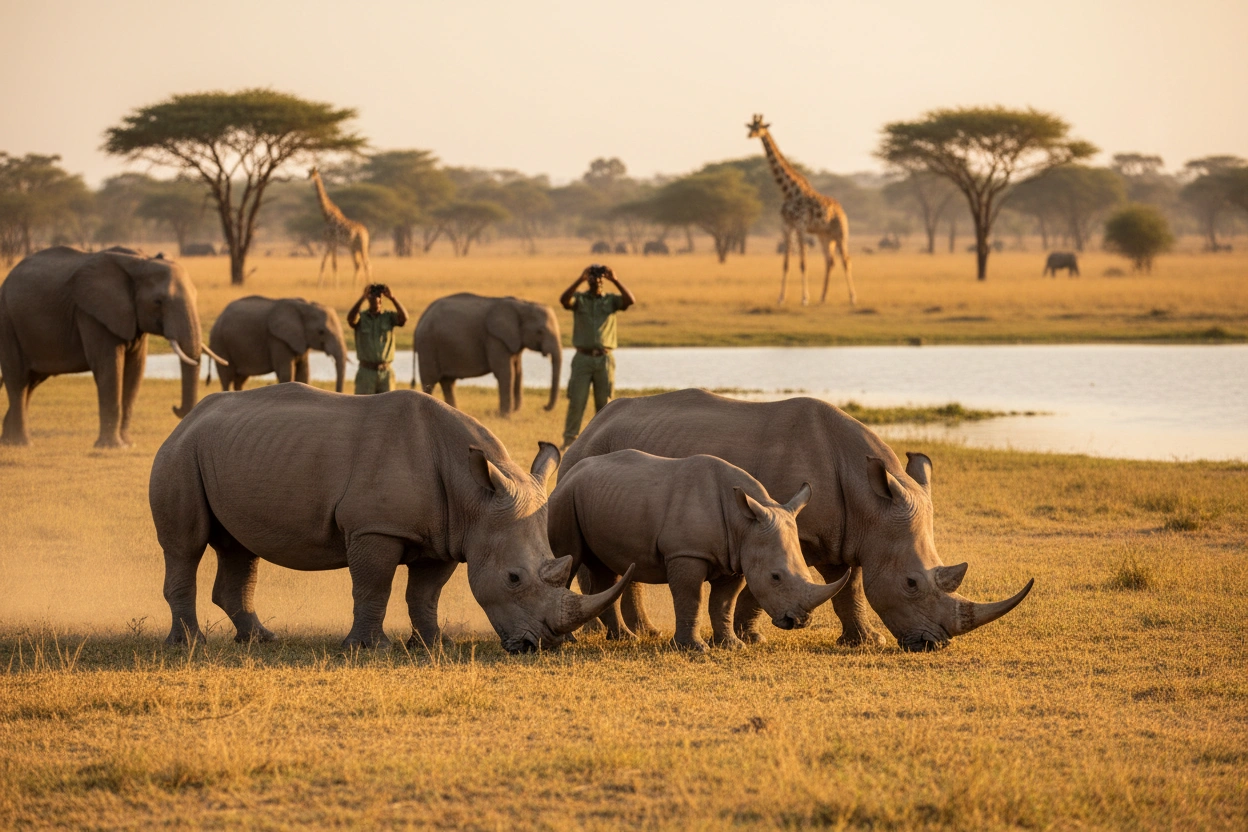
The plight of endangered animals has long captured the attention of conservationists, researchers, and the general public. As we move through 2026, it is essential to highlight the remarkable success stories that showcase how dedicated conservation efforts play a pivotal role in the recovery of species on the brink of extinction. This article delves into the inspiring tales of endangered animals that have made significant comebacks, revealing the strategies that have contributed to their resurgence.
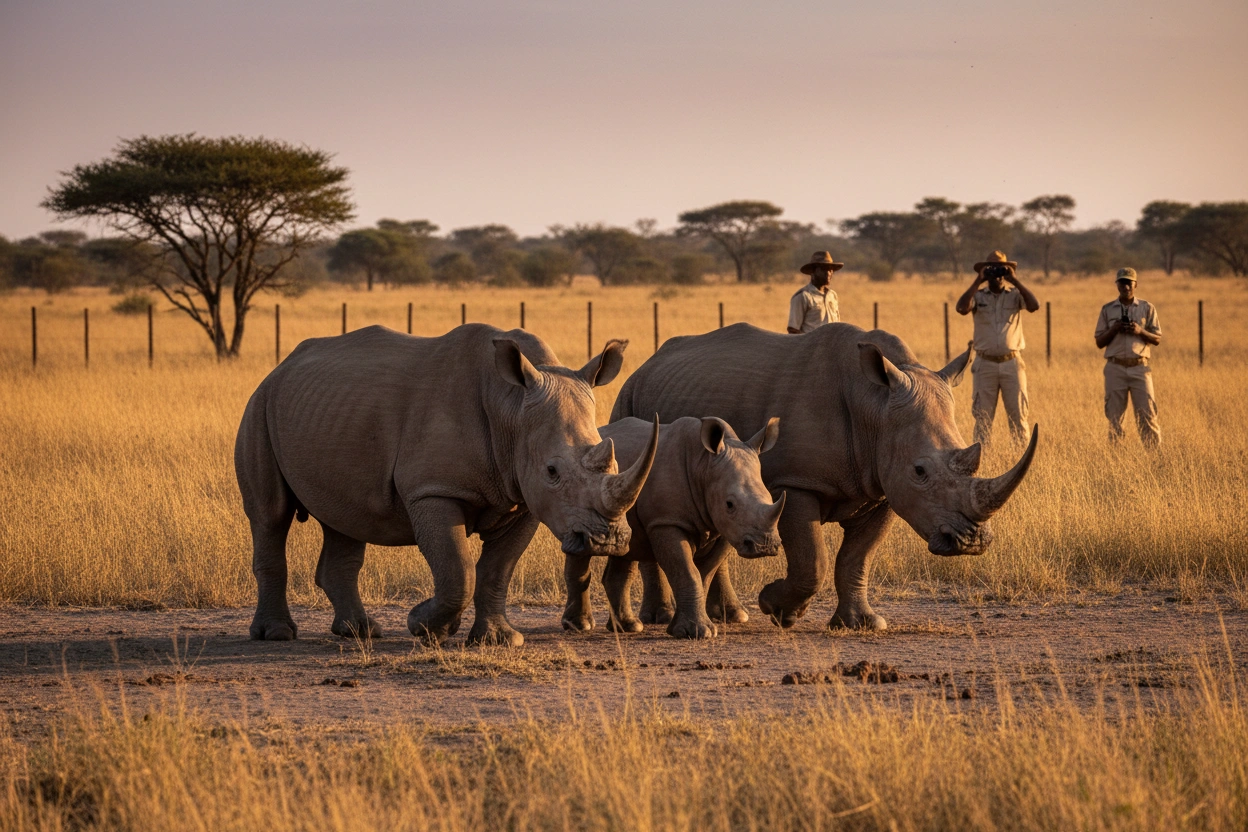
Conservation efforts play a pivotal role in protecting endangered animals and their habitats. These initiatives encompass a variety of strategies, including habitat restoration, legal protection, and breeding programs. Each method addresses the unique challenges that different species face, from habitat loss to poaching. The success of these programs not only benefits the animals but also contributes to biodiversity, which is crucial for ecosystem stability.
Endangered animals often face multiple threats that hinder their survival. These challenges include:
By understanding these challenges, conservationists can design targeted strategies to mitigate risks and promote recovery.
Community involvement is crucial in conservation efforts. Engaging local communities in protecting endangered animals fosters a sense of ownership and responsibility. This can take various forms, such as:
Communities that feel invested in conservation efforts are more likely to participate actively in protecting endangered animals and their habitats.

As of 2026, numerous endangered animals show signs of recovery thanks to concerted conservation efforts. Here are the top ten endangered species that have made significant strides in their populations:
Giant Panda (Ailuropoda melanoleuca)
Gray Wolf (Canis lupus)
California Condor (Gymnogyps californianus)
Amur Leopard (Panthera pardus orientalis)
Hawksbill Turtle (Eretmochelys imbricata)
Eastern Black Rhinoceros (Diceros bicornis)
Snow Leopard (Panthera uncia)
Saola (Pseudoryx nghetinhensis)
Bornean Orangutan (Pongo pygmaeus)
Iberian Lynx (Lynx pardinus)
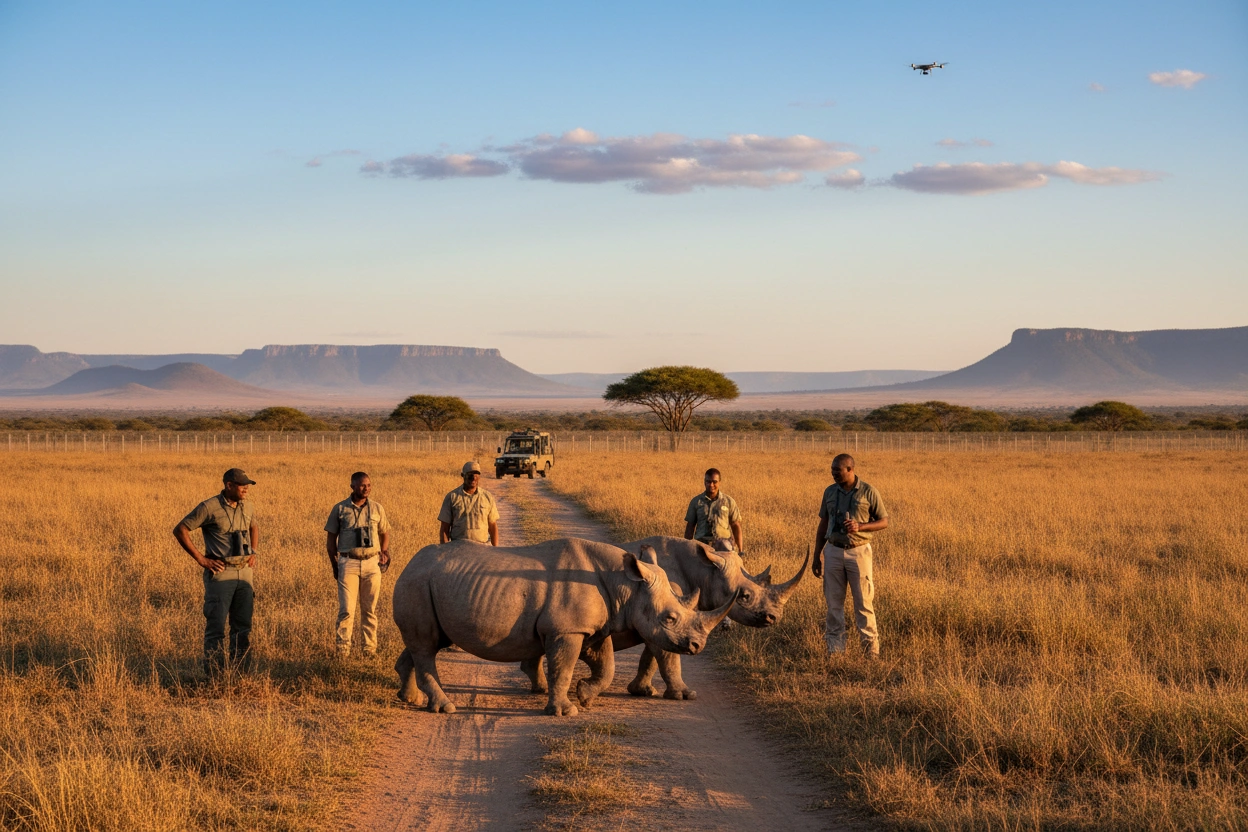
The success stories of these endangered animals underscore the effectiveness of various conservation strategies. Here are some key approaches that have proven successful:
Restoring natural habitats is fundamental to the recovery of endangered animals. This may involve:
Strong legal frameworks are essential for the protection of endangered species. Important measures include:
Engaging local communities in conservation efforts can lead to sustainable solutions. This can be achieved through:
Ongoing research and monitoring are vital for understanding the needs of endangered animals. Strategies include:
Despite the progress made in conservation, several misconceptions persist regarding endangered animals and their recovery. Addressing these misunderstandings is crucial for fostering support for ongoing efforts.
While many endangered animals face significant threats, not all are on the verge of extinction. Some species are classified as endangered due to declining populations but still have viable numbers. For example, the gray wolf and giant panda have shown recovery due to effective conservation strategies.
The belief that conservation efforts are ineffective undermines the progress made in recent decades. Success stories, such as the recovery of the California condor and Iberian lynx, demonstrate that targeted strategies can lead to population increases and habitat restoration.
While government agencies play a crucial role in conservation, non-profit organizations, local communities, and individuals can also contribute significantly. Grassroots movements and private initiatives often drive impactful conservation projects.
As we look ahead, the future of endangered animals will depend on continued collaboration and innovation in conservation. The integration of technology, such as drone monitoring and genetic analysis, will enhance our ability to protect vulnerable species. Moreover, fostering a global conservation ethic that values biodiversity and ecosystem health is essential for ensuring the survival of endangered animals.
Technological advancements are revolutionizing conservation efforts. Here are some innovative tools and methods:
Conservation is a global challenge that requires cooperation across borders. International partnerships can facilitate knowledge sharing and resource allocation. Collaborative efforts can include:
Conservation success stories serve as powerful reminders of what can be achieved through dedication and collaboration. They inspire further efforts and highlight the importance of protecting endangered animals. As we celebrate these victories, it is crucial to recognize that the work is far from over. The challenges facing endangered species remain significant, and ongoing commitment is essential.
Public awareness and engagement are vital for the success of conservation initiatives. Effective strategies to involve the public include:
Conservation success stories not only highlight the resilience of endangered animals but also underscore the importance of community involvement in these efforts. Organizations like Banana Slug Club are dedicated to promoting awareness and education about endangered animals. By fostering a sense of community responsibility and encouraging individual action, we can enhance conservation outcomes.
Banana Slug Club is committed to supporting conservation initiatives through education and community engagement. By providing resources, organizing events, and raising awareness about endangered animals, the club empowers individuals to take action. Whether it is through volunteering, donations, or simply spreading the word, everyone can play a role in protecting our planet's biodiversity.
Engaging with conservation efforts is not just the responsibility of professionals; it is a collective duty. Here are some ways you can get involved:
By taking these steps, you contribute to the ongoing efforts to protect endangered animals and promote biodiversity.
Visit Banana Slug Club to learn more about how you can get involved and make a difference in the fight for conservation. Together, we can ensure a brighter future for endangered animals and the ecosystems they inhabit.
Get free resources, early access to new features and updates.
No spam. Just fun educational emails!


.svg)
.svg)