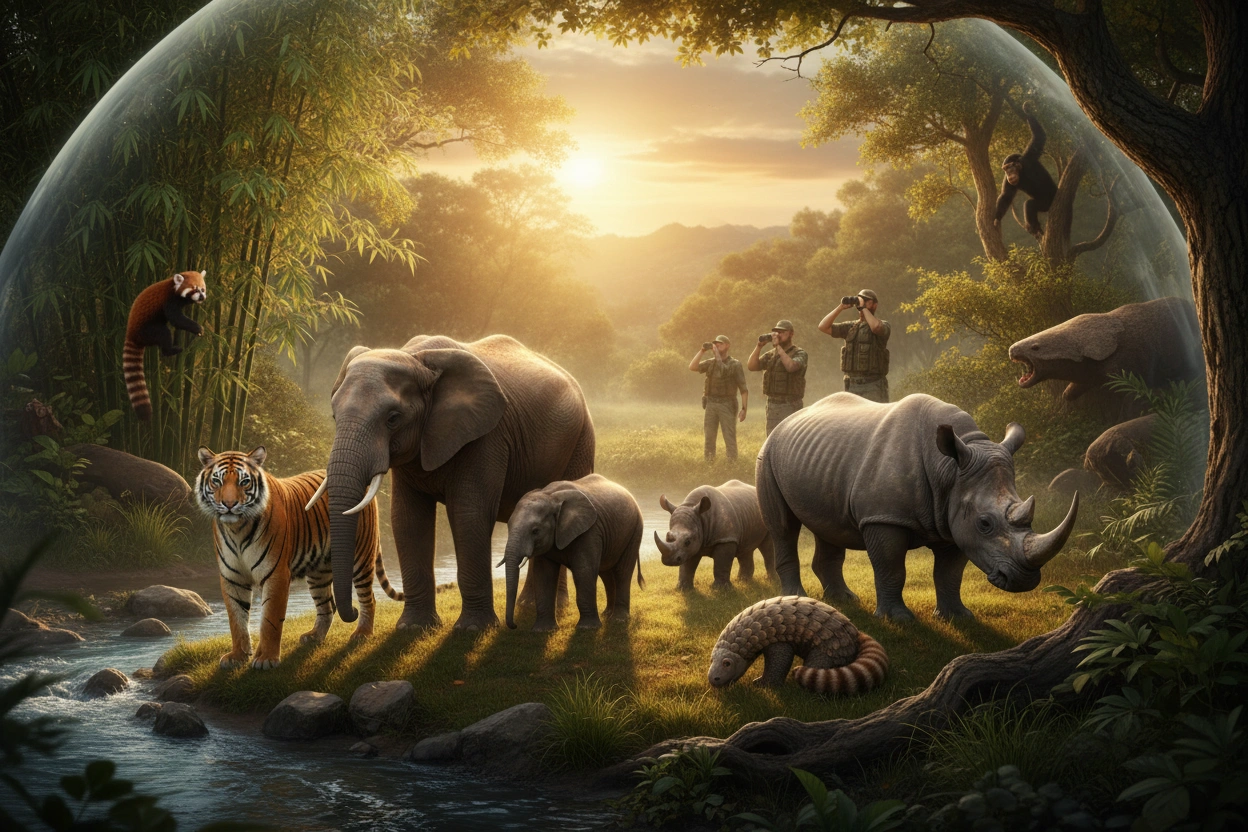
The plight of endangered animals is a pressing issue that requires immediate and innovative solutions. With the increasing threat of habitat loss, poaching, climate change, and human encroachment, many species are teetering on the brink of extinction. As of 2026, it is estimated that over 41,000 species are currently classified as endangered. This article delves into innovative wildlife conservation strategies that aim to protect these vulnerable species while shedding light on the top ten endangered animals you need to know about.
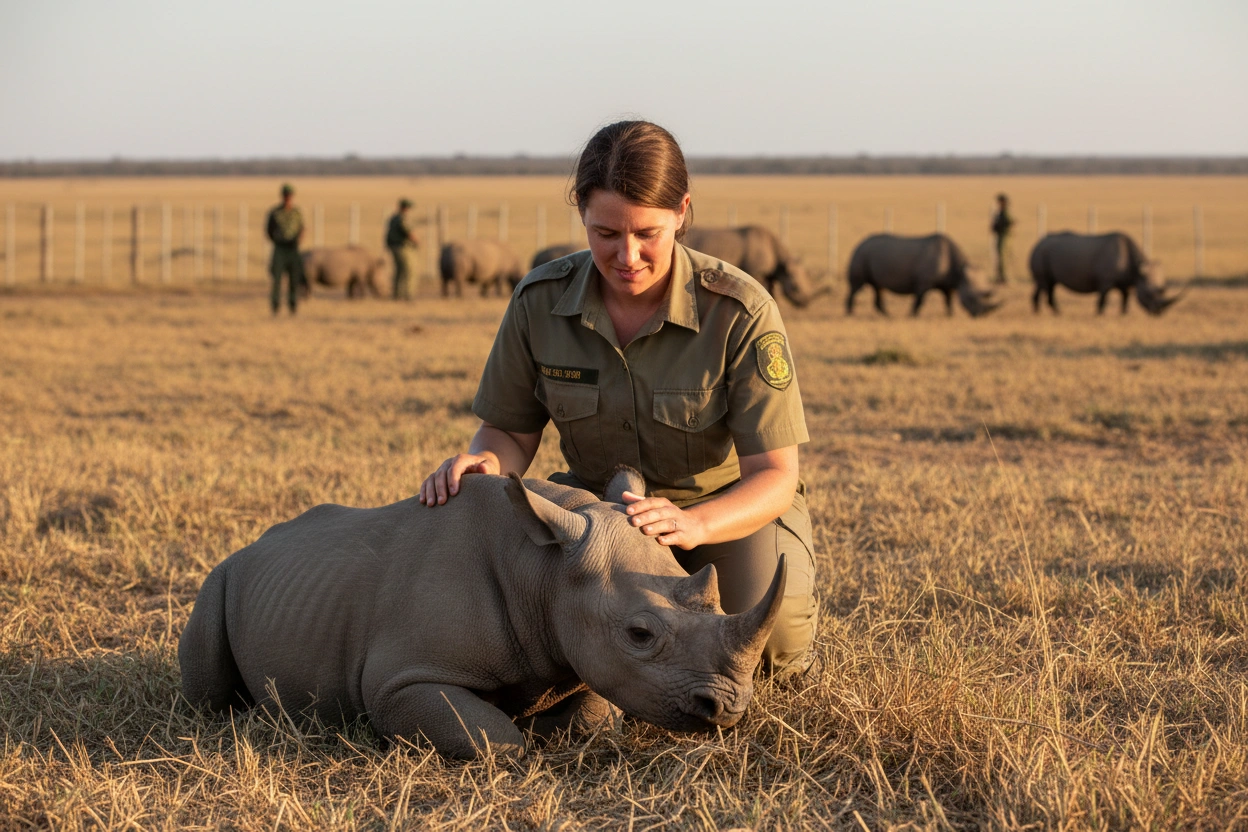
Conservation efforts are vital for maintaining biodiversity and ensuring that ecosystems remain balanced. The extinction of a single species can have cascading effects on the environment, impacting food chains and habitat structures. By safeguarding endangered animals, we not only protect the species themselves but also promote healthier ecosystems. importance of conservation efforts
Effective legislation is a cornerstone of wildlife conservation. Laws such as the Endangered Species Act in the United States have played a pivotal role in providing protections for endangered species and their habitats. These policies often involve:
The continuous advocacy for stronger environmental laws is crucial as it reinforces the commitment to protecting endangered animals. Countries around the world are recognizing the need for similar legislation, which helps create a global framework for conservation efforts.
Community involvement is another essential component of successful conservation strategies. Educating local populations about the importance of wildlife preservation fosters a sense of ownership and responsibility toward the environment. This can be achieved through:
Engaging communities ensures that conservation efforts are sustainable and culturally appropriate, leading to more effective outcomes.
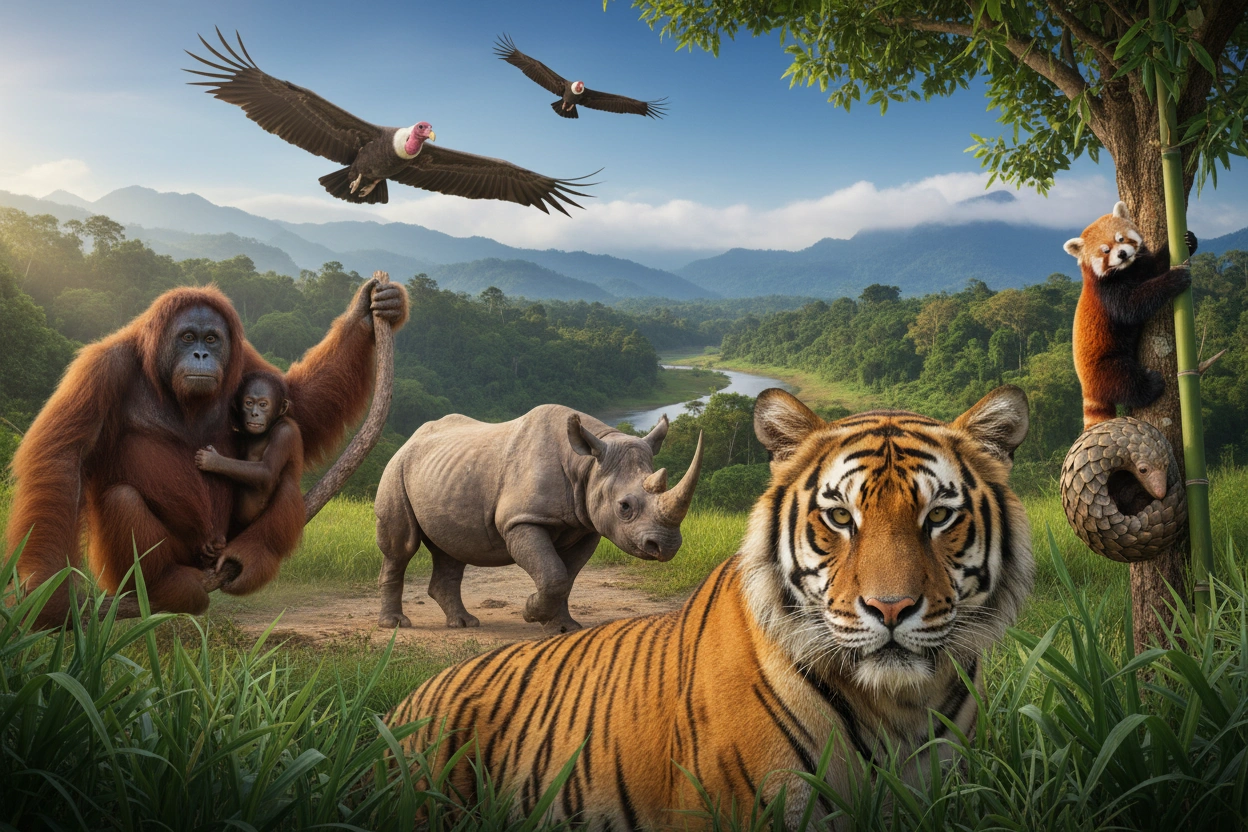
To fully grasp the urgency of conservation efforts, it's essential to highlight some of the most endangered animals facing extinction. Here are ten species that embody the challenges of wildlife preservation.
The Amur leopard is one of the rarest big cats in the world, with an estimated population of fewer than 100 individuals in the wild. Found primarily in the Russian Far East and Northeast China, habitat loss and poaching are the main threats to their survival. Conservation strategies include habitat restoration and anti-poaching patrols.
The vaquita, a small porpoise native to the Gulf of California, is critically endangered, with fewer than 30 individuals remaining. The primary threat to this species is bycatch in illegal gillnets used for fishing. Conservation efforts focus on enforcing fishing bans and promoting sustainable fishing practices.
The Javan rhino is one of the most endangered large mammals, with only about 80 individuals left, all residing in Ujung Kulon National Park in Indonesia. The main threats include habitat loss and poaching. effective conservation measures involve strict anti-poaching laws and habitat management.
With approximately 14,000 individuals left in the wild, the Sumatran orangutan is critically endangered due to deforestation and habitat fragmentation. Conservation efforts include reforestation projects and creating wildlife corridors to connect fragmented habitats.
Only two northern white rhinos are known to exist, both female and living under protection in Kenya. The primary threat has been poaching for their horns. Conservation strategies involve advanced reproductive technologies, such as in vitro fertilization, to ensure the species' survival.
The hawksbill turtle, known for its beautiful shell, faces threats from illegal trade, habitat loss, and climate change. Conservation efforts include protecting nesting sites and enforcing laws against illegal shell trade.
With a population of fewer than 6,000, the African wild dog is endangered due to habitat loss and human-wildlife conflict. Conservation strategies involve creating protected areas and educating local communities about coexistence.
Snow leopards are elusive big cats found in the mountainous regions of Central and South Asia. With an estimated population of 4,000 to 6,500, they face threats from poaching and habitat loss. Conservation efforts focus on community-based initiatives and protecting their habitats.
The red wolf, once prevalent in the eastern United States, is now critically endangered, with only about 20 individuals remaining in the wild. Habitat loss and hybridization with coyotes have significantly impacted their population. Conservation efforts include captive breeding and habitat restoration.
The Yangtze giant softshell turtle is one of the world's rarest turtles, with only three known individuals remaining. Conservation efforts are focused on captive breeding and habitat protection to prevent extinction.

As the challenges of protecting endangered animals become more complex, innovative strategies are emerging to address these issues effectively. conservation strategies are essential for ensuring the survival of these species.
Technological advancements are playing a crucial role in wildlife conservation. Tools such as drones, camera traps, and GPS tracking are transforming how conservationists monitor and protect endangered species. These technologies enable:
For instance, drones can cover vast areas of land quickly, providing valuable data on wildlife populations and habitat conditions without disturbing the animals.
Genetic rescue is an emerging strategy that involves using genetic techniques to enhance the genetic diversity of endangered populations. This can be achieved through:
This approach is particularly important for species with small populations, as it can help prevent inbreeding and increase resilience to diseases.
Community-based conservation involves local communities in the management and protection of wildlife. This strategy recognizes that local people are often the best stewards of their environment. Key components include:
By involving local populations, conservation efforts can become more effective and sustainable.
Ecotourism is an increasingly popular strategy that promotes conservation while providing economic benefits to local communities. This form of tourism encourages visitors to appreciate wildlife and natural habitats, leading to increased support for conservation efforts. Key benefits include:
Ecotourism can create a win-win scenario where both wildlife and local economies benefit.
Understanding endangered animals often comes with a set of misconceptions that can hinder conservation efforts. Addressing these misunderstandings is crucial for effective advocacy.
Many people believe that endangered animals only inhabit remote areas and are not affected by human activity. In reality, many endangered species exist in urban and suburban areas, where habitat fragmentation and pollution pose significant threats.
While the term "endangered" suggests imminent extinction, it encompasses a range of species at different risk levels. Some may be critically endangered, while others may simply be vulnerable. Understanding this spectrum is essential for prioritizing conservation efforts.
Some individuals believe that common species do not require conservation efforts. However, even species that are currently abundant can face sudden declines due to environmental changes, disease, or habitat loss. Proactive conservation strategies are essential to prevent future crises.
Numerous organizations are dedicated to the protection of endangered animals and their habitats. These organizations play a vital role in conservation efforts through various initiatives, such as:
Support for these organizations is crucial, as they often rely on donations and volunteer work to sustain their efforts. support conservation organizations through donations or volunteering.
As we explore innovative wildlife conservation strategies, it becomes clear that the intersection of conservation and community engagement is vital for success. By fostering a collaborative approach, conservationists can create sustainable solutions that benefit both endangered animals and local populations.
The work of organizations like the Banana Slug Club is instrumental in promoting wildlife conservation and engaging communities in meaningful ways. Through educational programs and community initiatives, the Banana Slug Club empowers individuals to take action and make a difference in their local environments.
As individuals, there are several ways we can contribute to the protection of endangered animals:
By taking these actions, we can collectively make a significant impact on the future of endangered animals.
In summary, protecting endangered animals requires a multifaceted approach that combines innovative strategies, community involvement, and effective legislation. The insights shared in this article highlight the importance of understanding the challenges faced by these species and the need for collective action to ensure their survival.
If you are passionate about wildlife conservation and want to learn more or get involved, consider reaching out to the Banana Slug Club. Their commitment to educating communities and promoting effective conservation strategies makes them a valuable resource for anyone looking to make a difference.
Visit Banana Slug Club to explore how you can contribute to the protection of endangered animals and support innovative conservation efforts.
Get free resources, early access to new features and updates.
No spam. Just fun educational emails!


.svg)
.svg)