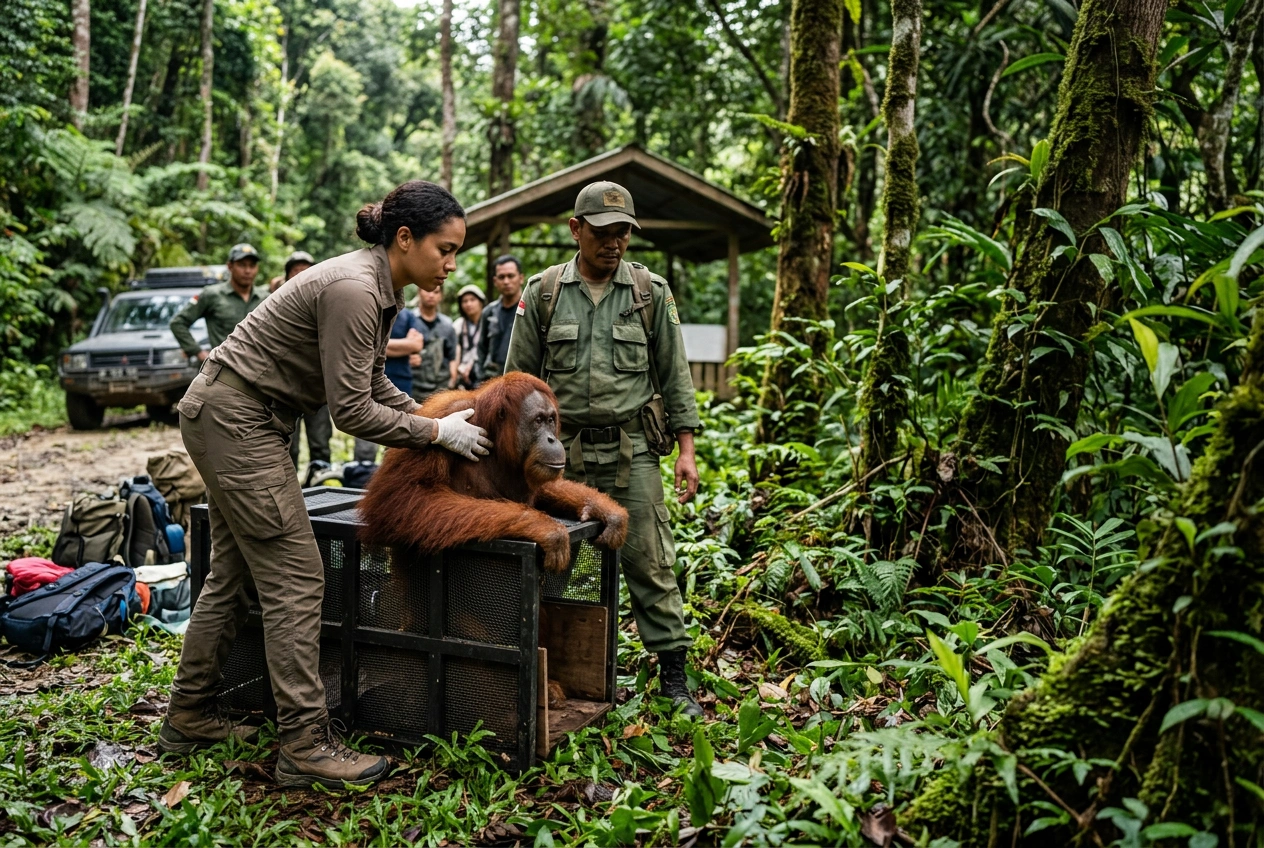
The plight of endangered animals is a pressing issue that resonates globally. As habitats are destroyed and populations dwindle, the urgency for conservation efforts intensifies. In 2026, numerous organizations and initiatives are working tirelessly to protect these vulnerable species, implementing innovative strategies that not only aim to conserve but also restore ecosystems. Understanding these efforts is crucial for anyone interested in wildlife preservation and environmental sustainability.
In this article, we will explore the top conservation efforts that are making a tangible difference for endangered animals. Additionally, we will highlight the top ten endangered animals you need to know about, underscoring the importance of awareness in conservation strategies. By educating ourselves about these species and the challenges they face, we can better support the efforts aimed at their survival.
Endangered animals are species at risk of extinction due to various factors, including habitat loss, poaching, climate change, and invasive species. The International Union for Conservation of Nature (IUCN) categorizes species based on their risk of extinction, with classifications ranging from Least Concern to Critically Endangered. This classification helps prioritize conservation efforts and allocate resources effectively.
Endangered animals play crucial roles in maintaining the balance of ecosystems. For instance, predators regulate prey populations, while herbivores can influence plant communities. The loss of a single species can lead to cascading effects throughout an ecosystem, highlighting the interconnectedness of life on Earth. Protecting endangered species is not merely an ethical imperative; it is essential for preserving biodiversity and ensuring the health of our planet. The ecological role of endangered species is vital for ecosystem health.

Awareness is the first step in supporting conservation efforts. Below are ten endangered animals that exemplify the diversity of species facing threats:
Amur Leopard
With fewer than 100 individuals left in the wild, the Amur leopard is one of the rarest big cats. Habitat loss due to logging and human encroachment, combined with poaching, has pushed this species to the brink of extinction.
Vaquita
The vaquita is a small porpoise found only in the Gulf of California. With an estimated population of fewer than 30 individuals, it faces imminent extinction primarily due to bycatch in illegal gillnets used for fishing.
Sumatran Orangutan
Habitat destruction from palm oil plantations and illegal logging has led to the decline of the Sumatran orangutan. Conservation efforts focus on habitat protection and rehabilitation.
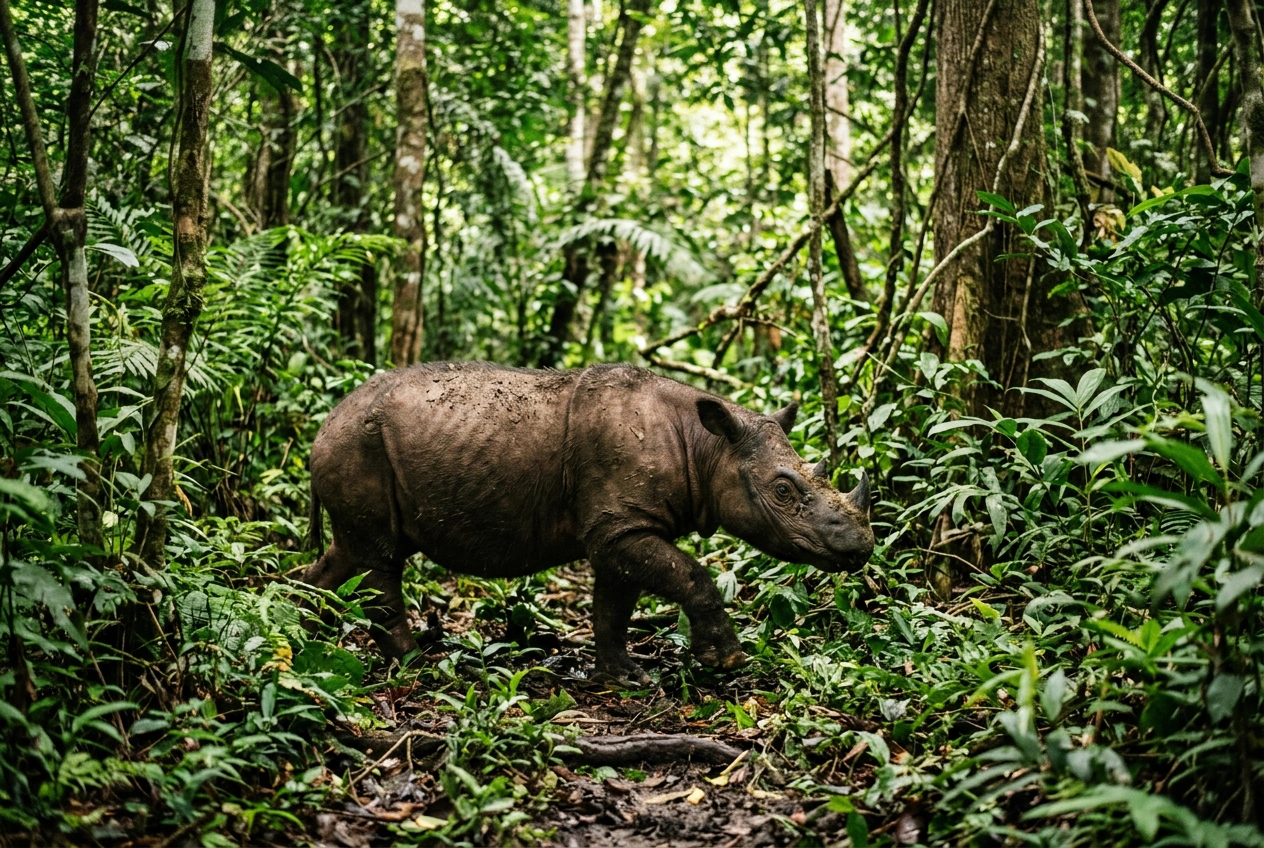
Javan Rhino
Once widespread across Southeast Asia, the Javan rhino is now confined to a single national park in Indonesia, with fewer than 80 individuals remaining. Conservationists are working to protect this habitat from poaching and human interference.
Mountain Gorilla
Conservation successes have increased the mountain gorilla population to over 1,000 individuals, but they remain endangered due to habitat loss and poaching. Ecotourism initiatives have helped fund protection efforts.
Asian Elephant
Habitat fragmentation and human-elephant conflict threaten the Asian elephant. Conservation strategies include establishing wildlife corridors and promoting community-based conservation.
Snow Leopard
These elusive big cats face threats from poaching and habitat loss. Conservation efforts focus on community engagement and habitat protection in Central Asia.
California Condor
Once on the brink of extinction with only 27 individuals left, the California condor has been brought back through captive breeding programs. However, they still face threats from lead poisoning and habitat loss.
Hawksbill Turtle
Hawksbill turtles are critically endangered due to illegal trade, habitat loss, and climate change. Conservation efforts include protecting nesting sites and reducing bycatch in fishing gear.
Northern White Rhino
With only two individuals left, the northern white rhino is functionally extinct. Conservationists are exploring advanced reproductive technologies to try to save the species.
One of the most effective conservation strategies is habitat restoration. This involves rehabilitating ecosystems that have been degraded or destroyed. Successful habitat restoration can lead to the recovery of endangered species by providing them with the resources they need to survive. Examples include reforestation projects and wetland restoration initiatives.
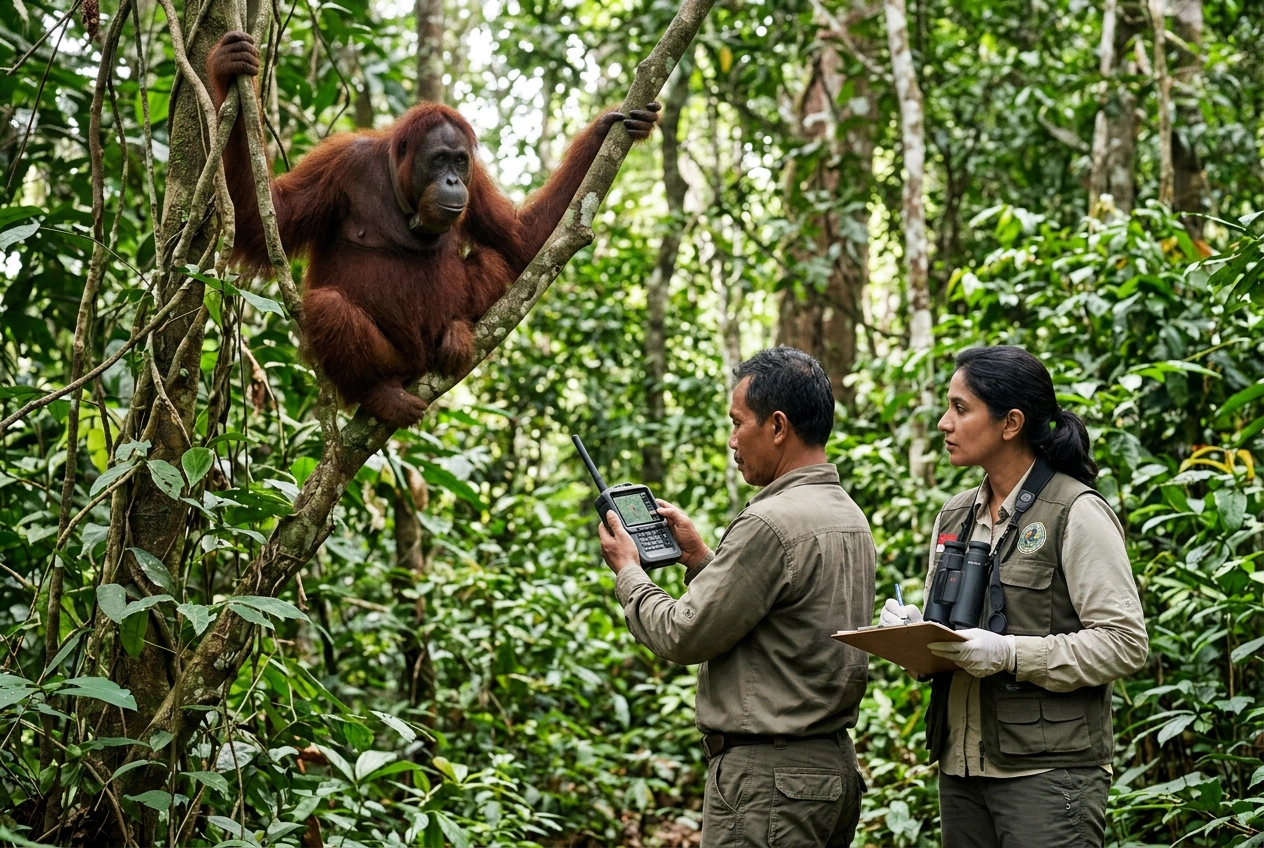
Poaching is a significant threat to many endangered animals. Anti-poaching initiatives are vital for protecting these species. These efforts often involve employing rangers to patrol protected areas, using technology such as drones and camera traps to monitor wildlife, and engaging local communities in conservation efforts. Education and awareness campaigns are also crucial in changing attitudes toward wildlife protection.
Engaging local communities in conservation efforts has proven to be a successful strategy. By involving residents in protecting their local wildlife, conservation organizations can create sustainable solutions that benefit both people and animals. Community-led initiatives often include ecotourism, where locals can earn income from guiding tourists to see endangered species in their natural habitats.
Strong legal frameworks are essential for the protection of endangered animals. Advocacy for stronger wildlife protection laws and enforcement of existing regulations can significantly impact conservation efforts. International agreements such as the Convention on International Trade in Endangered Species (CITES) play a crucial role in regulating trade and protecting endangered species from exploitation.
The use of technology in conservation has revolutionized how we monitor and protect endangered animals. Innovations such as GPS tracking, camera traps, and genetic analysis allow researchers to gather data on animal populations and movements, improving conservation strategies. For example, drones are increasingly being used to survey large areas and monitor wildlife without disturbing their natural behaviors.
A prevalent misconception is that conservation efforts focus solely on animals. In reality, conservation is about maintaining ecosystems, which includes plants, animals, and their interactions. Protecting habitats is essential for the survival of entire ecosystems, not just individual species.
Not all endangered animals face the same threats or have the same level of support. Some species, like the California condor, have received significant attention and funding, while others may be overlooked. Understanding the varying degrees of risk and conservation needs is vital for effective prioritization.
Conservation is an ongoing process that requires continuous effort and adaptation. Successes can be fragile, and without sustained support and monitoring, progress can be reversed. Long-term commitment from governments, organizations, and individuals is necessary to ensure the survival of endangered species.
Awareness is the first step in supporting conservation efforts. By educating yourself about endangered animals and the challenges they face, you can inspire others to take action. Share information through social media, community events, or educational programs.
Many organizations are dedicated to the protection of endangered animals. Consider donating your time or resources to these groups. Support conservation organizations by volunteering for local conservation projects or participating in fundraising events can make a significant impact.
Your purchasing decisions can influence conservation efforts. Opt for products that are sustainably sourced and support businesses that prioritize environmental responsibility. For instance, choosing palm oil products that are certified sustainable can help protect critical habitats for species like the Sumatran orangutan.
Engaging in advocacy can lead to meaningful change. Support legislation that protects endangered species and their habitats. Contact your representatives to express your concerns about environmental issues and encourage them to prioritize conservation efforts.
The Banana Slug Club plays a vital role in promoting awareness and education about endangered animals. By engaging communities in discussions about wildlife conservation, we can foster a greater appreciation for biodiversity and the importance of protecting our natural world. Through workshops, educational programs, and community outreach, the Banana Slug Club empowers individuals to take action.
Banana Slug Club collaborates with local organizations to support conservation initiatives that directly impact endangered animals. By providing resources, funding, and volunteer support, the club helps to create sustainable solutions for wildlife protection. This collaborative approach ensures that conservation efforts are grounded in community needs and ecological realities.
Understanding the plight of endangered animals and the role of conservation efforts aimed at protecting them is essential for fostering a sustainable future. By staying informed and actively participating in conservation initiatives, we can all contribute to the survival of these species. The Banana Slug Club is dedicated to making a difference and invites you to join in these efforts.
To learn more about how you can get involved and support conservation efforts for endangered animals, visit Banana Slug Club. Your actions can help protect the incredible diversity of life on our planet.
Get free resources, early access to new features and updates.
No spam. Just fun educational emails!


