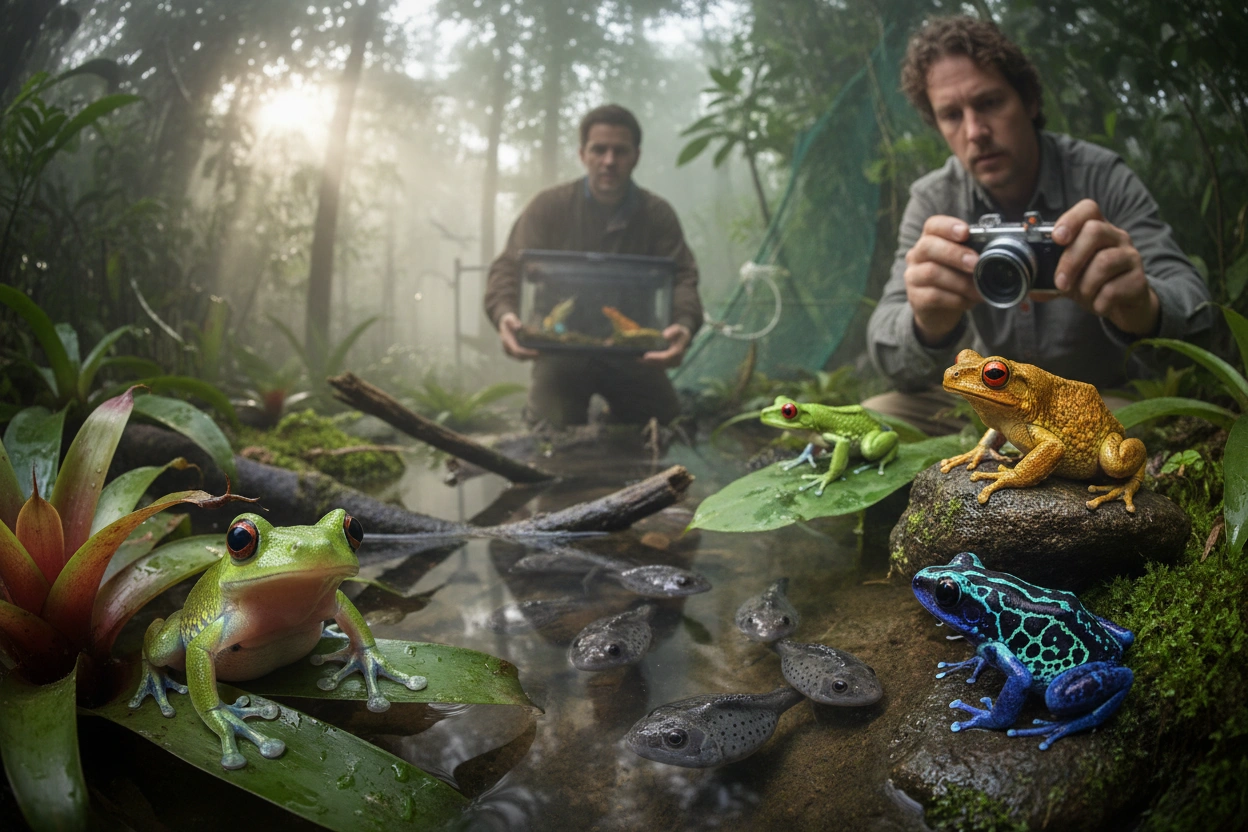
The plight of endangered animals is a pressing issue that requires immediate attention and action. As of 2026, various species across the globe are facing extinction due to habitat loss, poaching, climate change, and other human-induced factors. Protecting these animals is not just an ecological responsibility but also a moral imperative. Engaging in conservation efforts at a local level can significantly impact the survival of these species. This article will explore effective strategies for safeguarding endangered animals and highlight the top ten endangered species that everyone should be aware of.

Conservation efforts are vital for the survival of endangered animals. These initiatives aim to protect biodiversity, restore habitats, and promote sustainable practices that benefit both wildlife and human communities. Local communities play a crucial role in these efforts, as they are often the first line of defense against threats to wildlife.
By understanding the importance of conservation, individuals can take actionable steps to protect endangered species in their regions. This includes advocating for local policies that support conservation, participating in community clean-up events, and educating others about the significance of preserving biodiversity. Collective action can lead to significant changes, making it essential to foster a culture of conservation within local communities.
Local conservation initiatives provide numerous benefits, including:

Understanding which animals are endangered is crucial for effective conservation strategies. Here are the top ten endangered animals that everyone should be aware of:
Amur Leopard
The Amur leopard is critically endangered, with fewer than 100 individuals remaining in the wild. Habitat loss and poaching are significant threats to their survival.
Sumatran Orangutan
Native to Indonesia, the Sumatran orangutan faces habitat destruction due to palm oil plantations and illegal logging. Conservation efforts focus on habitat protection and rehabilitation.
Vaquita
The vaquita is the world's rarest marine mammal, with an estimated population of just 30 individuals. Bycatch in illegal gillnets is the primary threat to their survival.
Javan Rhino
With only about 76 individuals left, the Javan rhino is critically endangered due to habitat loss and poaching. Conservation efforts are centered on protecting their last remaining habitat in Ujung Kulon National Park.
Northern White Rhino
The northern white rhino is on the brink of extinction, with only two females remaining. Extensive anti-poaching measures and advanced reproductive technologies are being explored to save the species.
Asian Elephant
Habitat loss and human-elephant conflict have led to declining populations of Asian elephants. Local conservation programs focus on mitigating these conflicts and preserving habitats.
Snow Leopard
Snow leopards are threatened by poaching and habitat fragmentation. Conservation efforts include community-based initiatives that promote coexistence between humans and wildlife.
California Condor
Once on the verge of extinction, the California condor has made a remarkable recovery thanks to captive breeding programs and habitat protection. However, they remain critically endangered.
Hawksbill Turtle
The hawksbill turtle is critically endangered due to illegal trade in their shells and loss of nesting sites. Conservation efforts focus on protecting nesting beaches and reducing bycatch.
Saola
Known as the "Asian unicorn," the saola is one of the world's rarest mammals. Habitat loss and hunting pose significant threats, making conservation efforts critical.
Local communities are often best positioned to implement effective conservation strategies. By engaging in education, advocacy, and habitat restoration, they can play a pivotal role in the survival of endangered animals.
Educating community members about the importance of endangered species can lead to more robust conservation efforts. Workshops, school programs, and public seminars can raise awareness about local endangered species and the specific actions that individuals can take to help.
Community members can advocate for local policies that support wildlife protection. This may include lobbying for stricter regulations on land use, promoting sustainable practices, or supporting local wildlife reserves.
Organizing community-based habitat restoration projects can directly impact the survival of endangered animals. These projects may involve planting native vegetation, removing invasive species, or restoring wetlands, all of which contribute to healthier ecosystems.
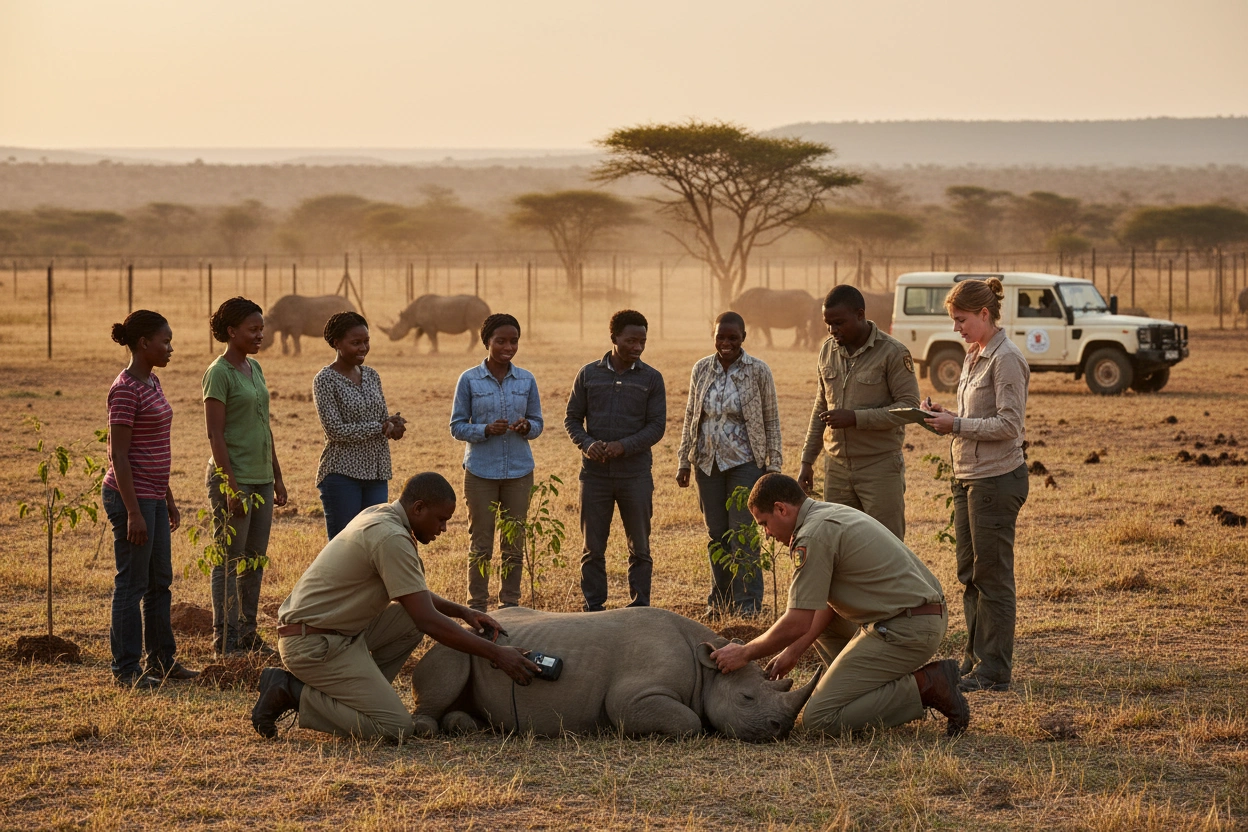
To effectively protect endangered animals, individuals and communities can implement various strategies. Here are some actionable steps:
Participate in Local Conservation Organizations
Join or support local conservation groups focused on endangered species. These organizations often have established programs and initiatives that can amplify your impact.
Volunteer for Habitat Restoration
Engage in local habitat restoration efforts. Many organizations conduct regular clean-up drives, tree planting events, and other activities that enhance local ecosystems.
Advocate for Sustainable Practices
Promote sustainable practices within your community. Encourage local businesses to adopt environmentally friendly methods and educate your peers about the importance of reducing waste and conserving resources.
Educate Others
Share knowledge about endangered animals and conservation efforts. Use social media, community events, or educational workshops to raise awareness and inspire action.
Support Wildlife-Friendly Policies
Engage with local government to support policies that protect wildlife. Attend town hall meetings, write letters to representatives, or participate in public comment periods for proposed legislation.
Reduce Your Carbon Footprint
Lowering your carbon footprint can help mitigate climate change, which is a significant threat to many endangered species. Consider using public transportation, reducing energy consumption, and supporting renewable energy initiatives.
Promote Eco-Tourism
Support eco-tourism initiatives that prioritize wildlife conservation. This not only provides economic benefits to local communities but also raises awareness about the importance of preserving biodiversity.
Participate in Citizen Science
Engage in citizen science projects that monitor local wildlife populations. This can help gather valuable data for researchers and contribute to conservation efforts.
Report Illegal Activities
Stay vigilant and report any illegal activities that threaten wildlife, such as poaching or habitat destruction. Local authorities can take action based on your reports.
Engage in Fundraising
Organize or participate in fundraising events to support local conservation initiatives. Financial support is often crucial for the sustainability of these programs.
While engaging in conservation efforts is commendable, there are some common mistakes that individuals and communities should avoid:
Assuming One Person Cannot Make a Difference: Every action counts, no matter how small. Collective efforts can lead to significant change.
Neglecting Local Species: While global awareness is essential, local endangered species need attention too. Focus on your immediate environment.
Ignoring the Importance of Education: Without educating others, conservation efforts may lack the necessary support. Knowledge is power in conservation.
Being Complacent: Conservation is an ongoing effort. Continuous engagement and adaptation to new challenges are vital for success.
Protecting endangered animals is a multifaceted endeavor that requires community involvement and commitment to conservation efforts. By engaging with local organizations, participating in habitat restoration, and advocating for sustainable practices, individuals can make a substantial impact on the survival of endangered species.
Banana Slug Club is dedicated to fostering community engagement and education around wildlife conservation. By joining forces with Banana Slug Club, you can play an active role in protecting endangered animals and promoting sustainable practices within your community.
Now that you have learned about the top strategies for protecting endangered animals locally, consider how you can contribute to these efforts. For more information on how you can get involved, visit Banana Slug Club. Together, we can make a difference for endangered species and create a sustainable future for all wildlife.
Get free resources, early access to new features and updates.
No spam. Just fun educational emails!


.svg)
.svg)