The plight of endangered animals is a pressing concern that resonates with conservationists, wildlife enthusiasts, and the general public alike. With biodiversity under threat, understanding the factors that contribute to the endangerment of species is crucial for effective conservation efforts. In 2026, as we face unprecedented environmental challenges, it is imperative to comprehend not only the significance of endangered animals but also the actionable steps we can take to protect them. This article delves into essential facts about endangered species, highlights the top ten endangered animals you need to know, and offers practical conservation tips that everyone can implement.
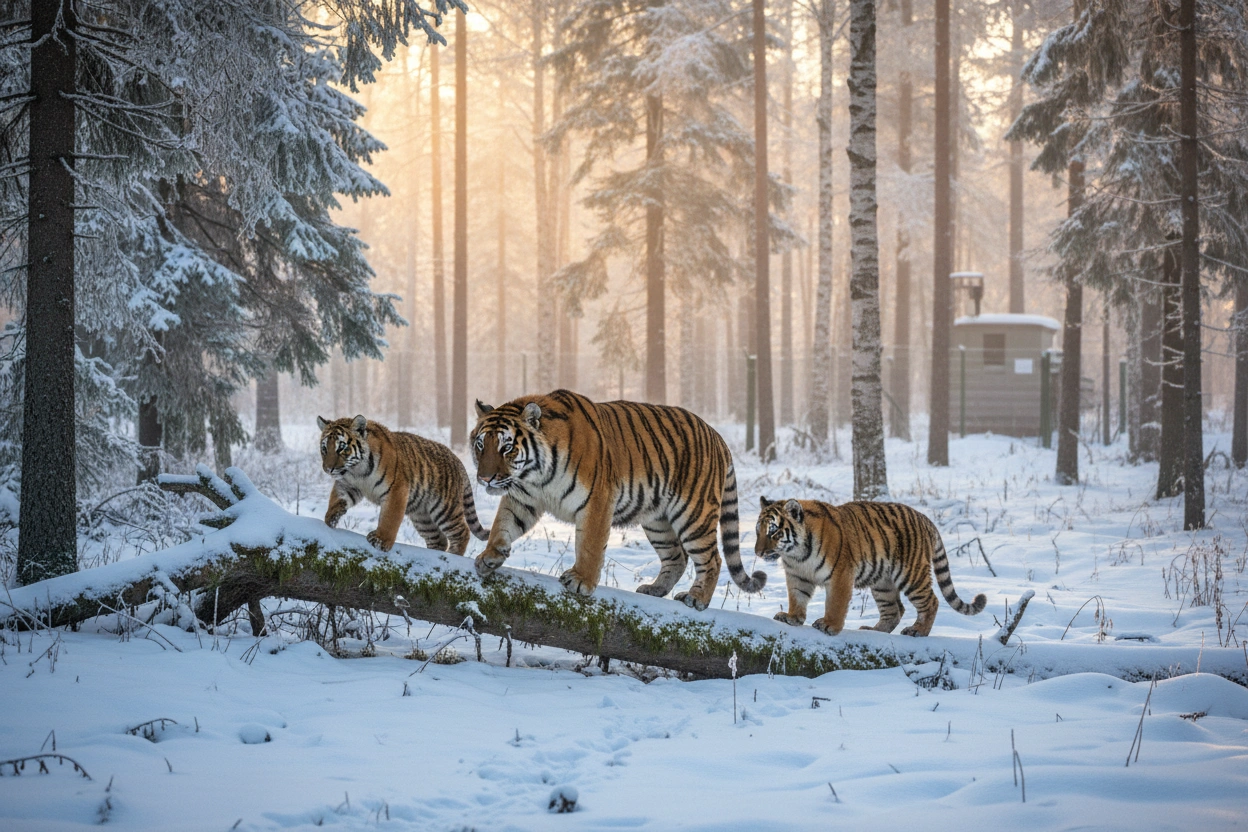
Endangered animals are species that face a significant risk of extinction due to various factors, including habitat loss, poaching, climate change, and pollution. The International Union for Conservation of Nature (IUCN) categorizes species into different levels of threat, ranging from Least Concern to Critically Endangered. Being classified as endangered indicates that a species has a declining population and is at a critical point where immediate action is required to prevent its extinction.
The decline of endangered species can have cascading effects on ecosystems. Each species plays a unique role in its environment, and the loss of one can lead to an imbalance that affects other species, including humans. For example, the extinction of a key predator can result in overpopulation of prey species, leading to overgrazing and habitat degradation. Understanding these dynamics is vital for conservationists and policymakers as they develop strategies to protect endangered animals.
Habitat Loss: Urban development, agriculture, and deforestation lead to the destruction of natural habitats, leaving animals without the resources they need to survive.
Poaching and Illegal Wildlife Trade: Many endangered animals are hunted for their skin, bones, or other body parts, which are sold on the black market.
Climate Change: Altered weather patterns and rising temperatures affect breeding cycles, food availability, and migration routes for many species.
Pollution: Contaminants in water, air, and soil can have detrimental effects on wildlife health and reproductive success.
Invasive Species: Non-native species can disrupt local ecosystems, outcompeting native species for resources and altering habitats.
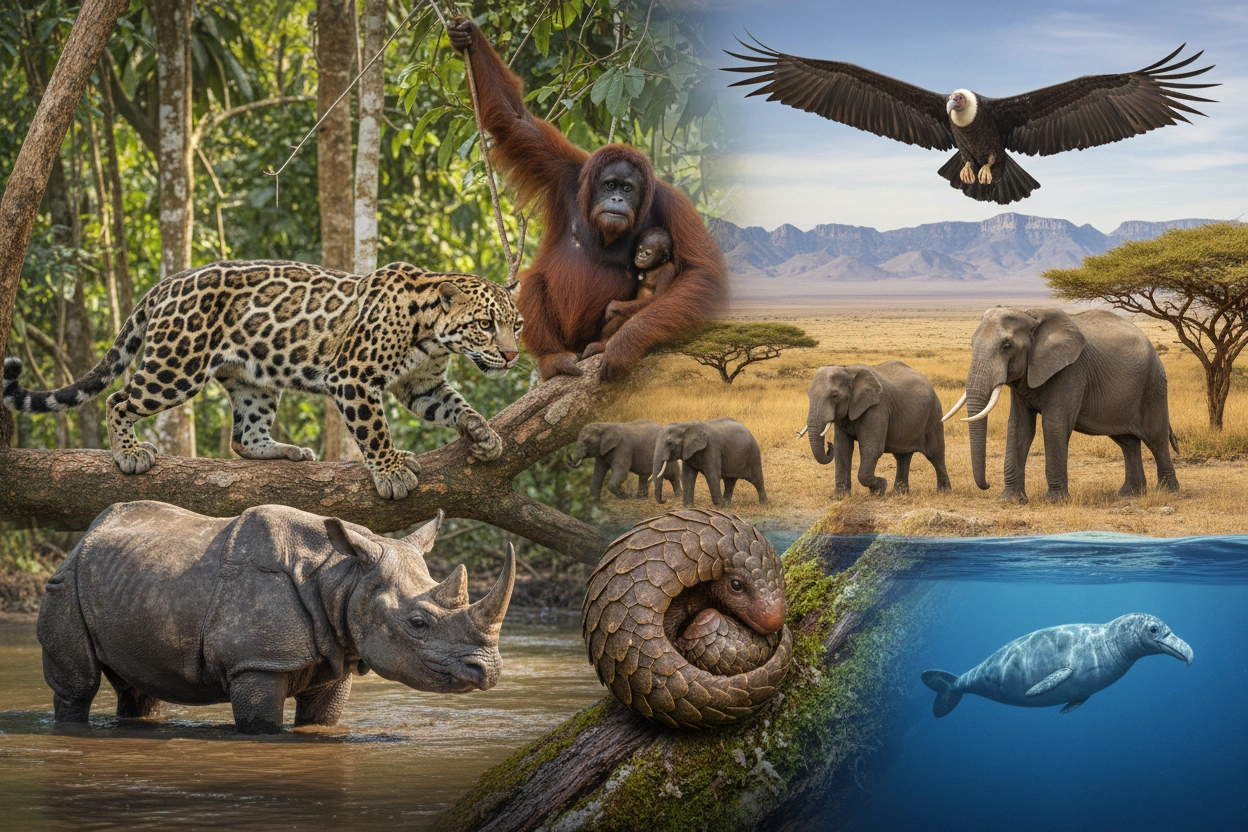
Understanding the specific endangered animals is crucial for fostering awareness and supporting conservation initiatives. Here are ten species that represent the diversity of life at risk:
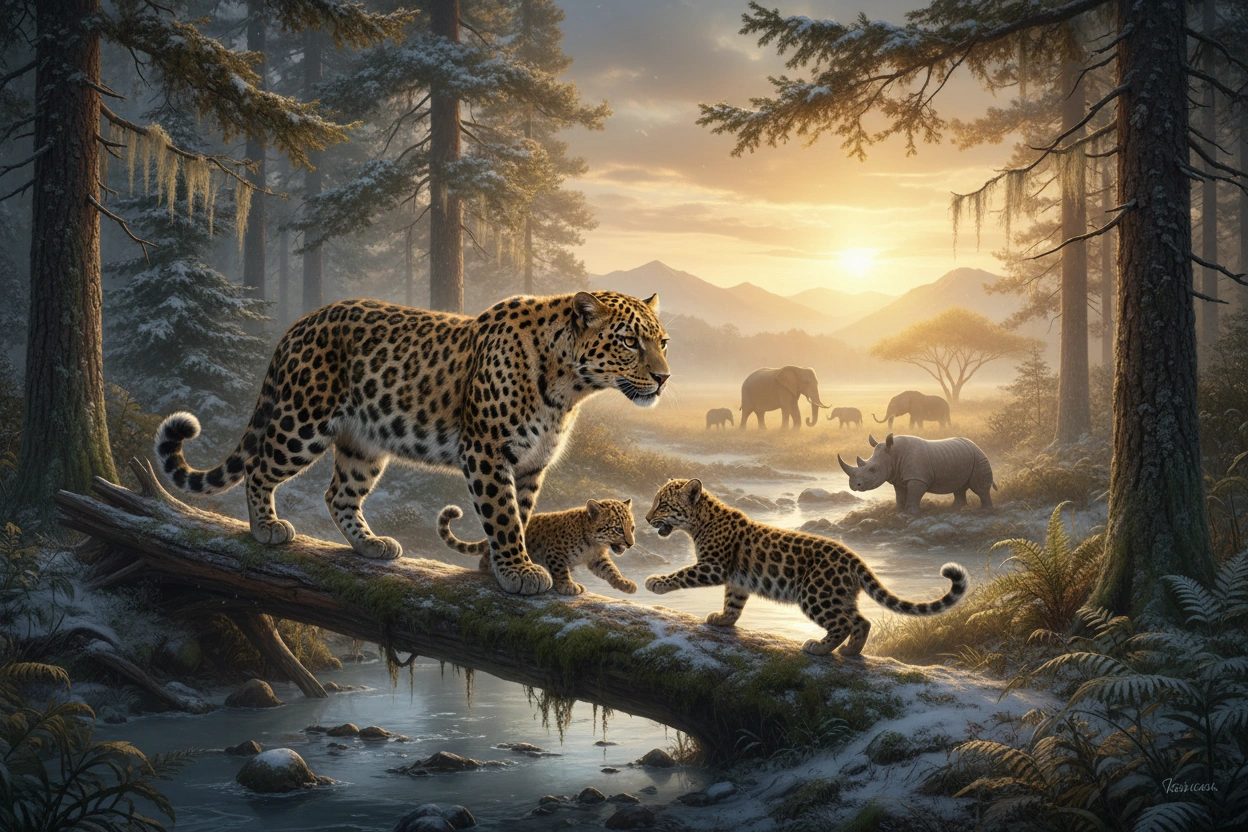
The Amur leopard, native to the temperate forests of the Russian Far East and Northeast China, is critically endangered with fewer than 100 individuals left in the wild. Habitat loss due to logging and human encroachment has severely impacted its population. Conservation strategies focus on protecting its habitat and reducing poaching.
The vaquita, a small porpoise found in the northern part of the Gulf of California, is the world's most endangered marine mammal, with fewer than 30 individuals remaining. Illegal fishing practices have led to the rapid decline of this species. Conservationists advocate for stricter fishing regulations and habitat protection.
With only around 80 individuals left, the Javan rhino is one of the rarest large mammals on Earth. It inhabits Ujung Kulon National Park in Indonesia. Threats include habitat destruction and poaching. Conservation efforts include habitat restoration and anti-poaching patrols.
The critically endangered Sumatra orangutan faces threats from habitat destruction caused by palm oil plantations and illegal logging. There are approximately 14,000 individuals remaining. Conservation strategies focus on habitat protection and rehabilitation of orphaned orangutans.
Snow leopards are elusive big cats found in the mountain ranges of Central and South Asia. Their populations are declining due to poaching and retaliatory killings by herders. With an estimated 4,000 to 6,500 individuals left in the wild, conservation efforts include community engagement and sustainable livestock management.
African elephants, known for their intelligence and social structure, are endangered primarily due to poaching for ivory and habitat loss. The population has drastically decreased, with estimates suggesting that around 415,000 elephants remain in the wild. Conservation initiatives involve anti-poaching measures and community-based conservation programs.
Hawksbill sea turtles are critically endangered due to illegal trade of their shells, habitat loss, and climate change. They play a crucial role in maintaining the health of coral reefs. Efforts to protect them include nesting site protection and reducing bycatch in fisheries.
The northern white rhino is functionally extinct, with only two females remaining. Intensive conservation measures are being taken to protect the last individuals and explore advanced reproductive technologies to save the species. These efforts highlight the importance of genetic diversity in conservation.
Similar to their Sumatran counterparts, Bornean orangutans are facing habitat loss and poaching, leading to their endangered status. Approximately 55,000 individuals remain. Conservation strategies include habitat preservation and legal protection against poaching.
The red wolf, once roaming across the southeastern United States, is now critically endangered, with only about 20 individuals in the wild. Habitat loss and hybridization with coyotes threaten their survival. Conservationists are working on habitat restoration and breeding programs to increase their numbers.
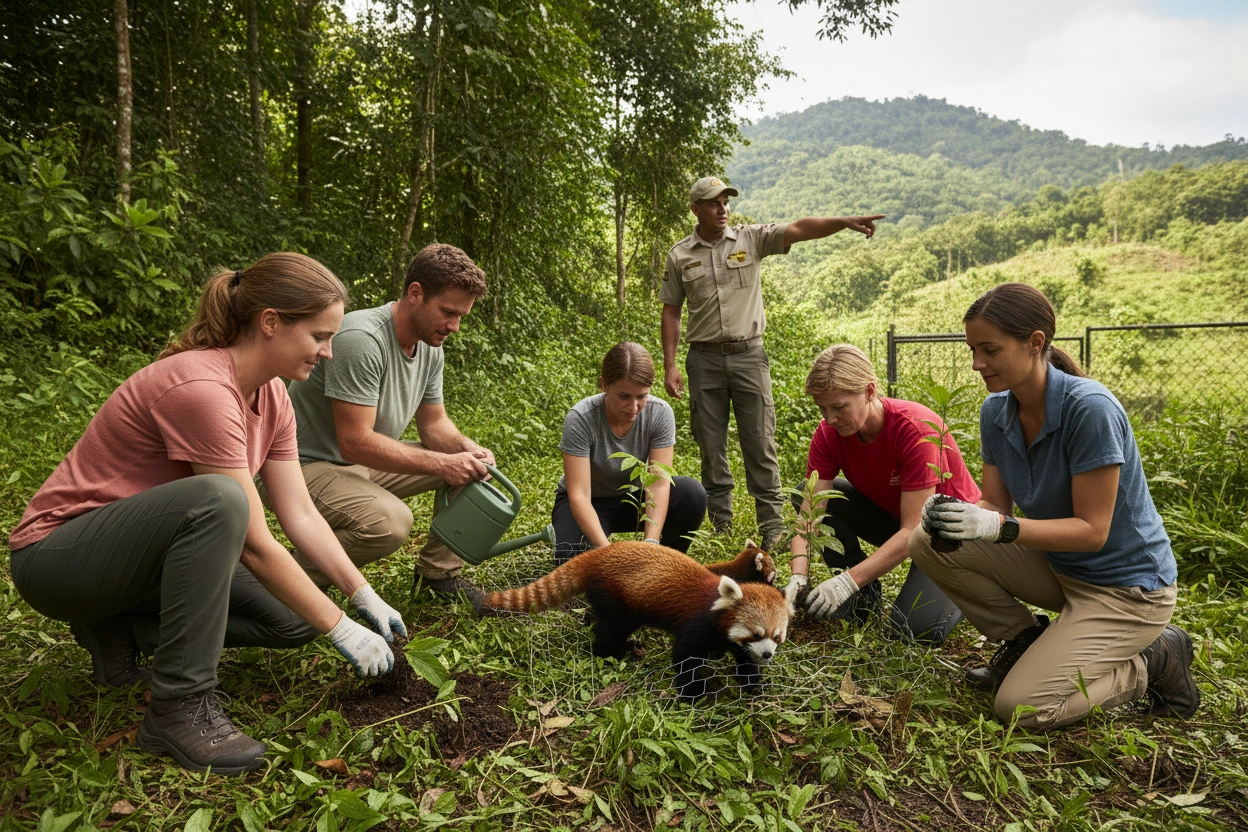
Conservation efforts require collective action and awareness. Here are some actionable steps individuals can take to contribute to the protection of endangered animals:
Understanding the plight of endangered animals is the first step in fostering change. Share information about the importance of biodiversity and the threats faced by endangered species. Use social media platforms to raise awareness and encourage discussions about conservation.
Donate to or volunteer with organizations focused on wildlife conservation. Look for reputable NGOs that actively work to protect endangered species and their habitats. Your support can help fund critical research and conservation programs.
Choose products that are environmentally friendly and sustainably sourced. This includes selecting sustainable seafood, avoiding products that contribute to deforestation, and supporting companies that prioritize ethical practices.
Climate change significantly impacts endangered animals. Take steps to reduce your carbon emissions by using public transportation, reducing energy consumption, and supporting renewable energy initiatives. Every small action contributes to the larger fight against climate change.
Engage with policymakers to advocate for stronger environmental protections and wildlife conservation laws. Write letters, attend town hall meetings, and support legislation aimed at protecting endangered species and their habitats.
Get involved in local conservation efforts, such as habitat restoration projects or wildlife monitoring programs. Hands-on participation can provide valuable experience and contribute to the preservation of local ecosystems.
If you have pets, ensure they are not contributing to the endangerment of wildlife. For example, keep cats indoors to protect bird populations and avoid releasing non-native species into the wild.
Refrain from purchasing products made from endangered animals or their parts, such as ivory, skins, or exotic pets. Supporting wildlife trafficking only exacerbates the problem.
Support ecotourism initiatives that benefit local communities and wildlife conservation. Choose travel options that emphasize sustainability and wildlife protection, ensuring that your tourism dollars support conservation efforts.
Follow developments in conservation policies and practices. Being informed allows you to engage in meaningful discussions and advocate effectively for endangered animals.
Community engagement is crucial for the success of conservation efforts. Local communities often bear the brunt of wildlife conservation policies, and involving them in decision-making processes can lead to more sustainable solutions. When communities understand the value of preserving endangered species, they are more likely to participate in conservation initiatives.
The importance of understanding endangered animals cannot be overstated. As we have seen, the loss of biodiversity affects not only wildlife but also human communities. Conservation efforts must be multifaceted, addressing the root causes of endangerment while fostering community involvement and sustainable practices.
At Banana Slug Club, we recognize the significance of education and advocacy in conservation. Our initiatives aim to raise awareness about endangered species and promote actionable steps that individuals can take to contribute to their protection. By joining forces with like-minded individuals and organizations, we can create a more sustainable future for both wildlife and humanity.
As you reflect on the information shared in this article, consider how you can contribute to the conservation of endangered animals. Every small action counts, and together, we can make a difference.
For more information on how to get involved and support conservation efforts, visit Banana Slug Club. Your engagement can help protect the planet's most vulnerable species and ensure a rich biodiversity for generations to come.
Get free resources, early access to new features and updates.
No spam. Just fun educational emails!


.svg)
.svg)