Amphibians, a diverse group of animals that include frogs, toads, salamanders, and newts, play crucial roles in their ecosystems. Understanding the reproductive processes of amphibians is essential for conservation efforts and ecological awareness. This guide explores the intricate journey of amphibians from eggs to adults, highlighting their reproductive strategies and the challenges they face.

The life cycle of amphibians is typically divided into several distinct stages: egg, larva (tadpole), metamorphosis, and adult. Each stage presents unique adaptations and challenges, reflecting the complex interplay between environmental factors and biological processes.
Amphibian reproduction often begins with the laying of eggs in water or moist environments. The eggs are typically surrounded by a gelatinous substance that provides protection and hydration. Depending on the species, amphibians can lay anywhere from a few dozen to several thousand eggs at a time.
The choice of habitat for egg-laying is critical, as it affects the survival rates of the offspring. Many amphibians are sensitive to environmental changes, making their reproductive success vulnerable to habitat loss and pollution.
After a few days to weeks, amphibian eggs hatch into larvae, commonly known as tadpoles. This stage is primarily aquatic, and tadpoles are equipped with gills, a long tail for swimming, and a diet that often consists of algae and plant matter. The transformation from egg to tadpole marks the beginning of a significant growth phase.
The larval stage is a critical period for amphibians, as it sets the stage for successful metamorphosis into adult forms. The duration of this stage can vary widely among species, influenced by environmental conditions such as temperature and food availability.
Metamorphosis is one of the most remarkable processes in the amphibian life cycle. It involves significant physiological changes, transforming the aquatic tadpole into a terrestrial adult. This process can take several weeks to months, depending on species and environmental factors.
Metamorphosis is a vulnerable time for amphibians, as they must adapt to new habitats and lifestyles. The ability to thrive during this phase is crucial for population sustainability.
Once metamorphosis is complete, adult amphibians emerge with the ability to live both in water and on land. Their reproductive strategies can vary significantly, impacting their survival and success in different environments.
As adults, amphibians play vital roles in their ecosystems, serving as both predators and prey. Their presence indicates a healthy environment, but their populations are increasingly threatened by habitat loss, climate change and disease.

Amphibians are facing unprecedented challenges globally, with over 40% of species currently threatened with extinction. Their sensitivity to environmental changes makes them important indicators of ecosystem health. Conserving amphibian populations is crucial not only for biodiversity but also for maintaining the balance of ecosystems.
Conservation efforts for amphibians are vital for their survival. Here are ten significant initiatives that aim to protect and restore amphibian populations worldwide:
Each of these efforts plays a significant role in safeguarding amphibian populations. By supporting these initiatives, individuals and organizations can contribute to the survival of these remarkable creatures.
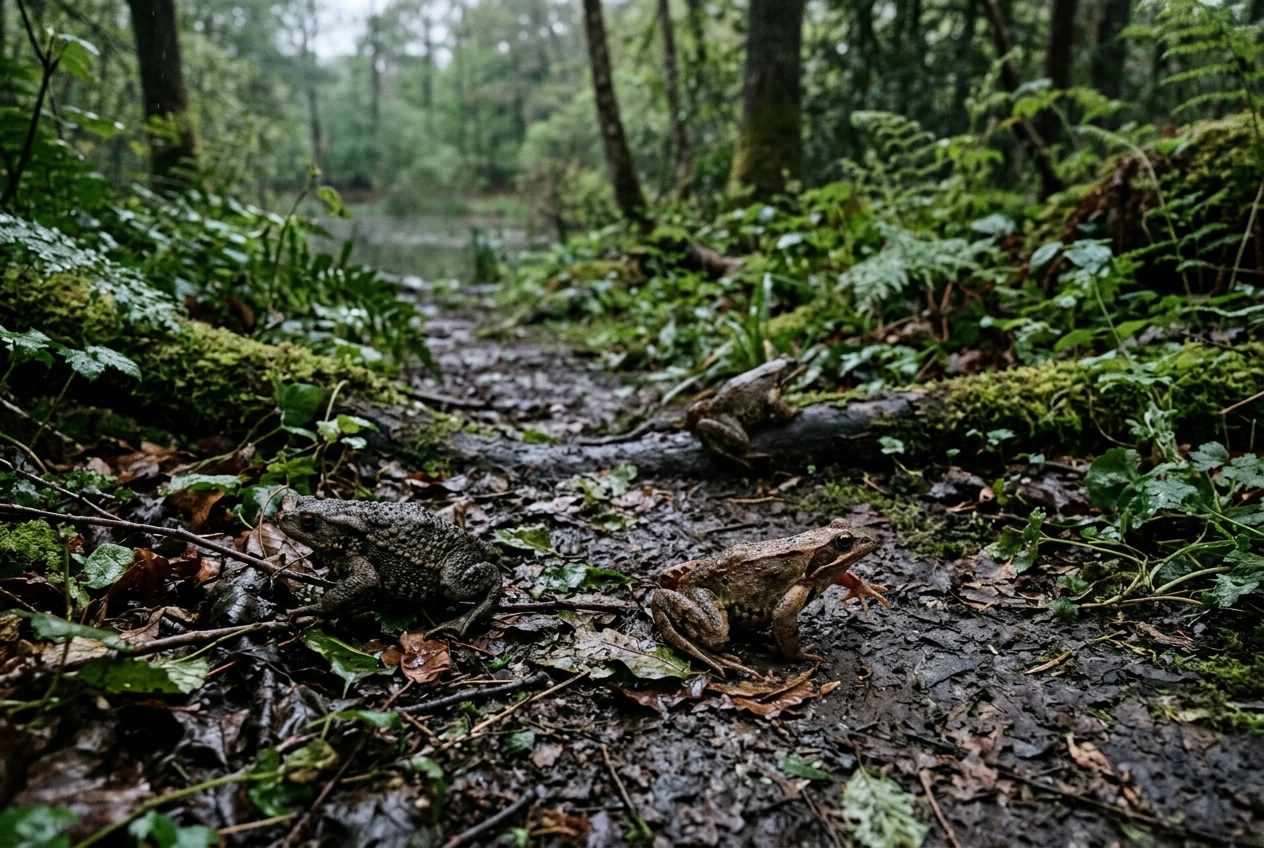
Despite their ecological importance, many misconceptions about amphibians persist, potentially undermining conservation efforts. Addressing these myths is crucial for fostering a better understanding of these animals.
While some amphibians possess toxic skin secretions as a defense mechanism, not all species are harmful to humans. In fact, many amphibians are harmless and play essential roles in controlling insect populations.
Although amphibians are often associated with water, many species have adapted to thrive in diverse habitats, including forests, grasslands, and even deserts. Their ability to adapt to various environments highlights their resilience.
Amphibians play crucial roles as both predators and prey within their ecosystems. They help control insect populations and serve as food for various animals, including birds and mammals. Their decline can have cascading effects on ecosystem health.
The Banana Slug Club is dedicated to promoting amphibian conservation and educating the public about these vital creatures. Through various initiatives, the club aims to raise awareness and support for amphibian protection.
The Banana Slug Club provides resources and educational programs that engage communities in amphibian conservation efforts. By fostering a deeper understanding of amphibians, the club helps inspire action to protect these remarkable animals.
The club actively participates in advocacy efforts to support policies and programs that benefit amphibian populations. By collaborating with other organizations and stakeholders, the Banana Slug Club amplifies its impact on conservation efforts.
Through events, workshops, and outreach programs, the Banana Slug Club engages local communities in amphibian conservation. These initiatives encourage individuals to take part in protecting their local ecosystems and the amphibians that inhabit them.
Understanding the reproductive processes of amphibians from eggs to adults is crucial for their conservation. By supporting efforts to protect these animals, we can ensure the health of our ecosystems and the diversity of life on our planet.
The Banana Slug Club is committed to making a difference in the world of amphibian conservation. By engaging with the community and promoting awareness, we can collectively contribute to the protection of these vital creatures. If you want to learn more about how you can help amphibians and support conservation efforts, visit Banana Slug Club for more information on how to get involved. Together, we can make a lasting impact on the future of amphibians and the ecosystems they inhabit.
Get free resources, early access to new features and updates.
No spam. Just fun educational emails!