The Ice Age, a period characterized by significant climatic changes and the emergence of unique ecosystems, was home to an array of fascinating prehistoric animals. These ancient wildlife species not only tell us about the Earth's evolutionary history but also about the challenges and adaptations that life has faced over millennia. Understanding these prehistoric animals can provide insights into the ecological dynamics of past environments and the resilience of species. This article explores ten of the most captivating prehistoric animals that roamed during the Ice Age, showcasing their unique characteristics, habitats, and the reasons they remain significant in our understanding of prehistoric life.
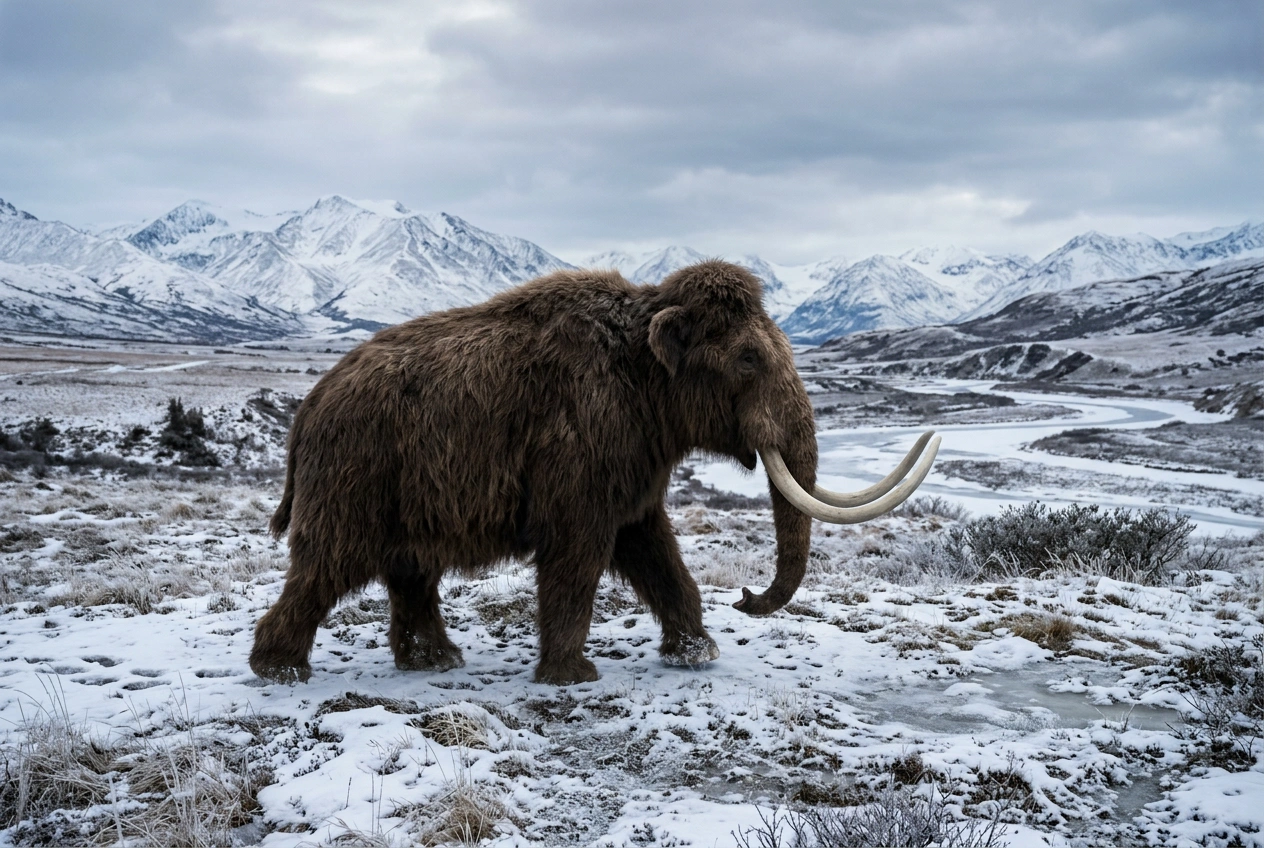
The woolly mammoth, one of the most iconic prehistoric animals, roamed the northern parts of North America and Eurasia during the last Ice Age. Standing approximately 13 feet tall and weighing up to 6 tons, these massive creatures were well-adapted to cold environments, featuring long, shaggy hair, a layer of fat beneath their skin, and long curved tusks that they used for foraging under snow. Woolly mammoths primarily fed on grasses, shrubs, and other vegetation found in the tundra and grasslands.
Despite their formidable size, woolly mammoths faced extinction around 4,000 years ago, primarily due to climate change and human hunting. Their remains, including well-preserved specimens found in Siberian permafrost, have provided scientists with valuable insights into their biology and the ecosystems they inhabited. The fascination with woolly mammoths continues today, spurring interest in de-extinction efforts and genetic studies that aim to understand their DNA and potentially revive their species.
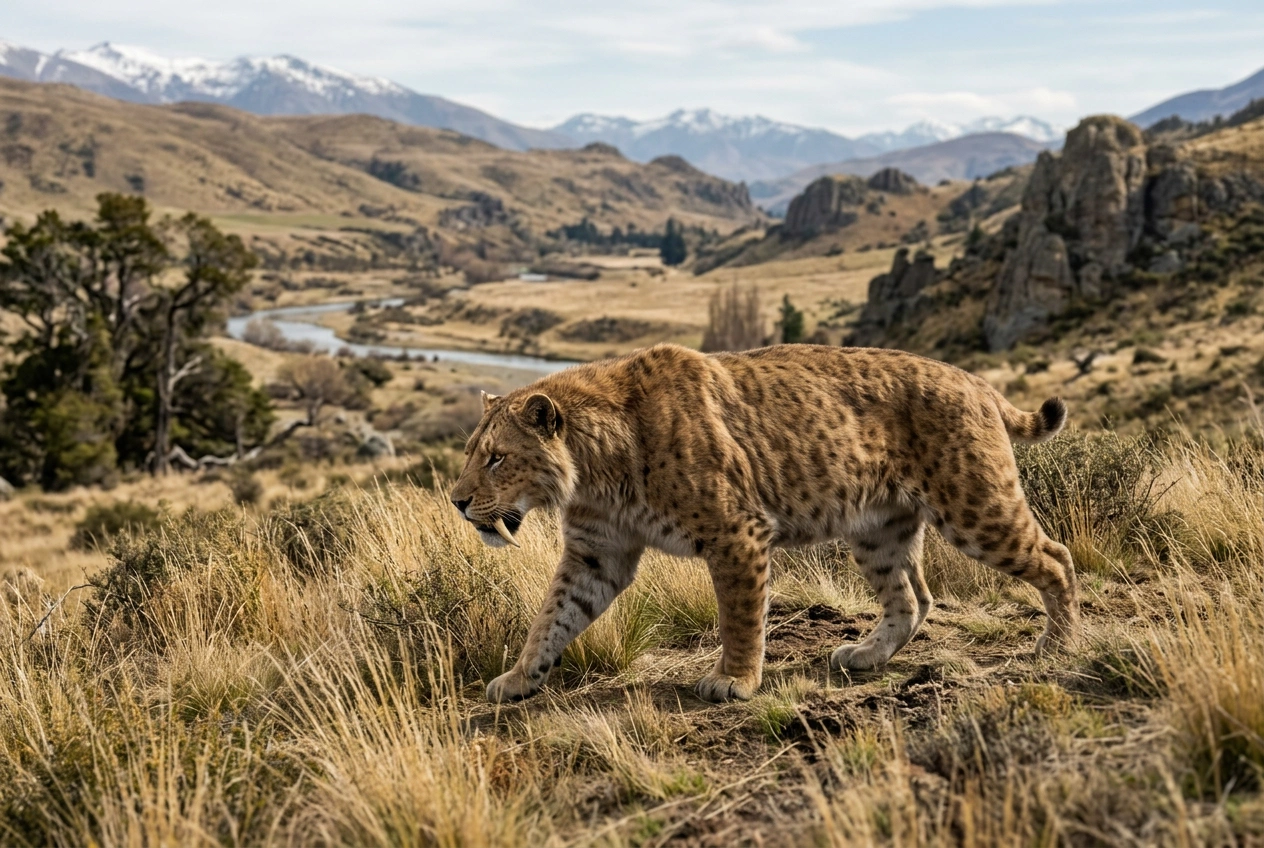
The saber-toothed cat, often referred to as Smilodon, is perhaps one of the most recognizable prehistoric predators. These formidable felids had elongated canine teeth that could reach lengths of up to 8 inches, which they used to deliver lethal bites to large prey. Smilodon lived in various habitats across North and South America and was primarily known for hunting large herbivores such as bison and young mammoths.
Saber-toothed cats exhibited robust builds, with strong forelimbs that allowed them to tackle large prey effectively. Their extinction, which occurred around 10,000 years ago, is attributed to a combination of factors, including climate change, habitat loss, and competition with other predators. The legacy of the saber-toothed cat is significant in understanding predator-prey dynamics in prehistoric ecosystems.
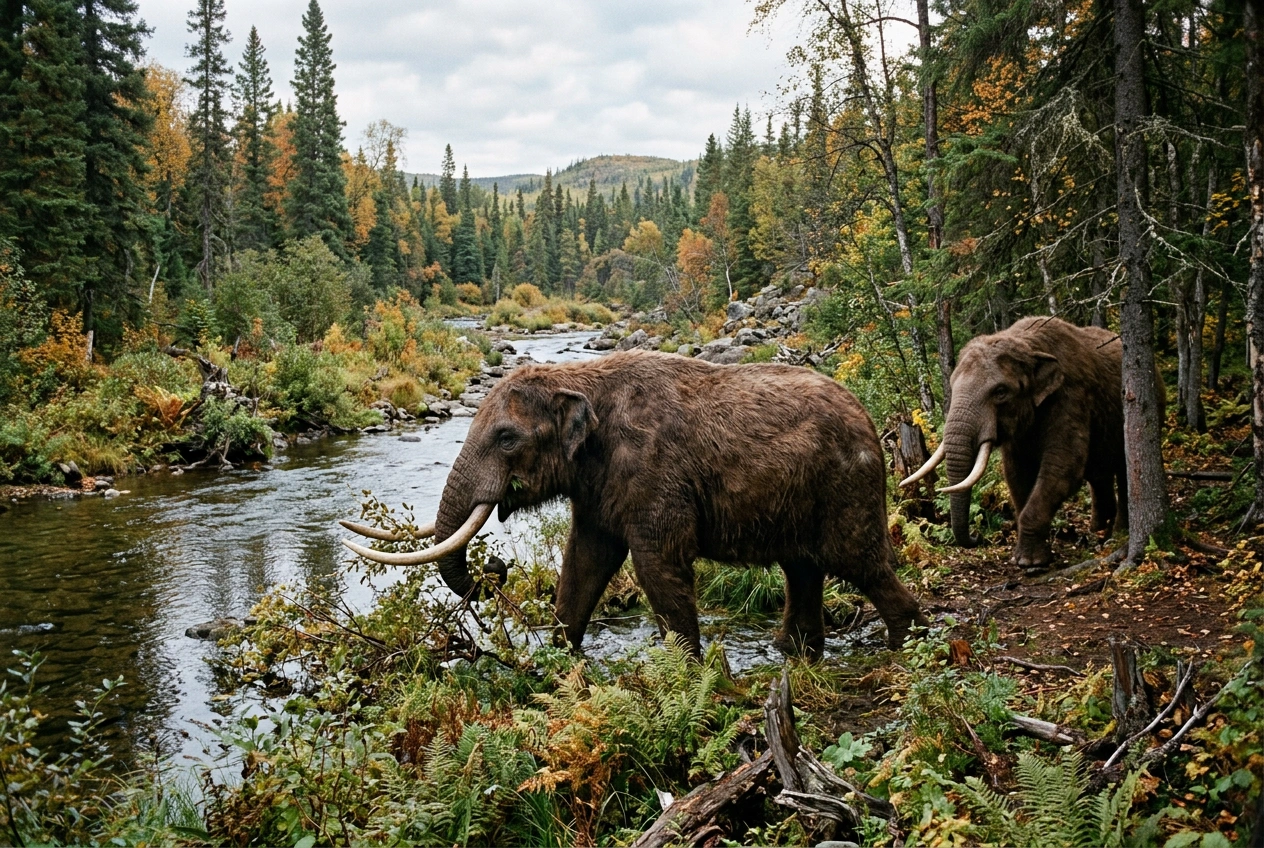
Mastodons were similar to woolly mammoths but belonged to a different genus. These prehistoric animals were slightly shorter than their mammoth relatives, standing about 8 to 10 feet tall. Mastodons had distinctively shaped teeth that were well-suited for their diet of leaves, branches, and shrubs, indicating their preference for forested habitats.
Fossil evidence shows that mastodons thrived in North America during the Ice Age, with remains discovered from Florida to Alaska. Their extinction around 10,000 years ago is believed to have been influenced by climate changes and human hunting. The study of mastodon fossils has provided critical insights into the diets and environments of Ice Age ecosystems, highlighting the diversity of prehistoric life.
The giant ground sloth, known scientifically as Megatherium, was a massive herbivore that could weigh up to 4 tons and measure over 13 feet in length. Unlike modern sloths, these prehistoric animals were terrestrial and roamed the forests and grasslands of South America. They primarily fed on leaves and vegetation, using their large claws to help them reach high branches.
Giant ground sloths were not only impressive in size but also played a crucial role in their ecosystems. Their browsing habits likely influenced plant communities, and their eventual extinction around 10,000 years ago has been linked to both climate change and human hunting. The discovery of giant ground sloth fossils has provided valuable information about the biodiversity of prehistoric ecosystems and the impact of megafauna on their environments.
The woolly rhinoceros was a large herbivore that thrived in the cold tundra environments of Europe and Asia during the Ice Age. With a thick coat of fur and a robust body, this species was well-equipped to withstand harsh climates. Woolly rhinoceroses had two horns on their snouts, which they used for defense and foraging through snow to reach vegetation.
Fossil evidence indicates that woolly rhinoceroses primarily fed on grasses and shrubs, playing a significant role in shaping the vegetation of their habitats. Their extinction, which occurred approximately 10,000 years ago, is attributed to climate changes and human activities. The study of woolly rhinoceros fossils has been instrumental in understanding the adaptations of large mammals to cold environments and the factors contributing to their decline.
The Irish elk, also known as Megaloceros giganteus, is notable for its impressive antlers, which could span over 12 feet from tip to tip. This prehistoric deer species roamed across Europe and parts of Asia during the late Pleistocene epoch. The antlers of the Irish elk were not only a display of sexual dimorphism but also served practical purposes in foraging and defense against predators.
Irish elks were primarily browsers, feeding on shrubs and trees, and they thrived in open woodlands and grasslands. Their extinction around 7,700 years ago is believed to be due to a combination of climate change and overhunting by humans. The study of Irish elk remains has provided insights into the evolution of deer species and the ecological dynamics of prehistoric landscapes.
The dire wolf is often romanticized in popular culture, particularly through its association with the "Game of Thrones" series. This prehistoric canid was larger than modern wolves, with robust builds and strong jaws suited for hunting large prey. Dire wolves roamed North America during the late Pleistocene and were known for their pack behavior, which allowed them to take down sizable herbivores like bison and horses.
Fossil evidence of dire wolves has been found in various locations, including the La Brea Tar Pits in California, which has provided a wealth of information about their diet and behavior. Their extinction, which occurred around 10,000 years ago, is thought to be connected to the decline of large prey species and competition with other predators. The dire wolf serves as a significant example of the adaptations and ecological roles of large carnivores in prehistoric ecosystems.
Glyptodon was a large, armored mammal resembling a giant armadillo that roamed the grasslands of South America. These prehistoric animals could weigh over 1,000 pounds and were covered in a protective shell made of bony plates. Glyptodons were herbivorous and primarily fed on grasses and low-lying vegetation.
The extinction of Glyptodon around 10,000 years ago is attributed to climate change and human hunting pressures. Their fossils have provided valuable insights into the adaptations of prehistoric mammals to their environments and the evolution of armor in response to predation. Glyptodon exemplifies the diversity of prehistoric life and its complex interactions with ecosystems.
The short-faced bear, known for its large size and long legs, was one of the largest bear species to exist. This prehistoric animal inhabited North America during the Ice Age and is believed to have been an efficient predator and scavenger. With adaptations that allowed for greater speed and agility, the short-faced bear could cover vast distances in search of food.
Fossil evidence suggests that the short-faced bear primarily preyed on large herbivores and scavenged carcasses. Its extinction around 10,000 years ago is linked to environmental changes and competition with other predators. The study of short-faced bear fossils has provided insights into the evolution of bear species and the ecological dynamics of prehistoric carnivores.
The thylacine, also known as the Tasmanian tiger, was a carnivorous marsupial that once roamed Australia and Tasmania. Although it is often associated with more recent history, the thylacine's lineage dates back to the Ice Age. This unique animal had a slender body, a head resembling that of a dog, and distinct stripes across its back, which contributed to its nickname.
The thylacine primarily hunted small to medium-sized animals and played an essential role in its ecosystem. Unfortunately, the thylacine became extinct in the early 20th century, largely due to hunting and habitat destruction. The story of the thylacine serves as a poignant reminder of the fragility of ecosystems and the impacts of human activity on wildlife.
The study of prehistoric animals offers a window into the past, revealing how ancient wildlife adapted to their environments and the factors that contributed to their extinction. By examining these fascinating creatures, we can glean valuable insights into the resilience of life on Earth and the ecological dynamics that shaped our planet's history. The exploration of Ice Age fauna not only enriches our understanding of biodiversity but also underscores the importance of conservation efforts for modern wildlife.
As we reflect on the incredible diversity of prehistoric animals, organizations like Banana Slug Club work tirelessly to promote awareness and education about wildlife conservation. Understanding the lessons from the past can guide our actions today, ensuring a sustainable future for the incredible species that share our planet.
If you are passionate about wildlife and want to learn more about how you can make a difference, visit Banana Slug Club for resources and ways to get involved in conservation efforts. Together, we can protect the legacy of our planet's ancient wildlife and ensure a thriving ecosystem for generations to come.
Get free resources, early access to new features and updates.
No spam. Just fun educational emails!