Birds of prey, also known as raptors, are fascinating creatures that play a vital role in our ecosystem. These majestic birds, which include species such as hawks, eagles, and owls, exhibit a range of behaviors that are both intriguing and essential for their survival. Understanding the behavior of these birds not only enhances our appreciation of them but also enriches experiences such as birdwatching tours, where enthusiasts can observe these incredible animals in their natural habitats. This article will explore the behaviors of raptors, their hunting techniques, social structures, and common misconceptions, providing a comprehensive overview for both seasoned birdwatchers and newcomers alike.
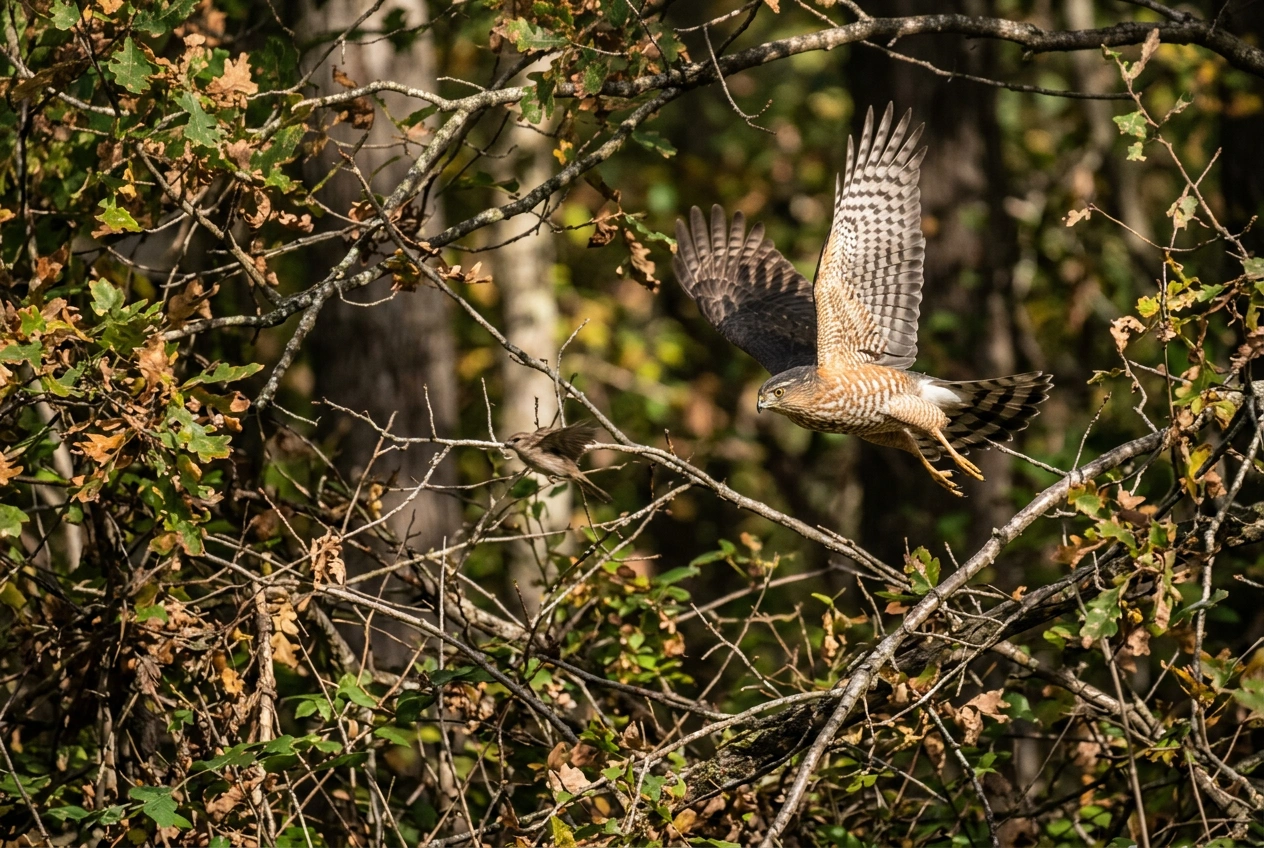
Raptors exhibit a variety of behaviors that are adapted to their ecological niches. Their predatory instincts, social interactions, and reproductive strategies are all crucial for their survival. Each species of bird of prey has developed unique adaptations that allow them to thrive in their specific environments.
Hunting Techniques: Raptors are known for their exceptional hunting skills. They possess keen eyesight, allowing them to spot prey from great distances. Once they identify a target, they employ various strategies to capture it, such as soaring high above to scan for movement or diving at high speeds to surprise their prey.
Territorial Behavior: Many raptors are territorial and will defend their hunting grounds from intruders. This behavior is particularly evident during the breeding season when they become more aggressive in protecting their nests and young. Raptors use vocalizations and displays of strength to assert dominance over their territory.
Social Structures: While some raptors are solitary hunters, others exhibit social behaviors, especially during breeding or migration. For instance, certain species, like the American Kestrel, can be seen hunting in pairs or small groups, sharing the responsibility of watching for threats and locating food.
The hunting strategies employed by birds of prey can vary significantly depending on their species and the type of prey they target. Here are some notable techniques:
Ambush Hunting: Raptors such as the Cooper's Hawk often rely on stealth and surprise. They will perch quietly in a tree or shrub, waiting for an unsuspecting bird or small mammal to pass by before launching a quick attack.
Soaring: Birds like the Red-tailed Hawk utilize thermal updrafts to soar high in the sky, scanning the ground for prey. This method conserves energy and allows them to cover large areas in search of food.
Pursuit: Some raptors, such as the Peregrine Falcon, are known for their incredible speed. They can dive at speeds exceeding 240 miles per hour to catch fast-moving prey, like pigeons or ducks.
Plunge Diving: The Osprey is famous for its unique hunting method, which involves diving feet-first into the water to catch fish. They have specialized talons that help grip slippery prey.
Understanding these strategies not only enhances the experience of observing raptors in the wild but also informs birdwatching tours, where guides can provide insights into the behaviors being displayed.

Despite their popularity, several misconceptions about birds of prey persist. Addressing these misunderstandings is essential for fostering a more accurate appreciation of these birds and their roles in the ecosystem.
One common myth is that all birds of prey are aggressive and pose a threat to humans or pets. While raptors are skilled predators, they typically do not view humans as threats. Most will avoid human interaction unless provoked. Educating the public about the true nature of these birds can reduce unnecessary fear and promote conservation efforts.
Many people believe that raptors can only be found in wild, remote areas. In reality, many species have adapted to urban environments and can often be spotted in city parks or along highways. For instance, the Red-tailed Hawk is commonly seen perched on streetlights or soaring above suburban neighborhoods, showcasing their adaptability to different habitats.
While many raptors share similar hunting traits, they have developed diverse strategies based on their prey and habitats. Some hunt primarily during the day (diurnal), while others are nocturnal hunters. This diversity allows them to occupy various ecological niches, demonstrating their adaptability and specialization.
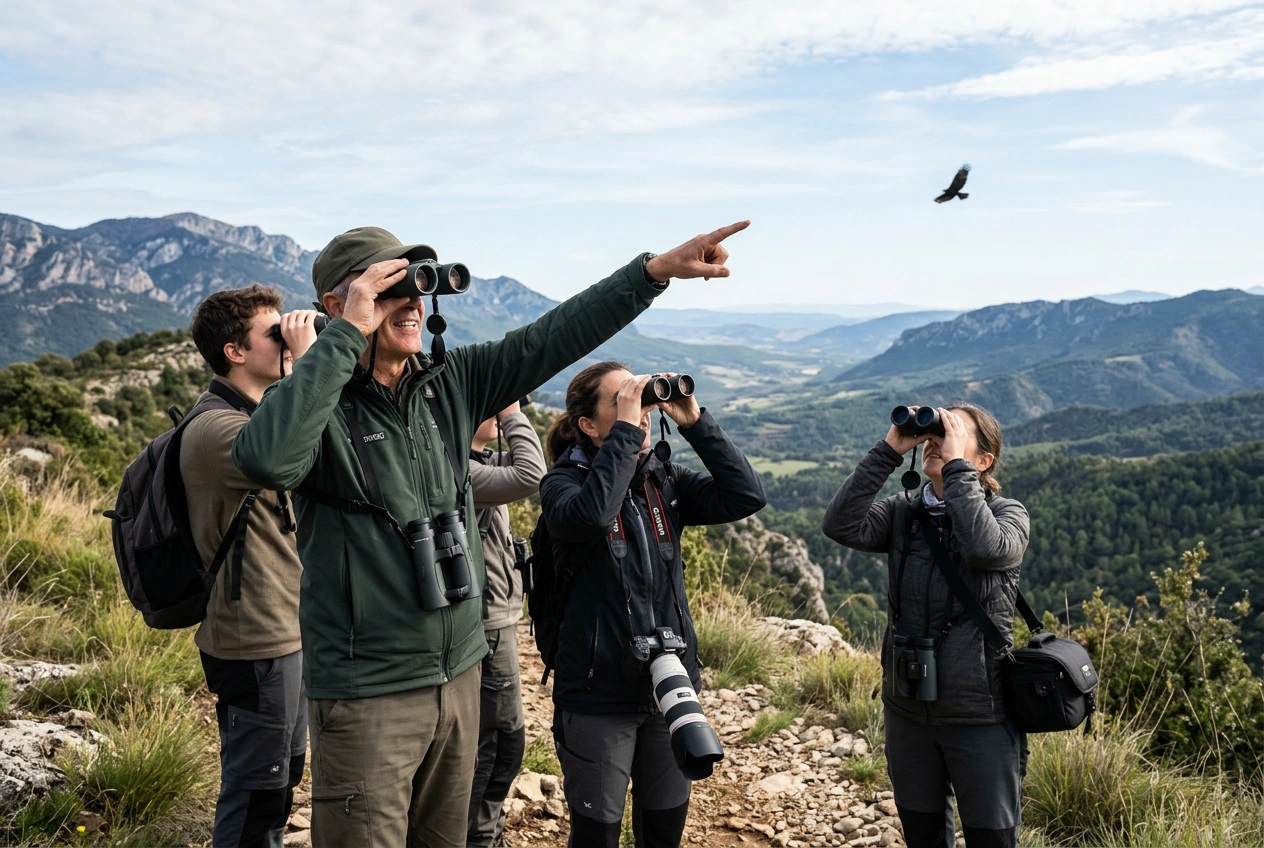
Birdwatching tours offer a fantastic opportunity to observe birds of prey in their natural habitats. These tours can enhance your understanding of raptors and their behaviors while providing memorable experiences. Here are some tips for maximizing your birdwatching experience:
When selecting a birdwatching tour, consider the following factors:
Location: Different regions host various raptor species. Research local hotspots known for birdwatching to find a tour that will provide the best chances of spotting your desired species.
Season: Many raptors migrate, and the best time to observe them will depend on the season. Spring and fall are typically prime times for migration, while summer can offer excellent opportunities to see nesting behaviors.
Expert Guides: Opt for tours led by knowledgeable guides who can share insights about raptor behavior, ecology, and identification. Their expertise can greatly enhance your experience.
Having the right equipment can make a significant difference in your birdwatching experience. Here are some essentials:
Binoculars: Invest in a good pair of binoculars with a magnification of at least 8x. This will allow you to observe raptors from a distance without disturbing them.
Field Guide: Bring along a field guide specific to your region. This will help you identify different raptor species and learn about their behaviors and habitats.
Notebook: Keep a journal to record your observations, including the species you encounter and their behaviors. This practice can enhance your learning and appreciation of birds of prey.
Camera: If you're interested in photography, a camera with a good zoom lens can help you capture stunning images of raptors in flight or perched in trees.
Respecting wildlife and their habitats is crucial for responsible birdwatching. Here are some ethical birdwatching practices to consider:
Keep a Safe Distance: Avoid getting too close to nesting sites or hunting raptors, as this can disturb their natural behavior.
Do Not Feed Wildlife: Feeding raptors can alter their natural hunting behaviors and lead to dependency on human-provided food.
Leave No Trace: Follow the principles of Leave No Trace by minimizing your impact on the environment. This includes packing out what you bring in and avoiding damaging vegetation.
By following these tips and engaging in responsible birdwatching practices, you can enhance your understanding and appreciation of birds of prey while contributing to their conservation.
Birds of prey play a critical role in maintaining the health of ecosystems. As apex predators, they help regulate populations of small mammals, birds, and insects, preventing overpopulation and the spread of disease. Their presence is often an indicator of a balanced ecosystem.
Population Control: By preying on rodents and other small mammals, raptors help control their populations, which can otherwise become overabundant and damage crops or spread disease.
Nutrient Cycling: Raptors contribute to nutrient cycling through their waste, which provides essential nutrients to plants and other organisms in the ecosystem.
Indicator Species: The health of raptor populations can indicate the overall health of the environment. A decline in raptor numbers may signal issues such as habitat loss or pollution that can affect other species.
Efforts to conserve raptors and their habitats are essential for maintaining biodiversity. Organizations and initiatives focused on raptor conservation include:
Habitat Restoration: Efforts to restore and protect natural habitats are crucial for the survival of raptors. This includes preserving wetlands, forests, and grasslands.
Public Education: Raising awareness about the importance of raptors and their roles in ecosystems can inspire conservation efforts at the community level.
Research and Monitoring: Ongoing research is vital for understanding raptor populations and their behaviors. Monitoring programs help track changes in populations and inform conservation strategies.
Engaging in conservation efforts not only helps protect these magnificent birds but also contributes to the health of our ecosystems.
Understanding the behavior of birds of prey enriches our experiences in nature and fosters a deeper connection with wildlife. The Banana Slug Club is dedicated to promoting awareness and appreciation of raptors and their ecosystems. Through educational programs and community engagement, the club aims to inspire individuals to participate in conservation efforts and experience the wonder of these magnificent birds.
At the Banana Slug Club, we offer resources and programs that delve into the fascinating world of birds of prey. By participating in our events, you can learn more about their behaviors, habitats, and conservation needs. Whether you are an avid birdwatcher or a newcomer, there is something for everyone.
If you are passionate about wildlife and want to contribute to the conservation of birds of prey, consider joining the Banana Slug Club. Together, we can make a difference in protecting these incredible creatures and their habitats.
For more information on how to get involved, visit Banana Slug Club and explore our upcoming events and educational resources. Your participation can help ensure that future generations have the opportunity to witness the majesty of birds of prey in the wild.
Get free resources, early access to new features and updates.
No spam. Just fun educational emails!