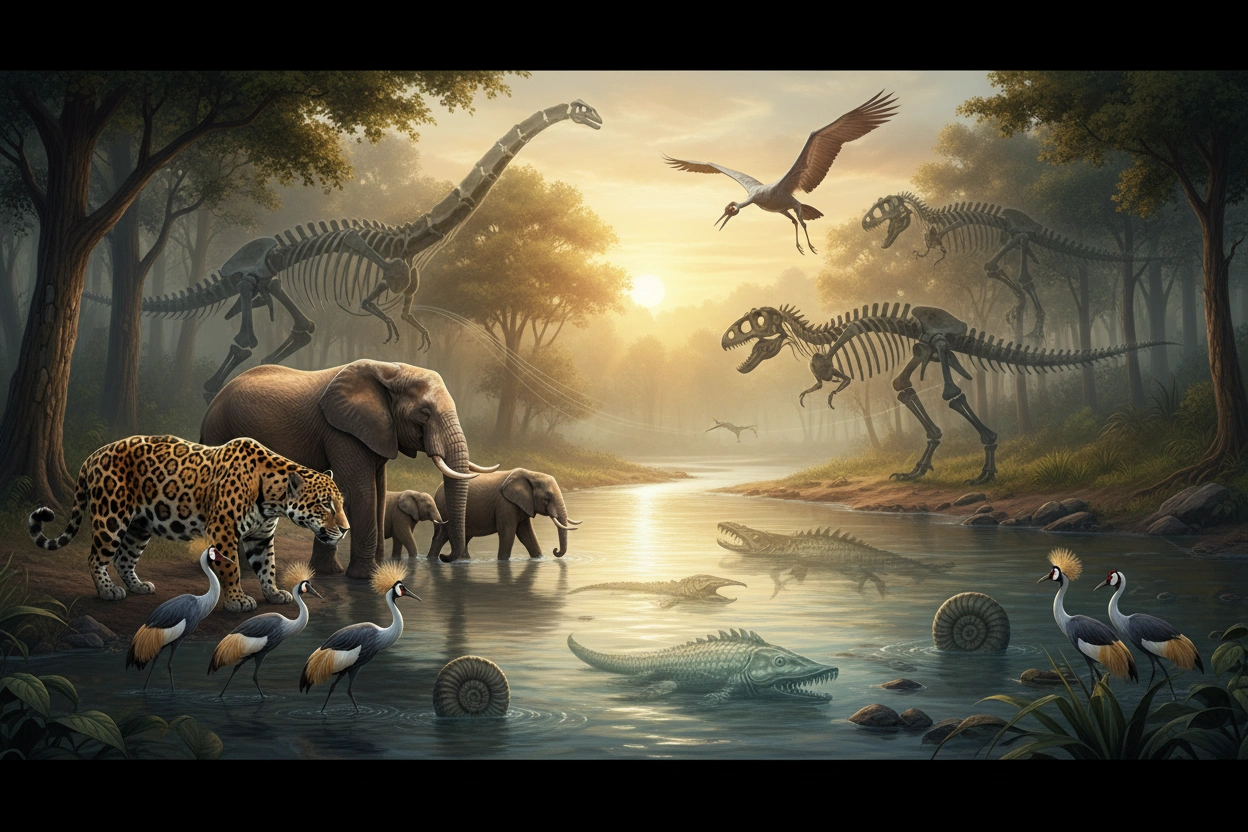
The world of prehistoric animals is as vast as it is fascinating, showcasing a myriad of species that roamed the Earth long before humans arrived. These ancient creatures not only contributed to the biodiversity of their time but also laid the groundwork for the evolution of modern wildlife. Understanding their adaptations, behaviors, and interactions can provide significant insights into how contemporary species evolved and adapted to their environments.
In this article, we will explore the ways in which prehistoric animals shaped the ecosystems we see today. We will also highlight the top ten most fascinating extinct animals that you should know about, revealing their unique traits and the legacies they left behind. By delving into the past, we can better appreciate the complexity and interconnectivity of life on Earth.
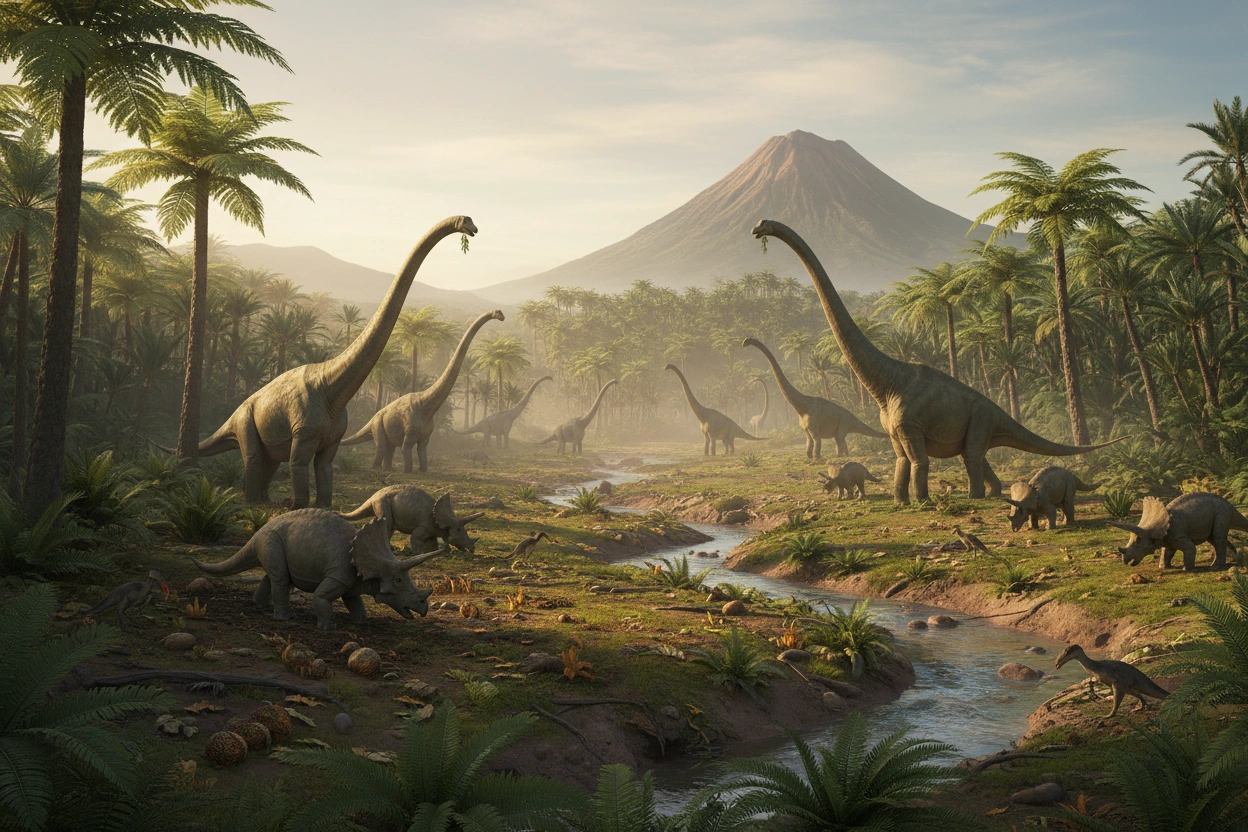
Prehistoric animals played critical roles in shaping their ecosystems, influencing everything from vegetation patterns to the evolution of other species. The extinction of certain prehistoric creatures often led to significant changes in the environments they inhabited, allowing new species to emerge and thrive.
Herbivorous prehistoric animals, such as the woolly mammoth and the giant ground sloth, were instrumental in shaping plant life. Their feeding habits influenced the types of vegetation that flourished in their habitats. For instance, large herbivores often grazed on specific types of plants, preventing them from dominating the landscape. This grazing pressure allowed for greater biodiversity, as other plant species were able to establish themselves.
Predatory prehistoric animals also played a vital role in maintaining ecological balance. Top predators, such as the saber-toothed cat and the dire wolf, controlled herbivore populations, preventing overgrazing and allowing ecosystems to flourish.
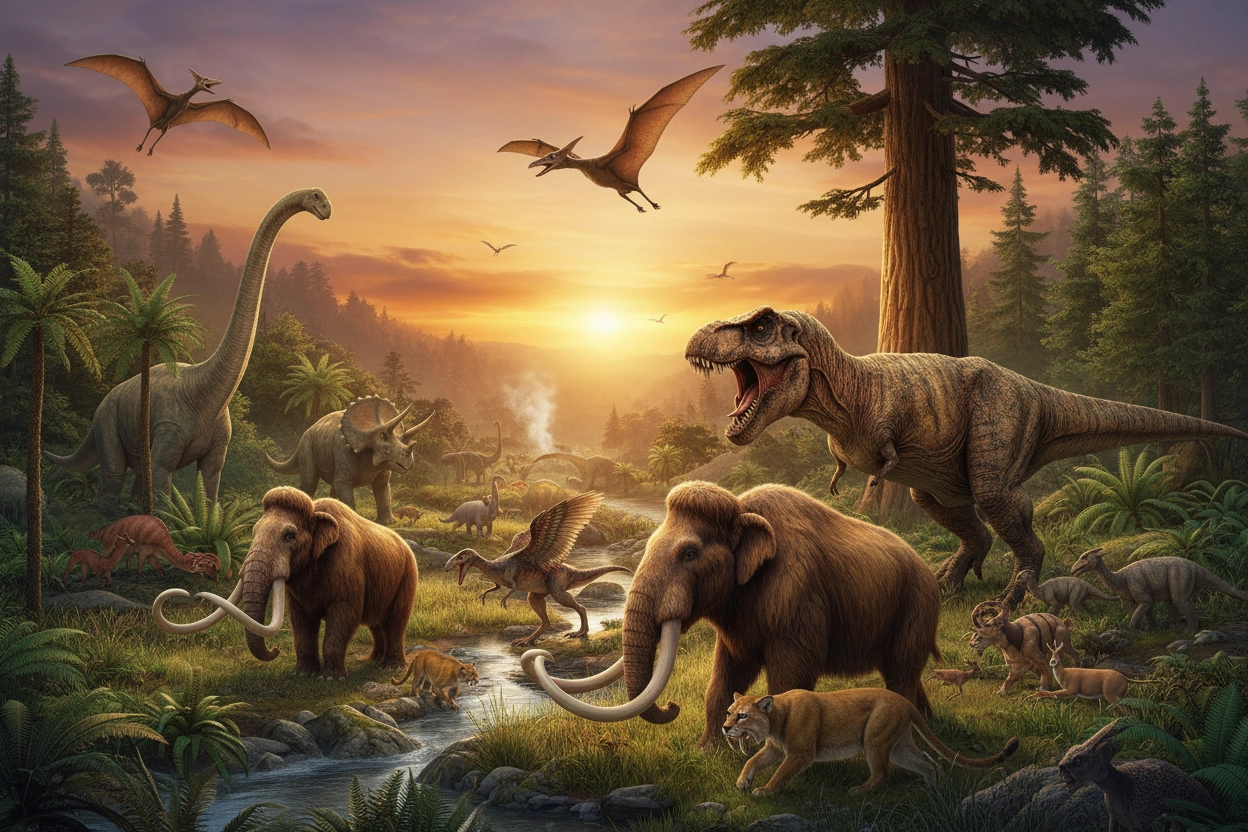
The study of prehistoric animals reveals a wealth of fascinating creatures that once inhabited our planet. Here are the top ten most intriguing extinct animals that have left a mark on the evolutionary history of modern wildlife.
The woolly mammoth, a close relative of today’s elephants, roamed the tundras of North America and Eurasia. Adapted to cold climates, these massive creatures had long, curved tusks and thick fur. Their extinction around 4,000 years ago was largely due to climate change and human hunting.
Known for its elongated canine teeth, the saber-toothed cat was a formidable predator during the Pleistocene epoch. It primarily hunted large herbivores and is believed to have gone extinct due to a combination of climate change and the decline of its prey.
This massive ground sloth, which lived in South America, could reach up to 20 feet in length. Megatherium was a herbivore that fed on leaves and fruits, and its size likely offered protection from predators.
The dodo bird is perhaps one of the most famous examples of extinction caused by human activity. Native to Mauritius, this flightless bird became extinct in the late 17th century due to hunting and the introduction of invasive species.
Similar in appearance to the woolly mammoth, mastodons were also large herbivores that roamed North America. They thrived in forests and were likely preyed upon by early humans.
The Irish elk is notable for its enormous antlers, which could span up to 12 feet. This species lived in Europe and Asia and went extinct around 7,700 years ago, likely due to habitat changes and overhunting.
These flying reptiles were not dinosaurs but coexisted with them during the Mesozoic era. Pterosaurs had wingspans that varied greatly, with some species reaching over 30 feet, showcasing remarkable adaptations for flight.
One of the most recognizable dinosaurs, the triceratops was a herbivore known for its three facial horns and large frill. This species thrived during the late Cretaceous period and was likely a prey item for large carnivorous dinosaurs.
Anomalocaris was a prehistoric marine predator that lived during the Cambrian period. With its unique body structure and large eyes, it is considered one of the earliest known apex predators in the ocean.
The woolly rhinoceros was adapted to cold climates, similar to the woolly mammoth. Its thick fur and large size made it well-suited for its environment, but it ultimately succumbed to climate changes and hunting by early humans.
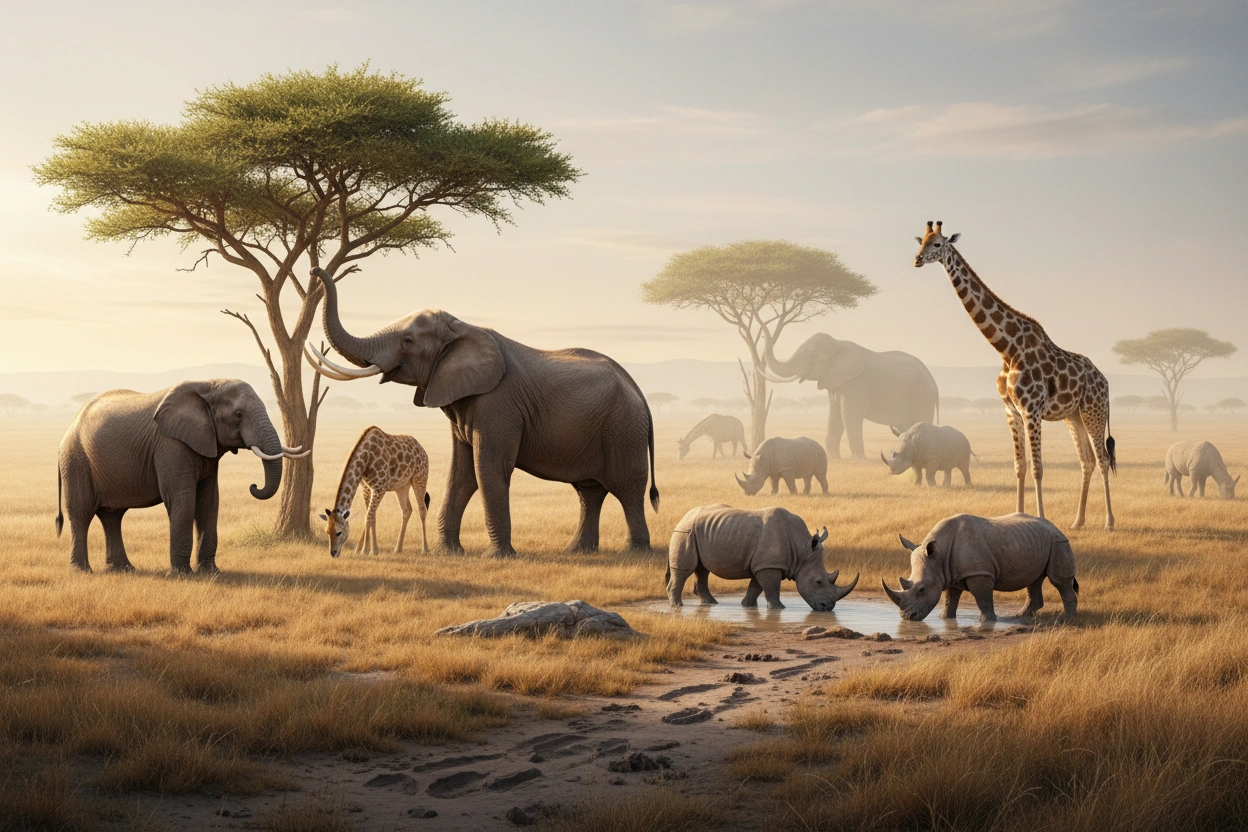
Studying prehistoric animals provides valuable insights that can inform modern wildlife conservation efforts. By understanding the factors that led to the extinction of these creatures, we can better protect contemporary species facing similar threats.
Prehistoric ecosystems were characterized by high levels of biodiversity, which contributed to their resilience. Modern conservation efforts should focus on maintaining and enhancing biodiversity to ensure ecosystem stability.
Many prehistoric animals faced extinction due to rapid climate changes. Today, climate change poses a significant threat to wildlife, making it essential for conservation strategies to address this issue head-on.
The extinction of many prehistoric animals was largely driven by human activities, such as hunting and habitat destruction. To prevent similar outcomes for modern species, it is crucial to adopt responsible management practices.
There are several misconceptions surrounding prehistoric animals that can hinder our understanding of their role in evolution and ecology. Addressing these misunderstandings is essential for promoting accurate knowledge of these fascinating creatures.
While dinosaurs are often the focus of discussions about prehistoric life, they were just one group of many. Prehistoric animals included a wide variety of species, such as marine reptiles, flying reptiles, and large mammals, each contributing uniquely to their ecosystems.
Although some prehistoric animals, like the woolly mammoth and the sauropods, were indeed large, many others were much smaller. The diversity of sizes among prehistoric animals illustrates that adaptations can vary widely based on environmental pressures.
While extinction is a natural part of evolution, many prehistoric species went extinct due to rapid environmental changes and human activities. Understanding the causes of these extinctions can help us prevent similar outcomes for modern wildlife.
The influence of prehistoric animals on modern wildlife cannot be overstated. Their evolutionary adaptations, ecological roles, and interactions with their environments have shaped the biodiversity we see today. By studying these ancient creatures, we gain valuable insights into the complexities of evolution and the importance of conservation.
To ensure a sustainable future for modern wildlife, it is essential to embrace the lessons learned from prehistoric animals. This includes understanding the interconnectedness of species, the importance of biodiversity, and the need for responsible stewardship of our planet.
Organizations focused on wildlife conservation play a crucial role in educating the public, conducting research, and implementing effective conservation strategies. By supporting such organizations, individuals can contribute to the protection of modern wildlife.
As we delve into the remarkable world of prehistoric animals, we uncover not only their fascinating stories but also the vital lessons they impart regarding the evolution of modern wildlife. By understanding how these ancient creatures influenced ecosystems, we can apply this knowledge to current conservation efforts. The insights gained from studying prehistoric animals help us recognize the importance of biodiversity and the interconnectedness of life on Earth.
At Banana Slug Club, we are dedicated to promoting wildlife conservation and education. Our resources are designed to help you understand the significance of protecting biodiversity and the role you can play in this vital mission. To learn more about how you can make a difference, visit Banana Slug Club and discover how you can contribute to the preservation of our planet's wildlife. Together, we can ensure that future generations appreciate the incredible diversity of life on Earth, shaped by the remarkable prehistoric animals that came before us.
Get free resources, early access to new features and updates.
No spam. Just fun educational emails!


.svg)
.svg)