The Diverse World of Amphibians: Identifying Common Species
Amphibians represent one of the most fascinating and diverse groups of animals on our planet. With their unique life cycles and habitats, they play critical roles in ecosystems around the world. This article delves into the various species of amphibians, their habitats, and the pressing conservation efforts needed to protect these remarkable creatures. By understanding the diversity and significance of amphibians, we can better appreciate their role in maintaining ecological balance and learn how to contribute to their conservation.
Understanding Amphibians
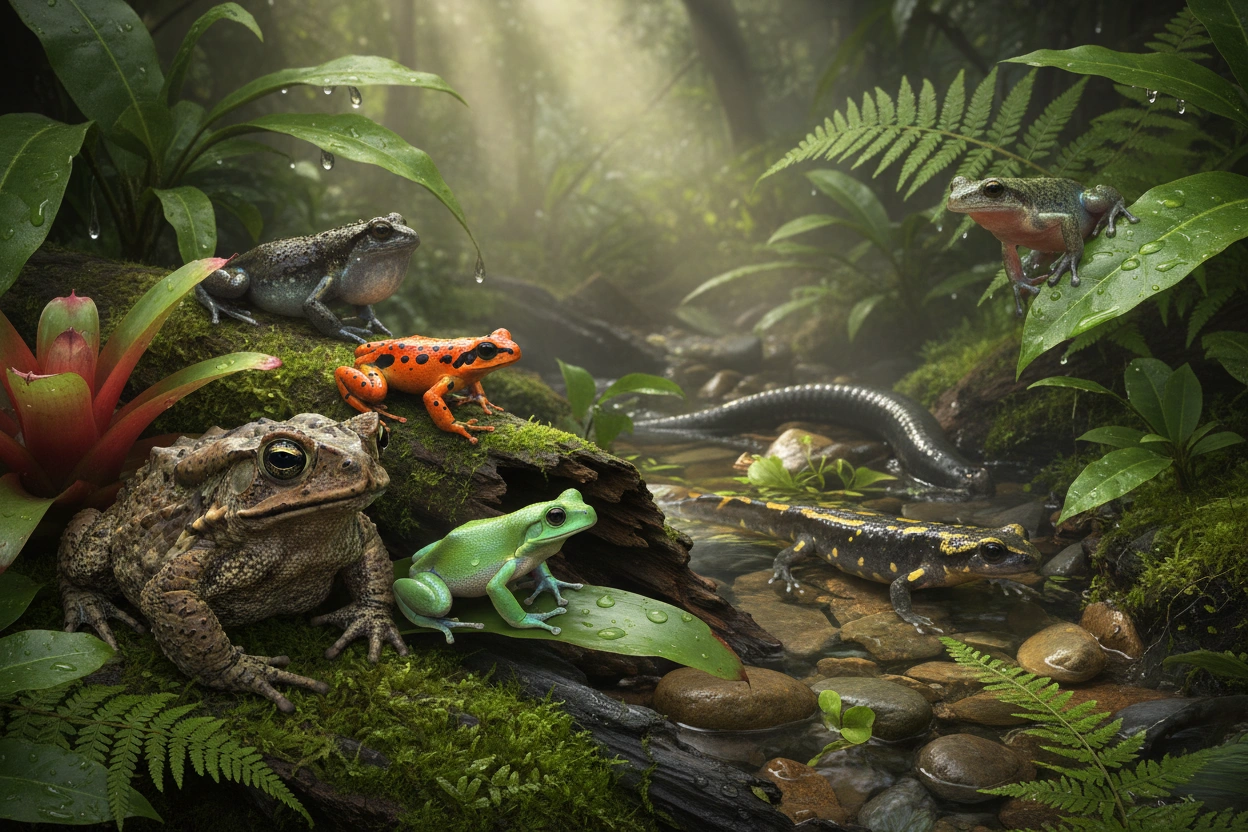
Amphibians are cold-blooded vertebrates that typically begin their life in water, undergoing metamorphosis from a juvenile stage to adulthood. This class of animals includes frogs, toads, salamanders, and newts. One of the most remarkable characteristics of amphibians is their dual life; they are adapted to thrive both in aquatic and terrestrial environments.
The Life Cycle of Amphibians
The life cycle of amphibians is unique, characterized by a metamorphosis process that involves several stages:
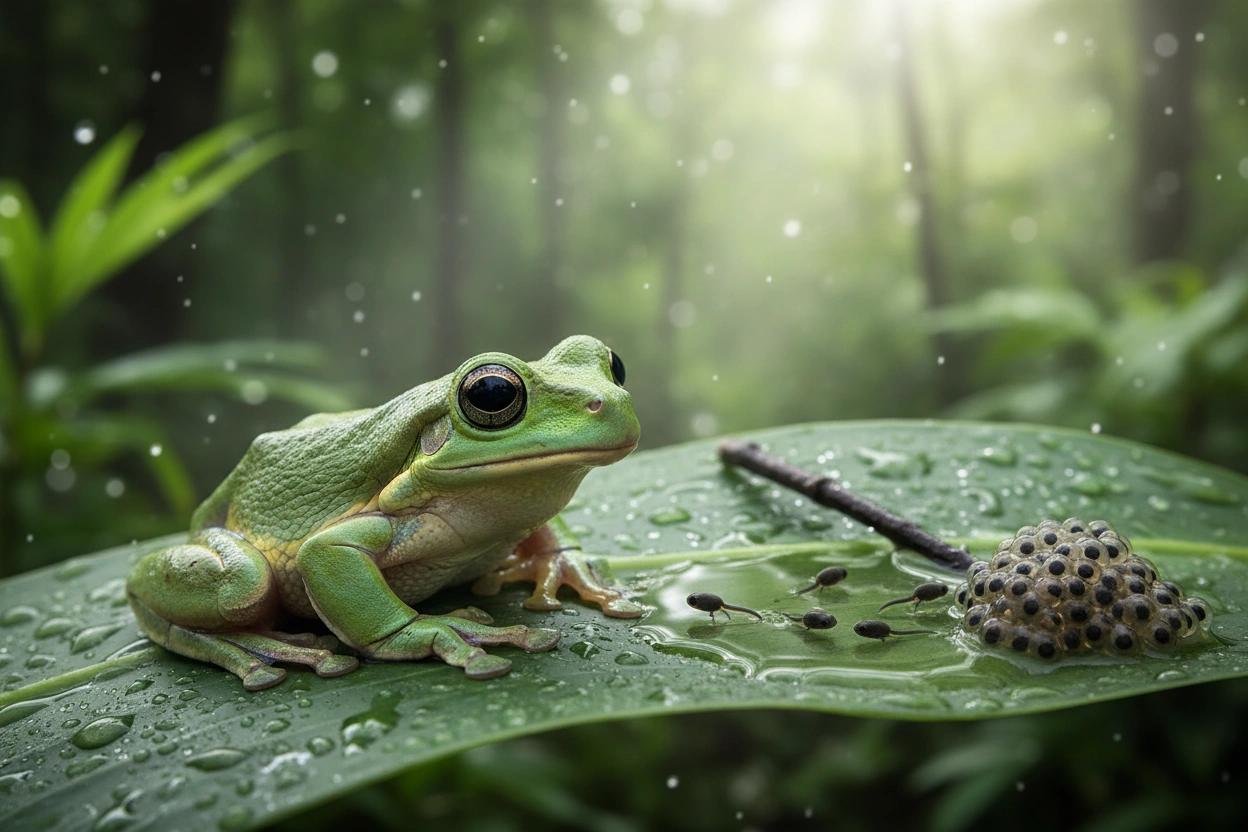
- Egg Stage: Most amphibians lay eggs in water. These eggs are often laid in clusters or strings and are usually surrounded by a gelatinous substance for protection.
- Tadpole Stage: Upon hatching, the larvae, commonly known as tadpoles, are fully aquatic and possess gills for breathing. They are herbivorous and primarily feed on algae.
- Metamorphosis: As tadpoles grow, they undergo metamorphosis, during which they develop legs, lose their tails, and transition from gills to lungs for breathing air.
- Adult Stage: Once fully developed, adult amphibians can live both in water and on land, depending on the species.
This complex life cycle allows amphibians to exploit various ecological niches, making them an integral part of both aquatic and terrestrial ecosystems.
Common Species of Amphibians
Amphibians are found in diverse habitats worldwide, from rainforests to deserts. Some of the most common species include:
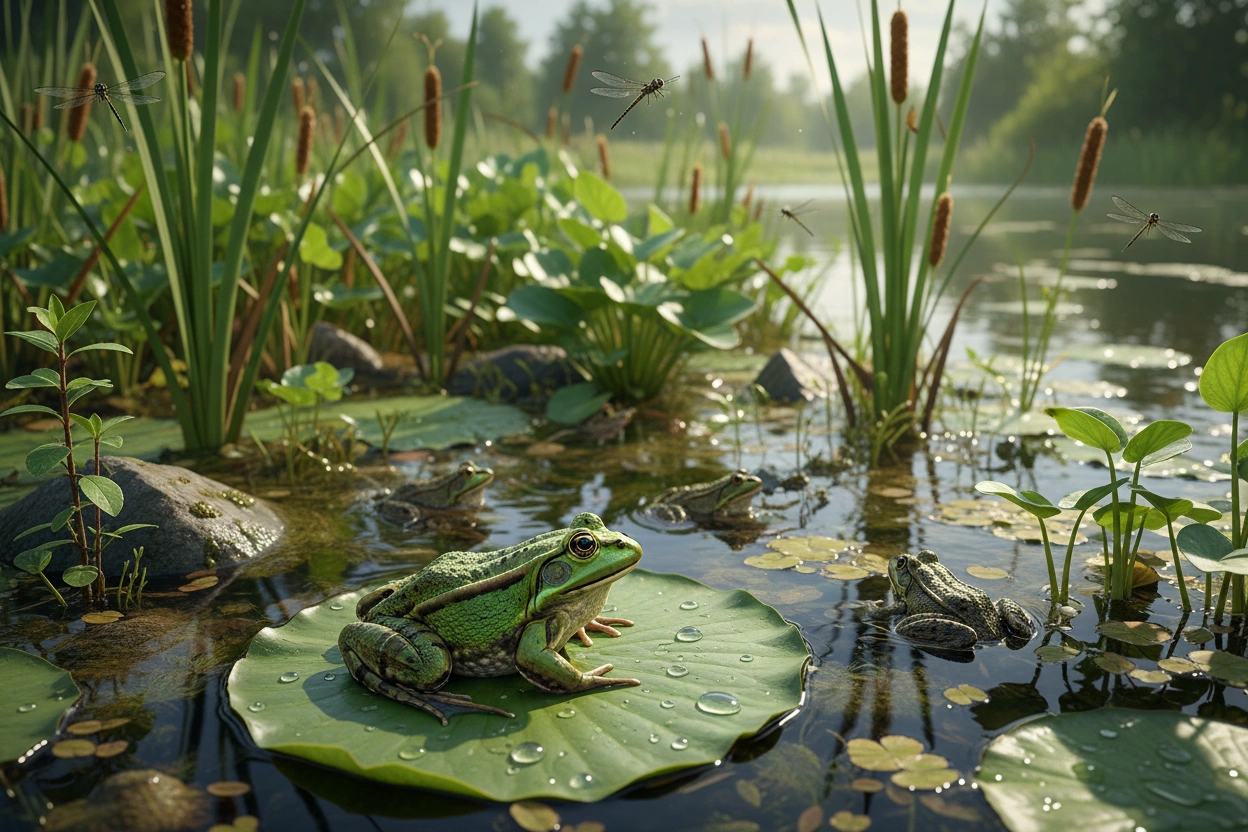
- American Bullfrog (Lithobates catesbeianus): Known for its loud croaking, this species is prevalent in North America and is often found in ponds, lakes, and marshes.
- Common Frog (Rana temporaria): Found across Europe and parts of Asia, this species is adaptable and can live in a variety of habitats, including gardens and woodlands.
- Red-eyed Tree Frog (Agalychnis callidryas): This vibrant species is native to Central America and is often associated with humid tropical environments.
- Eastern Newt (Notophthalmus viridescens): Common in North America, this species has a unique life cycle that includes an aquatic larval stage and a terrestrial juvenile phase.
Understanding these species and their specific habitats is crucial for effective conservation efforts.
The Importance of Frog Habitats
Frog habitats are critical for the survival of amphibians, providing essential resources such as food, shelter, and breeding grounds. The loss and degradation of these habitats pose significant threats to amphibian populations.
Key Characteristics of Frog Habitats
Frog habitats vary widely but generally share some common characteristics:
- Moisture: Amphibians require moist environments to prevent dehydration. This moisture can be found in ponds, streams, wetlands, and even damp forest floors.
- Vegetation: Dense vegetation offers shelter from predators and a hunting ground for insects, which are a primary food source for many amphibians.
- Water Quality: Clean, unpolluted water is vital for breeding and the survival of amphibian eggs and larvae. Pollution and habitat destruction can lead to population declines.
Maintaining healthy frog habitats is essential for the conservation of amphibians. This involves protecting existing wetlands, restoring degraded habitats, and preventing pollution from agricultural runoff and urban development.
Top 10 Amphibian Conservation Efforts to Support
With the alarming decline in amphibian populations globally, numerous conservation efforts are underway to protect these vital species. Here are ten key initiatives that focus on amphibian conservation:
- Habitat Restoration: Initiatives that aim to restore and rehabilitate wetlands and other critical habitats help provide safe breeding grounds for amphibians.
- Pollution Control: Efforts to reduce pollution from agricultural runoff and industrial waste are crucial in maintaining clean water sources for amphibians.
- Captive Breeding Programs: Organizations are establishing captive breeding programs for endangered species to increase population numbers and genetic diversity.
- Public Awareness Campaigns: Education campaigns aimed at raising awareness about amphibian conservation help engage communities in protective actions.
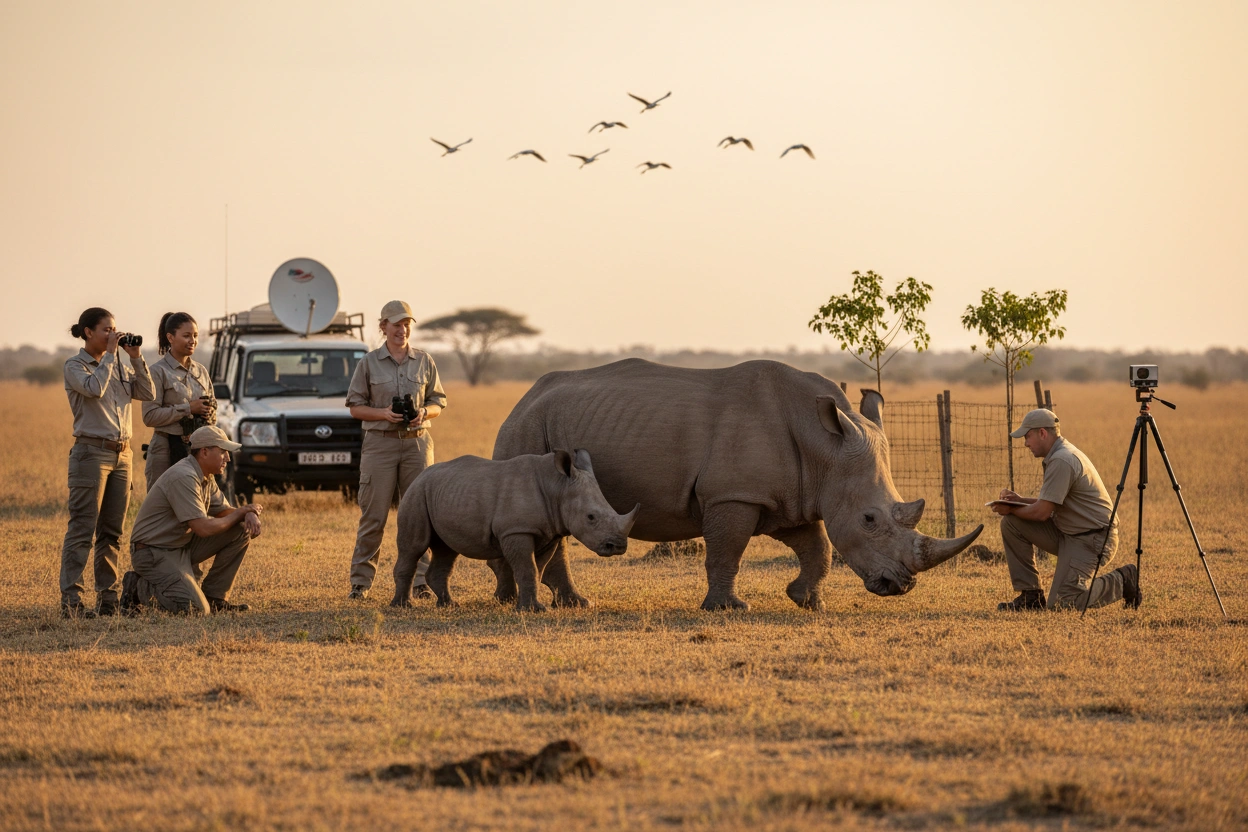
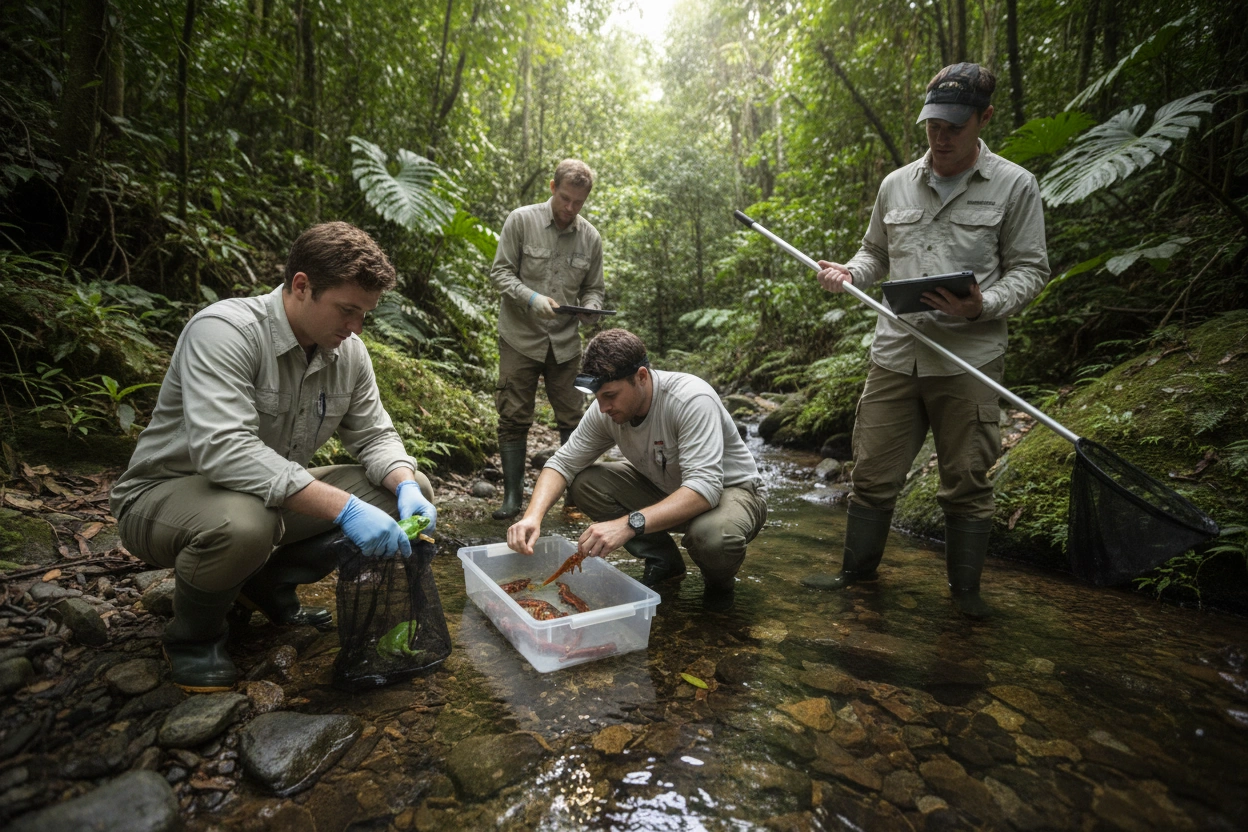
- Research and Monitoring: Ongoing research to monitor amphibian populations and study their health provides valuable data for conservation strategies.
- Legislation and Policy Changes: Supporting policies that protect amphibian habitats and regulate land use is essential for long-term conservation success.
- Community Involvement: Engaging local communities in conservation efforts fosters stewardship and ensures sustainable practices that benefit amphibians.
- Invasive Species Management: Addressing the threat posed by invasive species that compete with or prey on native amphibians is critical for their survival.
- Climate Change Mitigation: Initiatives focused on combating climate change help protect amphibians from the adverse effects of temperature changes and habitat loss.
- International Collaboration: Global partnerships that share resources, knowledge, and strategies enhance the effectiveness of amphibian conservation efforts worldwide.
Supporting these conservation efforts not only helps protect amphibians but also contributes to the overall health of ecosystems.
Common Misconceptions About Amphibians
Despite their ecological importance, there are several misconceptions about amphibians that can hinder conservation efforts. Addressing these myths is essential for fostering a better understanding of these creatures.
Misconception 1: All Amphibians Are Poisonous
While some amphibians, like poison dart frogs, possess toxic skin secretions as a defense mechanism, not all amphibians are poisonous. Many species are completely harmless to humans and play vital roles in controlling insect populations.
Misconception 2: Amphibians Are Just Frogs and Toads
Although frogs and toads are the most recognized amphibians, this class also includes salamanders and newts. Each group has distinct characteristics and ecological roles, making them all essential to biodiversity.
Misconception 3: Amphibians Are Not Important to Ecosystems
Amphibians serve as both predators and prey within their ecosystems. They help regulate insect populations and are a food source for many larger animals, including birds and mammals. Their decline can lead to imbalances in food webs.
By debunking these misconceptions, we can foster a deeper appreciation for amphibians and the need for their conservation.
The Role of the Banana Slug Club in Amphibian Conservation
The Banana Slug Club plays an important role in promoting amphibian conservation through education and community engagement. By raising awareness about the importance of these species and their habitats, the club helps foster a culture of conservation.
How the Banana Slug Club Supports Amphibian Conservation
- Educational Programs: The Banana Slug Club offers workshops and educational materials that inform the public about amphibian species, their habitats, and conservation efforts.
- Community Events: Organizing events such as habitat restoration days and frog monitoring activities encourages community participation and stewardship.
- Partnerships: Collaborating with local organizations and conservation groups amplifies the impact of their efforts and fosters a network of support for amphibian conservation.
Engaging in Amphibian Conservation
As individuals, we can also contribute to amphibian conservation in meaningful ways. Here are several actionable steps to consider:
- Educate Yourself and Others: Learn about local amphibian species and their habitats. Share your knowledge with friends and family to raise awareness.
- Support Conservation Organizations: Consider donating to or volunteering with organizations focused on amphibian conservation, such as the Banana Slug Club.
- Practice Sustainable Living: Reduce your ecological footprint by minimizing pollution, conserving water, and supporting sustainable agricultural practices.
- Participate in Citizen Science: Join local initiatives that monitor amphibian populations and report your findings to contribute to valuable research.
By taking these steps, we can all play a part in protecting amphibians and their habitats.
Embracing the Diversity of Amphibians
The diverse world of amphibians is a testament to the resilience and adaptability of life on Earth. By understanding their unique life cycles, habitats, and the conservation challenges they face, we can appreciate the vital role they play in our ecosystems. The Banana Slug Club is dedicated to promoting awareness and action for amphibian conservation.
If you want to learn more about amphibians and how you can get involved, contact Banana Slug Club for more information. Together, we can make a difference in preserving these remarkable creatures for future generations.


.svg)
.svg)