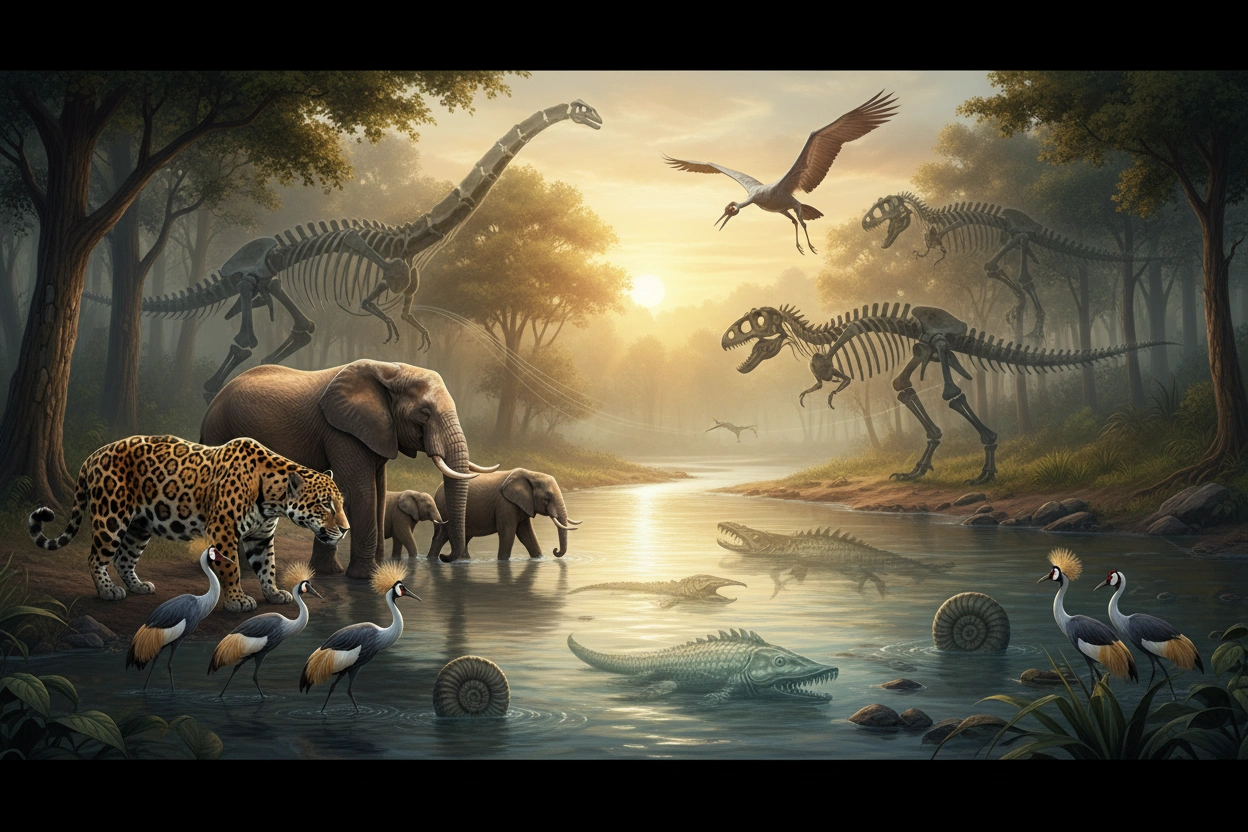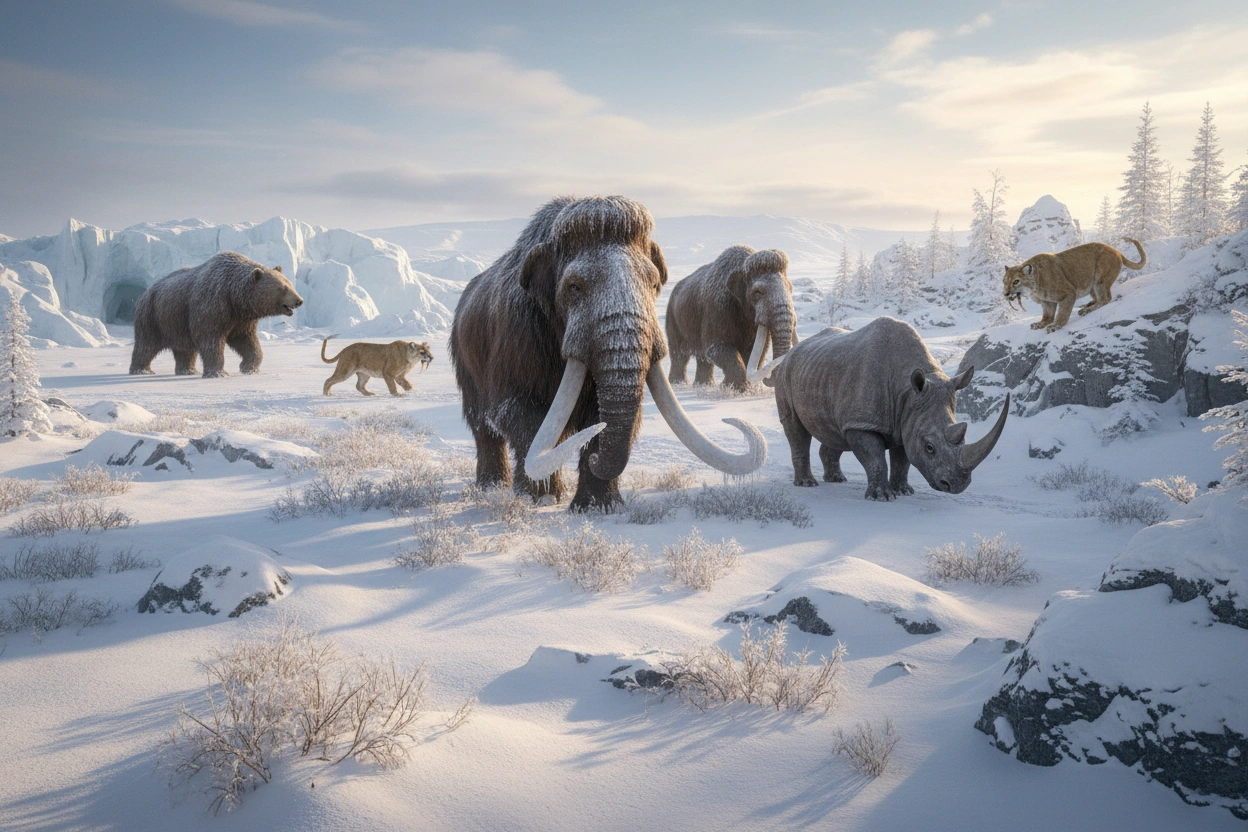
The Ice Age was a time of profound climatic change, marked by the expansion of glaciers and a significant drop in global temperatures. During this period, which lasted from approximately 2.4 million years ago until about 11,700 years ago, prehistoric animals underwent remarkable adaptations to survive in harsh environments. These adaptations not only highlight the resilience of ancient wildlife but also provide insights into how prehistoric animals adapted during the Ice Age. Understanding how prehistoric animals adapted during the Ice Age can deepen our appreciation for the natural world and the evolutionary processes that shaped it.
This article delves into the fascinating adaptations of prehistoric animals during the Ice Age, showcasing their unique features and survival strategies. Additionally, we will explore the top ten most fascinating extinct animals you should know about, providing a broader context for their adaptations and ecological roles.
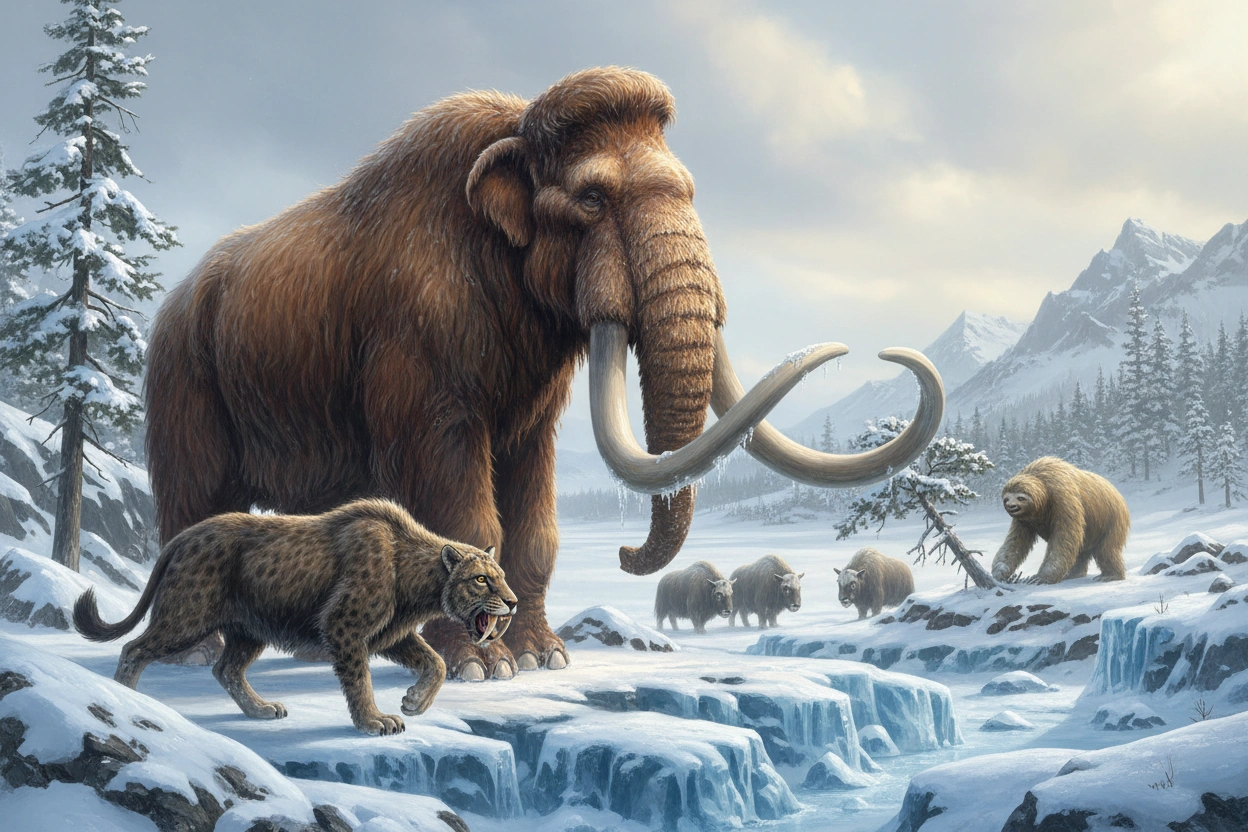
During the Ice Age, prehistoric animals developed various physiological adaptations to cope with the cold and harsh conditions. These changes were crucial for survival, as they allowed animals to maintain body heat, find food, and reproduce in environments that were often inhospitable.
Fur and Insulation: Many prehistoric mammals, such as the woolly mammoth and the saber-toothed cat, developed thick fur coats that provided insulation against the frigid temperatures. These coats were often layered, with longer guard hairs to repel moisture and shorter underfur for warmth. This adaptation allowed them to thrive in tundra and steppe environments.
Body Size and Shape: Bergmann's Rule explains that larger body sizes tend to be found in colder climates. Prehistoric animals like the mastodon exhibited larger body sizes compared to their warmer-climate relatives. Larger animals have a smaller surface area relative to their volume, reducing heat loss.
Behavioral adaptations also played a critical role in the survival of prehistoric animals during the Ice Age. These adaptations influenced how they interacted with their environment, sought food, and avoided predators.
Migration Patterns: Many prehistoric animals, such as the woolly rhinoceros, exhibited migratory behaviors to follow food sources and escape harsh winters. These migrations often involved traveling long distances to find suitable habitats, which were essential for feeding and breeding.
Social Structures: Some species developed complex social structures that improved their chances of survival. For instance, herds of mammoths and bison provided protection against predators through collective defense mechanisms and increased foraging efficiency.
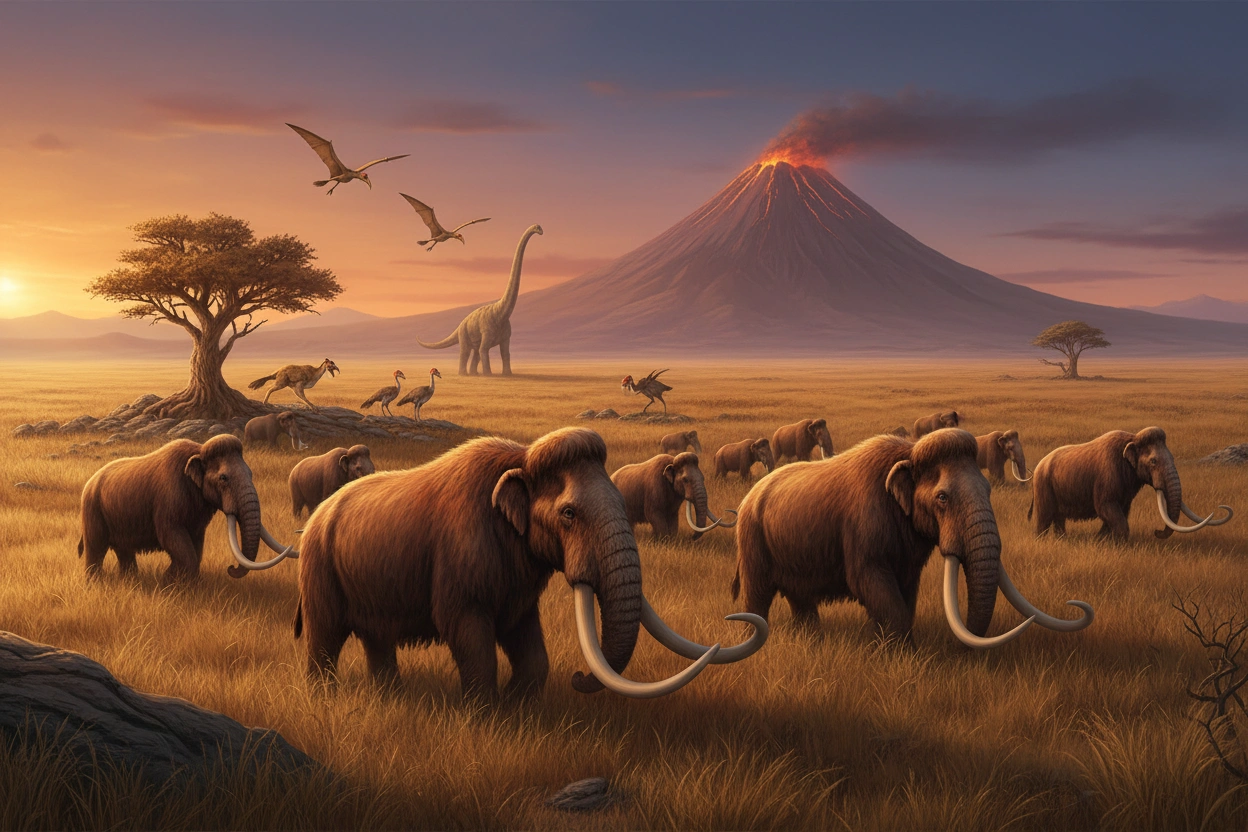
The Ice Age was home to a diverse array of prehistoric animals, many of which are captivating due to their unique adaptations and ecological roles. Here are ten of the most fascinating extinct animals from this era.
Woolly Mammoth: This iconic Ice Age creature roamed the northern tundra and is known for its long, curved tusks and thick fur. Woolly mammoths adapted to cold environments with a layer of fat beneath their skin, helping them retain warmth.
Saber-toothed Cat: Known for its elongated canine teeth, the saber-toothed cat was a formidable predator. Its powerful build and keen hunting strategies made it a top predator in its ecosystem.
Mastodon: Similar in appearance to the woolly mammoth but with different teeth suited for browsing on trees and shrubs, mastodons adapted to varied diets depending on their environment.
Giant Ground Sloth: This massive herbivore could reach lengths of over 10 feet. Its size deterred predators, and it likely fed on leaves and other vegetation found in its habitat.
Irish Elk: Known for its impressive antlers, the Irish elk was one of the largest deer species ever. Its adaptations allowed it to thrive in open woodlands and grasslands.
Short-faced Bear: This giant bear had long limbs and was likely one of the fastest bears of its time. It adapted to a carnivorous diet, preying on large herbivores.
Woolly Rhinoceros: Equipped with a thick coat of fur and a robust body, the woolly rhinoceros was adapted to cold environments and often grazed on the tundra's vegetation.
Dire Wolf: This large canid was a top predator in its ecosystem, hunting in packs. Its adaptations allowed it to take down large prey, such as bison and horses.
Megatherium (Giant Ground Sloth): This enormous sloth could weigh over 4 tons and was a herbivore that primarily fed on leaves. Its size provided protection from predators.
Thylacine (Tasmanian Tiger): Although it existed after the Ice Age, the thylacine is often included in discussions about extinct species. Its adaptations included a striped back and a strong, agile body, allowing it to hunt effectively.
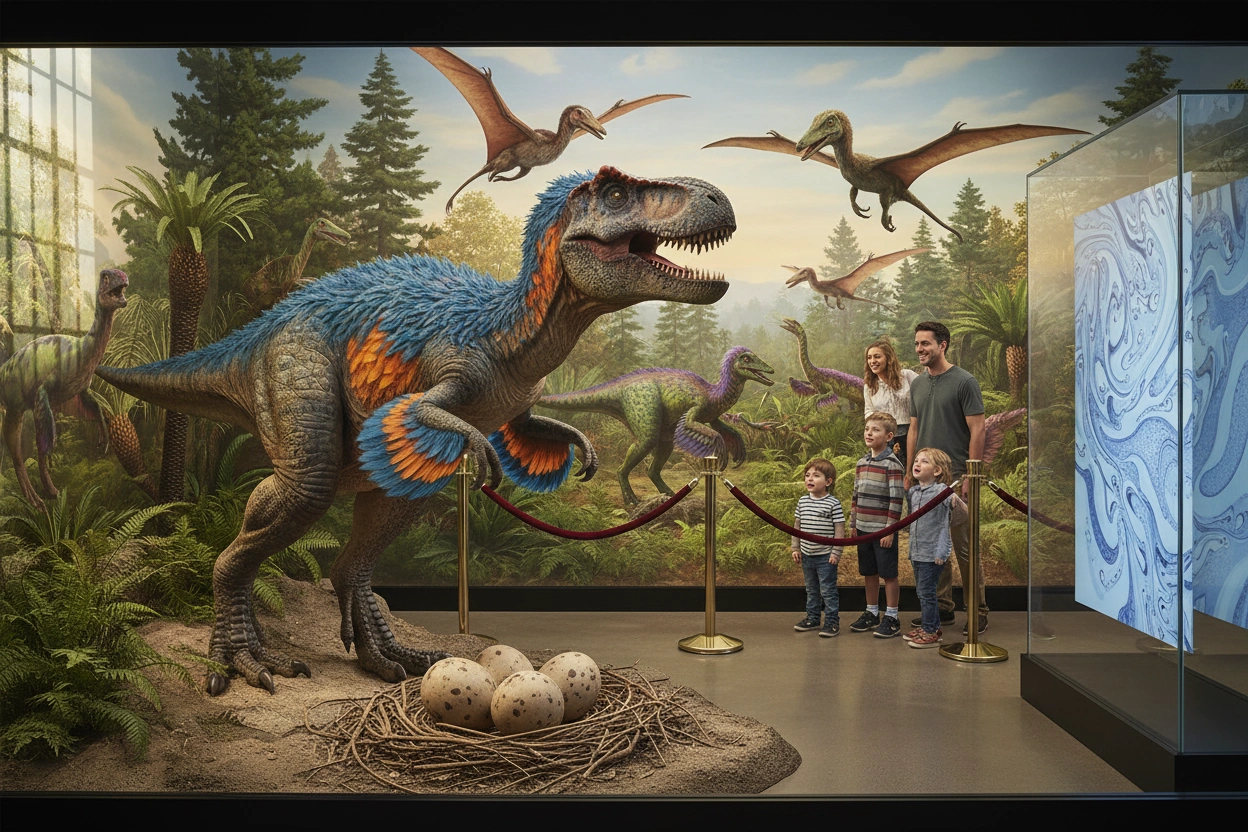
Understanding prehistoric animals requires debunking certain myths that have persisted over the years. These misconceptions can lead to a misunderstanding of how these creatures lived and adapted.
While many iconic Ice Age animals, like the woolly mammoth and the giant ground sloth, were indeed large, numerous smaller species also thrived during this time. For instance, the Arctic hare and various small rodents adapted to survive in cold climates, demonstrating that size is not the only factor in survival.
Contrary to popular belief, many prehistoric animals were agile and well-adapted to their environments. The saber-toothed cat, for example, was a skilled predator, utilizing speed and agility to hunt effectively. This highlights the importance of understanding the ecological roles and adaptations of various species.
While some prehistoric animals share characteristics with their modern counterparts, many were vastly different. For example, the short-faced bear and the modern grizzly bear have different adaptations and ecological niches, illustrating the diversity of prehistoric life.
The Ice Age was characterized by dramatic climate fluctuations that influenced the evolution and extinction of many prehistoric animals. Understanding these impacts offers valuable insights into how current climate change may affect modern wildlife.
Many prehistoric animals successfully adapted to changing climates through physiological and behavioral changes. However, others could not keep pace with rapid environmental shifts and ultimately faced extinction. This highlights the critical importance of adaptability in the face of climate change.
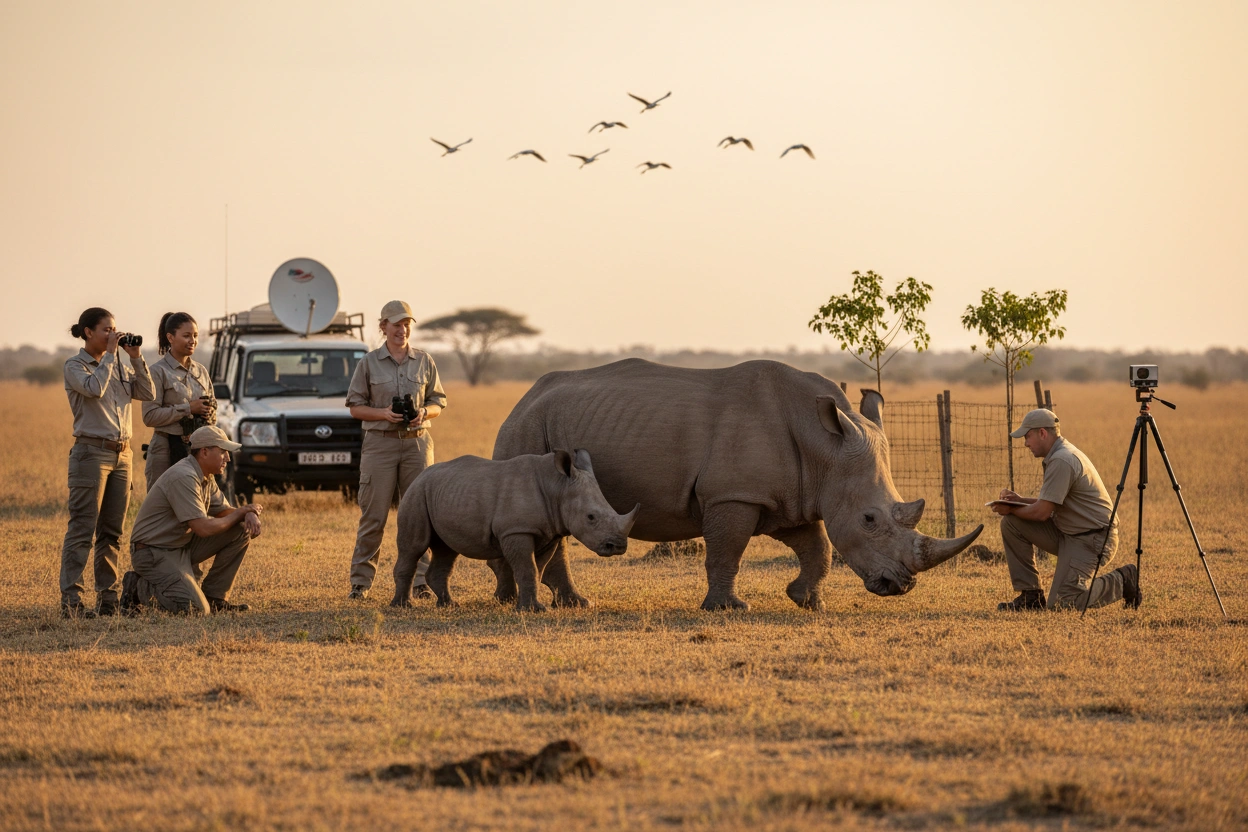
Studying the adaptations of prehistoric animals can inform current conservation efforts. For example, understanding how species responded to past climate shifts can help predict how modern wildlife may cope with ongoing changes. Conservation strategies that promote genetic diversity and habitat connectivity may enhance resilience in the face of environmental challenges.
Fossils are invaluable for reconstructing the lives of prehistoric animals. They provide insights into their physical characteristics, behaviors, and environments.
Significant fossil discoveries have shed light on the adaptations of prehistoric animals. For instance, the discovery of well-preserved mammoth remains in Siberian permafrost has provided insights into their diet, health, and the environmental conditions they faced.
Understanding the adaptations of prehistoric animals offers valuable lessons for modern wildlife conservation efforts. As species face unprecedented environmental changes, the knowledge gained from studying extinct animals can guide strategies to promote resilience and adaptability.
Conservation Strategies: Implementing strategies that mimic natural ecosystems can help protect vulnerable species. This includes creating wildlife corridors to facilitate migration and maintaining genetic diversity within populations.
Public Awareness: Educating the public about the importance of preserving biodiversity and the lessons learned from prehistoric animals can foster a greater appreciation for wildlife conservation.
In summary, the adaptations of prehistoric animals during the Ice Age provide a compelling narrative of survival against the odds. By examining their unique features and ecological roles, we can gain a deeper understanding of the resilience of life on Earth.
The remarkable adaptations of prehistoric animals illustrate the resilience and diversity of life throughout history. By studying these ancient creatures, we gain insights into the evolutionary processes that shape our planet's ecosystems. The Banana Slug Club is dedicated to fostering a greater understanding of wildlife and the importance of conservation.
Join us in exploring the fascinating world of prehistoric animals and their adaptations. For more information on how you can support wildlife conservation and learn more about the adaptations of prehistoric animals, visit Banana Slug Club. Together, we can make a difference in preserving the legacy of our planet's ancient wildlife for future generations.
Get free resources, early access to new features and updates.
No spam. Just fun educational emails!


.svg)
.svg)