How Prehistoric Animals Influenced Human Evolution and Culture

No items found.
Updated on:
June 18, 2026
Impact of Prehistoric Animals on Human Evolution
Updated on:
June 18, 2026

How Prehistoric Animals Influenced Human Evolution and Culture

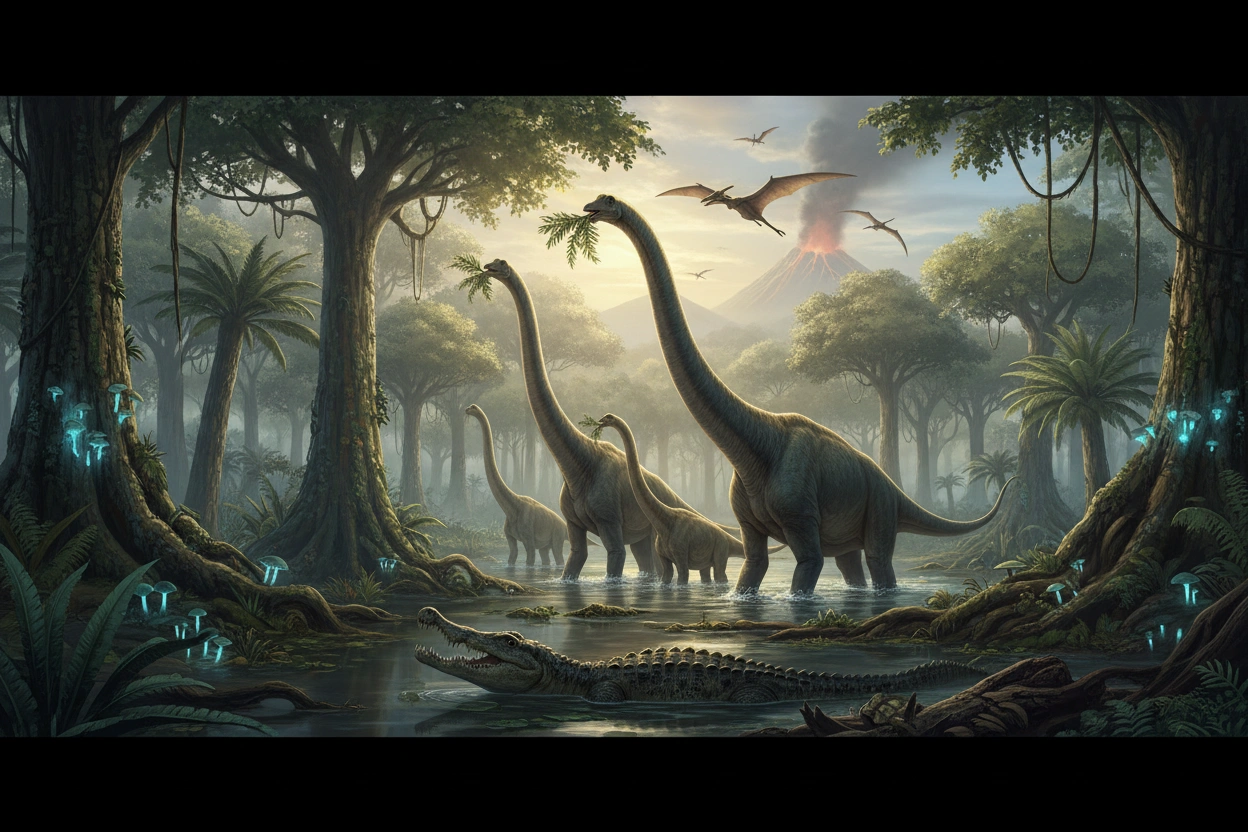
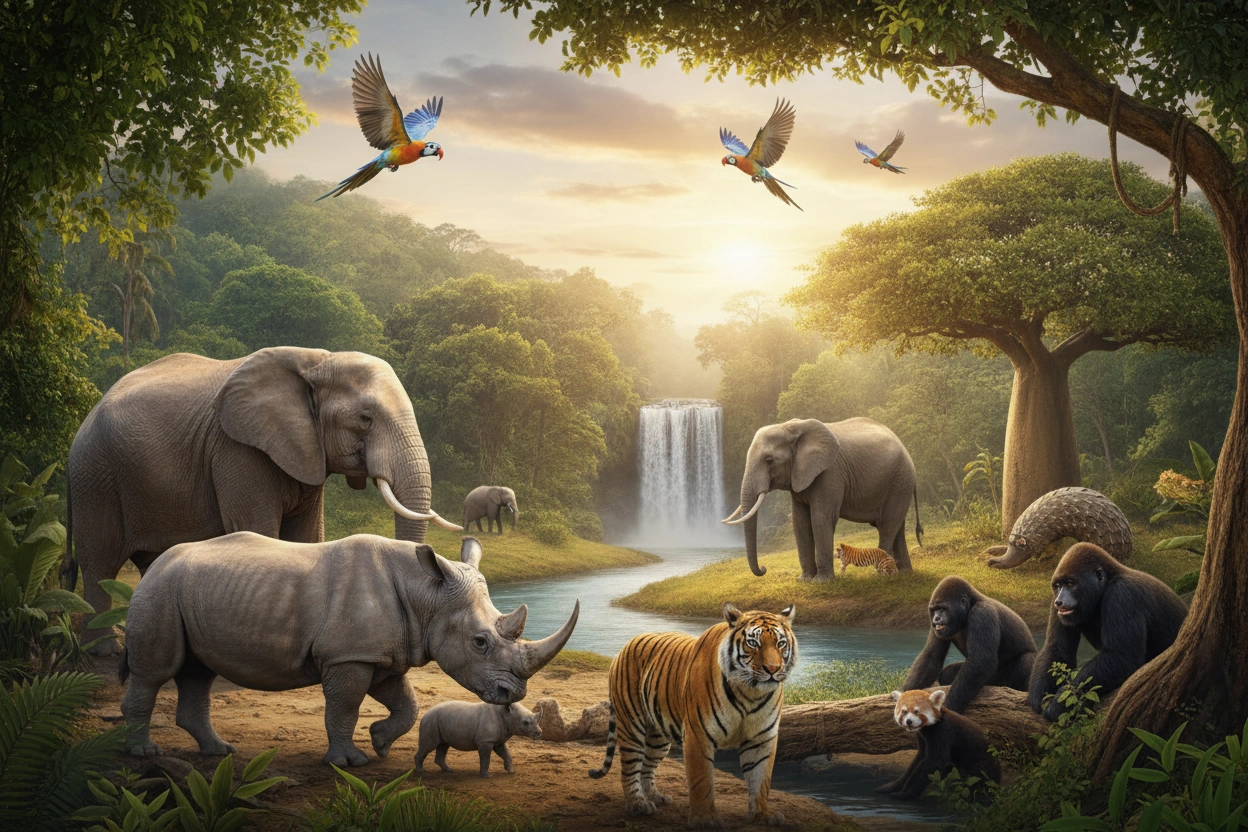
The fascination with prehistoric animals has captivated human imagination for centuries. These ancient wildlife species not only shaped the ecosystems of their time but also left an indelible mark on human evolution and cultural narratives. By studying these creatures, we gain insights into the world our ancestors inhabited, the challenges they faced, and the how prehistoric animals influenced human culture, mythology, and even our biological heritage.

In this article, we will delve into the intricate relationship between prehistoric animals and human development. We will explore how ancient wildlife has influenced mythology, art, and even scientific advancements. Additionally, we will highlight the top ten most fascinating extinct animals you should know about, showcasing their unique characteristics and significance in both history and culture.

The Impact of Prehistoric Animals on Human Evolution

Professional image illustrating The Impact of Prehistoric Animals on Human Evolution

Understanding the role of prehistoric animals in human evolution requires examining the environmental context in which early humans lived. The interactions between our ancestors and these ancient creatures played a crucial role in shaping human behavior, survival strategies, and even social structures.

The Coexistence of Humans and Megafauna

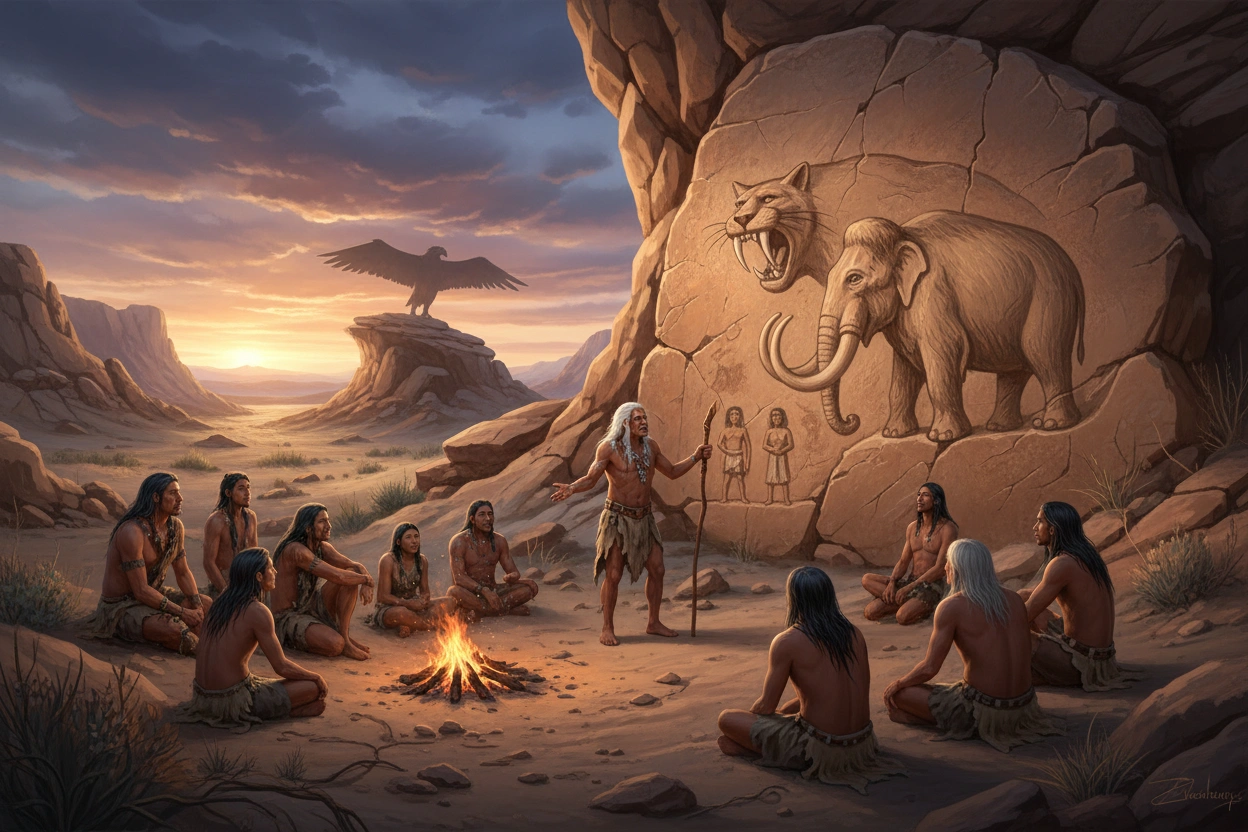
Prehistoric animals such as mammoths, saber-toothed cats, and giant ground sloths were prevalent during the Pleistocene epoch. As early humans migrated across continents, they encountered these megafauna, leading to a complex relationship characterized by both competition and cooperation.

  • Hunting Practices: Early humans developed sophisticated hunting techniques to capture large game. This not only required physical skill but also social cooperation, fostering community bonding.
  • Cultural Significance: Many prehistoric animals became symbols in early human cultures. Cave paintings often depicted these creatures, reflecting their importance in the daily lives and spiritual beliefs of our ancestors.

Adaptations and Innovations

The presence of prehistoric animals drove humans to adapt and innovate in various ways. The challenges posed by these creatures prompted the development of tools, strategies, and social structures that would eventually define human societies. The adaptations they developed in response to their environment prompted the development of tools, strategies, and social structures that would eventually define human societies.
  • Tool Development: The need for effective hunting tools led to the creation of specialized implements, such as spear-throwers and stone blades, which were critical for taking down large animals.
  • Dietary Changes: The extinction of certain megafauna forced early humans to diversify their diets, leading to the exploration of new food sources, such as plants and smaller animals. This adaptability was essential for survival and set the stage for agricultural practices.

Cultural Narratives and Mythologies

Professional image illustrating Cultural Narratives and Mythologies

Prehistoric animals have significantly influenced cultural narratives and mythologies across various civilizations. These narratives often served to explain natural phenomena, instill moral lessons, or celebrate the connection between humans and nature.

Mythological Representations

Many ancient cultures incorporated prehistoric animals into their mythologies, often portraying them as powerful symbols of strength, danger, or wisdom.

  • Cave Paintings: The discovery of cave art, particularly in regions like Lascaux, France, reveals that early humans revered these animals, depicting them with remarkable detail and skill.
  • Folklore and Legends: Numerous myths feature giant creatures, such as dragons and griffins, which may have been inspired by the remains of prehistoric animals. These stories reflect human attempts to understand and relate to the world around them.

Influence on Art and Literature

The fascination with prehistoric animals has persisted through the ages, influencing art and literature. Artists and writers have drawn inspiration from these creatures, using them as metaphors for human experiences.

  • Contemporary Art: Modern artists continue to explore themes related to prehistoric animals, using them to comment on environmental issues and humanity's place within the natural world.
  • Literary References: Authors often reference prehistoric animals in their works to evoke a sense of wonder or to explore themes of survival, extinction, and the passage of time.

Top 10 Most Fascinating Extinct Animals You Should Know About

Professional image illustrating Top 10 Most Fascinating Extinct Animals You Should Know About

Exploring the world of prehistoric animals reveals a diverse array of fascinating species that once roamed the Earth. Here are ten of the most captivating extinct animals worth knowing about:

  1. Woolly Mammoth

    • These iconic creatures were adapted to cold climates with their thick fur and large tusks. They played a significant role in the ecosystems of the Ice Age and are often associated with early human hunting practices.
  2. Saber-Toothed Cat

    • Known for their elongated canines, saber-toothed cats were formidable predators. Their hunting strategies and social behaviors provide insights into the dynamics of prehistoric ecosystems.
  3. Megalodon

    • This enormous prehistoric shark was one of the most powerful predators in the ocean. Its size and hunting prowess have sparked numerous myths and legends throughout history.
  4. Dodo Bird

    • Once native to Mauritius, the dodo became extinct in the late 17th century due to human activity. Its story serves as a cautionary tale about the impact of human expansion on wildlife.
  5. Mastodon

    • Similar to woolly mammoths but with a different dental structure, mastodons roamed North America and were closely related to modern elephants. They provide important clues about the evolution of proboscideans.
  6. Giant Ground Sloth

    • These massive sloths, some of which were the size of elephants, were herbivores that grazed on leaves and vegetation. Their extinction is linked to climate change and human hunting.
  7. Irish Elk

    • Known for their enormous antlers, Irish elk roamed Europe and Asia. Their size and adaptations highlight the diversity of prehistoric animal life and the environmental pressures they faced.
  8. Woolly Rhinoceros

    • Adapted to cold climates, woolly rhinoceroses had thick fur and were a crucial part of the Pleistocene ecosystem. Their remains have been found preserved in ice, providing valuable insights into their biology.
  9. Thylacine (Tasmanian Tiger)

    • Once found in Tasmania, the thylacine was a carnivorous marsupial that became extinct in the 20th century. Its extinction highlights the fragility of ecosystems and the impact of human activity.
  10. Steller's Sea Cow

  • This large marine herbivore was hunted to extinction in the 18th century. Its story underscores the importance of conservation efforts and the need to protect vulnerable species.

Common Misconceptions About Prehistoric Animals

Despite the wealth of information available, several misconceptions about prehistoric animals persist. Understanding these can enhance our appreciation for these fascinating creatures and their impact on human history.

Misconception: Dinosaurs Were the Only Prehistoric Animals

While dinosaurs are perhaps the most famous prehistoric animals, they represent only a fraction of ancient wildlife. Many other species, such as mammoths, saber-toothed cats, and ancient marine reptiles, played significant roles in their ecosystems.

Misconception: Prehistoric Animals Were All Gigantic

While some prehistoric animals were indeed massive, many were similar in size to modern species. The diversity of prehistoric wildlife included both large and small creatures, each adapted to their unique environments.

Misconception: Extinction Was Solely Due to Human Activity

Although human activity has contributed to the extinction of many species, other factors such as climate change, habitat loss, and natural disasters also played crucial roles in the extinction of prehistoric animals.

Understanding the Legacy of Prehistoric Animals

The legacy of prehistoric animals extends far beyond their extinction. These creatures shaped the evolution of modern species and influenced human culture in profound ways. By studying them, we can learn valuable lessons about adaptation, survival, and the interconnectedness of life.

The Role of Fossils in Scientific Discovery

Fossils provide critical evidence of prehistoric life, allowing scientists to reconstruct ancient ecosystems and understand the evolutionary processes that led to modern species.

  • Paleontology: The field of paleontology focuses on studying these fossils, revealing insights into the behavior, diet, and habitats of prehistoric animals.
  • Evolutionary Biology: Research on prehistoric animals has significantly advanced our understanding of evolution, including the mechanisms driving speciation and extinction.

Conservation and Preservation Efforts

The study of prehistoric animals underscores the importance of conservation in today's world. Learning from the past can inform current efforts to protect endangered species and preserve biodiversity.

  • Lessons from Extinction: Understanding the causes of past extinctions can help us identify and mitigate similar risks facing modern species.
  • Conservation Strategies: Effective conservation strategies often draw on historical data, ensuring that we protect not only individual species but also the ecosystems they inhabit.

The Influence of Prehistoric Animals on Modern Culture

Prehistoric animals continue to inspire modern culture, influencing everything from entertainment to education. Their legacy is evident in films, literature, and even scientific discourse.

Popular Culture References

Movies, documentaries, and literature frequently draw upon prehistoric themes, showcasing the enduring fascination with ancient wildlife.

  • Films: Movies like "Jurassic Park" have popularized dinosaurs, sparking interest in paleontology and prehistoric life among audiences of all ages.
  • Education: Many educational programs incorporate prehistoric animals into their curricula, using them as engaging tools to teach concepts in biology, evolution, and environmental science.

The Role of Museums and Exhibits

Museums play a crucial role in preserving the legacy of prehistoric animals. They provide opportunities for the public to engage with scientific discoveries and learn about our planet's history.

  • Exhibits: Many museums feature fossil displays and interactive exhibits that educate visitors about the diversity of prehistoric life.
  • Public Engagement: Special events, lectures, and workshops often focus on prehistoric animals, fostering a deeper understanding of their significance in both science and culture.

The Intersection of Prehistoric Animals and Modern Society

The study of prehistoric animals not only enriches our understanding of the past but also informs our present and future. As we face environmental challenges, the lessons learned from ancient wildlife can guide our actions.

A Call for Conservation

As stewards of the planet, it is our responsibility to protect the biodiversity that exists today. Learning from the history of prehistoric animals can inspire proactive measures to ensure that we do not repeat the mistakes of the past.

  • Sustainable Practices: Implementing sustainable practices in agriculture, industry, and urban development can help preserve ecosystems and protect vulnerable species.
  • Community Engagement: Encouraging community involvement in conservation efforts fosters a collective responsibility for the health of our planet.

Embracing Scientific Discovery

Continued research into prehistoric animals provides valuable insights into evolution, ecology, and climate change. By investing in scientific discovery, we can better understand the complexities of life on Earth.

  • Interdisciplinary Collaboration: Collaboration between paleontologists, ecologists, and conservationists can lead to innovative solutions for preserving biodiversity.
  • Public Awareness: Raising public awareness about the importance of prehistoric animals can foster a sense of stewardship and inspire future generations of scientists and conservationists.

Embracing the Legacy of Prehistoric Animals with Banana Slug Club

The exploration of how prehistoric animals influenced human evolution and culture reveals a rich tapestry of connections between our past and present. By understanding the significance of these ancient creatures, we can appreciate the complexities of our own evolution and the cultural narratives that have shaped humanity.

At Banana Slug Club, we are dedicated to fostering a deeper understanding of the natural world, including the fascinating legacy of prehistoric animals. Our commitment to education and conservation empowers individuals to appreciate the interconnectedness of all life forms and the importance of preserving our planet for future generations.

If you're interested in exploring how prehistoric animals can inform our understanding of today’s environmental challenges, we invite you to connect with us. Visit Banana Slug Club to learn more about our initiatives and how you can get involved in preserving the incredible biodiversity of our planet.

Join the Banana Slug Club!

Get free resources, early access to new features and updates.
No spam. Just fun educational emails!