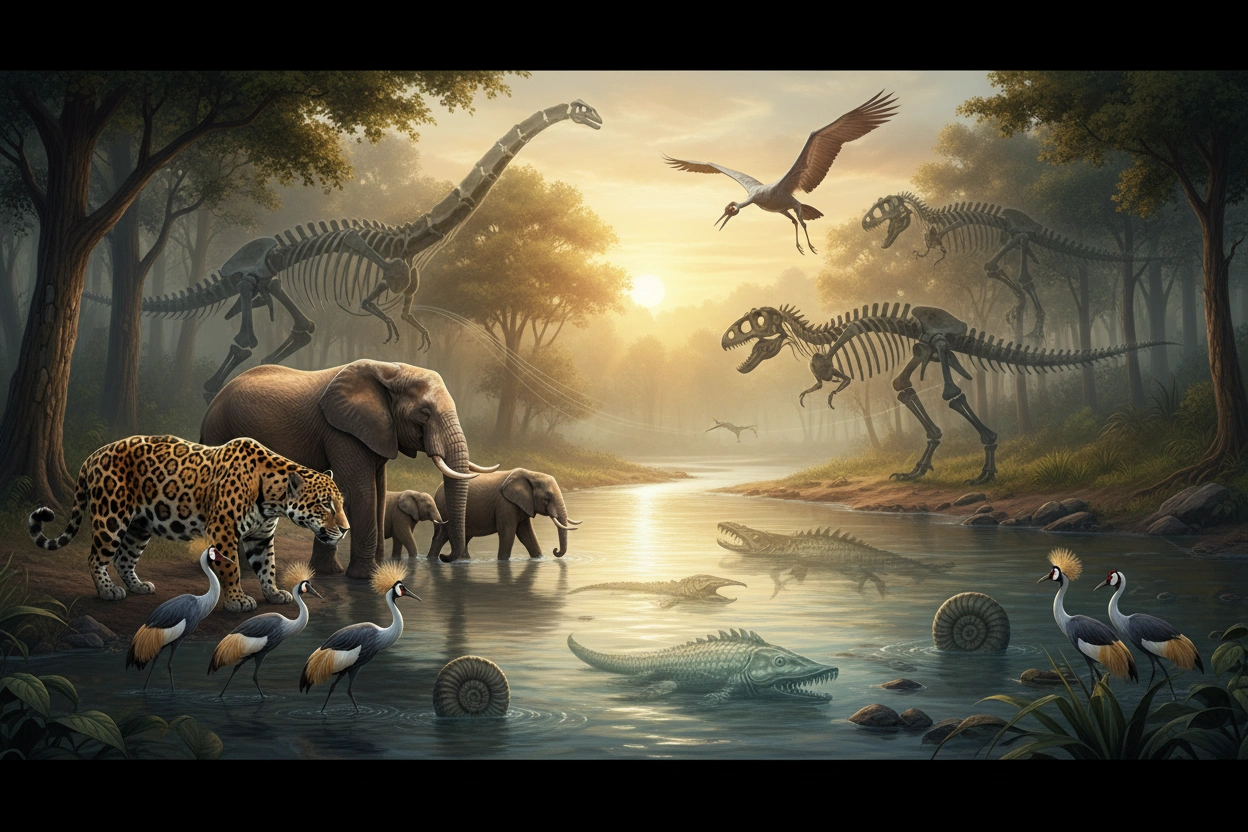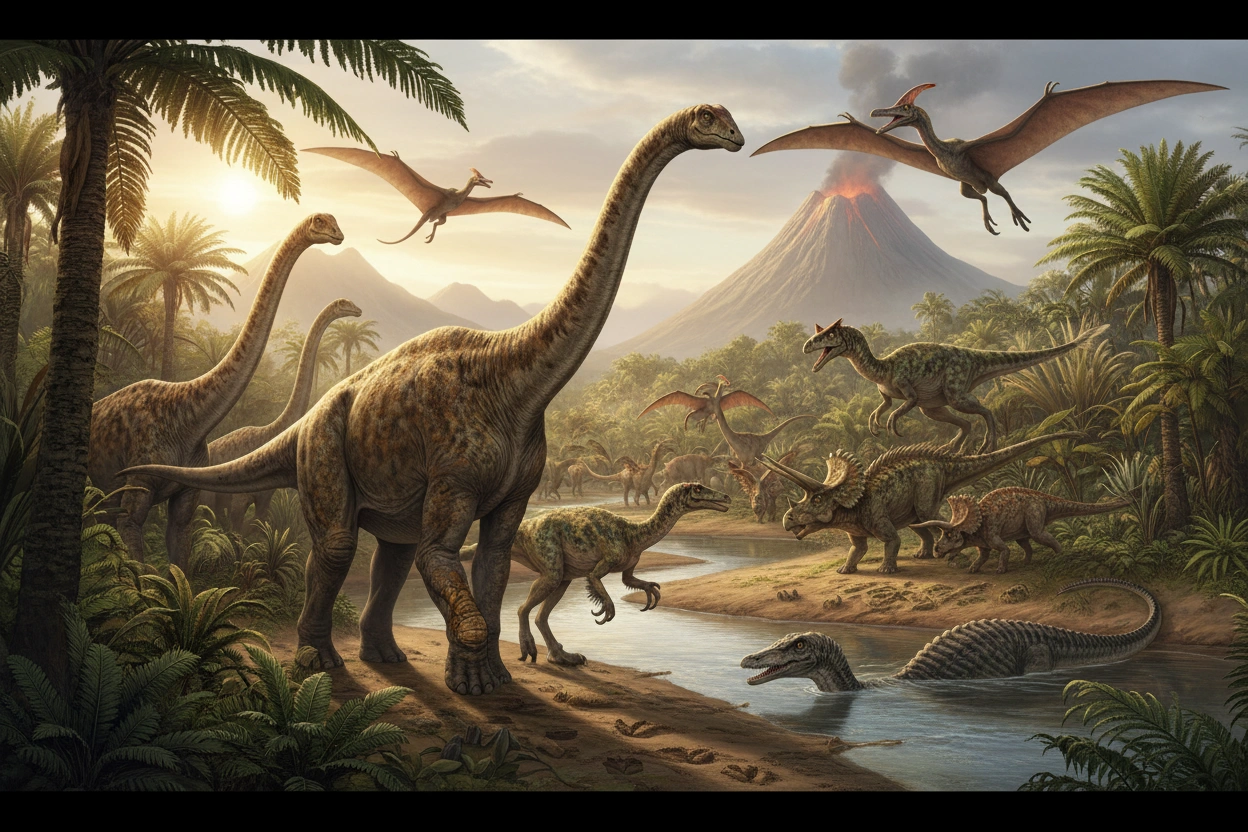
The study of prehistoric animals provides remarkable insights into how life on Earth has evolved over millions of years. From the towering dinosaurs to the magnificent woolly mammoths, the adaptations of these ancient creatures reveal not only their survival strategies but also the environmental pressures they faced. Understanding these adaptations can inform our knowledge of contemporary wildlife and guide conservation efforts for modern species. This article delves into the fascinating world of prehistoric animals, exploring the lessons learned from ancient ecosystems, and highlights the top ten most intriguing extinct animals you should know about.
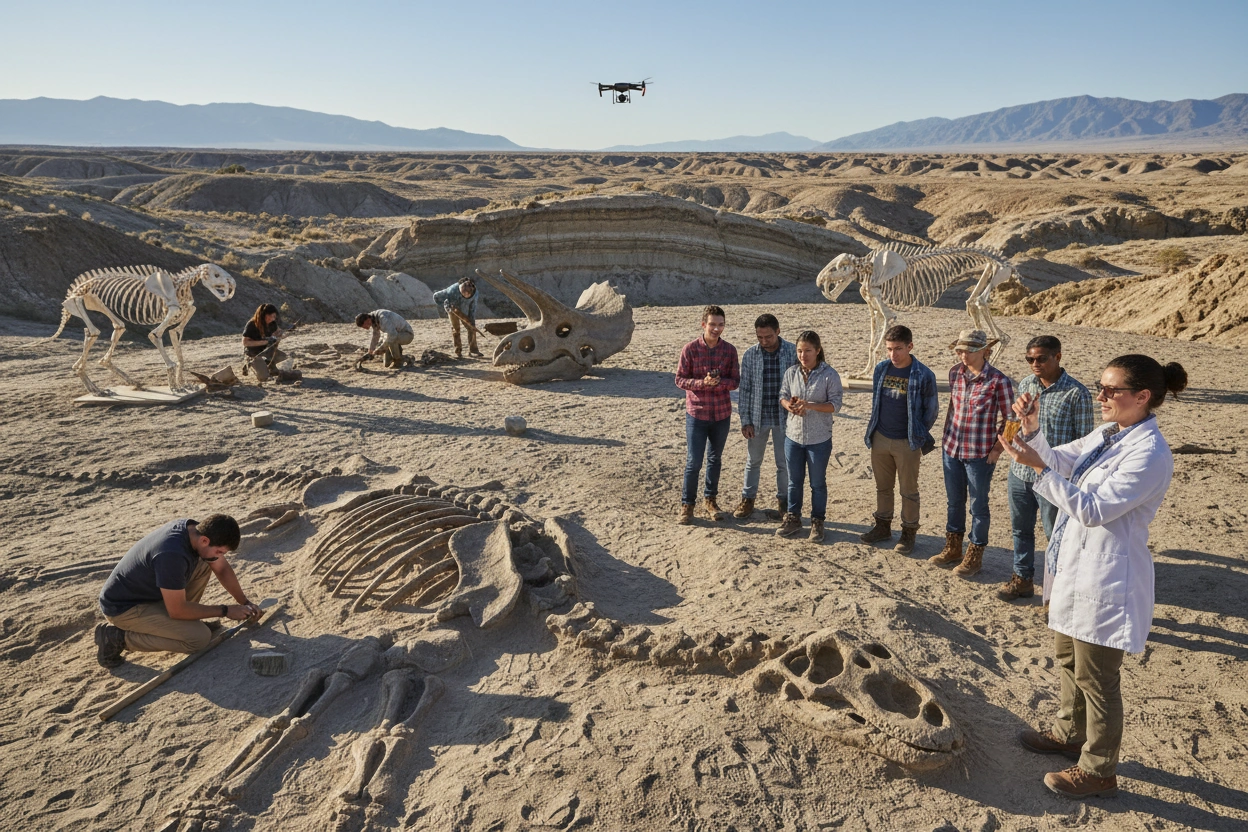
Studying prehistoric animals is crucial for multiple reasons. Firstly, it allows scientists to reconstruct past ecosystems and understand how species interacted with one another and their environments. These insights are vital for predicting how current species might adapt to changing climates and habitats. Secondly, examining the adaptations of prehistoric animals can inspire solutions for modern-day challenges in wildlife conservation and environmental management.
The adaptations of prehistoric animals showcase the incredible diversity of life and the various strategies employed to thrive in specific environments. For example, the evolution of the saber-toothed cat's elongated canines demonstrates a specialized hunting strategy that allowed it to tackle larger prey. Similarly, the development of thick fur in woolly mammoths was a response to the frigid temperatures of the Ice Age, illustrating how external conditions shape physical traits.
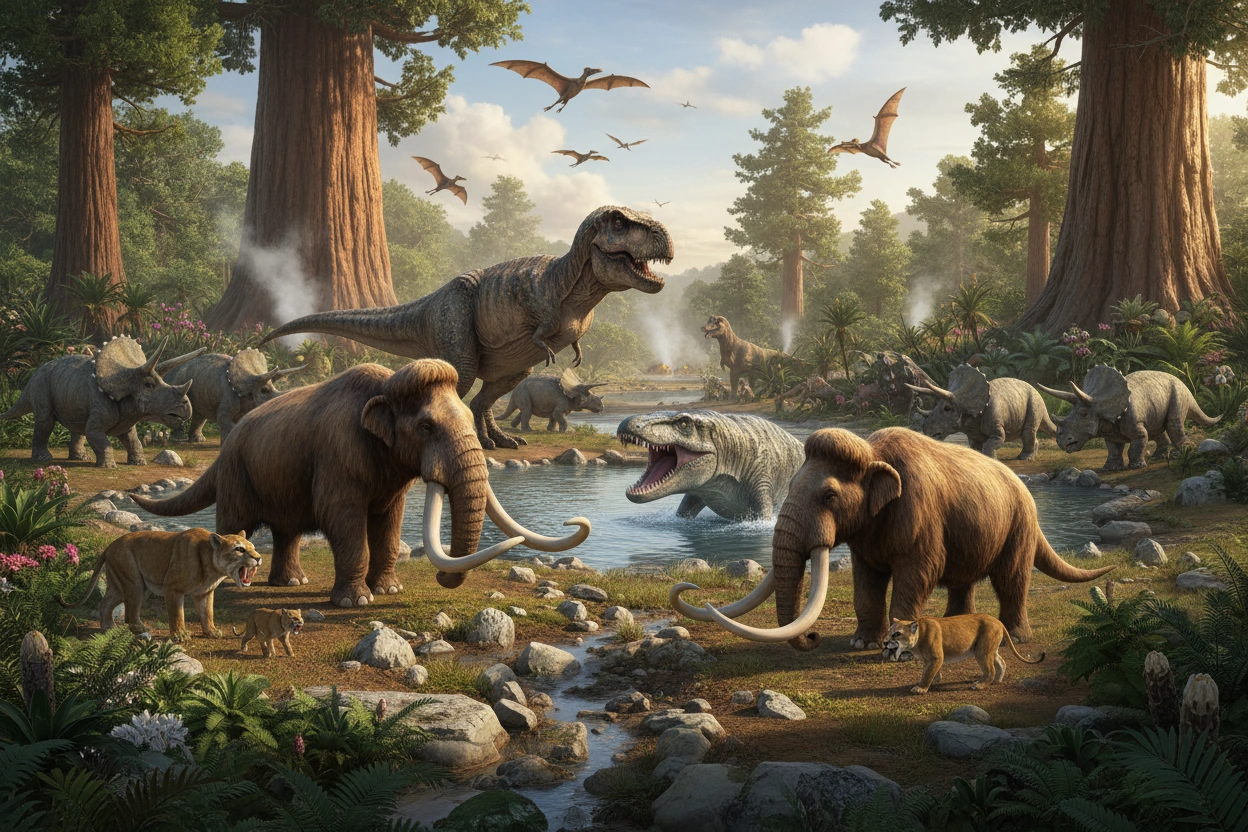
The prehistoric world is filled with extraordinary creatures that once roamed the Earth. Here are ten of the most fascinating extinct animals that exemplify the incredible adaptations that occurred over millions of years.
The Tyrannosaurus rex is perhaps the most iconic dinosaur, known for its massive size and powerful jaws. This apex predator adapted to its environment with keen senses and a robust skeletal structure, allowing it to dominate the food chain.
Woolly mammoths were well-adapted to cold climates, sporting long, shaggy fur and a layer of fat beneath their skin. Their curved tusks were utilized for foraging through snow and fighting.
The saber-toothed cat, or Smilodon, had elongated canines that could reach up to eight inches long. This adaptation allowed them to deliver fatal bites to large prey, showcasing specialized predatory behavior.
Also known as the giant ground sloth, Megatherium was a massive herbivore that adapted to a diet of tough vegetation. Its large size and powerful limbs enabled it to reach higher foliage that other herbivores could not access.
The dodo bird is a symbol of extinction, having adapted to a life on the ground in the absence of predators. Its flightless nature and unique feeding habits illustrate the impact of environmental changes on species survival.
This marine reptile adapted to life in the ocean with a streamlined body and long neck, allowing it to catch fish and other marine creatures effectively. Its adaptations highlight the diversity of life forms in prehistoric aquatic ecosystems.
Known for its three facial horns and large frill, Triceratops was well-adapted for defense against predators. Its beak and teeth were specialized for a herbivorous diet, showcasing the relationship between physical traits and ecological niches.
Often referred to as the first bird, Archaeopteryx exhibited feathers and wings, indicating an adaptation for flight. This species is crucial for understanding the evolutionary link between dinosaurs and modern birds.
This bear species was one of the largest ever to exist, with adaptations for both scavenging and predation. Its size and strength allowed it to compete with other large predators of its time.
A large marine herbivore, Steller's sea cow was adapted for life in cold waters, grazing on kelp and other underwater plants. Its extinction serves as a cautionary tale about human impacts on wildlife.

Examining the adaptations of prehistoric animals provides valuable lessons for today's conservation efforts. The changes these animals underwent can inform strategies for preserving current wildlife and their habitats.
Climate change is a pressing issue today, and studying how prehistoric animals adapted to past climate shifts can offer insights into potential future adaptations. For instance, the extinction of many large mammals at the end of the last Ice Age illustrates the vulnerability of species to rapid environmental changes.
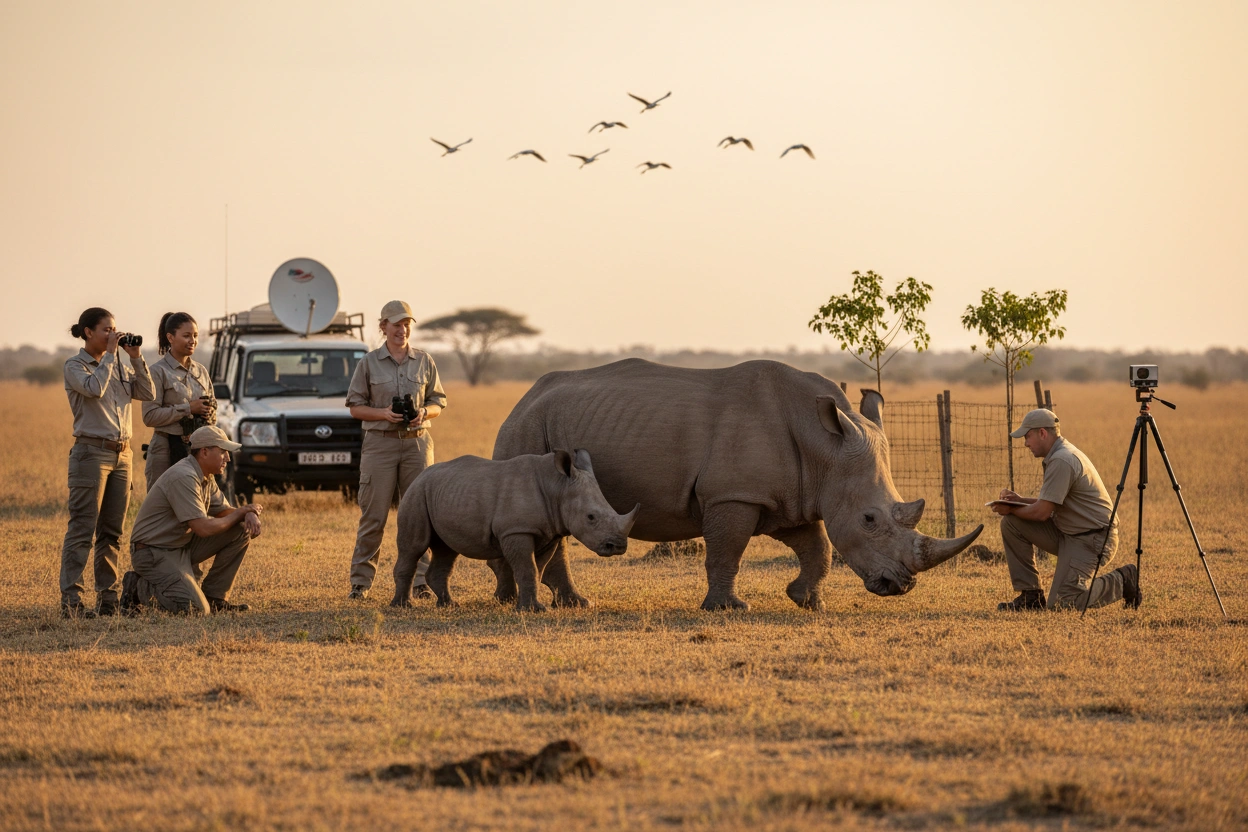
The diversity of prehistoric animals highlights the importance of biodiversity for ecosystem stability. Healthy ecosystems with a variety of species are more resilient to changes and disturbances, underscoring the need for modern conservation initiatives to protect endangered species and their habitats. Comparing prehistoric animals and modern wildlife can provide further insights into this relationship.
Human activities have significantly accelerated extinction rates in modern times. The story of the dodo bird and Steller's sea cow serves as a reminder of the consequences of habitat destruction and overexploitation. Conservation efforts must prioritize sustainable practices to prevent further losses.
Understanding prehistoric animals involves dispelling several misconceptions that persist in popular culture.
While dinosaurs are the most famous prehistoric animals, they were just one group among many. The prehistoric era also included mammals, reptiles, amphibians, and a diverse array of marine life. Each group exhibited unique adaptations suited to their environments.
Although many prehistoric animals were larger than their modern counterparts, size varied greatly across species. For example, many early mammals were small and adapted to nocturnal lifestyles, showcasing the diversity of adaptations beyond sheer size.
Exploring the world of prehistoric animals can be both fascinating and educational. Here are some actionable steps to deepen your understanding:
The study of prehistoric animals reveals crucial lessons about adaptation, resilience, and the interconnectedness of ecosystems. By understanding how ancient wildlife responded to environmental pressures, we can better inform our approaches to conservation today. This knowledge is especially relevant as we face unprecedented challenges from climate change and habitat destruction.
The Banana Slug Club is dedicated to promoting awareness of wildlife conservation and the importance of preserving biodiversity. By learning from the past, we can take meaningful steps to protect our planet's future. If you want to explore more about wildlife conservation and how to get involved, visit Banana Slug Club for resources, information, and community engagement opportunities. Embrace the lessons of the past to help safeguard the future of our precious ecosystems.
Get free resources, early access to new features and updates.
No spam. Just fun educational emails!


.svg)
.svg)