Choosing the Best Pet Reptiles: A Comparison for Beginners
Reptiles have gained popularity as pets due to their unique characteristics and relatively low maintenance compared to traditional pets like dogs and cats. As of 2026, many individuals, especially beginners, are exploring the world of reptiles. Understanding the different types of reptiles, their care requirements, and the potential challenges of ownership is crucial for making an informed decision. This article will delve into the best reptiles for beginners, common misconceptions, and even touch on endangered species and their conservation.
Understanding Reptiles: An Overview
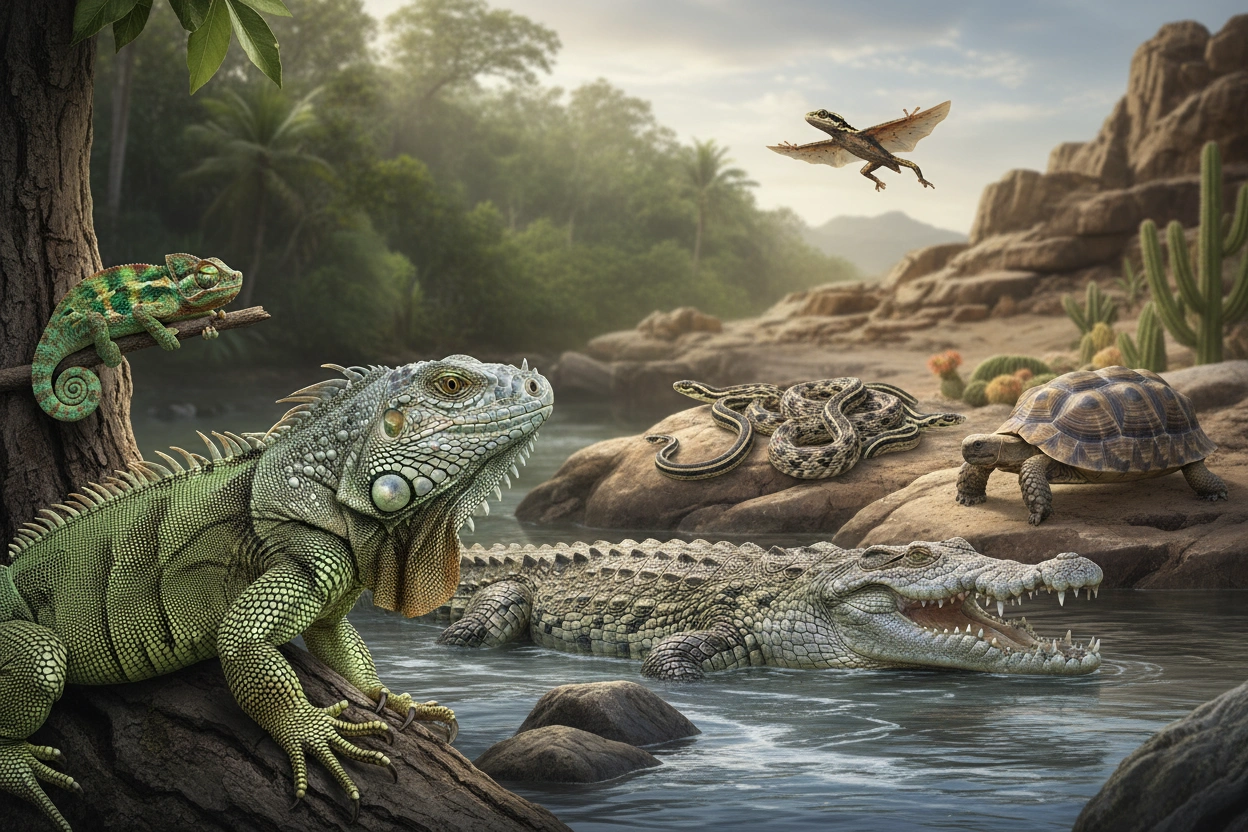
Reptiles are a diverse group of animals that include snakes, lizards, turtles, and crocodilians. They are characterized by their scaly skin, cold-blooded physiology, and unique reproductive methods. For many, reptiles present an intriguing alternative to traditional pets, as they can offer companionship without the need for daily walks or constant interaction.
The Appeal of Reptiles as Pets
The allure of reptiles lies in their exotic nature and the variety of species available. Many reptiles have fascinating behaviors and unique physical traits that can captivate owners. Some reasons why individuals choose reptiles include:
- Low Maintenance: Compared to furry pets, reptiles often require less daily attention.
- Space Efficiency: Many reptiles can thrive in smaller habitats, making them suitable for apartment living.
- Educational Opportunities: Keeping reptiles can provide insights into biology, ecology, and conservation.
Common Misconceptions about Reptiles
Despite their growing popularity, common misconceptions about reptiles persist. Addressing these misconceptions is essential for prospective owners:
Myth 1: Reptiles are not affectionate.
- While reptiles do not exhibit affection in the same way as dogs or cats, many can recognize their owners and enjoy handling.
Myth 2: Reptiles are easy to care for.
- Different species have varying care requirements, and some may require specialized diets or habitats.
Myth 3: All reptiles are dangerous.
- Most pet reptiles are non-aggressive and can be handled safely with proper education and care.
Top 10 Pet Reptiles for Beginners
When selecting a pet reptile, it's essential to consider factors such as habitat needs, dietary requirements, and temperament. Here are ten reptiles that are well-suited for beginner pet owners:
Leopard Gecko
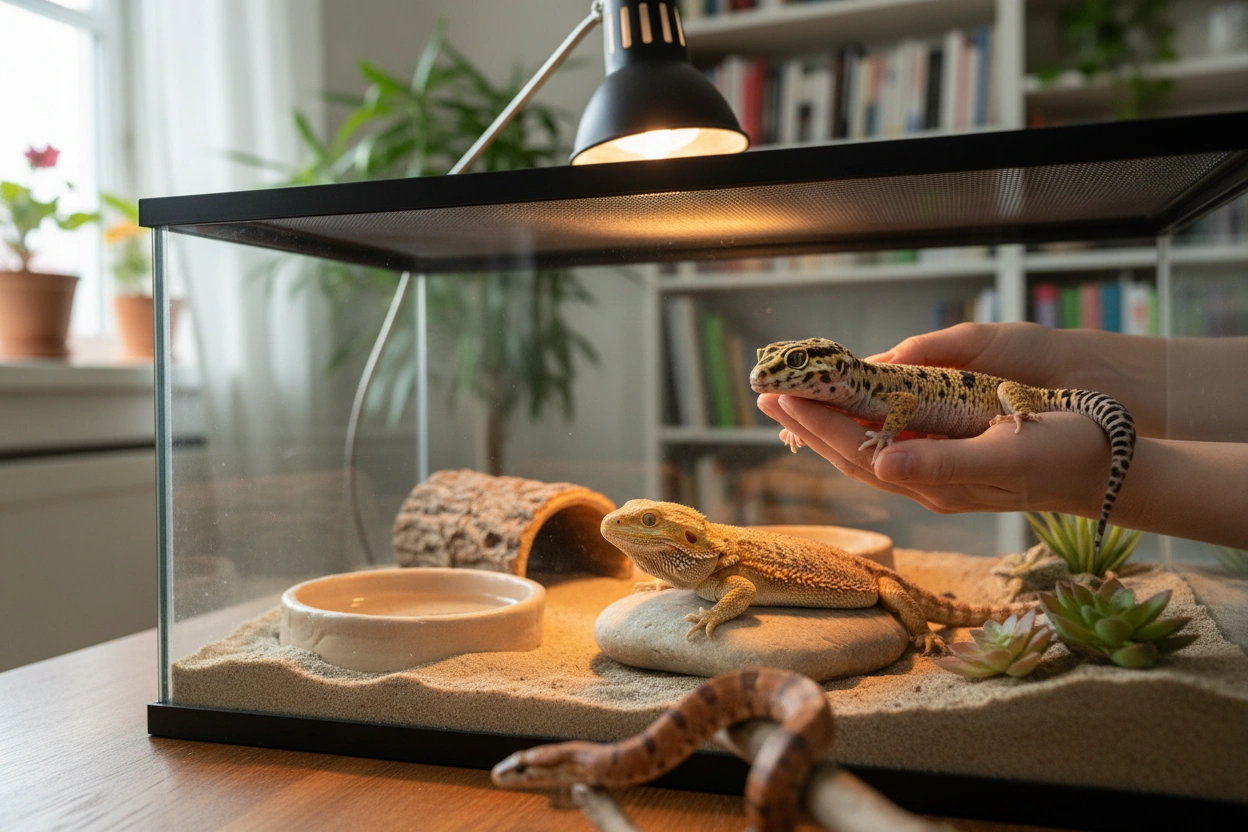
- These small lizards are known for their docile nature and are relatively easy to care for. They thrive in a simple terrarium setup.
Bearded Dragon
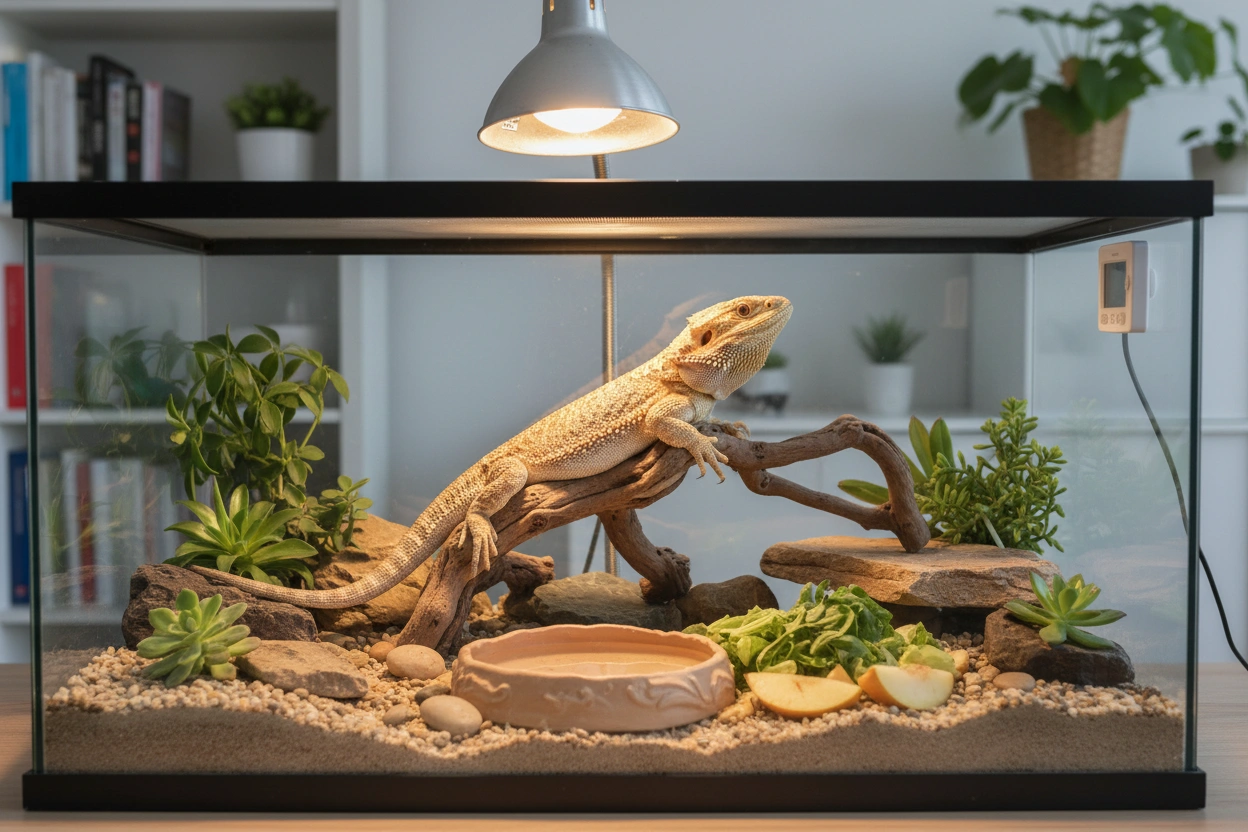
- Bearded dragons are friendly and social, making them great companions. They require a larger habitat with UV lighting but are generally low-maintenance.
Corn Snake
- Corn snakes are popular due to their gentle temperament and variety of colors. They need a secure enclosure and can be fed a diet of mice.
Ball Python
- Known for their calm demeanor, ball pythons are ideal for beginners. They require a well-maintained habitat and appropriate heating.
Blue-Tongued Skink
- These lizards are friendly and enjoy interaction. They have specific dietary needs but are generally easy to care for.
Red-Eared Slider
- A common turtle species, red-eared sliders require an aquatic environment but can be kept in a reasonably sized tank.
Leopard Tortoise
- Suitable for those with outdoor space, leopard tortoises are hardy and can live for decades if cared for properly.
African Fat-Tailed Gecko
- Similar to leopard geckos, they are nocturnal and require minimal care, making them perfect for beginners.
Russian Tortoise
- Known for their hardiness, Russian tortoises are small and require a diet of leafy greens and vegetables.
Green Anole
- These small lizards are colorful and fun to watch. They thrive in a well-planted terrarium but require humidity control.
Essential Care Tips for Reptiles
Caring for reptiles involves understanding their specific needs. Here are some essential care tips to keep in mind:
Habitat Requirements
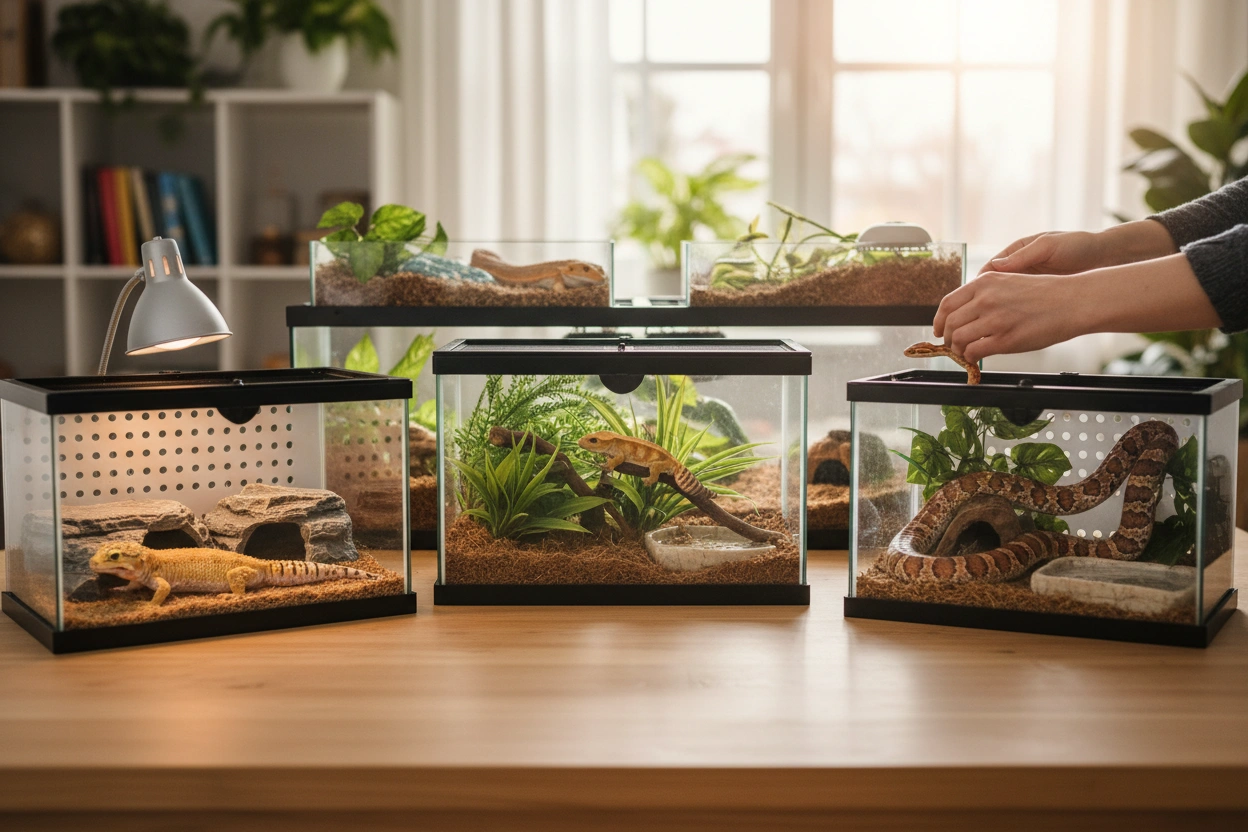
Creating the right habitat is crucial for the health of your reptile. Consider the following:
- Space: Ensure the enclosure is large enough for the species you choose. For example, bearded dragons require a larger space than leopard geckos.
- Temperature: Most reptiles need a temperature gradient in their enclosure, allowing them to regulate their body heat. Use heat lamps or under-tank heaters to maintain appropriate temperatures.
- Humidity: Different species require varying humidity levels. Use a hygrometer to monitor humidity and mist the enclosure if necessary.
Dietary Needs
Proper nutrition is vital for your reptile's health. Follow these guidelines:
- Species-Specific Diets: Research the dietary needs of your reptile. For instance, herbivorous species like tortoises require a diet rich in greens, while carnivorous species like snakes need a diet of rodents.
- Supplementation: Some reptiles may require vitamin and mineral supplements to ensure they receive adequate nutrition.
Handling and Socialization
While reptiles do not require the same level of social interaction as mammals, handling them correctly is important:
- Frequency: Handle your reptile regularly to help them become accustomed to human interaction.
- Gentle Handling: Always support their body and avoid sudden movements to prevent stress or injury.
Top 10 Endangered Reptile Species and Their Conservation
As we enjoy the beauty of reptiles, it is essential to recognize the threats many species face. Here are ten endangered reptile species and insights into their conservation:
Hawksbill Turtle (Eretmochelys imbricata)
- Threatened by habitat loss and illegal trade, conservation efforts include protecting nesting sites and reducing bycatch in fisheries.
Bornean Pygmy Elephant (Elephas maximus borneensis)
- Habitat loss due to deforestation poses a significant threat. Conservation programs focus on habitat protection and restoration.
Chinese Alligator (Alligator sinensis)
- With only a few hundred individuals remaining, conservation efforts involve habitat restoration and captive breeding programs.
Saint Lucia Racer (Erythrolamprus ornatus)
- Once thought extinct, this snake's population is being bolstered through habitat protection and invasive species control.
Iberian Emerald Lizard (Lacerta schreiberi)
- Habitat fragmentation threatens their survival. Conservation efforts aim to restore their habitats and ensure genetic diversity.
Psychedelic Rock Gecko (Cnemaspis psychedelica)
- Threatened by habitat destruction and the pet trade, efforts focus on habitat protection and monitoring populations.
Javan Gharial (Tomistoma schlegelii)
- Overfishing and habitat loss have led to their decline. Conservation strategies include habitat protection and community education.
Galápagos Tortoise (Chelonoidis nigra)
- Conservation efforts include breeding programs and controlling introduced species that threaten their survival.
Leatherback Turtle (Dermochelys coriacea)
- Threatened by climate change and plastic pollution, conservation focuses on beach protection and reducing plastic waste.
Florida Pine Snake (Pituophis melanoleucus mugitus)
- Habitat loss and road mortality are significant threats. Conservation efforts aim to protect their habitats and educate the public.
The Importance of Education and Awareness
Awareness and education are vital in reptile conservation. Understanding the challenges these species face can motivate individuals to contribute to their preservation. Here are some actionable steps:
- Support Conservation Organizations: Donate to or volunteer with organizations that focus on reptile conservation.
- Educate Others: Share knowledge about endangered reptiles and the importance of biodiversity with your community.
- Responsible Pet Ownership: Choose to adopt reptiles from reputable breeders or rescue organizations rather than purchasing from the wild.
Nurturing a Passion for Reptiles
As you embark on your journey into the world of reptiles, remember that every species has unique needs and characteristics. By choosing the right pet reptile and committing to responsible care, you can foster a rewarding relationship with your new companion.
Join the Banana Slug Club Community
Engaging with a community can enhance your experience as a reptile owner. The Banana Slug Club offers resources, support, and a platform to share your journey with fellow reptile enthusiasts. Through educational materials and community events, you can deepen your understanding of reptiles while connecting with like-minded individuals.
In conclusion, choosing the best pet reptiles involves careful consideration of species, care requirements, and the responsibilities of ownership. As you explore the fascinating world of reptiles, remember that the Banana Slug Club is here to support your journey. For more information or to connect with fellow reptile lovers, visit Banana Slug Club today.


.svg)
.svg)