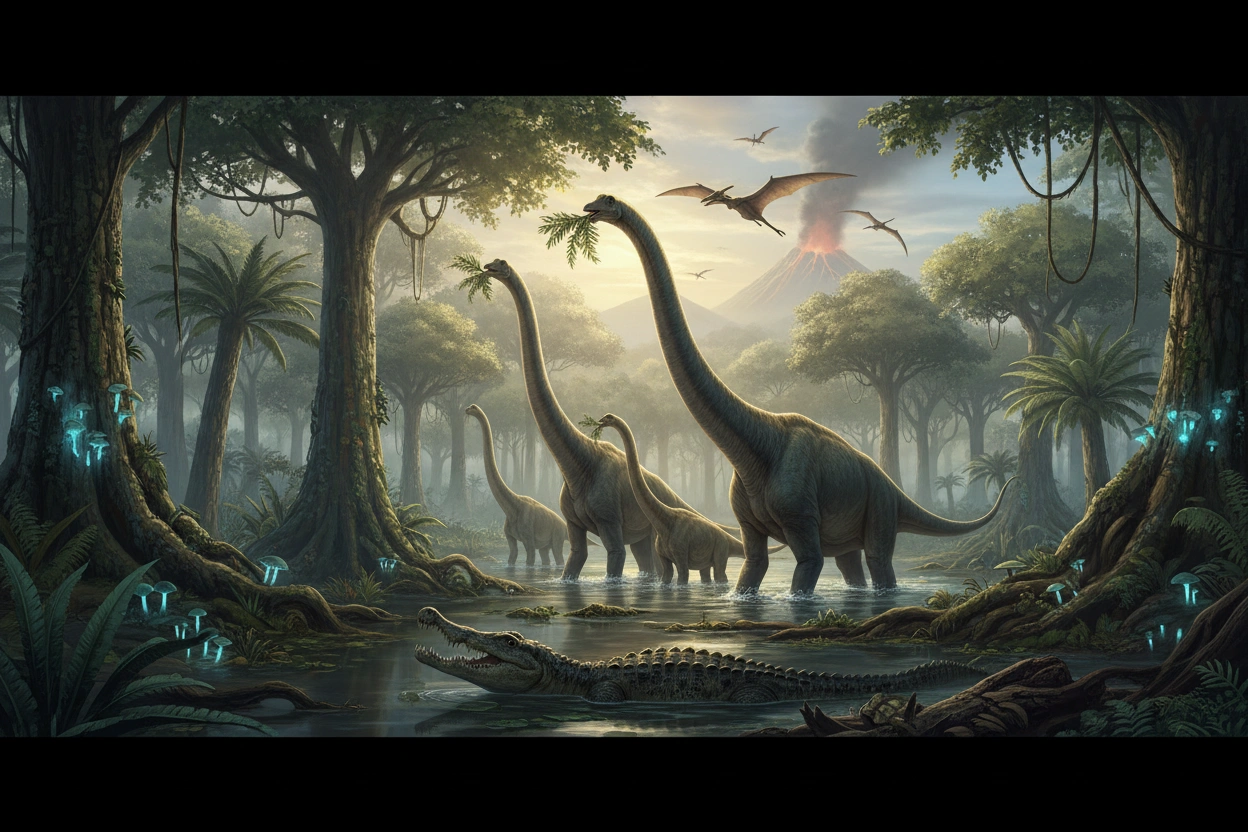
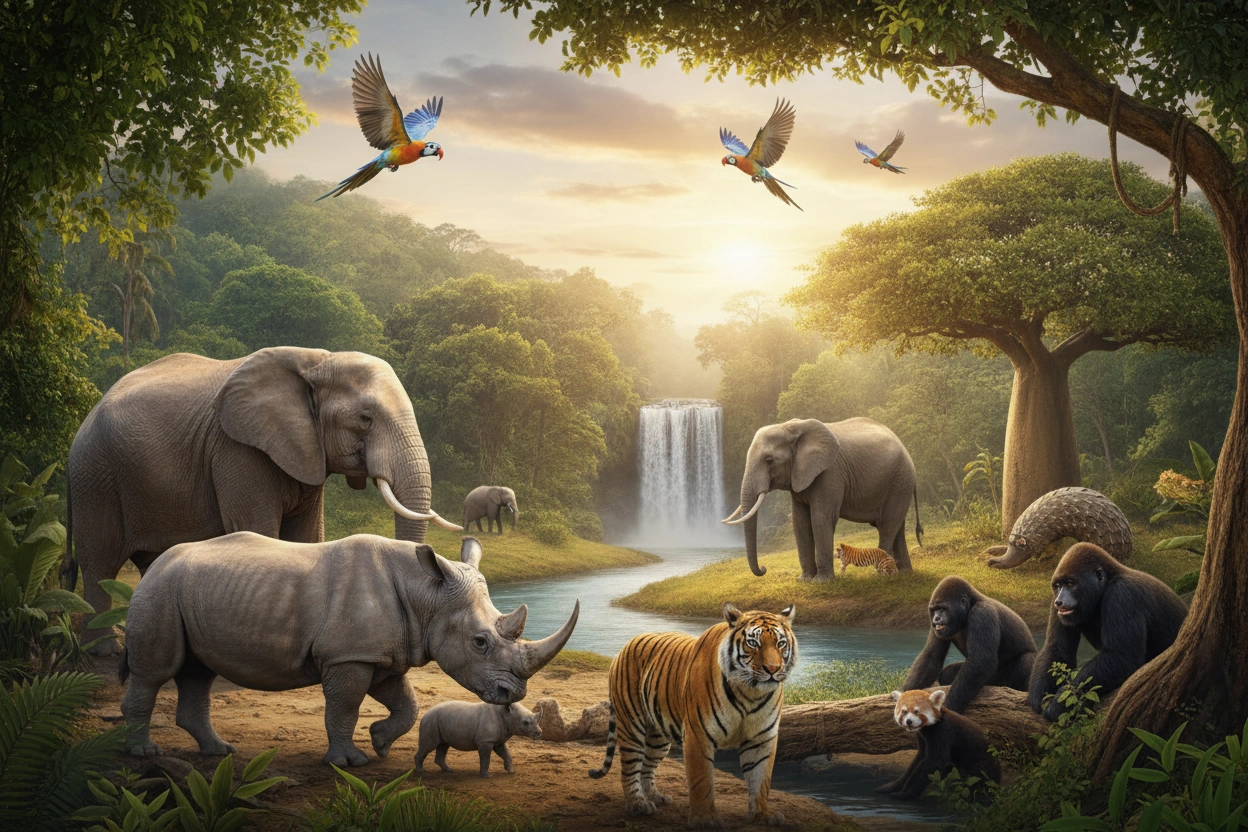
The Earth has witnessed an astonishing array of life forms throughout its history, many of which are now extinct. Prehistoric animals, ranging from enormous dinosaurs to peculiar marine creatures, offer a glimpse into the distant past and highlight the diversity of ancient wildlife. Understanding these fascinating creatures not only feeds our curiosity about evolution and biodiversity but also helps us appreciate the complexity of life on Earth.
This article explores the top 10 prehistoric animals that once roamed our planet, delving into their unique characteristics, habitats, and the reasons behind their extinction. Each entry in this list aims to provide insight into the extraordinary lives of these ancient beings, making it a must-read for enthusiasts of paleontology and natural history alike.

The Tyrannosaurus Rex, often referred to as T. rex, stands as one of the most iconic prehistoric animals. This massive carnivore roamed the Earth during the Late Cretaceous period, approximately 68 to 66 million years ago. With its powerful jaws, sharp teeth, and formidable size, T. rex was at the top of the food chain, preying on other dinosaurs.
What makes T. rex particularly fascinating is its combination of strength and speed. Recent studies suggest that despite its bulk, T. rex could run at speeds of up to 20 miles per hour. Its keen sense of smell and excellent vision made it a formidable predator. However, the exact reasons for its extinction remain a topic of research, with theories ranging from asteroid impact to volcanic activity disrupting ecosystems.

The woolly mammoth is another prehistoric giant that captured the imagination of many. These massive herbivores roamed the tundras of North America, Europe, and Asia during the last Ice Age, around 300,000 years ago. adapted to cold environments, woolly mammoths had long, shaggy fur, a hump of fat on their backs, and long curved tusks that they used to dig through snow to find vegetation.
Despite their size and adaptability, woolly mammoths went extinct about 4,000 years ago, likely due to a combination of climate change and hunting by early humans. Their remains have been found preserved in ice, providing invaluable insights into their biology and behavior. The fascination with woolly mammoths continues today, with advances in genetics sparking discussions about the potential for de-extinction.

The saber-toothed cat, often mistaken for a tiger, belonged to the genus Smilodon and lived during the Pleistocene epoch. These large felines are characterized by their elongated canine teeth, which could grow up to 8 inches long. Their robust build and strong forelimbs indicate that they were powerful hunters, likely preying on large herbivores such as bison and mammoths.
Fossil evidence suggests that saber-toothed cats may have used a unique hunting strategy, relying on ambush tactics rather than endurance. Their extinction around 10,000 years ago is attributed to a combination of climate change and the decline of their prey species, highlighting the interconnectedness of ecosystems.
The Megatherium, commonly known as the giant ground sloth, was a colossal herbivore that lived in South America during the Pleistocene epoch. Weighing up to 4 tons and standing over 10 feet tall when on its hind legs, this massive creature was significantly larger than modern sloths. Its long claws were used for digging and foraging, allowing it to reach high vegetation.
The extinction of Megatherium around 10,000 years ago is believed to be linked to human hunting and habitat changes. Fossil evidence suggests that these creatures may have coexisted with early humans, leading to intriguing questions about their interactions. The Megatherium serves as a reminder of the profound impact humans can have on wildlife.
Pteranodon was a large pterosaur that soared through the skies during the Late Cretaceous period. With a wingspan that could exceed 30 feet, it is one of the largest flying reptiles known. Pteranodon is characterized by its distinctive crest on its head, which may have played a role in mating displays or species recognition.
Unlike dinosaurs, pterosaurs like Pteranodon were not technically classified as dinosaurs but shared the same era. Their diet primarily consisted of fish, which they caught while flying above the water. The extinction of Pteranodon, like many other prehistoric animals, is thought to be associated with the mass extinction event that wiped out the dinosaurs approximately 66 million years ago.
Ankylosaurus was a heavily armored dinosaur that lived during the Late Cretaceous period. Its distinctive appearance, characterized by a low-slung body covered in bony plates and a club-like tail, made it a unique member of the dinosaur family. Ankylosaurus was primarily a herbivore, feeding on low-lying plants.
The formidable armor of Ankylosaurus served as an effective defense against predators, including the infamous Tyrannosaurus Rex. The extinction of this armored giant is believed to be linked to the same catastrophic events that affected many other dinosaur species. Its fossils have provided valuable insights into the diversity of herbivorous dinosaurs and their adaptations.
The dodo, a flightless bird native to Mauritius, is often cited as a classic example of extinction caused by human activity. This peculiar bird stood about 3 feet tall and weighed around 23-39 pounds. Its inability to fly and limited natural predators made it vulnerable when humans arrived on the island in the 17th century.
The dodo's extinction in the late 1600s was a result of overhunting and the introduction of non-native species that preyed on its eggs. The dodo serves as a poignant reminder of the fragility of ecosystems and the impact of human actions on wildlife. Today, the dodo is a symbol of conservation efforts aimed at protecting endangered species.
Trilobites were marine arthropods that thrived in the oceans for nearly 300 million years, making them one of the most successful prehistoric animals. These creatures are known for their distinctive three-lobed body structure and diverse range of sizes and shapes. Trilobites inhabited various marine environments, from shallow seas to deep ocean floors.
Their fossils are abundant and have provided crucial insights into early life on Earth, including evolutionary processes and ancient ecosystems. Trilobites went extinct during the Permian-Triassic extinction event, which is considered the most significant extinction event in Earth's history, wiping out approximately 90% of marine species.
Ichthyosaurus was a marine reptile that resembled modern-day dolphins and lived during the Mesozoic era. With streamlined bodies and large eyes, these creatures were well adapted for life in the ocean. Ichthyosaurs were formidable predators, feeding on fish and squid, and they are known for their impressive swimming abilities.
Fossil evidence indicates that Ichthyosaurus gave birth to live young, a significant adaptation for a fully aquatic lifestyle. Their extinction occurred during the Late Cretaceous period, likely due to ecological changes and competition with other marine reptiles. Ichthyosaurus remains a fascinating subject of study in the evolution of marine life.
Paraceratherium, also known as Indricotherium, was one of the largest land mammals to ever exist. This colossal herbivore roamed the Earth during the Oligocene epoch and could reach heights of over 16 feet and lengths of up to 26 feet. Paraceratherium was related to modern rhinoceroses but lacked horns, featuring a long neck that allowed it to reach high vegetation.
The extinction of Paraceratherium is still under investigation, but it is believed to have been influenced by climatic changes and the shifting availability of food sources. The sheer size and unique adaptations of Paraceratherium make it a remarkable example of prehistoric wildlife.
The exploration of prehistoric animals reveals not only the diversity of life that once existed on our planet but also the fragility of ecosystems. The extinction of these fascinating creatures often resulted from natural events, but human activity has accelerated the loss of species in more recent times.
As we reflect on the top 10 fascinating prehistoric animals that once roamed Earth, it is essential to consider how their stories inform our understanding of biodiversity and conservation today. Organizations like Banana Slug Club are dedicated to promoting awareness and education about wildlife conservation, encouraging individuals to appreciate and protect the living species we still have.
By learning about these remarkable prehistoric animals, we can foster a deeper connection to the natural world and inspire future generations to cherish and safeguard our planet's biodiversity. For more information on how you can contribute to conservation efforts, visit Banana Slug Club.
Get free resources, early access to new features and updates.
No spam. Just fun educational emails!


.svg)
.svg)