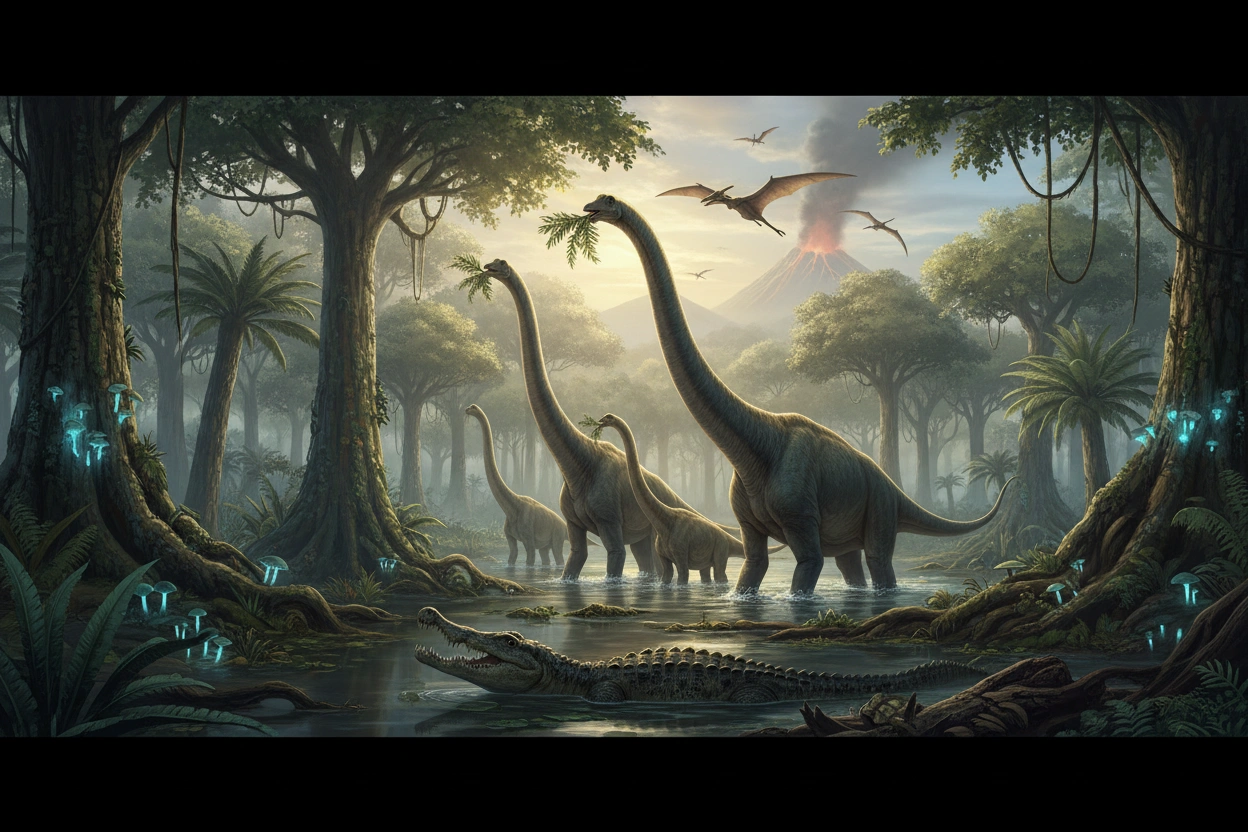
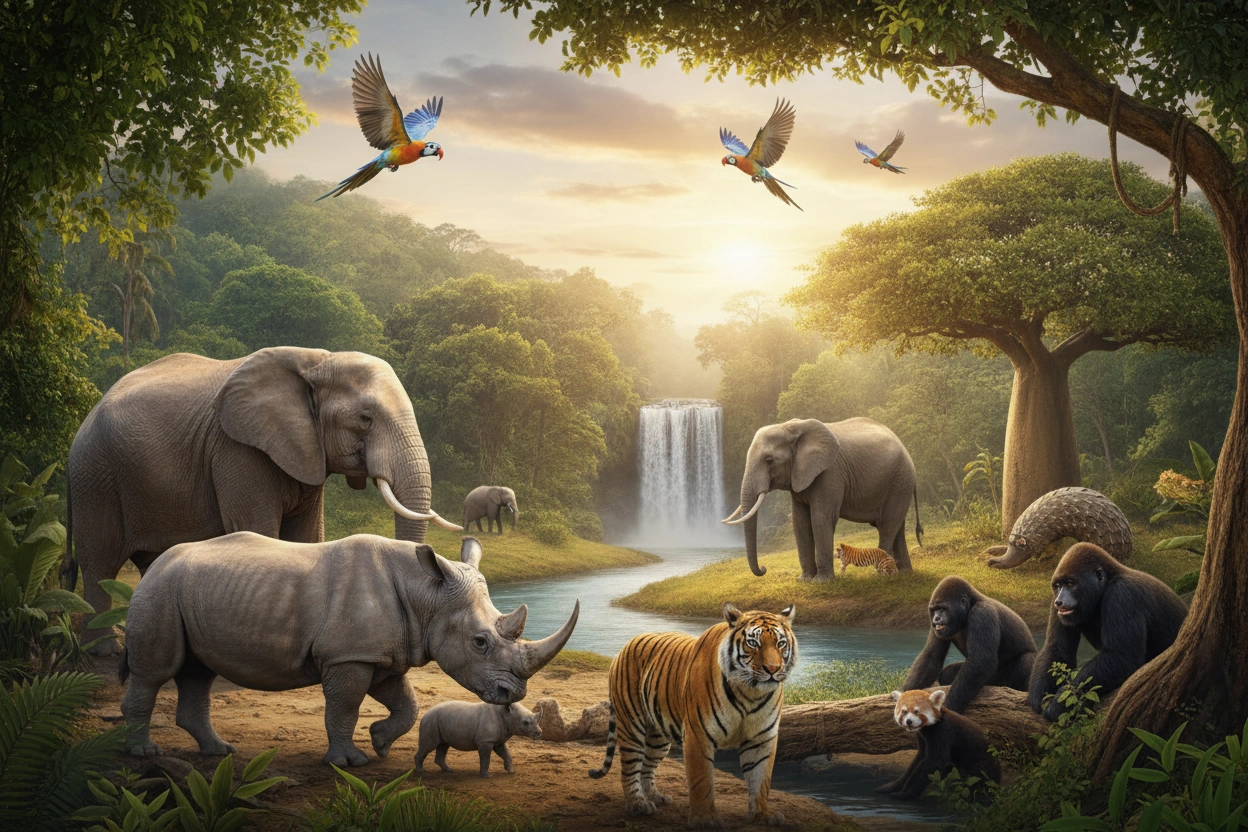
The Ice Age was a time of dramatic climatic changes and extreme environmental conditions, which shaped the evolution of prehistoric animals. These ancient wildlife species adapted in remarkable ways to survive in harsh climates, ranging from freezing temperatures to food scarcity. Understanding how these prehistoric animals thrived offers insights into the resilience of life, even under the most challenging circumstances. This article explores the adaptations and survival strategies of these fascinating creatures, alongside a look at the top ten most remarkable extinct animals that captured the world's imagination.

The Ice Age presented numerous challenges for prehistoric animals. The ability to adapt to extreme cold, fluctuating food sources, and changing habitats was crucial for survival. Here, we delve into some of the key adaptations that enabled these creatures to thrive.
Physiological adaptations are internal changes that allow animals to survive in harsh environments. During the Ice Age, many prehistoric animals developed unique physical traits that helped them endure extreme cold.
Thick Fur and Blubber: Many Ice Age mammals, such as the woolly mammoth and the saber-toothed cat, evolved thick fur coats to insulate against the cold. Additionally, some species, like the woolly rhinoceros, developed layers of fat, or blubber, that provided extra warmth and energy reserves.
Body Size and Shape: Bergmann's Rule states that larger animals tend to be found in colder climates because they have a smaller surface area relative to their volume, which reduces heat loss. Prehistoric animals like the giant ground sloth exemplified this rule, as their larger bodies helped them retain warmth in frigid temperatures.
Behavioral adaptations involve changes in how animals behave to enhance their chances of survival. During the Ice Age, prehistoric animals exhibited remarkable behaviors to cope with extreme climates.
Migration: Many species migrated to warmer areas during the harshest winter months. For instance, prehistoric caribou and other herd animals traveled vast distances in search of food and milder climates, which allowed them to escape the worst of the cold.
Hibernation: Some prehistoric animals, like certain bear species, entered hibernation during the coldest months. This behavior allowed them to conserve energy when food was scarce, waking only when conditions improved.

The Ice Age was home to an array of unique prehistoric animals, many of which are now extinct. Understanding these creatures not only enriches our knowledge of ancient wildlife but also highlights the diverse adaptations that enabled them to survive. Here are ten of the most fascinating extinct animals from the Ice Age.
The woolly mammoth is perhaps the most iconic of Ice Age animals. Standing up to 13 feet tall and covered in thick fur, these massive creatures roamed the tundras of North America and Eurasia. They adapted to their cold environment with a hump of fat for insulation and long tusks for digging through snow to find vegetation.
Known for their elongated canines, saber-toothed cats were formidable predators. Their robust build and strong forelimbs allowed them to take down large prey, such as bison and mammoths. These cats likely used ambush tactics to hunt, relying on their powerful bite to deliver a fatal strike.
The woolly rhinoceros was well-adapted to cold climates, with thick fur and a stout body. They grazed on tough vegetation and were known for their large horns, which they likely used for defense against predators and in combat with other males.
The Megatherium was one of the largest ground sloths, reaching up to 20 feet in length. Unlike modern sloths, these prehistoric giants were terrestrial and herbivorous, using their large claws to dig up roots and strip leaves from trees.
Mastodons were similar to mammoths but had different teeth adapted for browsing on trees and shrubs. They lived in forests and were primarily herbivorous, feeding on a variety of vegetation. Their robust bodies and tusks were essential for survival in their environments.
The Irish elk is notable for its enormous antlers, which could span up to 12 feet. These large herbivores roamed across Europe and Asia, grazing on grasses and shrubs. Their impressive antlers may have played a role in mating displays and territorial battles.
The short-faced bear was one of the largest bear species to ever exist. It had long legs and a slender build, allowing it to run swiftly. This adaptability likely helped it to hunt large prey and escape from predators.
Glyptodon resembled a giant armadillo and was covered in a protective shell. These armored herbivores were well-suited for defense against predators. They grazed on low-lying vegetation and had a unique body structure that allowed them to thrive in various environments.
The dire wolf was a larger and more robust relative of modern wolves. These pack hunters were well adapted for hunting large prey, including mammoths and bison. Their strong jaws and social behavior contributed to their success as apex predators during the Ice Age.
Though not exclusively an Ice Age animal, the thylacine is a fascinating example of prehistoric wildlife. This carnivorous marsupial had a unique striped back and was known for its elusive nature. Its extinction in the 20th century highlights the fragility of ecosystems and the impact of human activity on ancient wildlife.
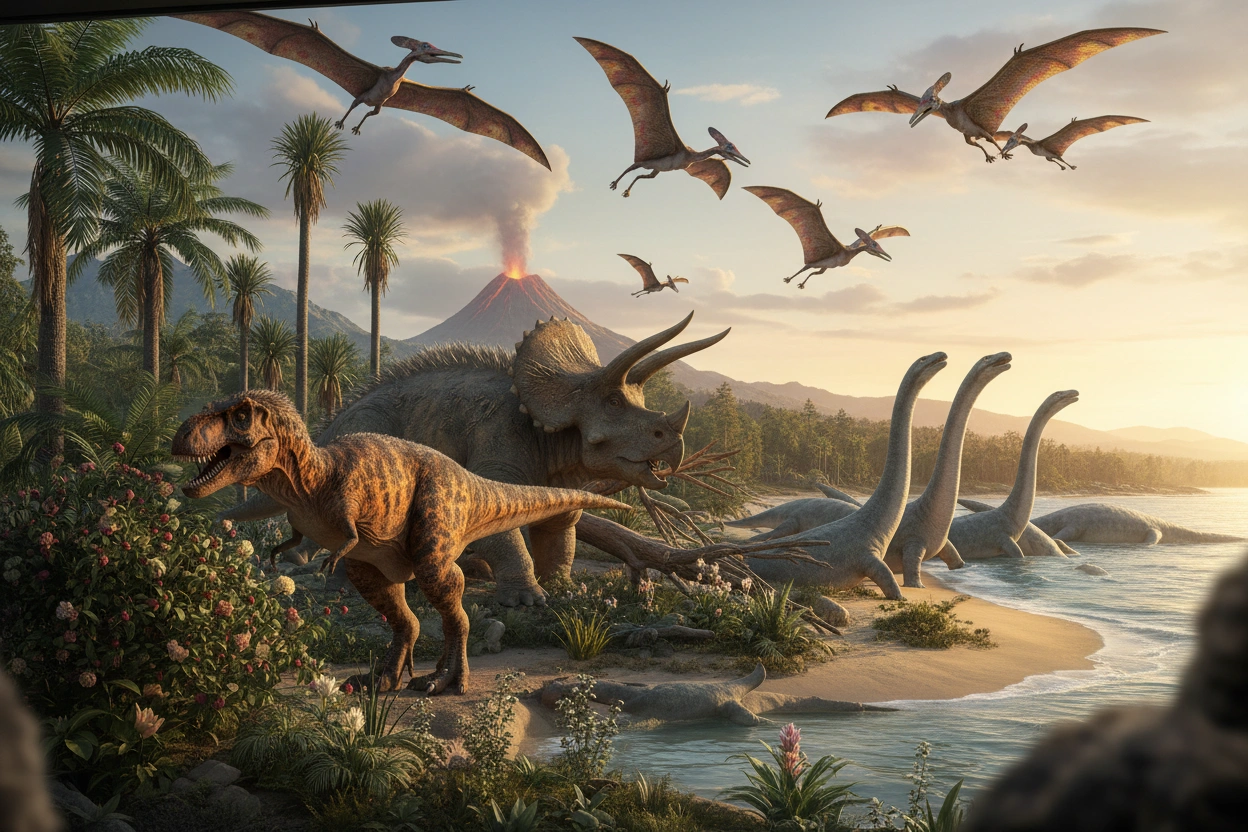
Despite the wealth of information available about prehistoric animals, several misconceptions persist. Addressing these misconceptions is crucial for understanding the realities of these fascinating creatures.
Many assume that all prehistoric reptiles, including dinosaurs, were cold-blooded. However, evidence suggests that some dinosaurs may have been warm-blooded, allowing them to thrive in various climates and maintain active lifestyles. This adaptability could explain the diverse range of habitats they occupied.
While many prehistoric animals were indeed large, not all were giants. Some species, such as small mammals and birds, were quite similar in size to their modern relatives. The diversity of prehistoric life included a range of body sizes, adapted to different ecological niches.
The Ice Age encompassed a variety of species beyond the well-known mammoths and saber-toothed cats. Many lesser-known animals, like the Irish elk and short-faced bear, played significant roles in their ecosystems. A more comprehensive understanding of Ice Age fauna reveals a rich tapestry of ancient wildlife.
The survival strategies of prehistoric animals can offer valuable lessons for modern wildlife and even human societies facing environmental challenges. Here are some key takeaways:
Prehistoric animals that survived the Ice Age demonstrated remarkable adaptability to changing environments. In today's context, this highlights the importance of flexibility and resilience in responding to climate change and habitat destruction. Species that can adapt quickly to new conditions are more likely to survive.
The variety of prehistoric species illustrates the significance of biodiversity in maintaining ecological balance. As modern ecosystems face threats from human activity, preserving diverse species is essential for ecosystem health and resilience. Conservation efforts should prioritize protecting habitats and promoting biodiversity.
The extinction of many prehistoric animals serves as a cautionary tale about the fragility of ecosystems. By studying past extinctions, we can better understand the factors that lead to species decline and implement strategies to mitigate these risks in contemporary wildlife.
As we learn about how Ice Age prehistoric animals survived extreme climates, we can apply these lessons to current conservation efforts. Organizations dedicated to preserving biodiversity and protecting endangered species can benefit from understanding these creatures adaptive strategies of ancient wildlife. The work of conservationists parallels the resilience of prehistoric animals, emphasizing the need to create sustainable environments for future generations.
Banana Slug Club is committed to promoting awareness about the importance of biodiversity and the lessons learned from prehistoric animals. By supporting conservation initiatives, we can help safeguard the future of our planet's wildlife and ensure that the legacy of these remarkable creatures endures.
The study of prehistoric animals and their survival strategies is not merely an academic pursuit; it is a vital endeavor that informs our understanding of life on Earth. As we reflect on how these ancient creatures adapted to extreme climates, we recognize the ongoing challenges faced by modern wildlife. The resilience demonstrated by prehistoric animals inspires us to advocate for conservation and sustainability in our own time.
For those interested in learning more about prehistoric animals and how we can apply their lessons to contemporary challenges, visit Banana Slug Club. Together, we can foster a deeper appreciation for the natural world and work towards a future where all species can thrive.
Take a step towards making a difference—contact Banana Slug Club today to learn how you can get involved in conservation efforts and support the preservation of our planet's rich biodiversity.
Get free resources, early access to new features and updates.
No spam. Just fun educational emails!


.svg)
.svg)