The plight of endangered animals is one of the most pressing environmental challenges of our time. As biodiversity continues to dwindle, the conservation efforts aimed at protecting these vulnerable species are more critical than ever. In 2026, it is essential to understand not only the factors leading to the endangerment of various species but also the effective strategies being implemented to save them. This article delves into the key conservation efforts and highlights the top ten endangered animals you need to know about.

Endangered animals are species that are at risk of extinction due to various factors, including habitat loss, poaching, pollution, and climate change. The International Union for Conservation of Nature (IUCN) classifies species based on their risk levels, categorizing them as vulnerable, endangered, or critically endangered. Understanding these classifications is vital for effective conservation efforts.
Several interconnected factors contribute to the endangerment of species:
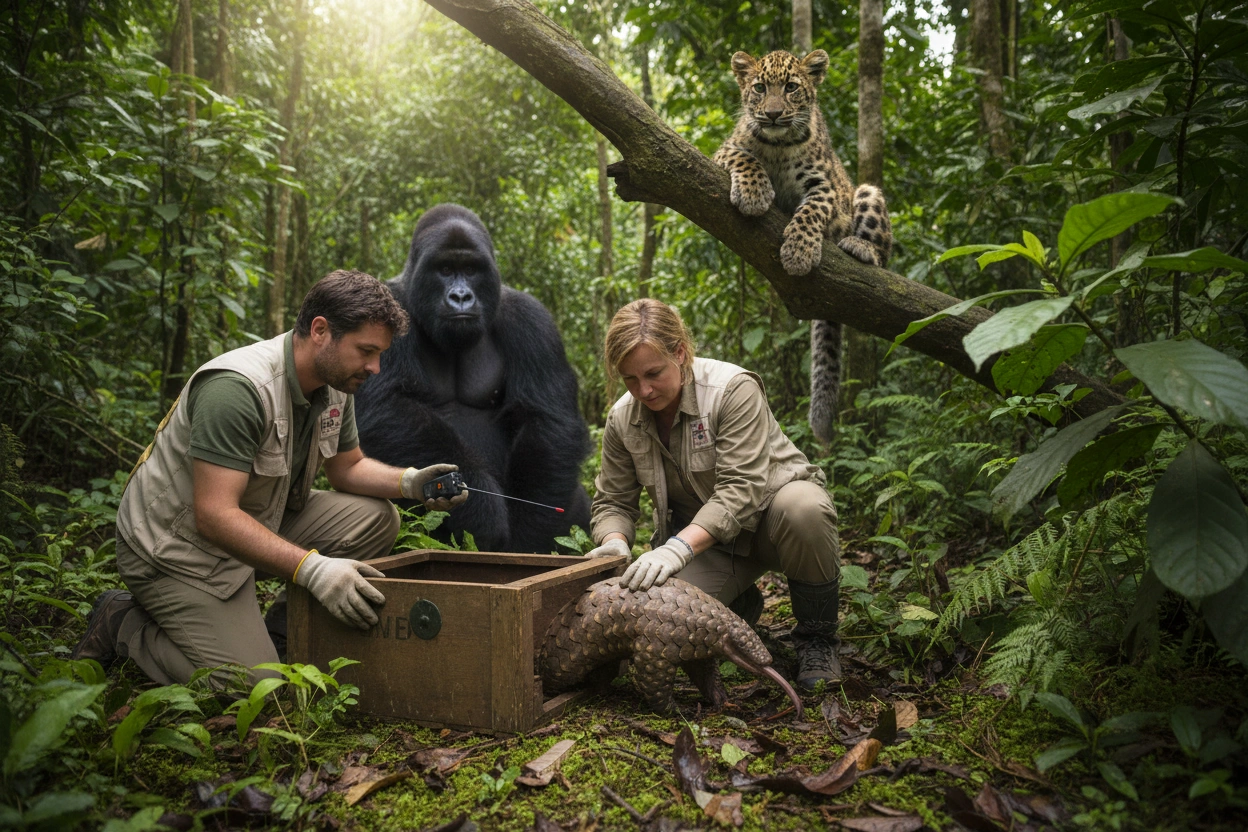
Conservation efforts are diverse and multifaceted, aimed at protecting endangered animals through various strategies. Here are some key initiatives that are making a significant impact:
Restoring natural habitats is crucial for the survival of endangered animals. This involves reforestation, wetland restoration, and the rehabilitation of degraded ecosystems. Effective habitat restoration can help reestablish food sources and breeding grounds for wildlife.
Implementing and enforcing laws that protect endangered species is fundamental. National and international legislation, such as the Endangered Species Act in the United States and the Convention on International Trade in Endangered Species of Wild Fauna and Flora (CITES), help regulate the trade and ensure the protection of threatened species.
Involving local communities in conservation efforts is vital. Educating communities about the importance of biodiversity can foster stewardship and encourage sustainable practices that benefit both wildlife and local livelihoods.
Captive breeding programs aim to increase the population of endangered species by breeding them in controlled environments. These programs can help reintroduce species into their natural habitats, as seen with the California condor and the Arabian oryx.
Strengthening anti-poaching efforts through increased patrolling and surveillance in wildlife reserves is essential. Organizations often employ rangers and utilize technology, such as drones and camera traps, to monitor and protect vulnerable species.
Research plays a critical role in understanding the needs of endangered animals. Conservation scientists study species behavior, genetics, and ecology to develop informed strategies for their protection.
Promoting ecotourism can generate funds for conservation while raising awareness about endangered species. Responsible tourism allows visitors to experience wildlife in their natural habitats, fostering appreciation and financial support for conservation initiatives.
Addressing climate change through global initiatives and local actions can help protect endangered species. This includes reducing greenhouse gas emissions, promoting renewable energy sources, and protecting carbon sinks such as forests and wetlands. Climate change is a significant factor affecting many species.
Adopting sustainable agricultural practices can reduce habitat destruction and pollution, benefiting both wildlife and human communities. Techniques such as agroforestry and organic farming can enhance biodiversity while ensuring food security.
Conservation efforts often require international cooperation. Global partnerships and treaties facilitate the sharing of resources, knowledge, and best practices to combat the threats facing endangered species.
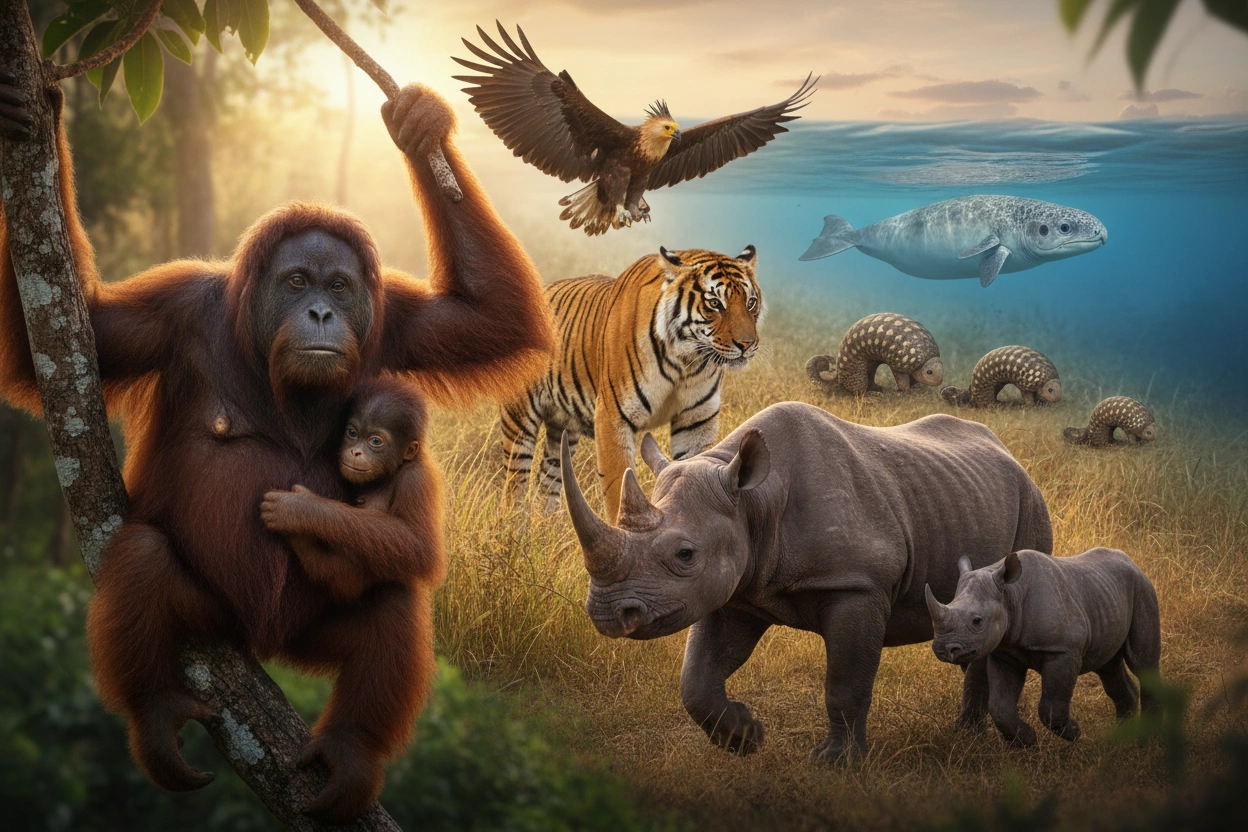
Awareness of specific endangered animals is essential for fostering empathy and support for conservation efforts. Here are ten endangered animals that exemplify the urgent need for action:
The Amur leopard is one of the rarest big cats in the world, with a population of around 100 individuals remaining in the wild. Habitat loss and poaching threaten its survival.
The vaquita is a critically endangered porpoise, with an estimated population of fewer than 30 individuals. Its decline is primarily due to illegal fishing practices in the Gulf of California.
The Javan rhino is the most threatened of the five rhino species, with only about 75 individuals surviving in Ujung Kulon National Park, Indonesia. Habitat loss and poaching pose significant threats.
With fewer than 14,000 individuals left, the Sumatran orangutan faces extinction due to deforestation and illegal pet trade. Conservation efforts focus on habitat protection and rehabilitation.
The northern white rhino is functionally extinct, with only two females remaining. Conservationists are working on advanced reproductive technologies to save the species.
The Sumatran tiger is the smallest and critically endangered subspecies of tiger, with fewer than 400 individuals left in the wild. Habitat destruction and poaching are the primary threats.
The kakapo, a flightless parrot from New Zealand, has a population of around 200 individuals. Intensive conservation efforts, including predator control and breeding programs, are in place to save this unique species.
Once on the brink of extinction, the California condor has made a remarkable recovery due to captive breeding and reintroduction programs, although it still remains critically endangered.
Asian elephants face threats from habitat loss, human-elephant conflict, and poaching. Conservation strategies focus on habitat protection and community engagement.
The blue whale, the largest animal on Earth, is endangered due to past whaling and current threats from ship strikes and entanglement in fishing gear. Conservation efforts focus on protecting their migratory routes.
Individuals can contribute to the conservation of endangered animals through various actions:
Educate Yourself and Others: Understanding the issues facing endangered species and sharing that knowledge can raise awareness and inspire action.
Support Conservation Organizations: Donating to or volunteering with organizations dedicated to wildlife conservation can amplify efforts to protect endangered animals.
Adopt Sustainable Practices: Making environmentally conscious choices, such as reducing plastic use and supporting sustainable products, can help protect habitats.
Advocate for Policy Changes: Engaging with policymakers to support legislation that protects endangered species is crucial for creating systemic change.
Participate in Citizen Science: Contributing to citizen science projects can help researchers gather valuable data on wildlife populations and habitats.
The intersection of conservation efforts and the protection of endangered animals is vital for maintaining biodiversity and ecological balance. Organizations like the Banana Slug Club play a crucial role in educating the public about endangered species and supporting conservation initiatives. By fostering awareness and encouraging community involvement, the Banana Slug Club helps to create a collective effort towards saving these vulnerable animals from extinction.
As you learn about the various endangered animals and the conservation efforts in place to protect them, consider how you can contribute. Whether through education, advocacy, or direct involvement with organizations like the Banana Slug Club, every action counts.
For more information about how you can help make a difference in the lives of endangered animals, visit Banana Slug Club. Together, we can work towards a future where these magnificent species continue to thrive.
Get free resources, early access to new features and updates.
No spam. Just fun educational emails!


.svg)
.svg)