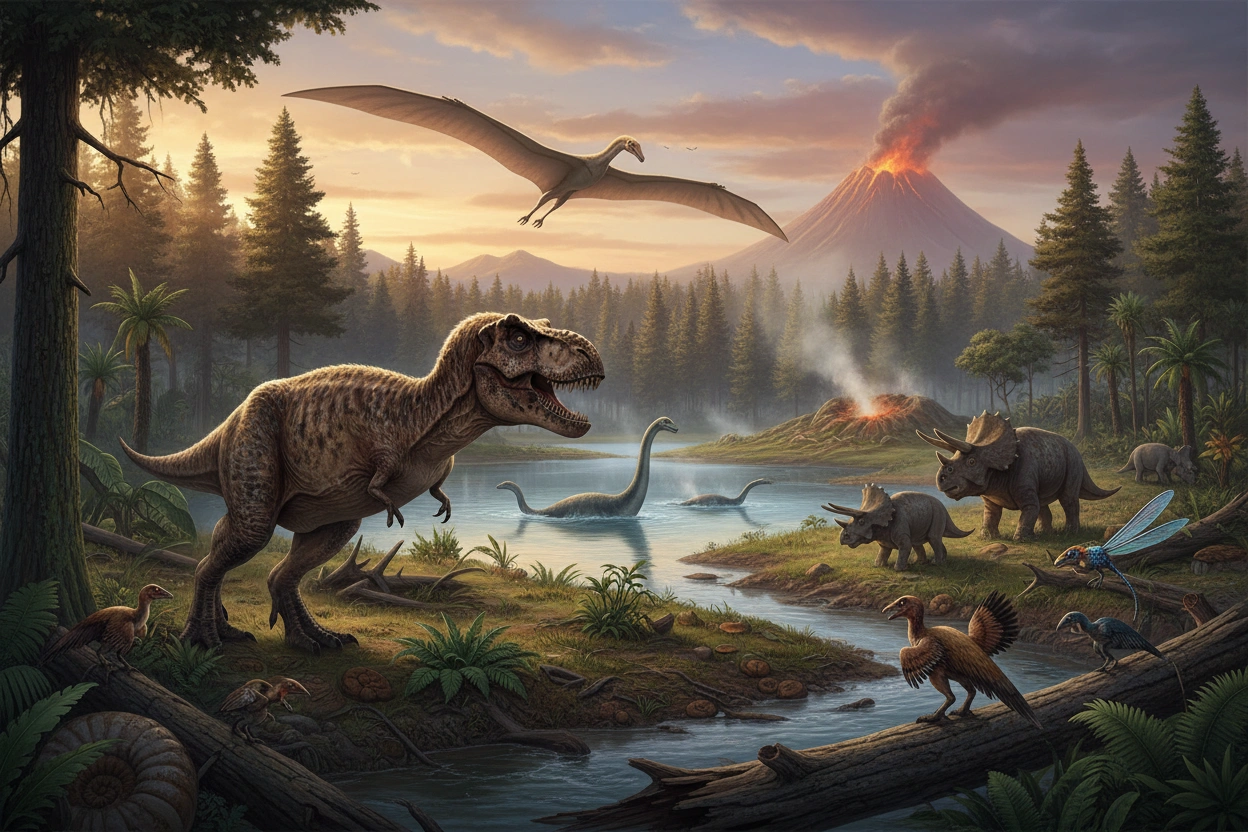
The world of prehistoric animals is a captivating realm that offers insights into the evolution of life on Earth. These ancient creatures roamed the planet millions of years ago, creating complex ecosystems that laid the groundwork for the biodiversity we see today. Understanding these fascinating beings not only enriches our knowledge of biology and geology but also illustrates the impact of climate change and environmental shifts on species survival.
In this article, we will explore ten intriguing facts about prehistoric animals and their ecosystems, shedding light on their unique adaptations, interactions, and the lessons they impart to modern-day wildlife conservation efforts.
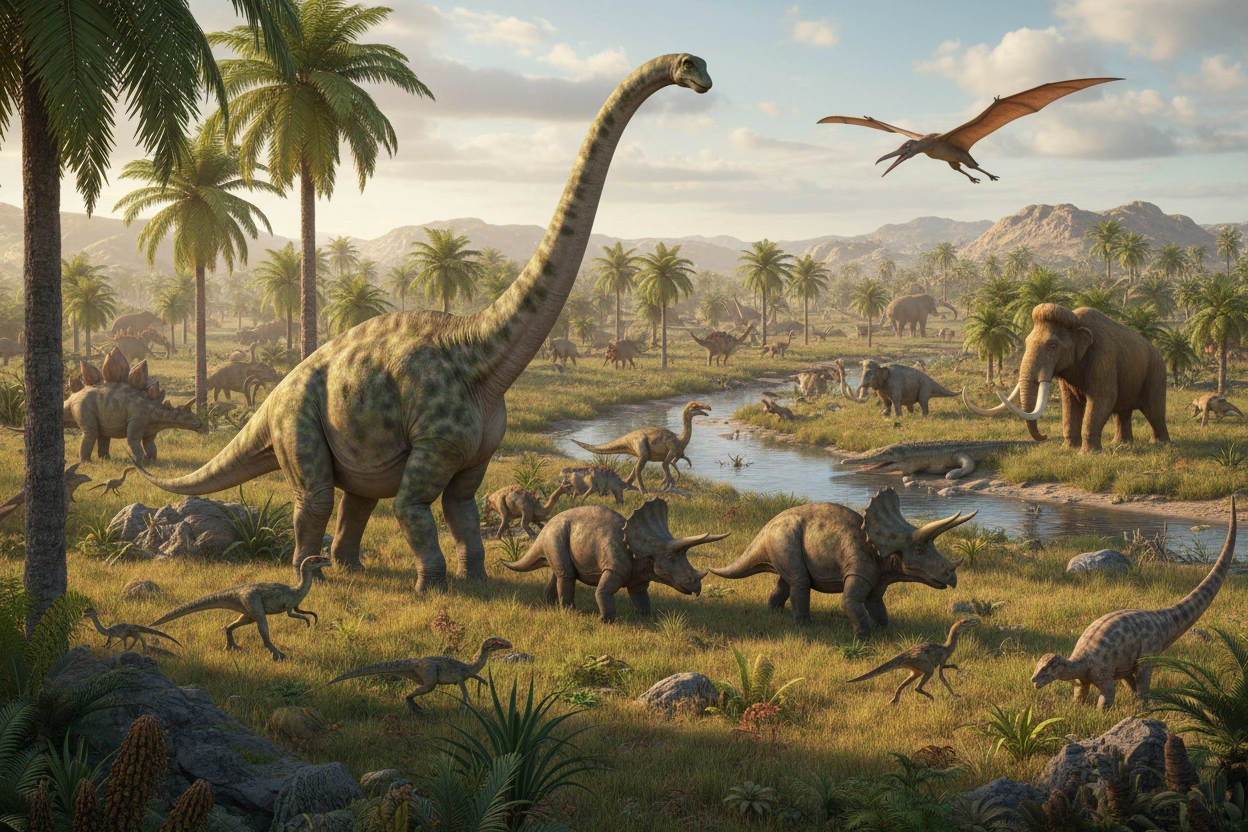
The evolution of prehistoric animals showcases a timeline filled with remarkable milestones. From the Cambrian explosion, which marked the emergence of complex life forms, to the rise of dinosaurs, each epoch introduced new species that adapted to their environments in unprecedented ways.
These evolutionary advancements highlight the dynamic nature of life on Earth, illustrating how environmental pressures shape the development of species.
Prehistoric ecosystems were intricate webs of interactions among various species. These interactions included predation, competition, and symbiosis, which contributed to the stability and diversity of these ancient environments.
Understanding these interactions provides valuable insights into the ecological principles that continue to govern modern ecosystems.
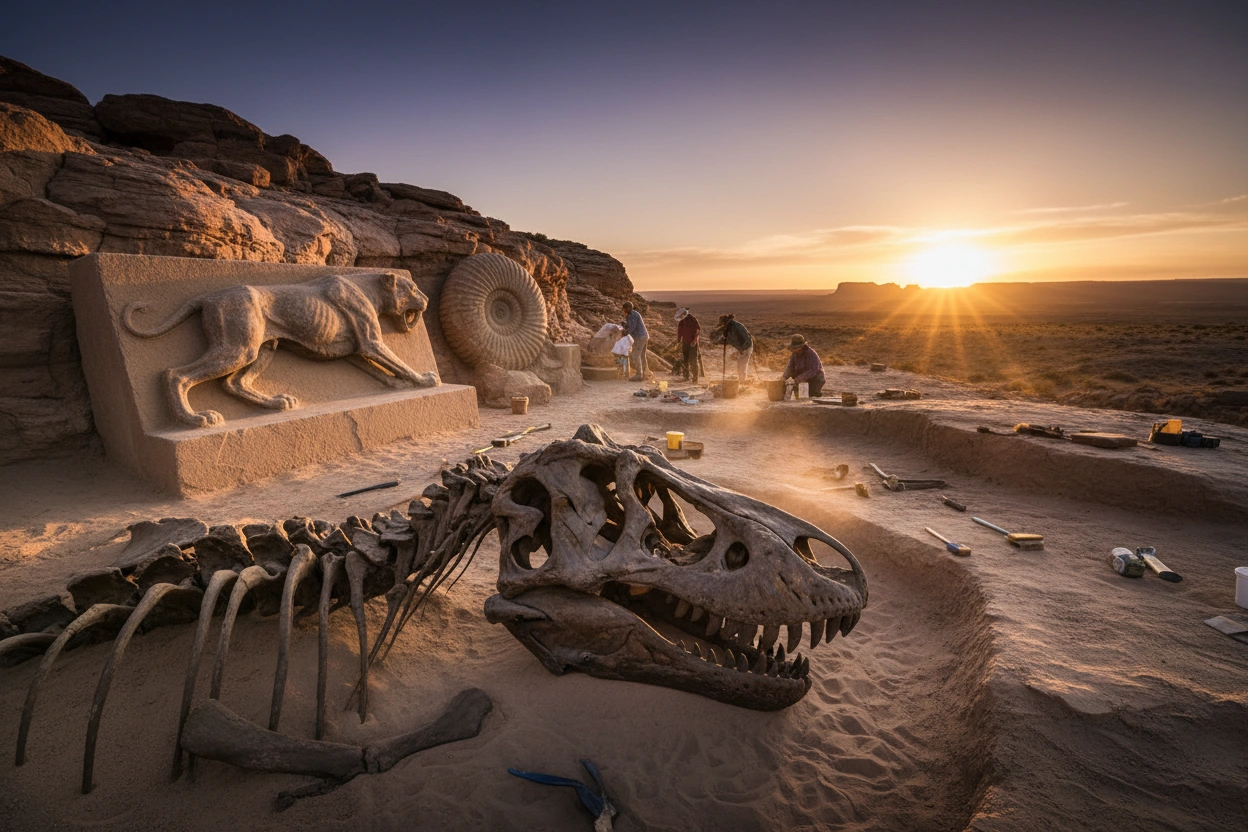
Exploring specific prehistoric animals can deepen our appreciation for the diversity of life that existed long before humans. Here are ten remarkable extinct animals that have left a lasting legacy.
The woolly mammoth is perhaps one of the most iconic prehistoric animals. These massive creatures roamed the northern tundras during the Pleistocene epoch. They were well adapted to cold climates, featuring long, curved tusks and a thick coat of fur.
The saber-toothed cat, or Smilodon, is known for its elongated canine teeth, which could reach up to eight inches in length. These formidable predators hunted large herbivores, showcasing a unique adaptation for capturing prey.
The dodo bird is a symbol of extinction caused by human activity. Native to the island of Mauritius, this flightless bird became extinct in the late 17th century due to overhunting and the introduction of non-native species.
Megalodon was the largest shark to ever exist, reaching lengths of up to 60 feet. This apex predator dominated the oceans during the Cenozoic era, preying on large marine mammals.
Triceratops is one of the most recognizable dinosaurs, known for its three distinct facial horns and large bony frill. These herbivorous dinosaurs roamed the late Cretaceous period, showcasing unique adaptations for defense against predators.
Pterosaurs were flying reptiles that existed alongside dinosaurs, with some species boasting wingspans exceeding 30 feet. These ancient creatures played a vital role in their ecosystems, filling ecological niches similar to modern birds.
Ankylosaurus was a heavily armored dinosaur known for its distinctive bony plates and club-like tail. This herbivore thrived during the late Cretaceous, utilizing its armor as a defense mechanism against predators.
Giant ground sloths, such as Megatherium, were massive herbivores that roamed South America during the Pleistocene. They could weigh over a ton and were well adapted to their environment, feeding on leaves and fruits.
The Irish elk, one of the largest deer species, is known for its enormous antlers, which could span up to 12 feet. These majestic animals roamed across Europe and Asia during the late Pleistocene.
Mastodons were prehistoric relatives of modern elephants, characterized by their long, curved tusks and distinctive teeth adapted for browsing on shrubs and trees. They lived during the late Pleistocene and thrived in various environments.

Understanding prehistoric animals and their ecosystems provides valuable insights into the resilience and adaptability of life. By examining the factors that led to the rise and fall of these species, we can glean lessons applicable to contemporary conservation efforts.
Many prehistoric animals faced extinction due to rapid climate shifts, which altered their habitats and food sources. Today, climate change poses a similar threat to modern wildlife.
Prehistoric ecosystems were characterized by a rich diversity of species, contributing to their overall stability. The loss of any species can have cascading effects on the entire ecosystem.
The extinction of many prehistoric animals serves as a reminder of the significant impact humans can have on the environment. Recognizing our role in conservation is crucial for the survival of modern species.
The study of prehistoric animals provides a window into the past, revealing the intricate relationships that shaped life on Earth. By understanding these ancient creatures and their ecosystems, we can better appreciate the diversity of life today and the importance of conservation efforts.
Banana Slug Club is dedicated to fostering a deeper understanding of wildlife and promoting sustainable practices. Through educational programs and community engagement, we aim to inspire a new generation of conservationists committed to protecting the planet's biodiversity.
If you are interested in learning more about how you can contribute to wildlife conservation and understand the lessons from prehistoric animals, visit Banana Slug Club for more information. Together, we can make a difference in preserving our planet's incredible biodiversity for future generations.
Get free resources, early access to new features and updates.
No spam. Just fun educational emails!


.svg)
.svg)