Reptiles have captivated the interest of pet enthusiasts for decades, offering unique characteristics and diverse care requirements that can fit various lifestyles. As of 2026, the pet reptile market continues to thrive, with many people drawn to the idea of owning a reptile due to their exotic appeal, low maintenance, and the fascinating behaviors they exhibit. However, with such a wide array of species available, it can be overwhelming for potential pet owners to determine which reptile makes the best companion. This article delves into common reptiles, comparing their suitability as pets, and also highlights the top ten endangered reptile species and their conservation efforts.
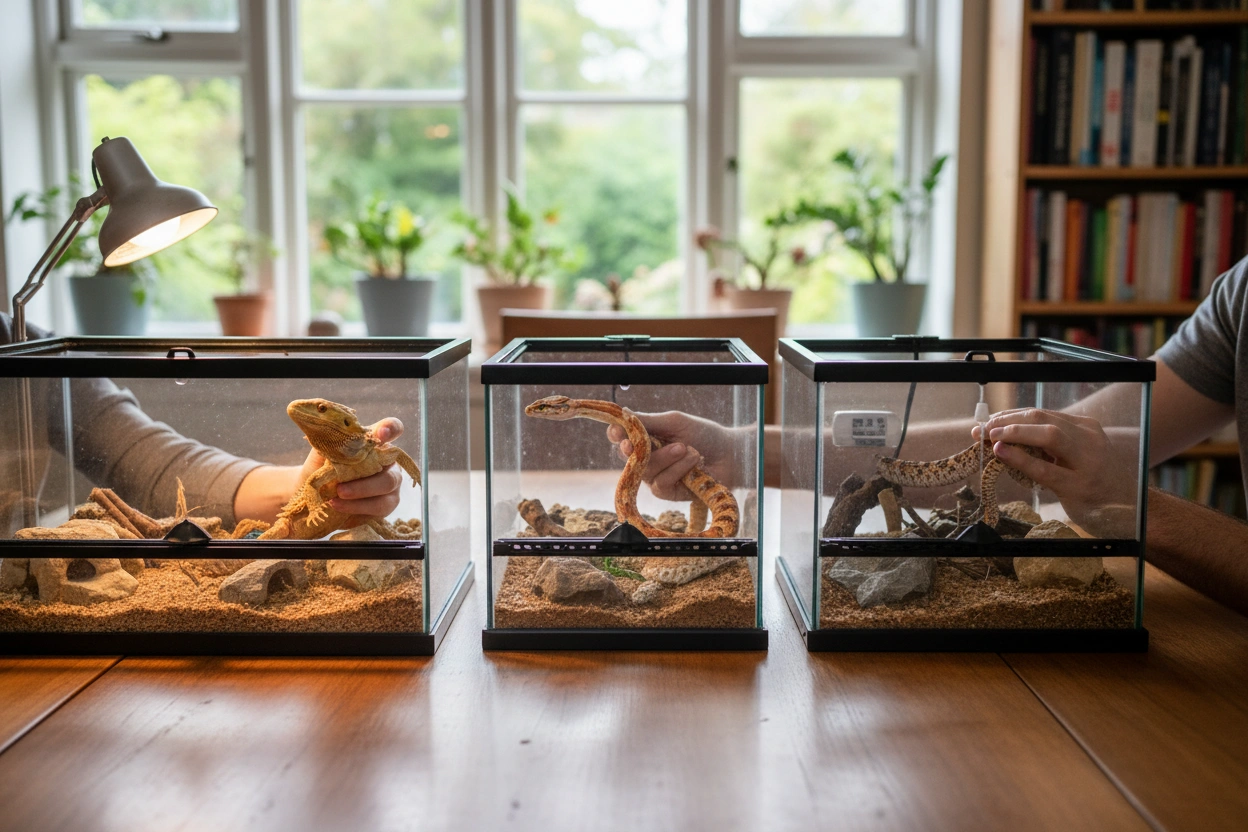
Before diving into specific species, it is essential to understand what makes a reptile a suitable pet. Reptiles are ectothermic, meaning they rely on external heat sources to regulate their body temperature. This characteristic influences their habitat needs, dietary requirements, and overall care.
Several reptiles are commonly kept as pets due to their manageable size, temperament, and care requirements. Here are some of the most popular species:
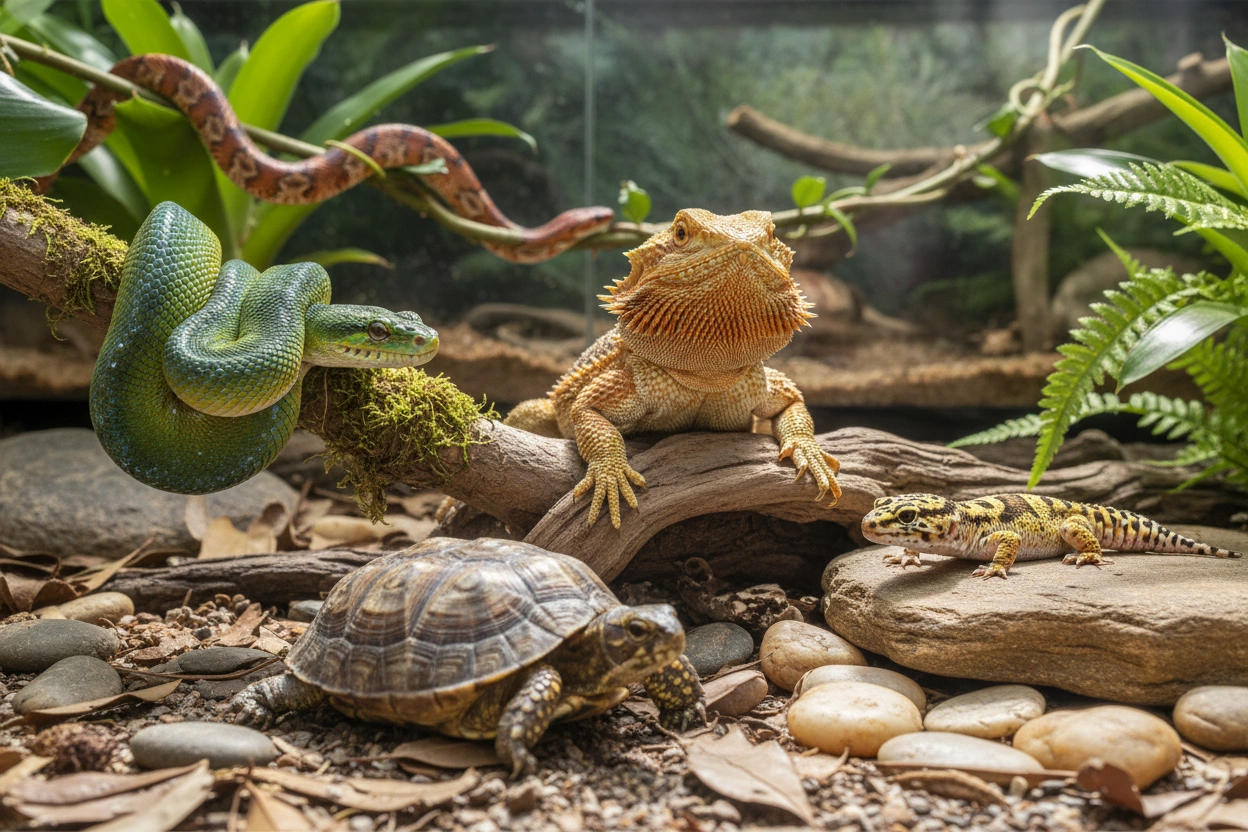
Bearded Dragon: Known for their docile nature and ease of care, bearded dragons are a favorite among reptile enthusiasts. They require a spacious enclosure with a heat gradient and thrive on a diet of insects and vegetables.
Leopard Gecko: These small, nocturnal lizards are hardy and require minimal care, making them ideal for beginners. They feed primarily on insects and need a warm habitat with a hiding spot.
Corn Snake: Highly popular among snake enthusiasts, corn snakes are known for their vibrant colors and calm demeanor. They can live for over 20 years and require a secure enclosure with appropriate humidity and temperature.
Ball Python: Another favored snake species, ball pythons are known for their gentle temperament. They require a larger enclosure as they grow and thrive on a diet of rodents.
Red-Eared Slider: As a common aquatic turtle, red-eared sliders require a water tank with a basking area. They are social creatures but need proper filtration and regular water changes to maintain a healthy habitat.
When selecting a reptile as a pet, consider the following factors:
Space Requirements: Different reptiles need varying amounts of space. Larger species require more room to thrive, while smaller reptiles can adapt to smaller enclosures.
Dietary Needs: Some reptiles have specialized diets, which can include live insects, vegetables, or commercially prepared food. Ensure you can provide the necessary nutrition for your chosen species.
Lifespan: Many reptiles have long lifespans, with some species living over 20 years. Consider your commitment level before choosing a pet.
Temperament: Understanding the temperament of different species is crucial. Some reptiles are more social and handleable, while others may be more skittish or defensive.
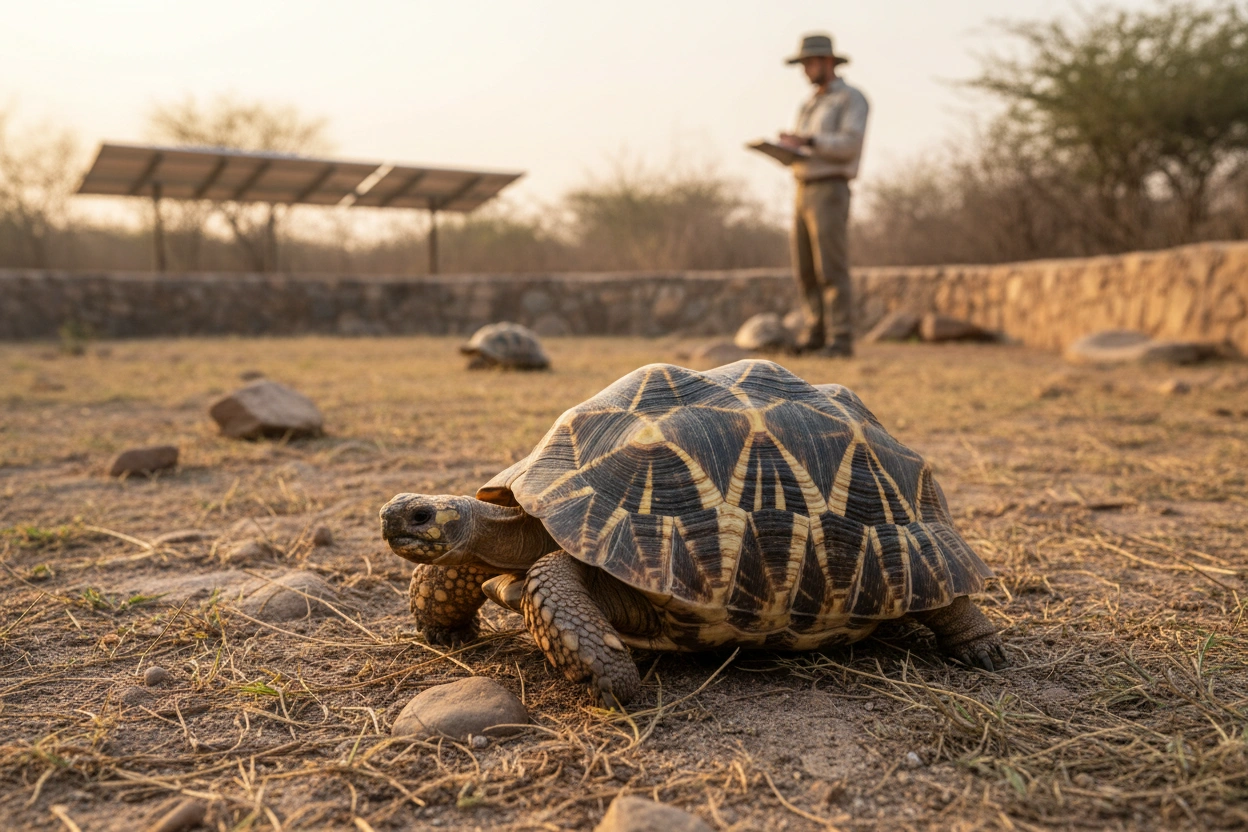
While many reptiles thrive as pets, numerous species face the threat of extinction. Understanding these endangered reptiles and their conservation efforts can raise awareness and promote responsible pet ownership.
Hawksbill turtles are critically endangered due to habitat loss, illegal trade, and climate change. Conservation efforts focus on protecting nesting sites and reducing bycatch in fishing operations.
This rare lizard is found only in Borneo and faces threats from habitat destruction. Conservation programs aim to protect their habitat and raise awareness about their plight.
Endemic to the Philippines, this crocodile species is critically endangered due to habitat loss and hunting. Conservation initiatives focus on habitat restoration and community education.
Found only on Escudo de Veraguas Island in Panama, this sloth is endangered due to habitat loss. Conservation efforts include habitat preservation and local community engagement.
This tortoise is critically endangered due to poaching and habitat loss. Conservation programs work to protect their habitats and raise awareness about the threats they face.
Once widespread in the Indian subcontinent, the gharial is now critically endangered due to habitat loss and fishing. Conservation efforts focus on breeding programs and habitat protection.
This non-venomous snake is threatened by habitat loss and fragmentation. Conservation programs aim to restore habitats and promote awareness of their ecological importance.
Several species of spiny-tailed lizards are threatened due to habitat destruction and over-collection. Conservation efforts involve habitat protection and sustainable management practices.
The Chinese alligator is critically endangered due to habitat loss and pollution. Conservation programs focus on habitat restoration and breeding initiatives.
This iguana species faces threats from habitat loss and invasive species. Conservation efforts include habitat protection and breeding programs to increase population numbers.
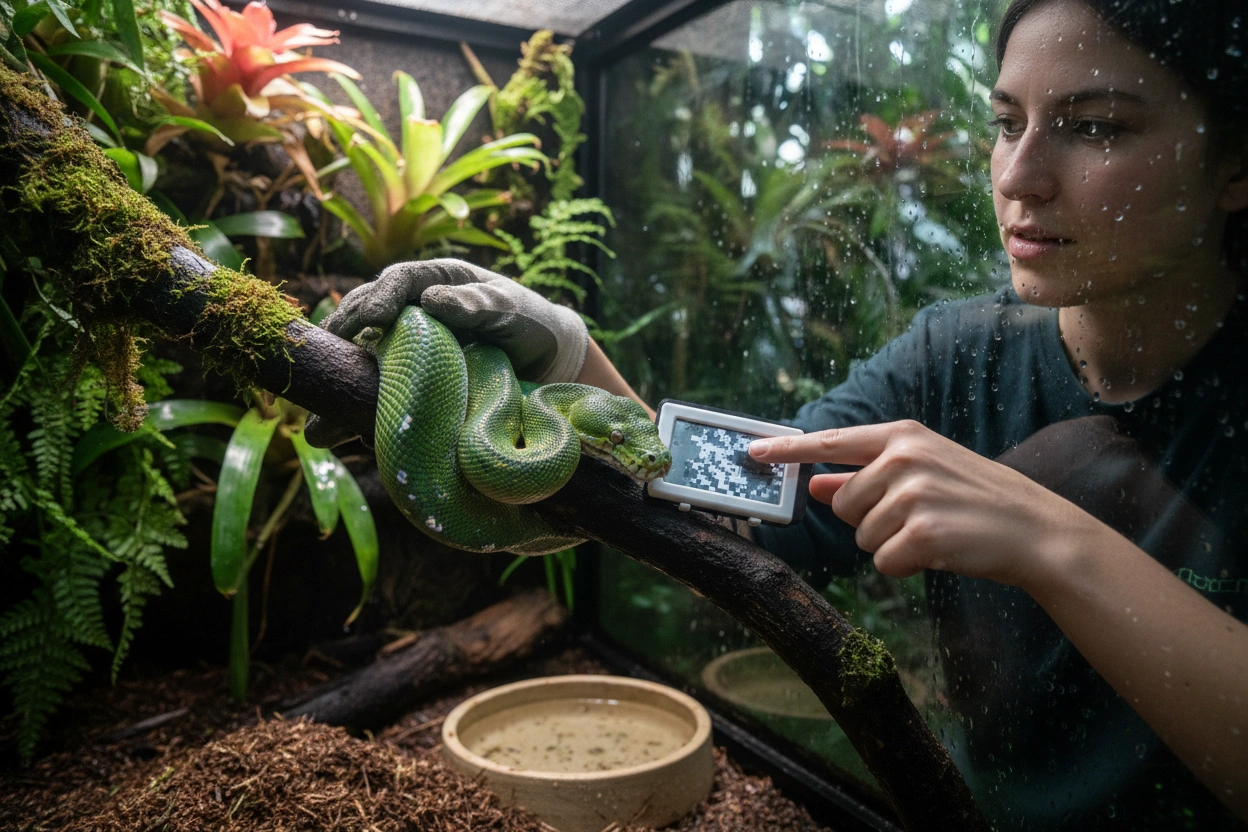
For those considering bringing a reptile into their home, there are several actionable steps to ensure a successful and fulfilling experience:
Research Thoroughly: Understanding the specific needs of the reptile species you are interested in is crucial. This includes habitat requirements, dietary needs, and behavior.
Prepare the Habitat: Before bringing a reptile home, ensure you have a suitable enclosure that meets the species' needs. This may include heating elements, hiding spots, and appropriate substrate.
Consult with Experts: Reach out to reptile care experts or local herpetological societies for advice on care and husbandry. They can provide valuable insights and resources.
Stay Informed: Join online forums or local clubs to connect with other reptile owners. This can be an excellent way to share experiences and learn about best practices.
Support Conservation Efforts: Consider supporting organizations that work to protect endangered reptiles. Your contributions can help fund vital conservation initiatives.
As we explore the diverse world of reptiles, it becomes evident that responsible pet ownership goes hand in hand with conservation efforts. By choosing to adopt common reptiles and supporting endangered species, we can contribute to the preservation of these remarkable creatures.
Banana Slug Club is dedicated to providing resources and support for reptile enthusiasts, from essential reptile care tips to conservation awareness. By engaging with our community, you can deepen your understanding of reptiles and help make a positive impact on their future.
For more information on reptile care and to learn how you can support conservation efforts, visit Banana Slug Club. Together, we can foster a greater appreciation for reptiles and promote responsible ownership.
Get free resources, early access to new features and updates.
No spam. Just fun educational emails!


.svg)
.svg)