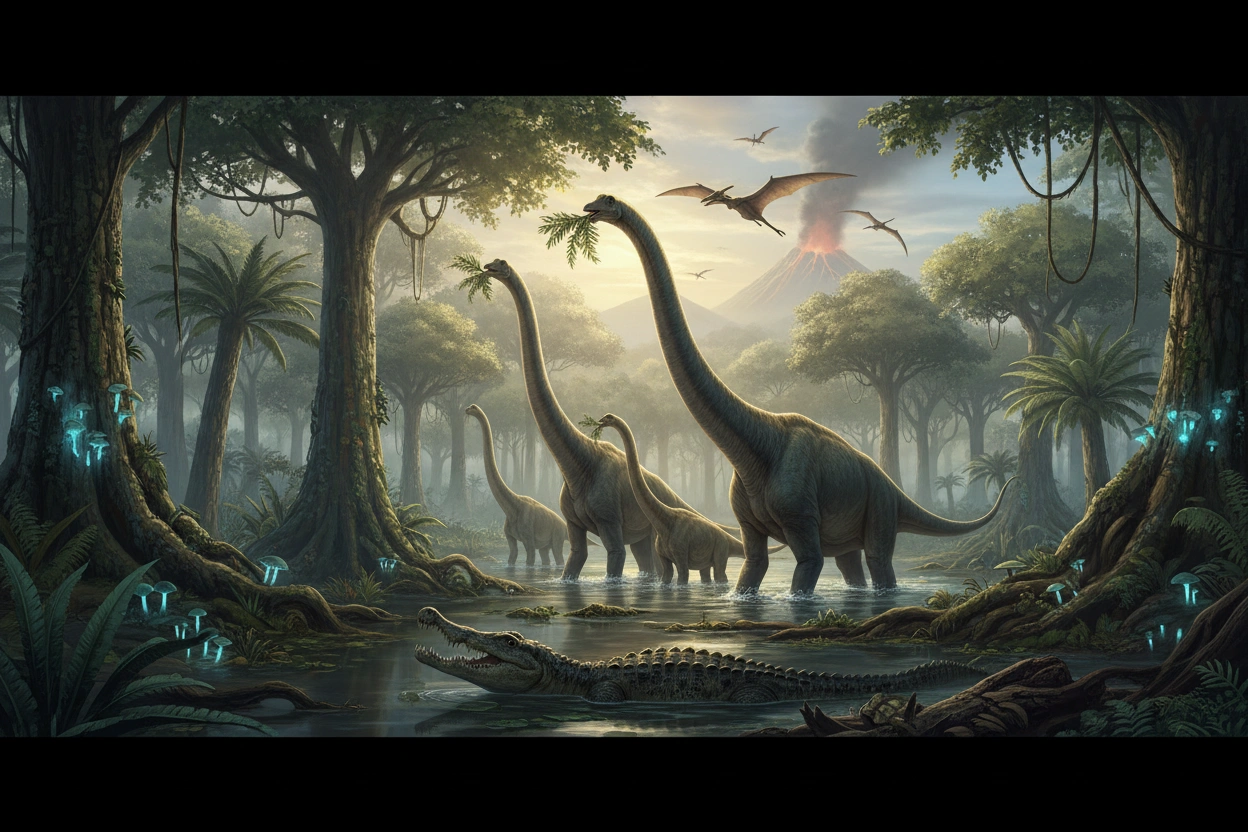
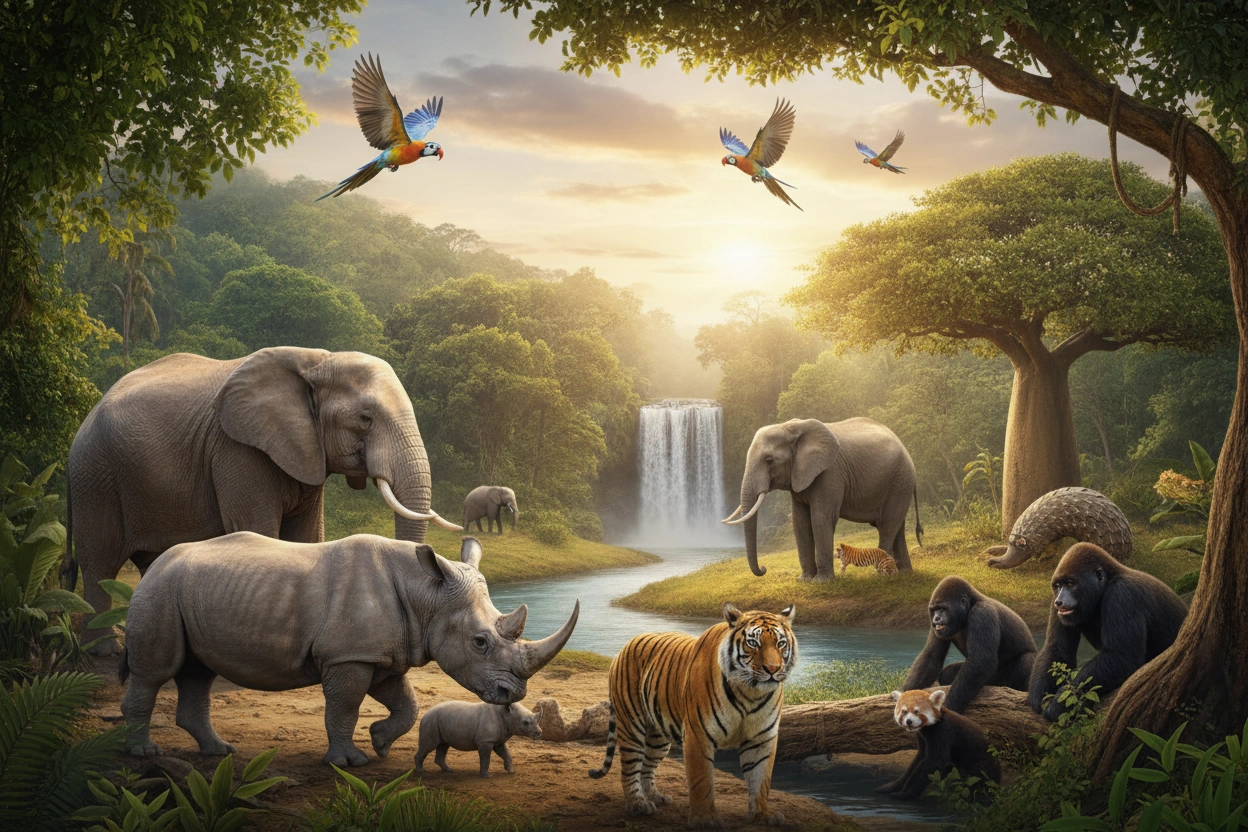
The study of prehistoric animals provides invaluable insights into the evolution of life on Earth. From the majestic dinosaurs that roamed the land to the unique marine creatures that inhabited ancient oceans, these extinct species offer a glimpse into how life adapts to changing environments. By examining the adaptations of prehistoric animals, we can learn important lessons about resilience, survival, and the interconnectedness of ecosystems. This article explores the fascinating adaptations of these ancient creatures and presents the top ten most intriguing extinct animals you should know about.

Adaptation is a fundamental concept in biology, describing how species evolve over time to better fit their environments. Prehistoric animals faced various challenges, including climate changes, predation, and competition for resources. Understanding how these animals adapted can shed light on current biodiversity and environmental challenges. secrets of prehistoric animals
Morphological Changes: Many prehistoric animals developed physical characteristics that enhanced their ability to survive. For instance, some species evolved larger body sizes for better thermal regulation, while others developed specialized appendages for improved mobility or predation.
Behavioral Adaptations: Behavioral changes are equally important in adaptation. Some prehistoric animals exhibited social behaviors, such as pack hunting or herd living, which improved their chances of survival against predators.
Physiological Adjustments: Physiological adaptations involve changes in bodily functions. For example, certain prehistoric species developed the ability to metabolize different types of food sources, allowing them to thrive in diverse environments.
Understanding these mechanisms not only highlights the resilience of prehistoric animals but also serves as a reminder of the adaptability required in today’s rapidly changing world.

Exploring the unique adaptations of specific prehistoric animals can enhance our appreciation for ancient wildlife. Here is a list of ten captivating extinct species that exemplify remarkable adaptations.
The Tyrannosaurus Rex is perhaps the most iconic prehistoric animal. Known for its massive size and formidable jaws, this dinosaur adapted to be an apex predator. Its keen sense of smell and powerful hind limbs allowed it to hunt effectively, while its tiny arms remain a subject of curiosity and debate among paleontologists.
Woolly mammoths were well-adapted to cold environments. Their thick fur, a layer of fat beneath the skin, and long tusks helped them navigate the harsh, icy landscapes of the Pleistocene Epoch. This adaptation not only provided insulation but also assisted in foraging for food beneath the snow.
Famous for its elongated canine teeth, the saber-toothed cat was a formidable predator. Its adaptations included a powerful build and strong forelimbs, which enabled it to take down large prey. The unique shape of its teeth allowed for effective slicing through flesh, showcasing a specialized feeding strategy.
The dodo, a flightless bird native to Mauritius, adapted to an isolated island environment where it faced little predation. This led to its unique physical characteristics, including a large beak for feeding on fruits and seeds. Unfortunately, the dodo's lack of fear of humans ultimately contributed to its extinction.
Also known as the giant ground sloth, Megatherium inhabited South America during the Ice Age. Its enormous size, herbivorous diet, and adaptations for climbing trees allowed it to exploit a niche that few other mammals could. However, changing climates and human activity led to its decline.
Anomalocaris was a prehistoric marine predator that lived during the Cambrian period. Its unique body structure, including large compound eyes and specialized appendages for capturing prey, showcases a fascinating evolutionary experiment in predation.
Pterosaurs were flying reptiles that thrived during the age of dinosaurs. Their adaptations included lightweight bones and large wingspans, allowing them to soar through prehistoric skies. Some species even developed crests for display, indicating complex social behaviors.
Steller's sea cow was a large marine herbivore that lived in the North Pacific. Its adaptations included a robust body and paddle-like limbs, which facilitated movement through water. Unfortunately, overhunting by humans led to its extinction in the 18th century.
Paraceratherium, the largest land mammal to ever exist, adapted to a herbivorous diet by developing a long neck that allowed it to reach tall vegetation. This unique adaptation enabled it to thrive in diverse environments, but it ultimately succumbed to climate changes and habitat loss.
Often considered the first bird, Archaeopteryx showcases a transitional form between dinosaurs and modern birds. Its feathered wings indicate adaptations for flight, while its dinosaur-like features suggest a complex evolutionary history. This species is a critical piece of evidence in understanding avian evolution.
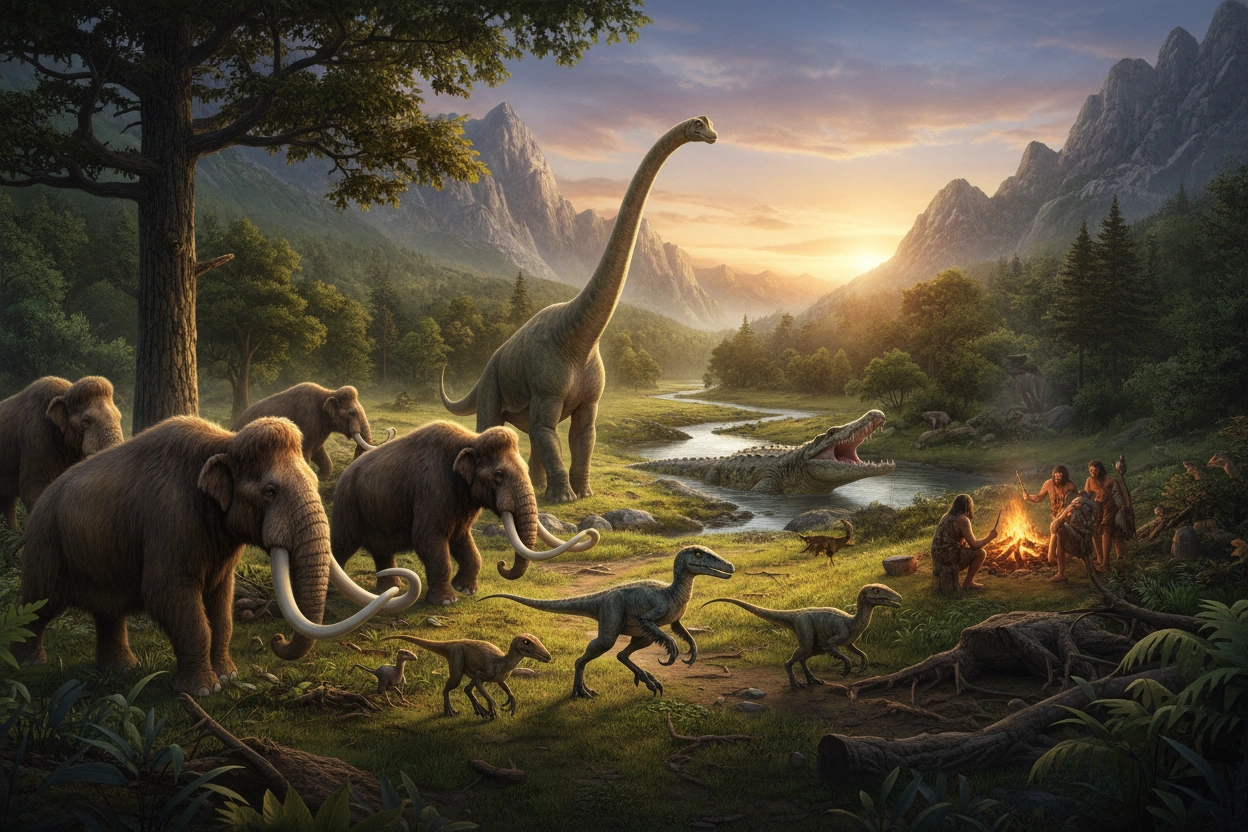
The adaptations of prehistoric animals offer valuable lessons that can be applied to contemporary issues. Here are some key insights derived from studying these ancient ecosystems.
Prehistoric animals faced significant environmental shifts, from ice ages to habitat loss. Their ability to adapt demonstrates the importance of resilience. For current species, understanding how past animals responded to climate changes can inform conservation efforts and highlight the need for biodiversity preservation.
The interactions between different species in prehistoric ecosystems played a crucial role in shaping adaptations. For example, the presence of predators influenced prey adaptations. This interconnectedness is vital in modern ecosystems, where the loss of a single species can have cascading effects on others. prehistoric animals
Genetic diversity is essential for adaptation. Prehistoric animals that thrived often exhibited significant genetic variation, allowing for a broader range of adaptations. In today’s world, promoting genetic diversity within species can enhance resilience against diseases and environmental changes.
While many people are fascinated by prehistoric animals, several misconceptions persist. Addressing these can help deepen our understanding of these ancient creatures.
While many dinosaurs were indeed large, a significant number were small and agile. For instance, the Compsognathus was roughly the size of a chicken, illustrating the diversity within dinosaur species.
Prehistoric animals spanned millions of years, and many species existed in different geological periods. Understanding the timeline of these animals is crucial for grasping the evolution of life on Earth.
While many prehistoric animals faced extinction, it was often due to specific factors, including climate changes and human activity. Learning about the causes of extinction can inform current conservation strategies aimed at preventing similar fates for endangered species today.
As technology advances, so does our understanding of prehistoric animals. Techniques such as DNA analysis and advanced imaging are providing new insights into their biology and ecology. These innovations will continue to enhance our comprehension of ancient ecosystems and their relevance to modern science.
Paleontologists play a crucial role in uncovering the mysteries of prehistoric life. Their work not only involves excavating fossils but also interpreting the ecological context in which these animals lived. This ongoing research is vital for understanding the past and informing future conservation efforts.
Public interest in prehistoric animals remains high, with documentaries, exhibitions, and educational programs drawing attention to this fascinating field. Engaging the public through outreach initiatives can foster a greater appreciation for biodiversity and the importance of conservation.
As we reflect on the adaptations of prehistoric animals, it is essential to consider their implications for contemporary wildlife conservation. The lessons learned from ancient ecosystems can guide our efforts to protect endangered species and restore ecological balance.
Banana Slug Club is committed to fostering a deeper understanding of the natural world, encouraging exploration, and promoting conservation initiatives. By learning from the past, we can better navigate the challenges of the present and future.
If you are passionate about wildlife conservation and want to learn more about how you can contribute, visit Banana Slug Club for resources and opportunities to get involved. Together, we can make a difference in preserving our planet's rich biodiversity for generations to come.
Get free resources, early access to new features and updates.
No spam. Just fun educational emails!


.svg)
.svg)