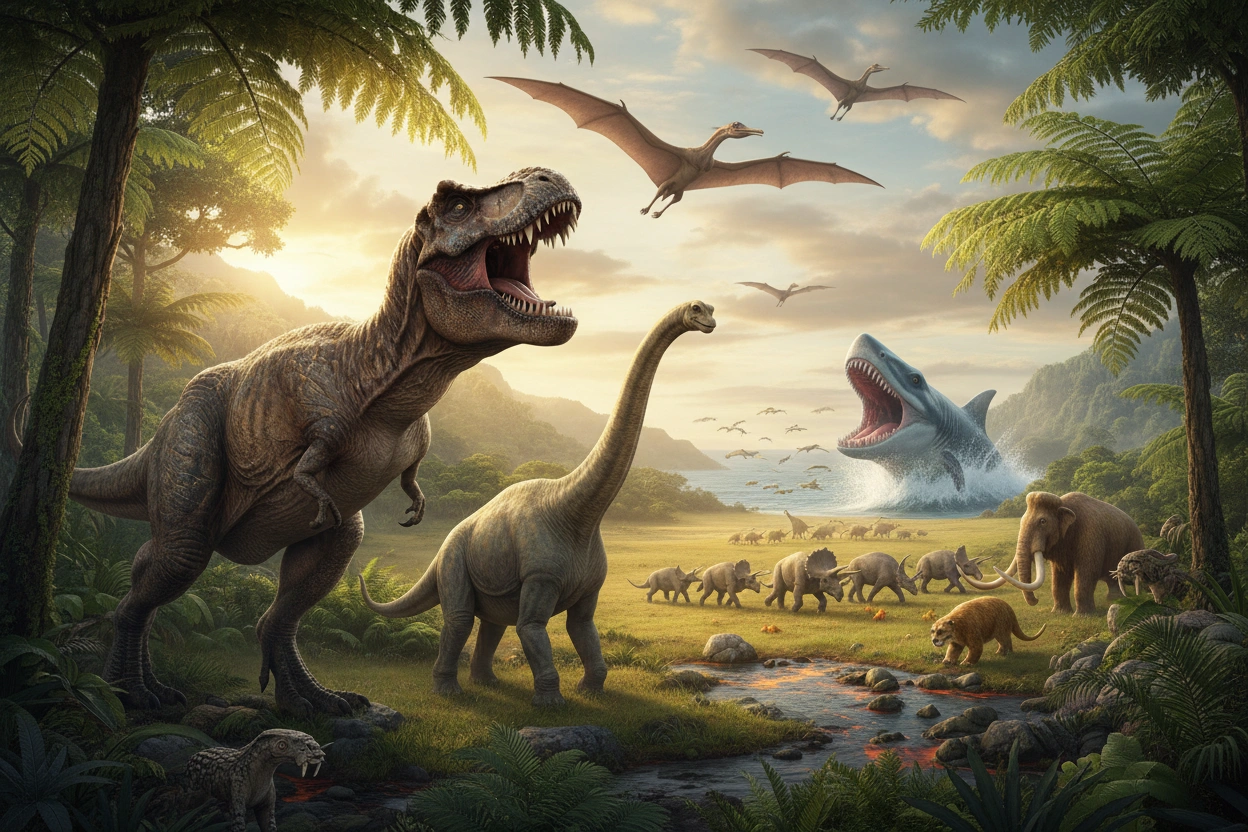
Prehistoric animals are not just remnants of the past; they represent the dynamic and diverse ecosystems that once thrived on Earth. Understanding these ancient wildlife species provides insight into the evolutionary processes that shaped today's biodiversity. In this article, we will explore the top 10 prehistoric animals that significantly influenced their environments, showcasing their unique adaptations and ecological roles. This knowledge is not only fascinating but also critical in understanding the impact of extinction and the importance of conservation in today's world.
The significance of these prehistoric animals extends beyond mere curiosity. They tell stories of survival, adaptation, and extinction that resonate with current ecological challenges. By examining these ancient species, we can glean valuable lessons about resilience and the interconnectedness of life. Let's dive into the remarkable world of prehistoric animals that shaped ancient ecosystems.
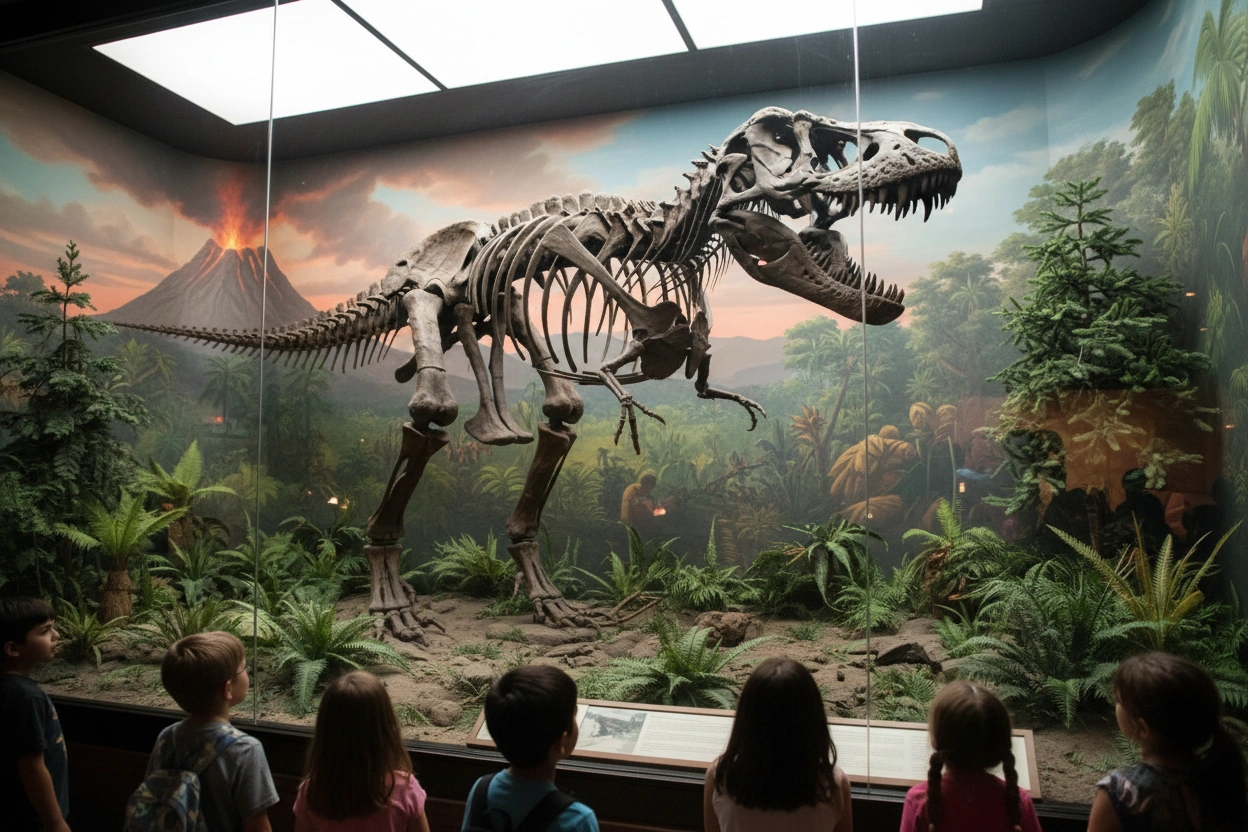
The Tyrannosaurus Rex is perhaps the most iconic of all prehistoric animals, often depicted in movies and literature. This colossal predator roamed the Earth approximately 68 to 66 million years ago during the late Cretaceous period. With an impressive length of up to 40 feet and a weight of around 9 tons, T. rex was a dominant force in its ecosystem.
T. rex served as an apex predator, preying on large herbivores such as Triceratops and Edmontosaurus. Its powerful jaws, filled with serrated teeth, could crush bone, making it a formidable hunter. The presence of T. rex in its habitat helped regulate herbivore populations, maintaining a balance in the ecosystem. This dynamic illustrates the importance of apex predators in controlling prey species and ensuring ecosystem health.
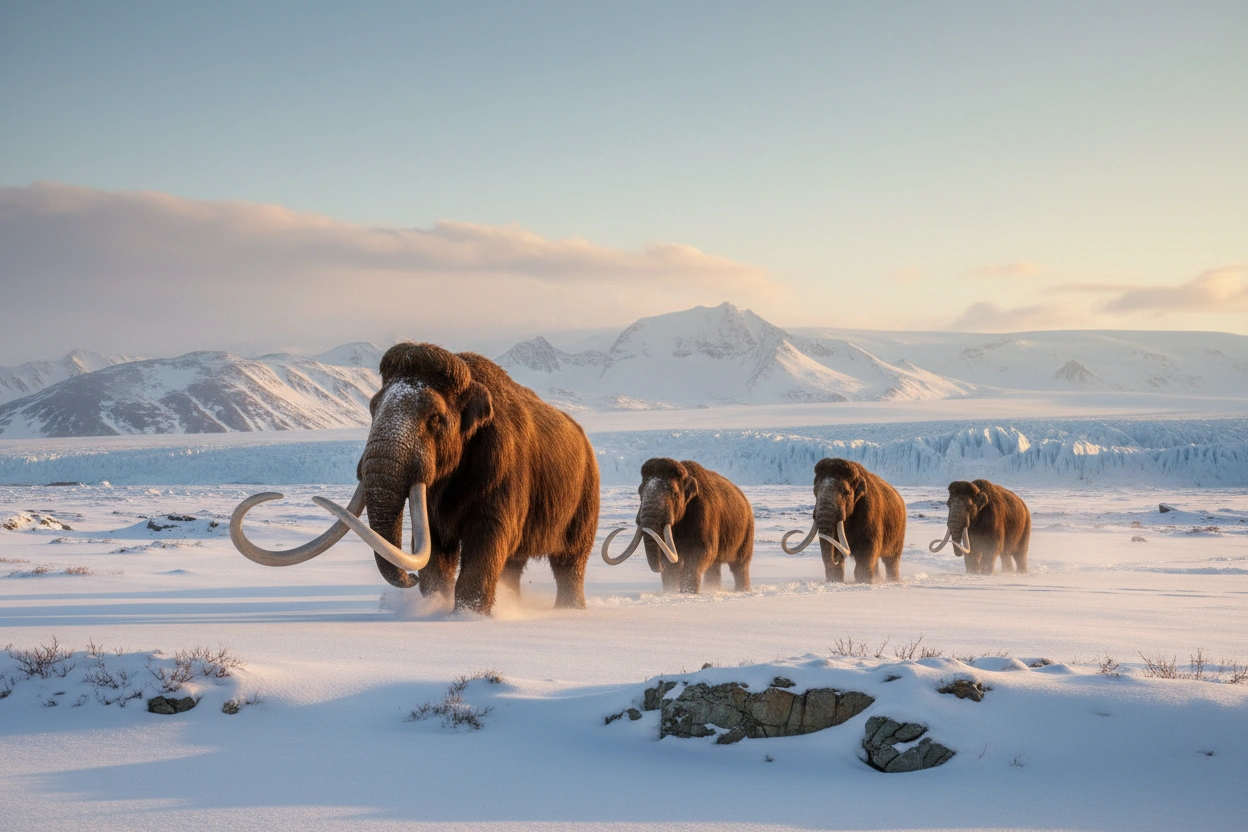
The woolly mammoth is a symbol of the Pleistocene Epoch, a time characterized by glacial periods and diverse megafauna. These massive creatures lived in the northern parts of North America, Europe, and Asia until their extinction around 4,000 years ago.
Woolly mammoths played a crucial role in their environment by grazing on grasses and shrubs, which helped shape the tundra ecosystem. Their foraging behavior encouraged the growth of certain plant species, ultimately influencing the overall vegetation structure. Additionally, the mammoth's migration patterns contributed to nutrient cycling across vast landscapes. Their thick fur, layer of fat, and smaller ears were adaptations for surviving in cold climates.

The saber-toothed cat, particularly the Smilodon, is renowned for its elongated canine teeth, which could grow up to 8 inches long. These formidable predators lived in North America and South America during the Pleistocene Epoch, approximately 2.5 million to 10,000 years ago.
As apex predators, saber-toothed cats hunted large herbivores such as bison and young mammoths. Their specialized teeth allowed them to deliver fatal bites to prey, and their robust forelimbs helped them tackle and immobilize larger animals. The extinction of saber-toothed cats led to significant shifts in herbivore populations, demonstrating their role in maintaining ecological balance.
The dodo, a flightless bird native to the island of Mauritius, is a poignant example of human impact on prehistoric wildlife. This species became extinct in the late 17th century, primarily due to overhunting and habitat destruction.
The dodo's extinction is often cited as a cautionary tale regarding biodiversity loss. As a ground-nesting bird, the dodo played a role in seed dispersal for various plants, contributing to the island's ecological health. Its disappearance led to changes in plant community dynamics, showcasing the interconnectedness of species within an ecosystem.
Megatherium, or the giant ground sloth, roamed South America during the Pleistocene Epoch. These massive creatures could grow up to 20 feet long and weighed over 4 tons, making them one of the largest land mammals of their time.
Megatherium was a herbivore that primarily fed on leaves, fruits, and shrubs. Its feeding habits helped shape the vegetation in its habitat, and its massive size meant it could access foliage that smaller herbivores could not. The extinction of Megatherium had cascading effects on the plant community, illustrating how large herbivores contribute to ecosystem dynamics.
Pterosaurs, often mistakenly referred to as dinosaurs, were flying reptiles that lived during the Mesozoic Era. They came in various sizes, with some species like Pteranodon boasting wingspans of up to 33 feet.
Pterosaurs occupied the skies and played a crucial role in their ecosystems by preying on fish, insects, and small vertebrates. Their unique adaptations, such as hollow bones and specialized wing structures, allowed them to thrive in diverse environments. The presence of pterosaurs impacted the populations of their prey species, contributing to ecological balance.
Anomalocaris was a fascinating predator of the Cambrian period, approximately 500 million years ago. This ancient creature is notable for its unique morphology, featuring large compound eyes and a segmented body.
As one of the top predators of its time, Anomalocaris played a significant role in shaping the marine ecosystems of the Cambrian seas. Its hunting strategies involved using its grasping limbs to capture smaller prey, influencing the evolutionary trajectories of other marine organisms. Anomalocaris exemplifies how early life forms laid the groundwork for modern marine biodiversity.
Triceratops is one of the most recognizable dinosaurs, known for its three distinct facial horns and large frill. This herbivorous dinosaur lived during the late Cretaceous period, approximately 68 to 66 million years ago.
Triceratops was a key herbivore in its environment, feeding on low-lying vegetation such as ferns and cycads. Its presence influenced plant community dynamics and provided a food source for large predators like T. rex. The interactions between Triceratops and its environment highlight the complexity of prehistoric ecosystems.
Argentinosaurus is one of the largest known dinosaurs, believed to have lived during the late Cretaceous period. This colossal sauropod could reach lengths of up to 100 feet and weigh as much as 100 tons.
As a massive herbivore, Argentinosaurus played a significant role in shaping its ecosystem. Its feeding habits likely influenced plant growth patterns and nutrient cycling within its habitat. The sheer size of Argentinosaurus also meant that it could access foliage that smaller herbivores could not, contributing to biodiversity within its ecosystem.
Ichthyosaurus was a marine reptile that thrived during the Mesozoic Era, particularly in the Jurassic period. Its streamlined body and large eyes made it well-adapted for life in the ocean.
As a top predator in the marine ecosystem, Ichthyosaurus played a critical role in regulating fish and squid populations. Its adaptations for speed and agility allowed it to hunt effectively, influencing the dynamics of marine food webs. The extinction of Ichthyosaurus, like other prehistoric animals, had profound effects on the marine ecosystems of the time.
The study of prehistoric animals reveals the intricate tapestry of life that has existed on our planet. These ancient species not only shaped their ecosystems but also left a legacy that informs our understanding of modern biodiversity. The extinction of many prehistoric animals serves as a stark reminder of the fragility of ecosystems and the impact humans have on wildlife today.
At Banana Slug Club, we are dedicated to promoting awareness and understanding of the natural world, including the lessons learned from prehistoric animals. By fostering a greater appreciation for biodiversity, we can contribute to conservation efforts and ensure the protection of our planet's rich heritage.
If you want to explore more about how to engage with nature and learn about the fascinating history of life on Earth, visit Banana Slug Club for resources, events, and community engagement opportunities. Together, we can celebrate and protect the incredible diversity of life that continues to thrive today.
Get free resources, early access to new features and updates.
No spam. Just fun educational emails!


.svg)
.svg)