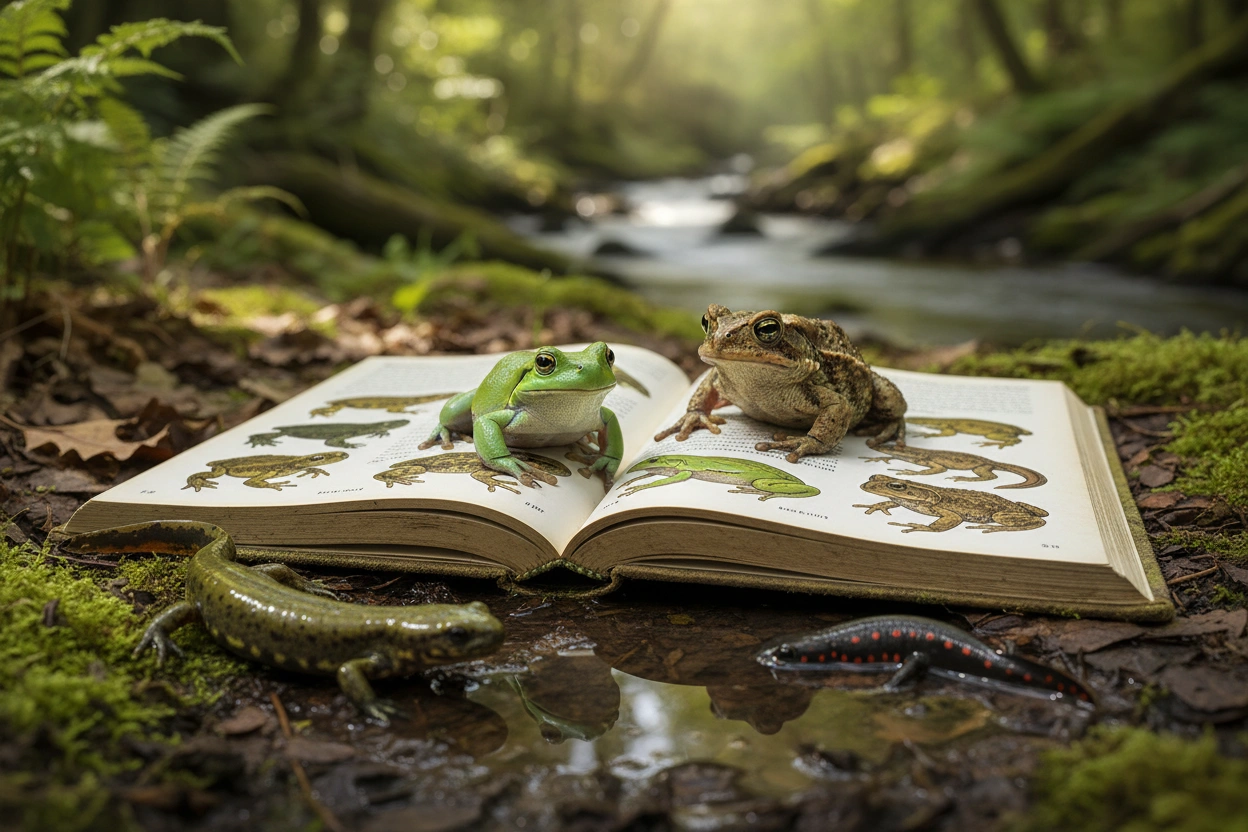
Amphibians are among the most diverse and fascinating groups of animals on the planet. They play critical roles in ecosystems, serving as both predators and prey, and are important indicators of environmental health. Unfortunately, many amphibian species are experiencing rapid declines due to habitat loss, climate change, and pollution. As a beginner interested in amphibians, understanding how to identifying amphibian species and support conservation efforts is crucial. This guide provides insights into identifying amphibian species, their habitats, and the top conservation initiatives to support.
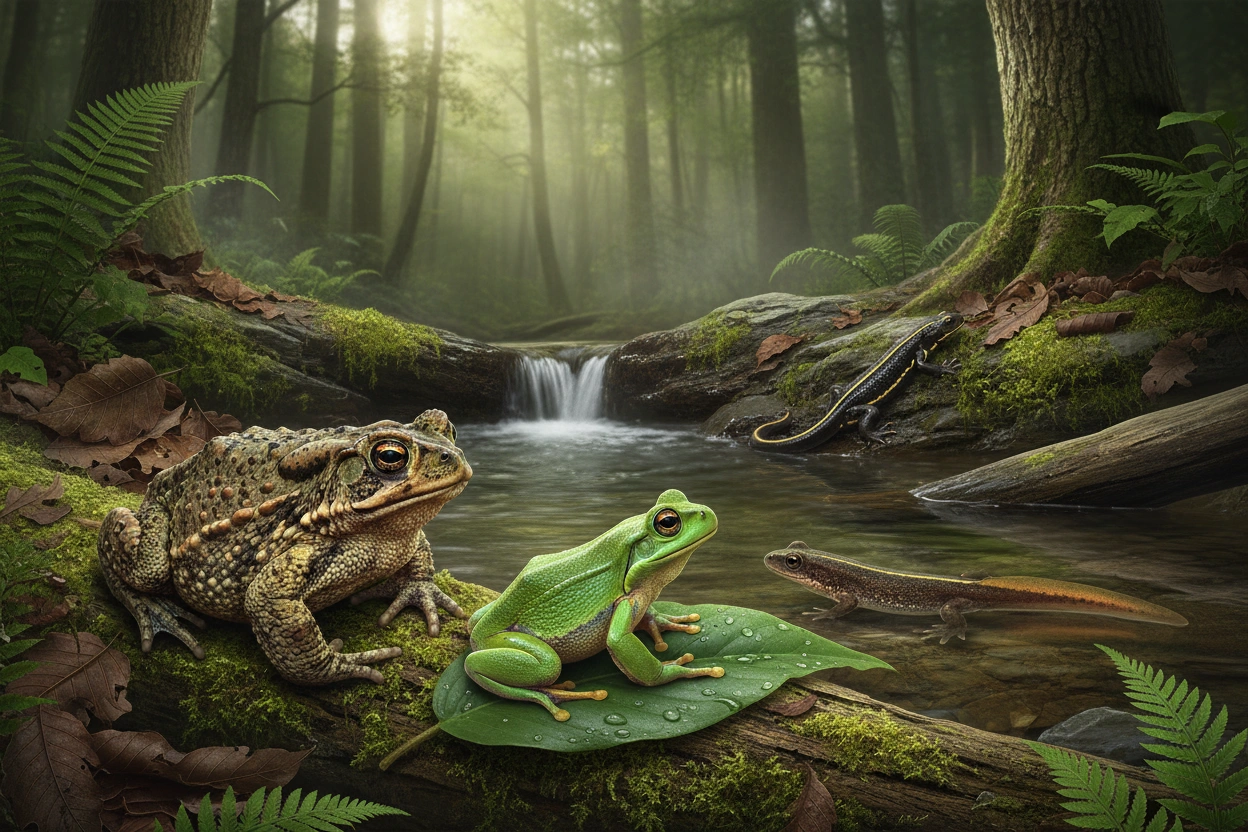
Amphibians are a class of animals that include frogs, toads, salamanders, and newts. They are unique in that they typically begin their lives in water as larvae (tadpoles) before undergoing metamorphosis to become land-dwelling adults. This dual life cycle is a defining characteristic of amphibians. They possess moist, permeable skin that allows them to absorb water and oxygen, which is essential for their survival.
Amphibians can be found in a variety of habitats, ranging from forests and wetlands to deserts and urban areas. Their presence often indicates a healthy ecosystem, as they are sensitive to environmental changes. However, with increasing threats to their habitats, many amphibian populations are declining at alarming rates.
There are several misconceptions about amphibians that can hinder conservation efforts and public understanding. One common myth is that all amphibians are poisonous. While some species, like poison dart frogs, have toxic skin, many amphibians are completely harmless. Additionally, amphibians are often thought to be slimy and unpleasant; however, their skin is actually moist and smooth, which is essential for their respiration and hydration.
Understanding these facts is crucial for appreciating amphibians and their ecological roles. Education is key to dispelling myths and fostering a greater respect for these creatures.
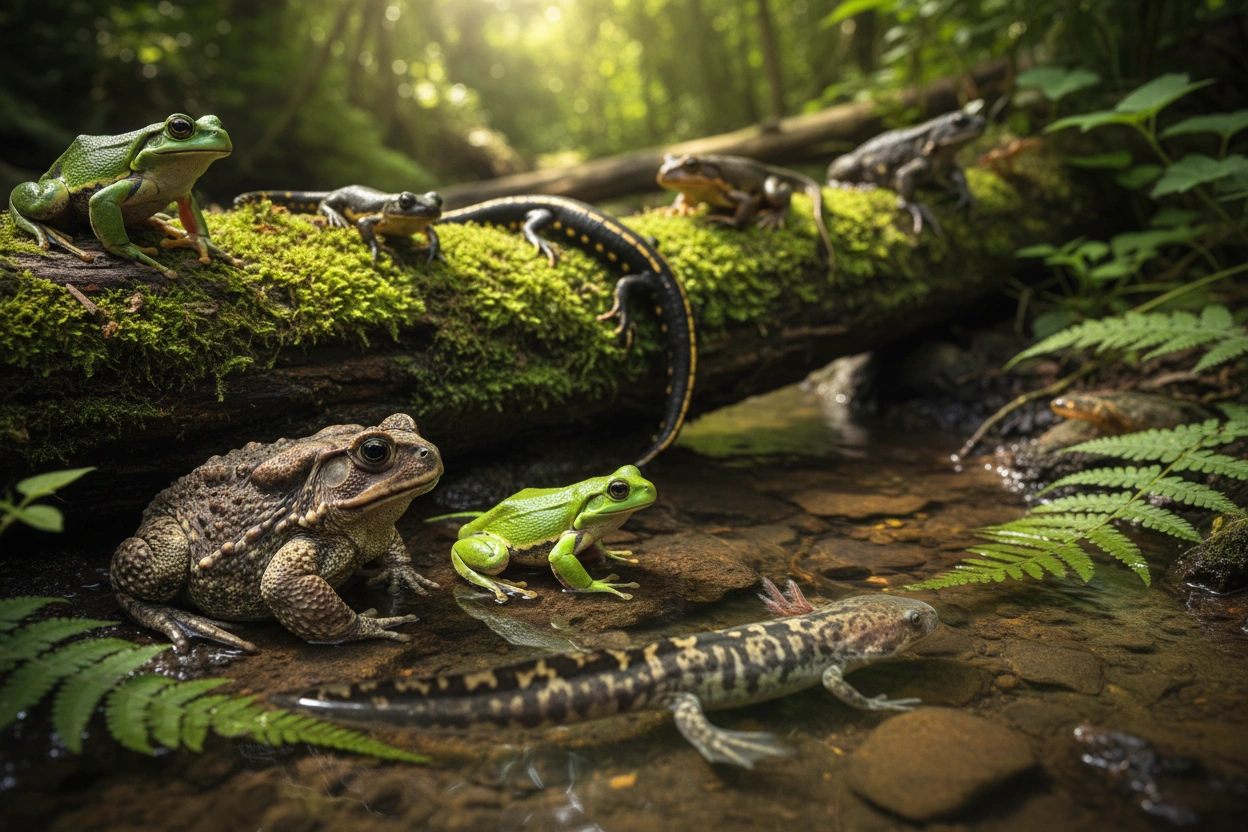
When identifying amphibians, several key characteristics can help distinguish between different species:
Here are some common amphibian species you may encounter:
American Bullfrog (Lithobates catesbeianus)
Northern Leopard Frog (Lithobates pipiens)
Eastern Red-backed Salamander (Plethodon cinereus)
Common Tree Frog (Hyla cinerea)
Wood Frog (Lithobates sylvaticus)
American Toad (Anaxyrus americanus)
Pacific Tree Frog (Pseudacris regilla)
Spotted Salamander (Ambystoma maculatum)
Green Frog (Lithobates clamitans)
Eastern Newt (Notophthalmus viridescens)
Familiarizing yourself with these species can enhance your appreciation of amphibians and their ecological importance.
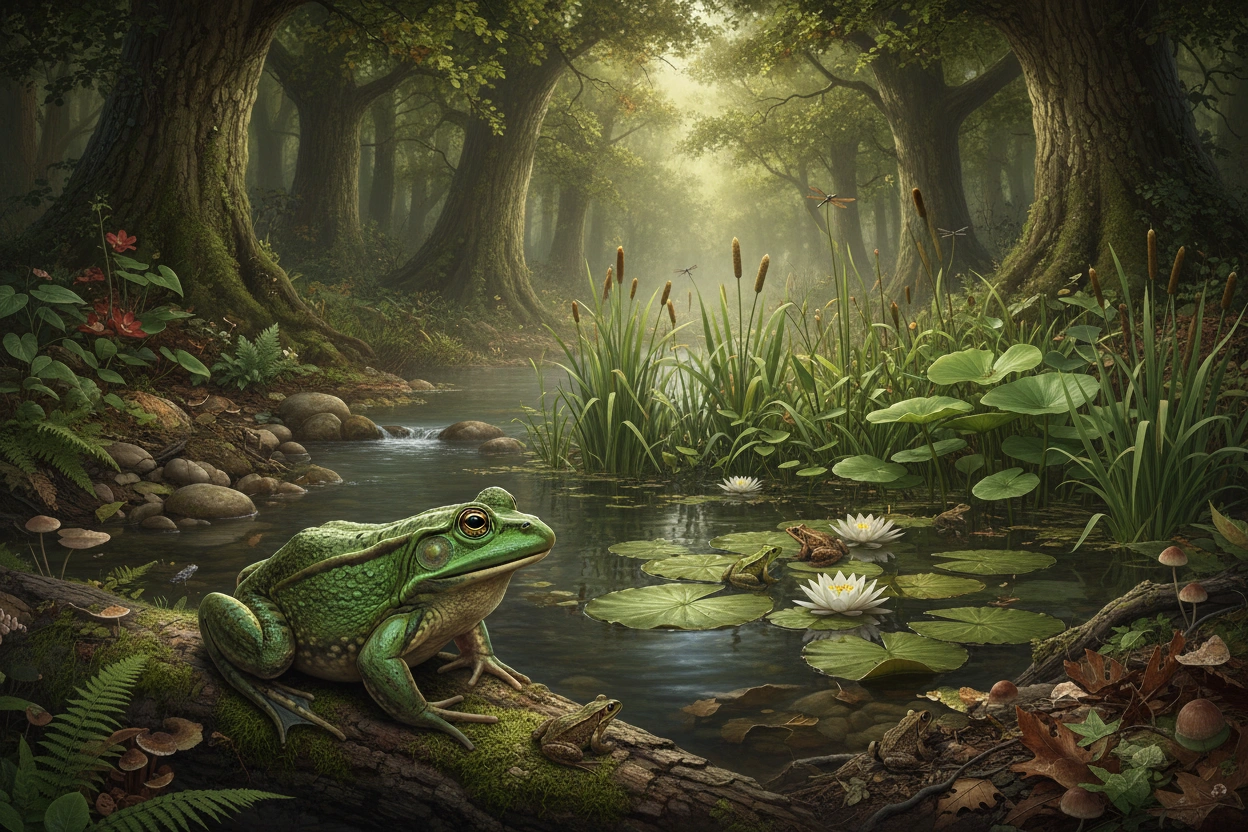
Frogs are sensitive to environmental changes, and their habitats are crucial for their survival. Common frog habitats include:
The life cycle of frogs heavily depends on the availability of suitable habitats. The aquatic environment is vital for the early stages of development, while terrestrial habitats are essential for adult frogs. Changes in habitat can disrupt this cycle, leading to population declines.
For instance, deforestation can result in the loss of breeding sites, while pollution can contaminate water sources, making them unsuitable for amphibians. amphibian life cycles are crucial for their survival.
Conservation efforts are crucial to reversing the decline of amphibian populations. Here are ten significant initiatives to consider supporting:
Habitat Restoration Projects
Protected Areas
Community Education Programs
Research and Monitoring
Invasive Species Management
Pollution Reduction Initiatives
Wildlife Corridors
Captive Breeding Programs
Legislation Support
Citizen Science Projects
By supporting these conservation efforts, individuals can play a significant role in protecting amphibian species and their habitats. unique amphibian characteristics are essential for their survival.
The Banana Slug Club is dedicated to promoting the conservation of amphibians and their habitats through education and outreach. By providing resources, tools, and community engagement opportunities, the club fosters a deeper understanding of these vital creatures.
The club hosts events, workshops, and volunteer opportunities that focus on amphibian conservation, allowing individuals to contribute actively to preserving these species. Engaging with the Banana Slug Club not only enhances your knowledge but also connects you with like-minded individuals passionate about wildlife conservation.
Now that you have a comprehensive understanding of amphibians, their habitats, and conservation efforts, you can make a difference. Whether you choose to support conservation initiatives, educate others, or simply appreciate the amphibians in your local area, every action counts.
To learn more about how you can get involved and make a positive impact, visit Banana Slug Club. Together, we can work towards a sustainable future for amphibians and ensure their survival for generations to come.
Get free resources, early access to new features and updates.
No spam. Just fun educational emails!


.svg)
.svg)