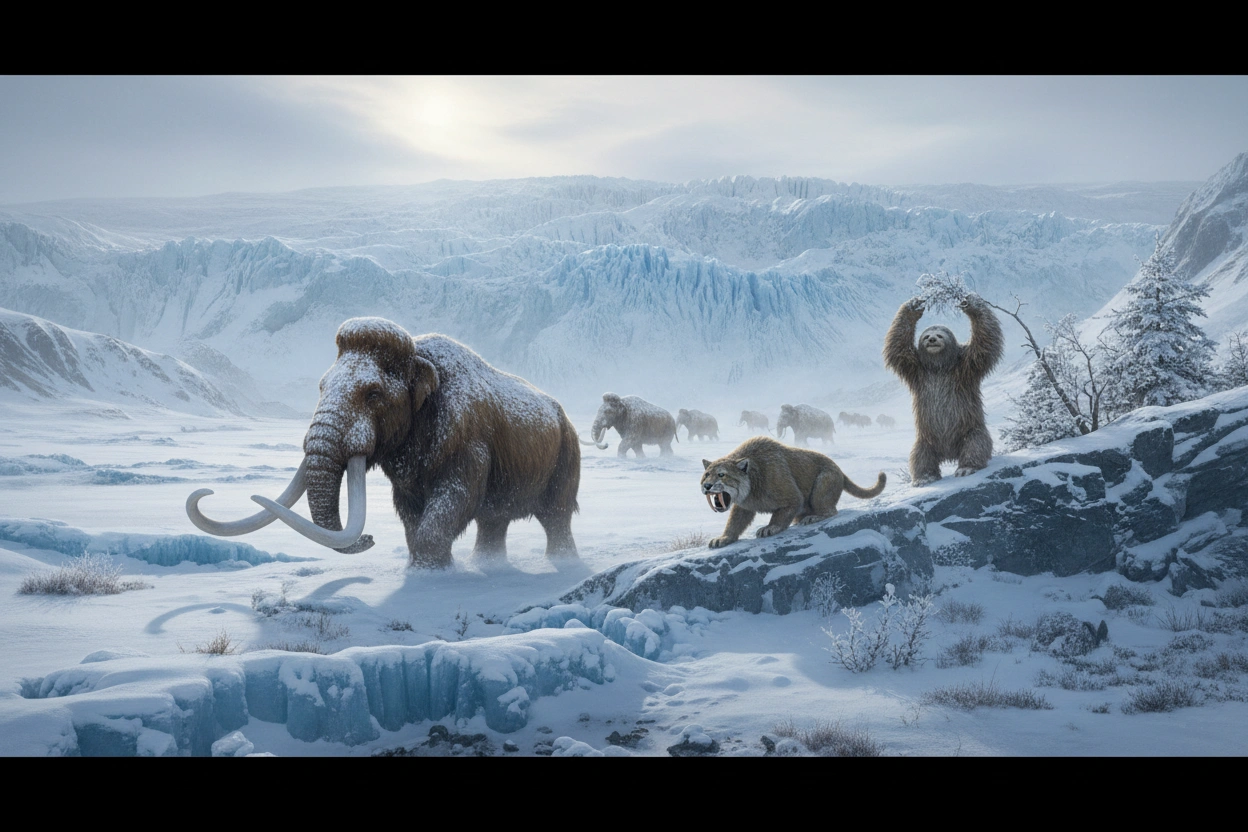
The Ice Age, a period marked by drastic climate changes and the advancement of glaciers, saw the rise and fall of many prehistoric animals. These ancient wildlife species faced immense challenges as they navigated shifting ecosystems and fluctuating temperatures. Understanding how these prehistoric animals adapted to survive the Ice Age extinctions provides valuable insights into resilience and adaptation in the face of adversity. This article explores the survival strategies of prehistoric animals and highlights some of the most fascinating extinct species that captured the imagination of scientists and enthusiasts alike.
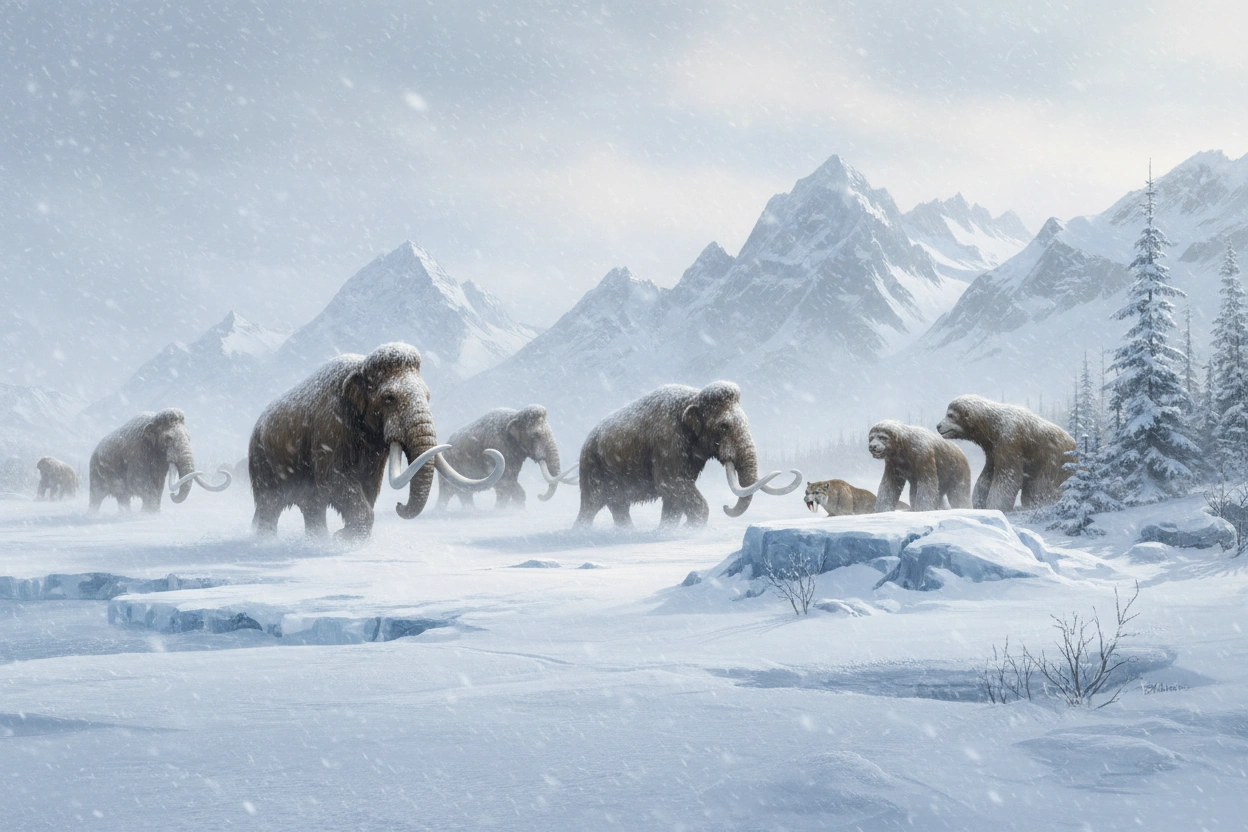
The Ice Age was characterized by extreme cold, which drastically altered the habitats of prehistoric animals. As temperatures dropped, vast areas of land were covered by ice sheets, while other regions became arid and inhospitable. These environmental changes forced many species to adapt rapidly or face extinction.
The challenges included:
These challenges necessitated innovative adaptations among prehistoric animals, enabling them to survive in a rapidly changing world.
Prehistoric animals exhibited various adaptations to cope with the harsh conditions of the Ice Age. These adaptations can be categorized into physical, behavioral, and ecological changes.
Physical adaptations were crucial for survival during the Ice Age. Many prehistoric animals developed features that enhanced their chances of survival in cold climates.
Behavioral adaptations allowed prehistoric animals to modify their habits in response to environmental pressures.
Ecological adaptations involved changes in the relationships between prehistoric animals and their environments.
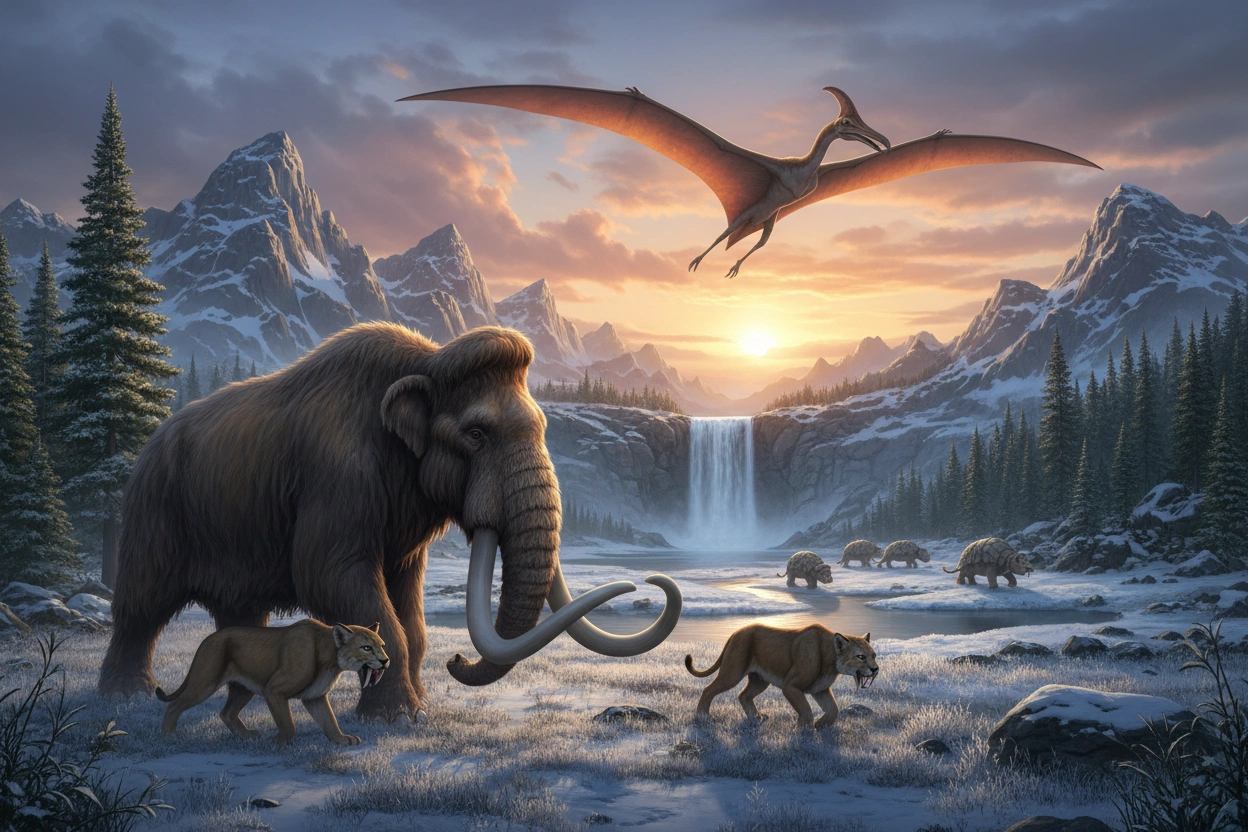
The Ice Age introduced a host of remarkable prehistoric animals, many of which have captivated the imagination of scientists and the public alike. Here are ten of the most fascinating extinct species that provide insight into the diversity of ancient wildlife.
The woolly mammoth is perhaps the most iconic Ice Age animal. These large herbivores roamed the northern tundras and were adapted to cold climates with their thick fur and fat layers. They primarily fed on grasses and shrubs, and their tusks were used for digging through snow to access food.
Known for their elongated canine teeth, saber-toothed cats were formidable predators. Their robust build and powerful forelimbs allowed them to take down large prey, including mammoths and bison. They likely relied on ambush tactics to hunt.
Mastodons were similar to mammoths but had a different dental structure suited for browsing on trees and shrubs. They inhabited forests and woodlands, showcasing a different ecological niche compared to their more open-range relatives.
The giant ground sloth, which could grow as large as a modern elephant, adapted to a herbivorous diet by developing massive claws for digging and foraging. They were primarily found in South America and were well-adapted to their environment.
This massive deer species is known for its enormous antlers, which could span up to 12 feet. The Irish elk was a herbivore that thrived in open grasslands and forests, showcasing significant sexual dimorphism in antler size.
The dire wolf was larger than the modern gray wolf and was a top predator during its time. Its adaptations included powerful jaws and strong limbs, which allowed it to hunt large prey effectively.
Adapted to cold climates, the woolly rhinoceros had a thick coat of fur and a stocky build. It primarily grazed on tough grasses and shrubs, navigating the icy tundra with ease.
The short-faced bear was one of the largest bear species to have existed. Its long legs allowed it to run quickly, and it was likely an omnivore, scavenging for food and hunting smaller animals.
Also known as the giant ground sloth, Megatherium was one of the largest land mammals of its time. It had a slow metabolism and primarily fed on leaves and fruits, showcasing unique adaptations for foraging.
The American lion was larger than today’s African lion and is believed to have hunted in packs. Its adaptations included powerful limbs and sharp claws, making it a formidable predator in its ecosystem.

Despite extensive research, many misconceptions about prehistoric animals persist. Addressing these misconceptions can enhance our understanding of ancient wildlife and their adaptations.
Many people associate dinosaurs with large sizes, but not all dinosaurs were massive. In fact, some were quite small, like the Compsognathus, which was about the size of a chicken. This highlights the diversity within the dinosaur clade.
Another common belief is that mammoths coexisted with dinosaurs. In reality, mammoths lived long after the last dinosaurs went extinct, around 65 million years ago. The Ice Age occurred approximately 2.6 million years ago, showcasing a significant time gap.
While saber-toothed cats are often referred to as "big cats," they were not closely related to modern felines. They belonged to a different subfamily called Machairodontinae, which showcases the diverse evolutionary paths taken by carnivorous mammals.
Studying how prehistoric animals adapted to survive the Ice Age can offer valuable lessons for modern species, including humans.
Adaptability is crucial for survival in a changing world. Just as prehistoric animals developed unique traits to cope with environmental pressures, modern species must also embrace change.
The extinction of prehistoric animals serves as a cautionary tale for current biodiversity. The secrets of prehistoric animals can help inform strategies to protect modern species facing similar threats.
Understanding the adaptations of prehistoric animals and their eventual extinctions highlights the need for conservation efforts today. The lessons learned from ancient wildlife can help inform strategies to protect modern species facing similar threats. How ancient wildlife and prehistoric animals shaped human evolution can guide our conservation efforts.
By promoting biodiversity and protecting habitats, we can ensure that future generations of both wildlife and humans continue to thrive. Organizations like Banana Slug Club advocate for environmental awareness and conservation initiatives, emphasizing the importance of learning from the past to safeguard our planet's future.
If you are interested in exploring how prehistoric animals adapted to survive and how those lessons can be applied today, consider engaging with conservation efforts.
To learn more about how you can support these initiatives, visit Banana Slug Club. Your involvement can make a significant impact on preserving our natural heritage.
Get free resources, early access to new features and updates.
No spam. Just fun educational emails!


.svg)
.svg)