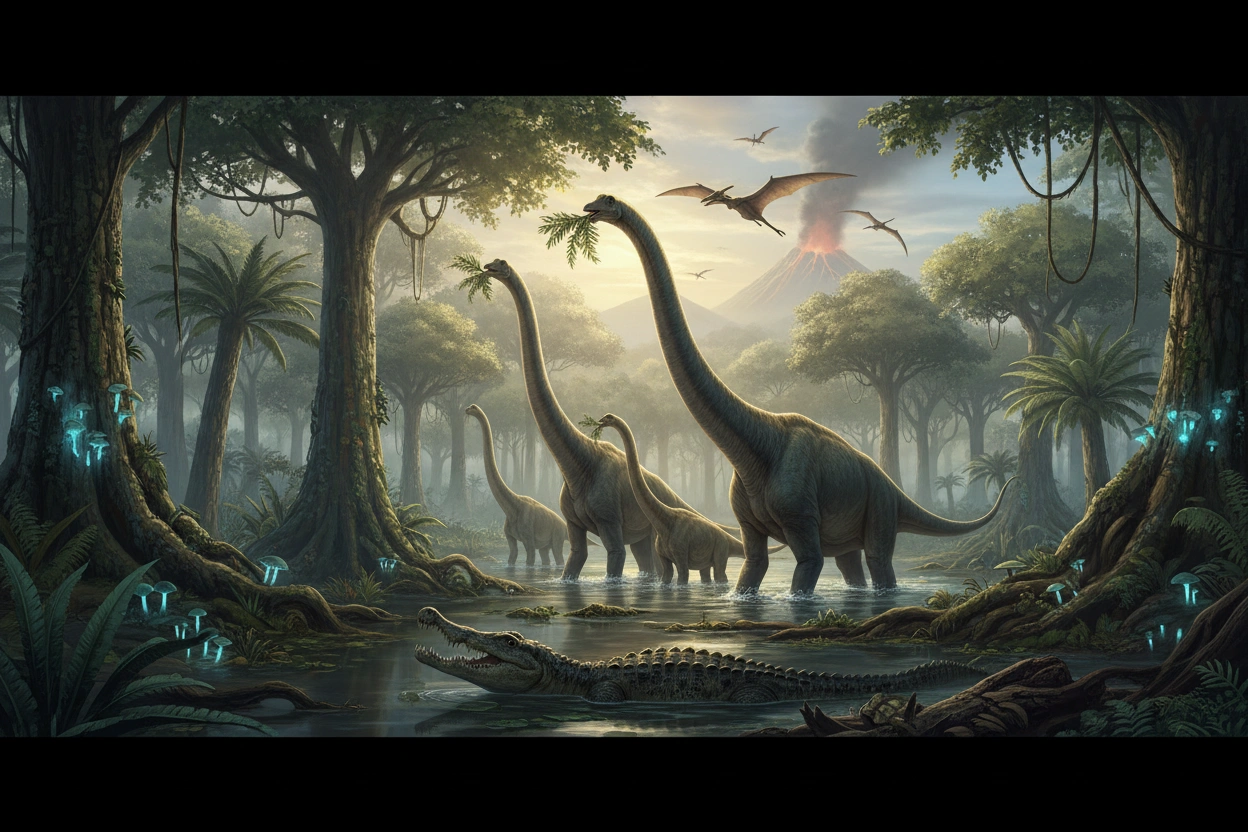
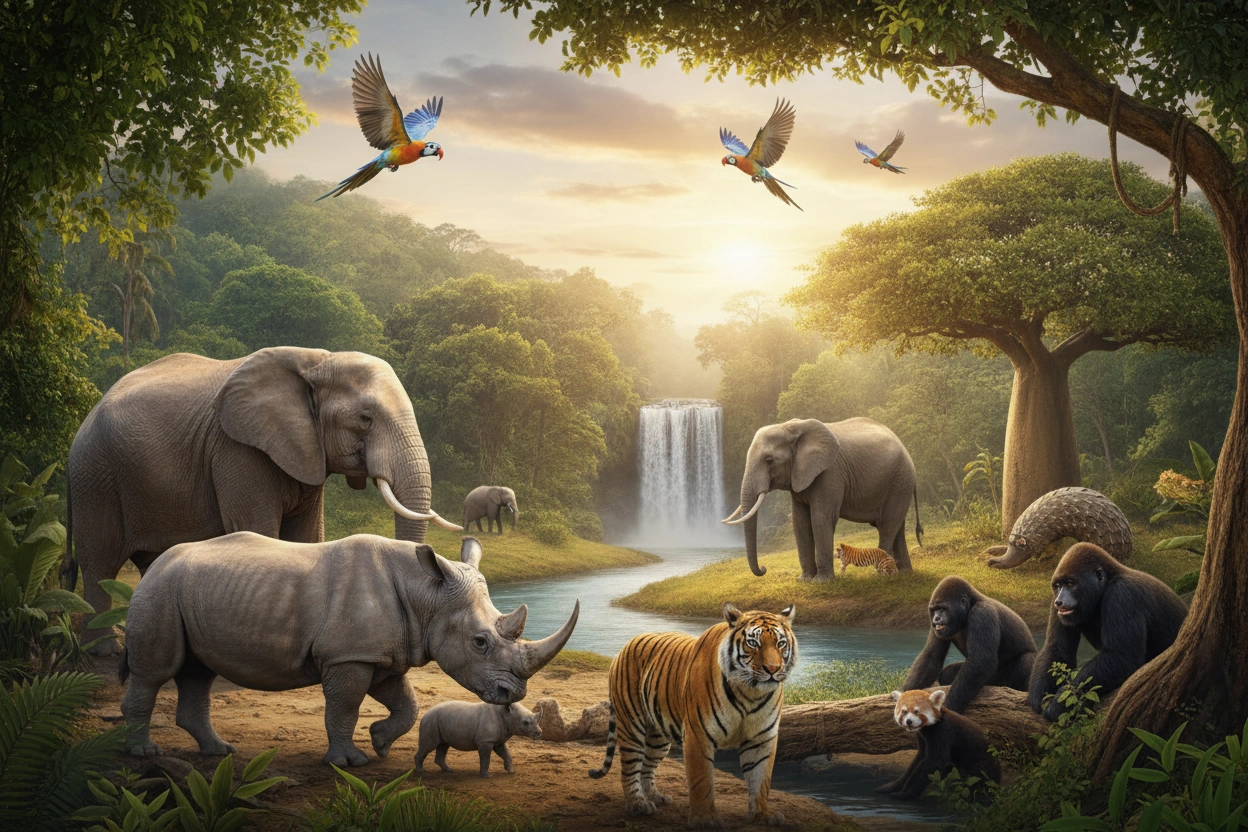
The story of human evolution is intricately woven with the tapestry of ancient wildlife and prehistoric animals. As the Earth transformed over millions of years, so too did the creatures that inhabited it. These prehistoric animals not only shaped ecosystems but also laid the groundwork for the evolution of our own species. Understanding this relationship provides valuable insights into how our ancestors adapted and thrived in a world filled with formidable creatures and diverse environments.
In this article, we will explore the fascinating ways in which prehistoric animals influenced human evolution. We will also delve into the top ten most intriguing extinct species that everyone should know about. This exploration will illuminate the connections between ancient wildlife and the development of early humans, showcasing how these interactions have shaped our biological and cultural heritage.
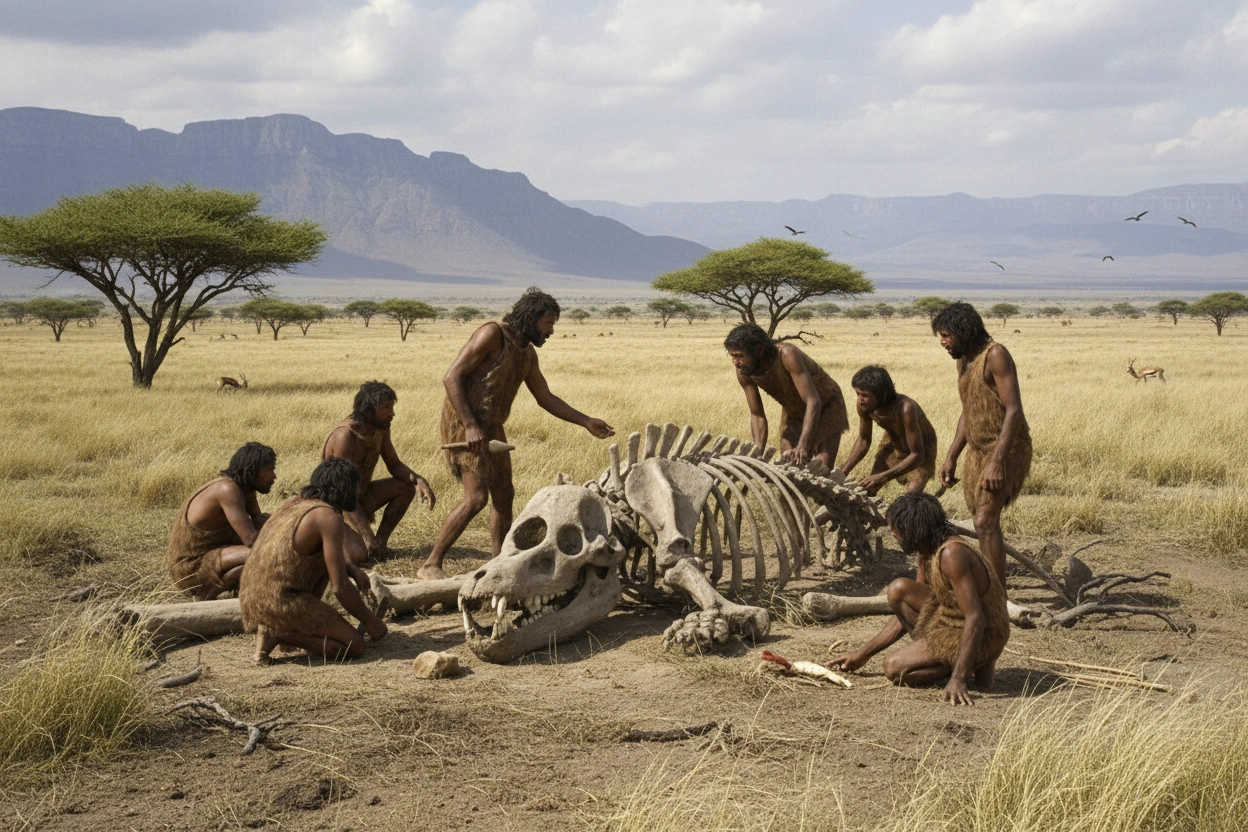
Prehistoric animals played a critical role in shaping the environment and the evolutionary path of early humans. The interactions between these ancient creatures and our ancestors were complex and multifaceted, influencing everything from diet to social behavior.
The ecosystems that prehistoric animals inhabited were dynamic and often hostile, requiring early humans to adapt in various ways. The presence of large predators, such as saber-toothed cats and mammoths, forced our ancestors to develop strategies for survival. They learned to work together in groups to hunt, which fostered social bonds and communication skills.
Adaptation to Climate Changes: As the planet underwent significant climatic shifts, the flora and fauna evolved accordingly. Early humans had to adapt their hunting and gathering strategies to align with the migration patterns of these animals. For example, during ice ages, large herbivores like woolly mammoths migrated to warmer regions, prompting early humans to follow them for sustenance.
Development of Tools: The challenges posed by prehistoric animals also spurred technological advancements. To hunt effectively, early humans developed specialized tools, such as spears and traps, which not only improved their chances of survival but also laid the foundation for future innovations in tool-making.
The impact of prehistoric animals extended beyond survival; they also influenced the cultural and spiritual lives of early humans. Many ancient cultures revered these animals, incorporating them into their mythology and art.
Symbolism in Art and Religion: Cave paintings found in regions like Lascaux in France depict various prehistoric animals, indicating their significance in the lives of early humans. These depictions often held spiritual meaning and reflected the relationship between humans and these powerful creatures.
Storytelling and Oral Traditions: The stories of encounters with prehistoric animals likely formed part of oral traditions, shaping the values and beliefs of early human societies. These narratives could have served as cautionary tales or celebrated the bravery of hunters, reinforcing social norms and community cohesion.

Exploring the most fascinating extinct animals provides a glimpse into the past and highlights the diversity of life that once roamed the Earth. Here are ten prehistoric animals that have captured the imagination of scientists and the public alike.
The woolly mammoth, a large herbivore adapted to cold climates, roamed across the northern parts of North America, Europe, and Asia. These massive creatures were closely related to modern elephants and had long, curved tusks that they used to dig through snow for vegetation.
Often mischaracterized as a direct ancestor to modern big cats, the saber-toothed cat is known for its elongated canine teeth. This predator was a formidable hunter, preying on large herbivores like bison and young mammoths. Its hunting strategies likely influenced early human tactics.
Also known as the giant ground sloth, Megatherium lived in South America during the Pleistocene epoch. This massive herbivore could weigh over a ton and was primarily a browser, feeding on leaves and shrubs. Its size and unique morphology present an interesting study in evolutionary adaptation.
The dodo bird is often cited as a cautionary tale of extinction due to human impact. Native to Mauritius, this flightless bird became extinct in the late 17th century following human colonization. The dodo serves as a reminder of the fragility of ecosystems and the consequences of invasive species.
One of the most iconic prehistoric animals, the Tyrannosaurus rex, roamed North America during the late Cretaceous period. As a top predator, its existence would have shaped the evolution of other species within its ecosystem, illustrating the interconnectedness of life forms.
This large flying reptile lived during the Late Cretaceous period and had a wingspan of up to 33 feet. Though not a dinosaur, Pteranodon played a significant role in its ecosystem as a top predator of the skies, likely influencing the behavior of terrestrial animals.
Similar in appearance to the woolly mammoth, mastodons were equipped with long tusks and a more robust body. They thrived in North America and were crucial to the diets of early humans, who hunted them for food and materials.
The woolly rhinoceros was adapted to cold climates, characterized by its thick fur and large horns. It roamed the tundras of Europe and Asia, and its presence would have significantly impacted the environment and the species that cohabited these regions.
Known for its enormous antlers, the Irish elk is one of the largest deer species to have ever existed. It lived across Europe and Asia during the Pleistocene and is thought to have played a role in shaping early human hunting practices.
This giant armadillo-like creature was covered in a protective shell and roamed South America during the Pleistocene. Its size and unique adaptations provide insights into the diverse strategies of prehistoric animals in response to environmental challenges.

The study of prehistoric animals not only enriches our understanding of the past but also sheds light on the evolutionary journey of humans. By examining the traits and behaviors of these ancient creatures, we can draw parallels to our own development.
Survival Strategies: The adaptations that prehistoric animals developed in response to their environments can inform modern conservation efforts. Understanding how these animals interacted with their ecosystems helps us navigate current challenges related to biodiversity loss and climate change.
Cultural Reflections: The stories and symbols derived from interactions with prehistoric animals continue to influence contemporary culture. Museums, literature, and media frequently reference these creatures, illustrating their lasting impact on human imagination and identity.
Despite extensive research, several misconceptions about prehistoric animals persist:
Misunderstanding of Size and Behavior: Many people assume that prehistoric animals were uniformly larger and more dangerous than modern species. However, size varied widely, and many prehistoric creatures exhibited behaviors similar to contemporary animals.
Linear Evolution: There is a common misconception that human evolution follows a linear path. In reality, it is a complex web of branching lineages influenced by numerous factors, including interactions with various prehistoric animals.
The lessons learned from prehistoric animals extend beyond mere curiosity; they have practical implications for how we understand evolution, ecology, and our own species' future. By studying these ancient wildlife forms, we can glean insights that inform our approaches to conservation, environmental stewardship, and even our cultural narratives.
As we continue to unearth more about our prehistoric past, organizations like the Banana Slug Club can play a vital role in fostering education and awareness about the importance of biodiversity and the impact of ancient wildlife on modern ecosystems.
The intersection of ancient wildlife and human evolution is a captivating subject that invites exploration and discussion. By understanding the profound influence of prehistoric animals, we can better appreciate our place within the natural world.
To further your knowledge and engage with like-minded individuals, consider reaching out to the Banana Slug Club. Whether you are interested in participating in discussions, educational programs, or conservation efforts, the Banana Slug Club offers a platform to connect with others passionate about the history of life on Earth.
Visit Banana Slug Club to learn more about how you can get involved and contribute to the ongoing conversation about the impact of prehistoric animals on our evolution and the world we inhabit today.
Get free resources, early access to new features and updates.
No spam. Just fun educational emails!


.svg)
.svg)