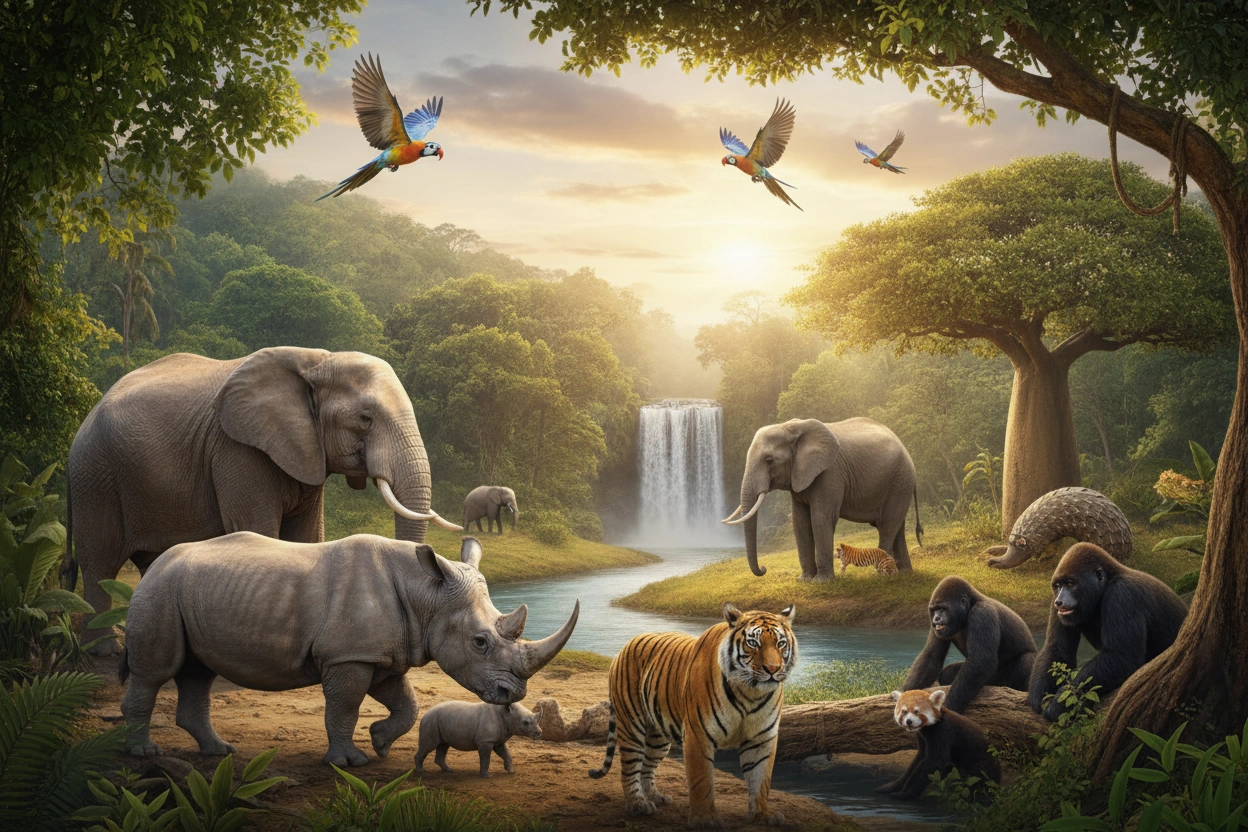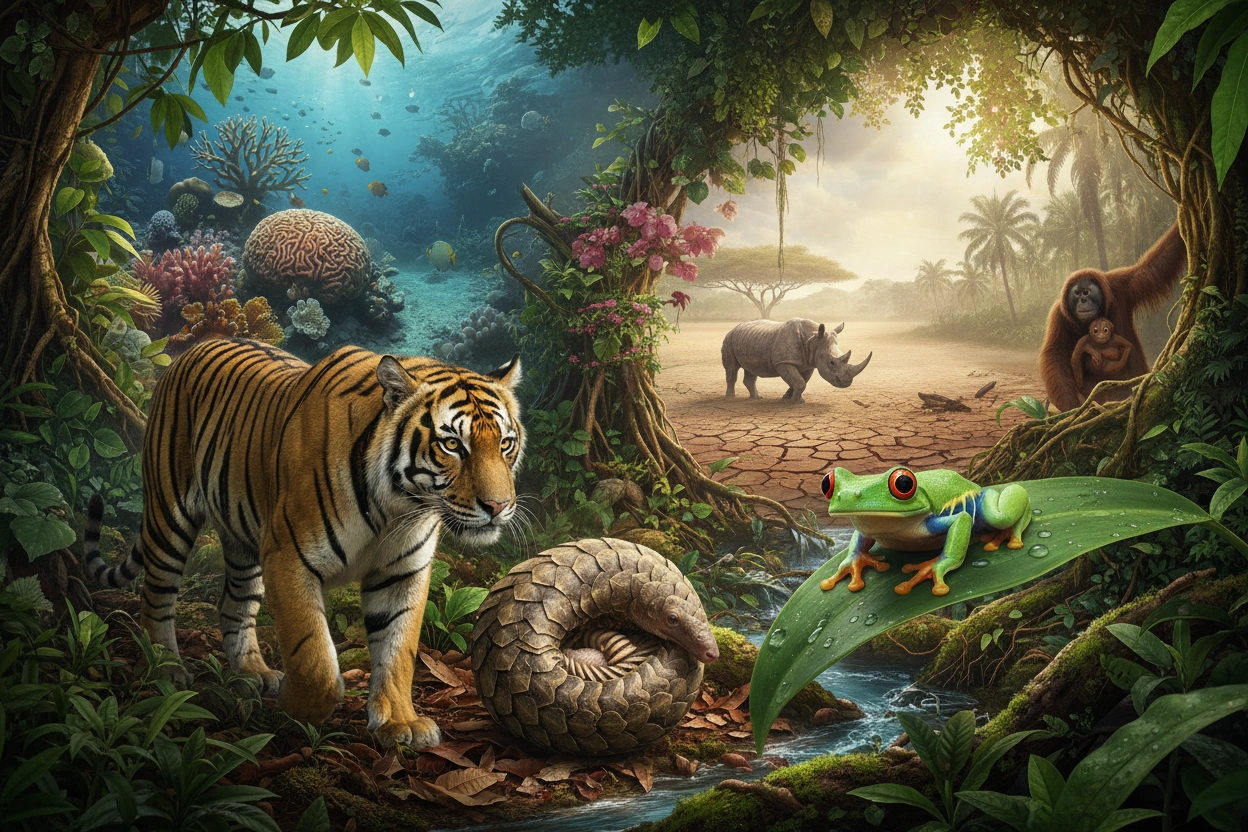
The world's biodiversity is under unprecedented threat, with many species teetering on the brink of extinction. Endangered animals not only represent a loss of wildlife but also signify the degradation of ecosystems that sustain life on Earth. The intricate web of life that connects these species plays a critical role in maintaining environmental stability, supporting human livelihoods, and enhancing our planet's health. Understanding the plight of these animals and the ecosystems they inhabit is crucial for effective conservation efforts and ensuring a sustainable future.
In this article, we will explore the concept of endangered animals, highlight the top ten endangered species you need to know about, and discuss the importance of conservation efforts in protecting these vital components of our planet's biodiversity.
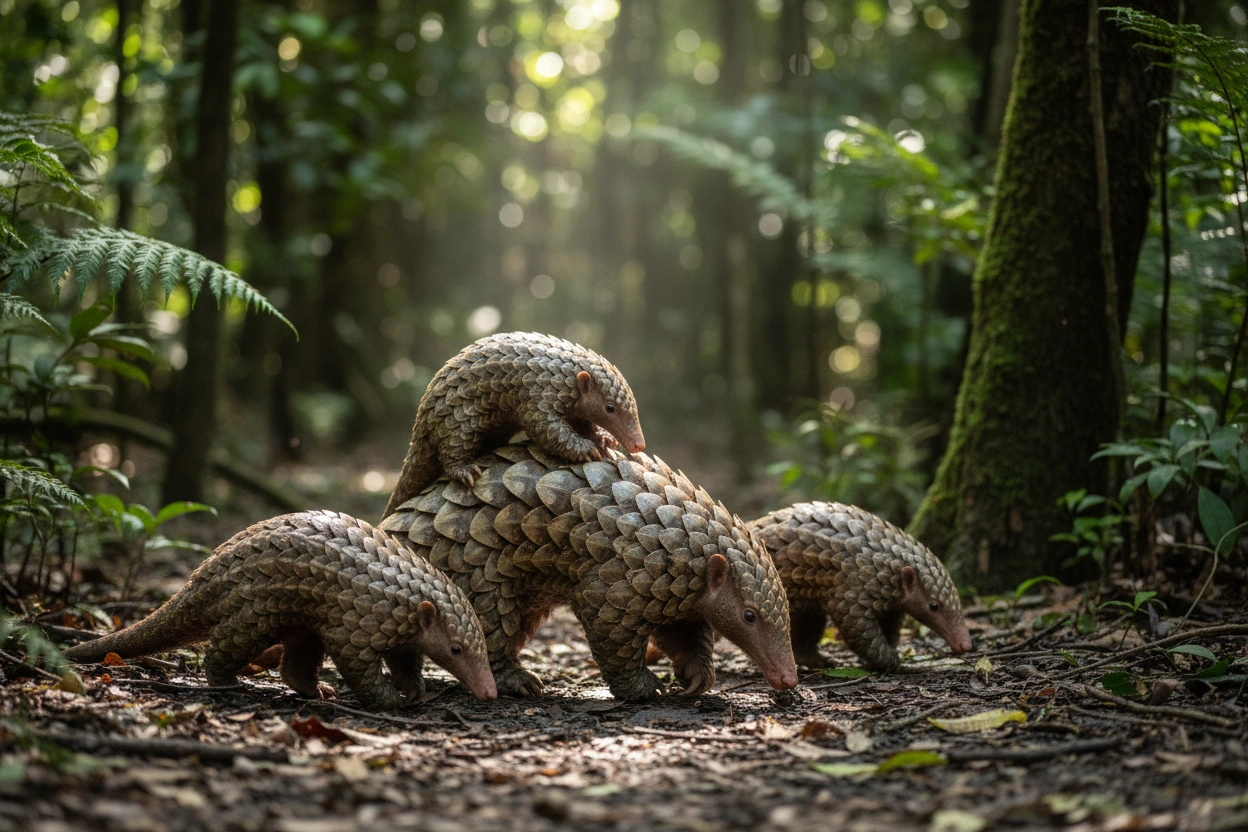
Endangered animals are species that face a high risk of extinction in the near future. The International Union for Conservation of Nature (IUCN) classifies species based on their risk levels, ranging from Least Concern to Critically Endangered. Factors contributing to the endangerment of these animals include habitat loss, poaching, climate change, and pollution.
Biodiversity refers to the variety of life on Earth, encompassing the diversity of species, ecosystems, and genetic variations. It is essential for several reasons:
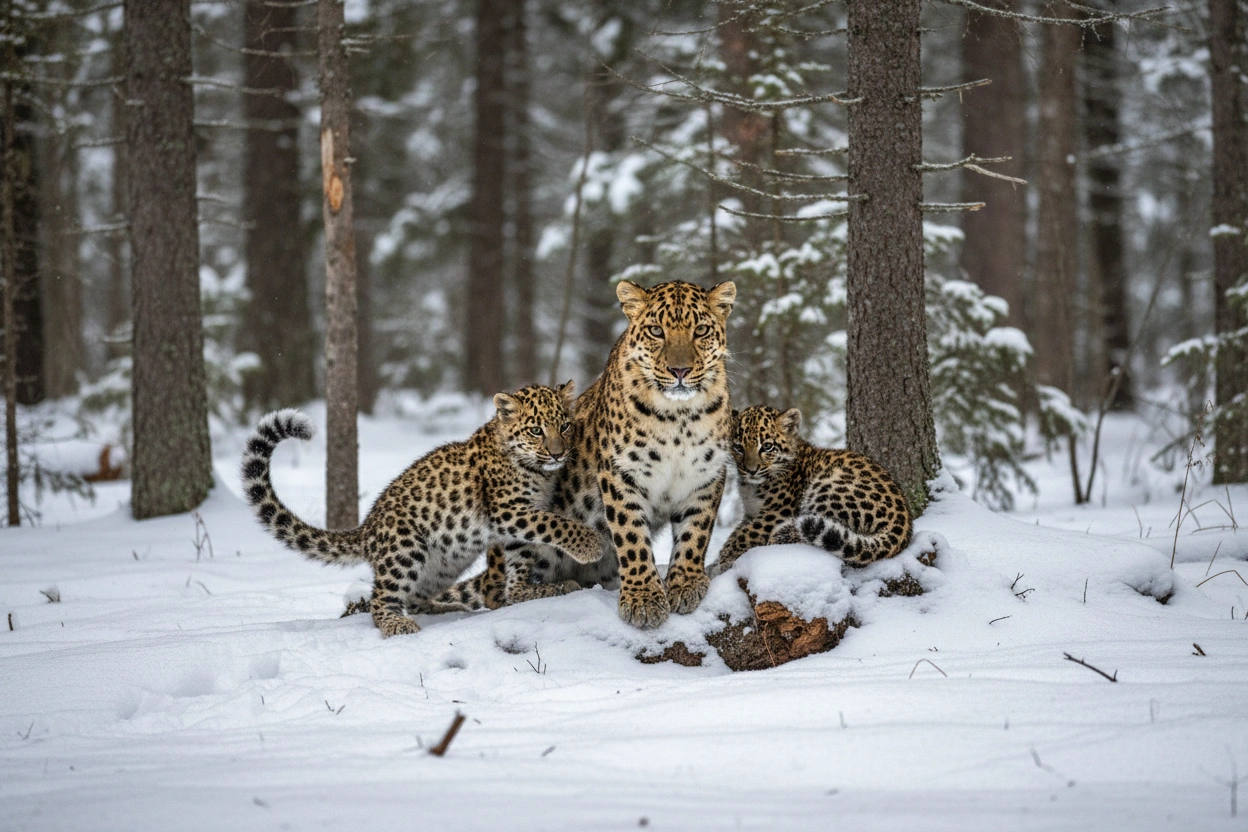
Amur Leopard
Sumatran Orangutan
Vaquita
Javan Rhino
Northern White Rhino
Asian Elephant
Snow Leopard
Hawksbill Turtle
Mountain Gorilla
California Condor
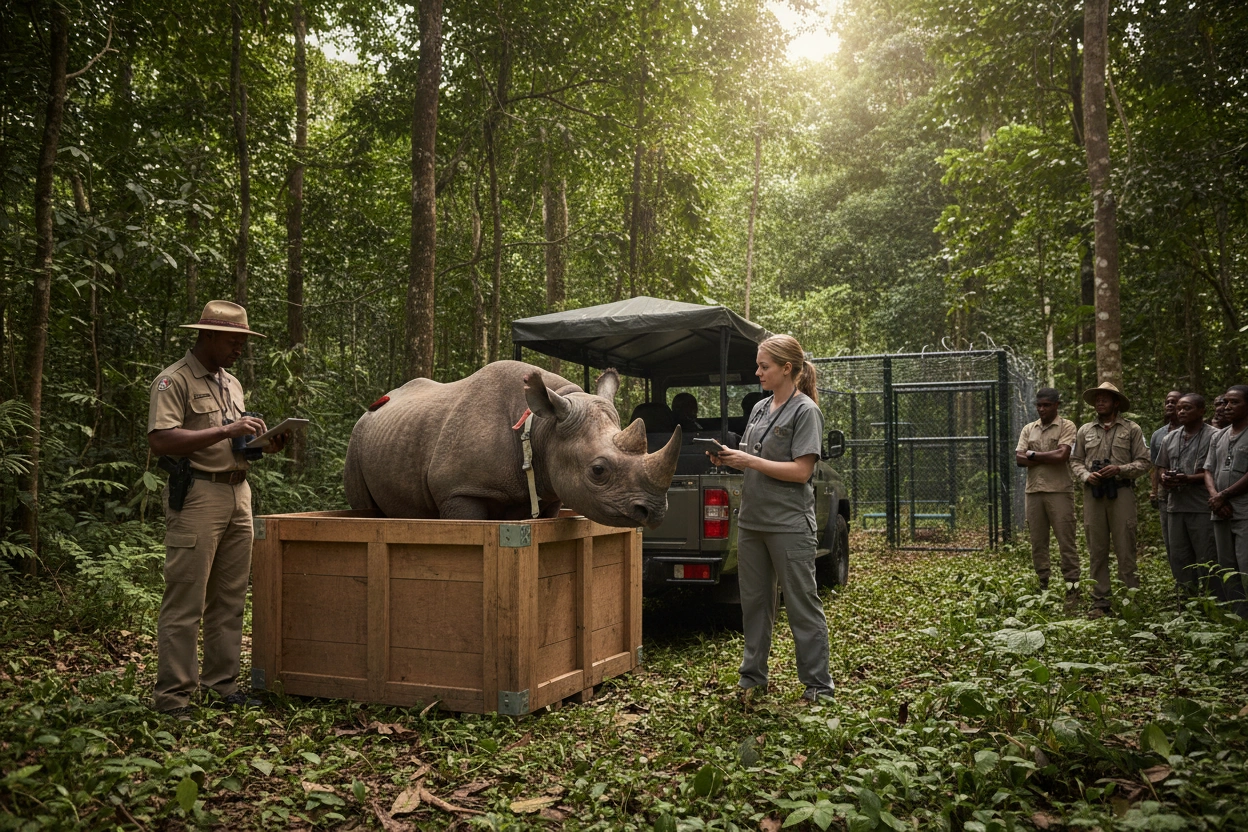
Conservation efforts play a vital role in protecting endangered animals and their ecosystems. These initiatives can take various forms, including habitat restoration, legal protections, and community engagement.
Restoring habitats that have been degraded or destroyed is essential for the survival of endangered species. This process involves:
Laws and regulations are crucial for the protection of endangered animals. Key measures include:
Engaging local communities in conservation efforts ensures sustainable practices and fosters a sense of stewardship. Effective strategies include:
Despite widespread awareness of endangered animals, several misconceptions persist that can hinder conservation efforts. Addressing these misconceptions is crucial for fostering a more informed public and encouraging action.
Many people believe that endangered animals are only located in remote or exotic locations. However, endangered species can be found in urban and rural areas worldwide. For example, the California condor has made a comeback in California, demonstrating that conservation efforts can succeed even in populated regions.
While governments play a significant role in conservation, individuals and organizations also have a part to play. Community-led initiatives, private organizations, and even individual actions can contribute to the protection of endangered animals and their habitats.
Not all endangered species face the same level of threat or have the same conservation needs. Some species may require immediate intervention, while others may benefit from long-term habitat management strategies. Understanding the specific needs of each species is essential for effective conservation planning.
The future of endangered animals hinges on collective action and innovative conservation strategies. As we face ongoing environmental challenges, such as climate change and habitat loss, it is imperative to adopt a multifaceted approach to conservation.
Advancements in technology offer new tools for conservationists. Examples include:
Conservation efforts must extend beyond national borders. Collaborative initiatives, such as cross-border wildlife corridors, can enhance habitat connectivity and promote species recovery. International cooperation is essential for addressing issues like poaching and illegal wildlife trade.
The fight to protect endangered animals is intrinsically linked to the preservation of ecosystems. By focusing on the broader context of biodiversity, we can create more effective conservation strategies that address the root causes of species decline.
At Banana Slug Club, we understand the importance of biodiversity and the critical role that every individual can play in the conservation of endangered animals. Our initiatives focus on educating the public about the importance of biodiversity and how they can contribute to conservation efforts in their communities.
By becoming involved in conservation activities, whether through education, volunteering, or supporting local wildlife organizations, individuals can make a meaningful impact in the fight against species extinction. To learn more about how you can contribute to the preservation of endangered animals and their ecosystems, visit Banana Slug Club. Together, we can make a difference in safeguarding our planet's biodiversity for future generations.
Get free resources, early access to new features and updates.
No spam. Just fun educational emails!


.svg)
.svg)