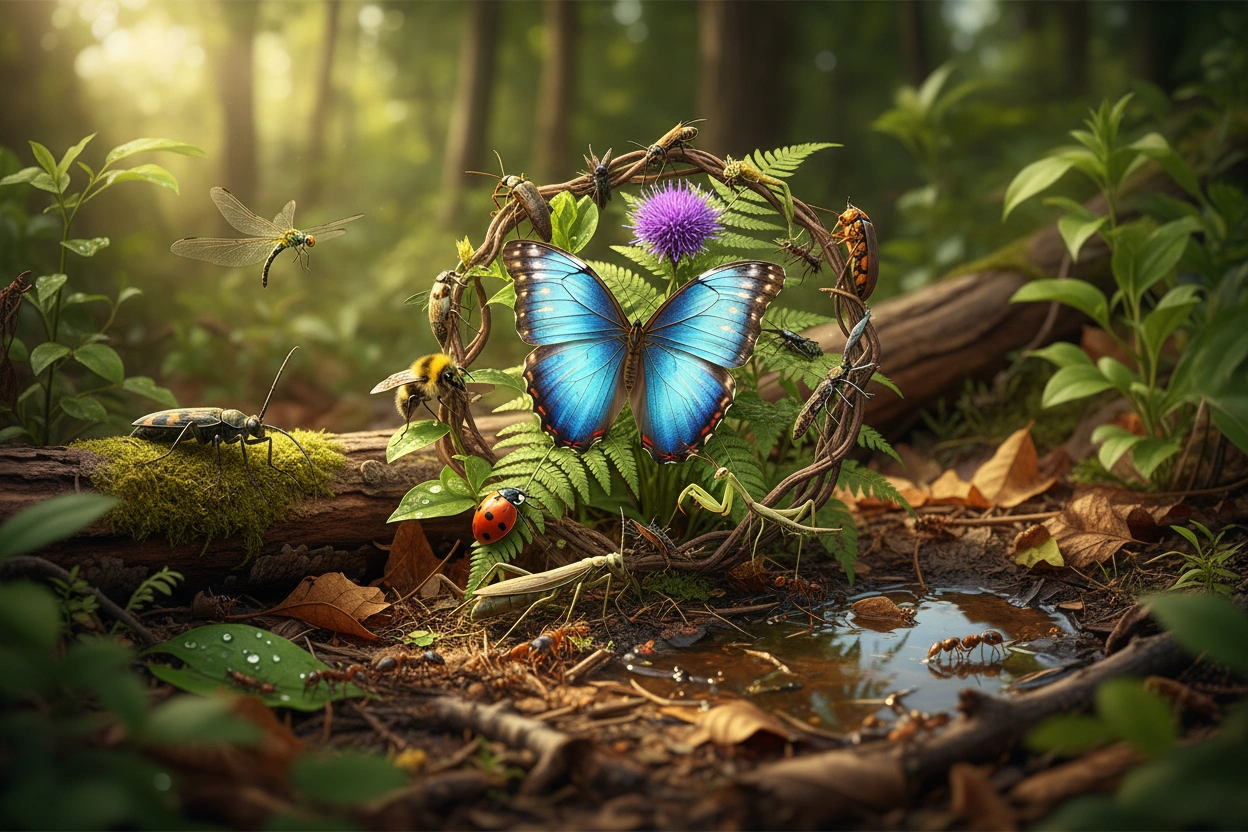
Insects are often overlooked in discussions about biodiversity, yet they represent one of the most diverse groups of organisms on our planet. With millions of species identified and countless more yet to be described, insects play crucial roles in ecosystems, agriculture, and even human health. Understanding insect biodiversity is not just an academic pursuit; it has real-world implications for conservation efforts, agricultural practices, and ecosystem management. This article delves into the fascinating world of insects, exploring their diversity, significance, and some of the most captivating insect species that inhabit our planet.

Insects are vital to the health of ecosystems and human society. They contribute to pollination, nutrient recycling, and pest control, which are essential processes for maintaining ecological balance. The loss of insect biodiversity can lead to severe consequences, including reduced crop yields, disrupted food chains, and diminished natural pest control.
Insects provide a variety of ecosystem services that are crucial for the functioning of our environment. Some of the key services include:
Despite their importance, insect populations are declining at an alarming rate due to various factors:

Insect species identification can be a thrilling endeavor, revealing the rich diversity of life forms that exist. Here are ten of the most fascinating insect species, each with unique characteristics that make them stand out.
The Monarch butterfly is renowned for its incredible migration, traveling thousands of miles from North America to central Mexico. These butterflies are not only visually stunning with their orange and black wings but also play a vital role in pollination.
The Bombardier beetle is famous for its unique defense mechanism. When threatened, it can eject a hot, noxious chemical spray from its abdomen, deterring predators. This fascinating adaptation showcases the complexity of insect defense strategies.
Resembling a flower, the Orchid mantis is a master of camouflage. This insect uses its flower-like appearance to attract prey, primarily pollinators, making it a remarkable example of evolutionary adaptation.
One of the largest insects in the world, the Goliath beetle can weigh over 3 ounces and measure up to 4.3 inches in length. These beetles are not only impressive in size but also exhibit striking coloration and patterns.
Fireflies are enchanting insects known for their bioluminescent abilities. The light produced by fireflies is used for communication during mating rituals, making them a captivating subject of study in both ecology and biology.
Green lacewings are beneficial insects that are voracious predators of aphids and other garden pests. Their larvae, often referred to as "aphid lions," are particularly effective in controlling pest populations, making them valuable allies for gardeners. natural pest control.
The Hercules beetle is recognized for its impressive size and strength. Males can lift objects over 850 times their body weight, making them one of the strongest insects. Their distinctive horns add to their striking appearance.
Stag beetles are notable for their large mandibles, which resemble antlers. These mandibles are used in combat between males during mating season, showcasing interesting behaviors in the animal kingdom.
The Atlas moth is one of the largest moths in the world, with a wingspan that can reach up to 12 inches. Found in Southeast Asia, its stunning coloration and patterns make it a subject of fascination for entomologists and nature enthusiasts alike.
Cicadas are known for their unique life cycles, spending years underground before emerging to mate. Their distinctive songs, produced by males, are a hallmark of summer and serve as a form of communication.
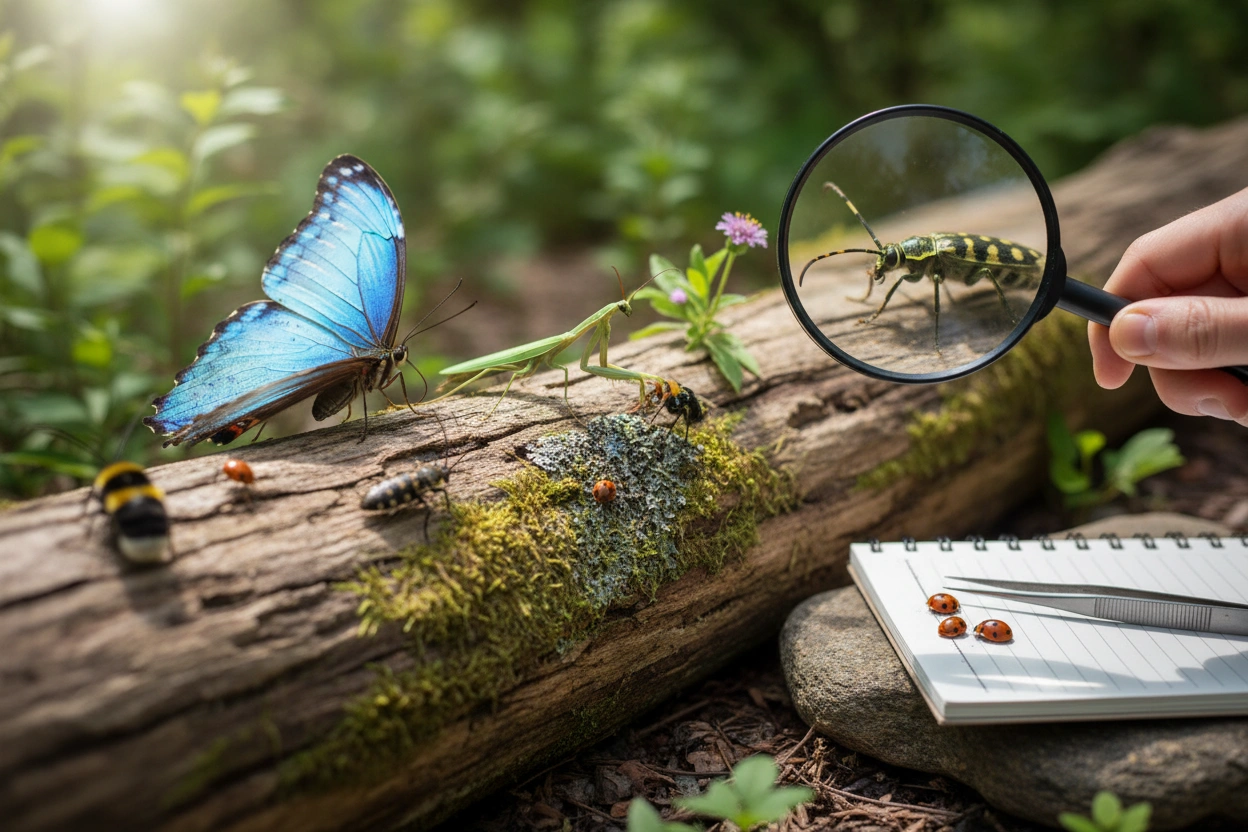
Insect species identification is a crucial aspect of studying biodiversity. Accurate identification helps researchers understand ecological relationships, monitor populations, and implement conservation strategies. Here are some effective methods for identifying insect species.
Field observations can provide valuable insights into insect behavior and ecology. When identifying insects in their natural habitats, consider the following:
Field guides and identification keys are essential tools for accurately identifying insect species. Here are some recommendations:
Citizen science projects offer valuable opportunities for insect species identification while contributing to scientific research. Participating in these initiatives can enhance your skills and broaden your understanding of insect biodiversity. Consider the following:
Despite their importance, many misconceptions about insects persist. Addressing these misconceptions is crucial for fostering a greater appreciation for insect biodiversity.
While some insects can be pests, the vast majority play critical roles in ecosystems. Insects such as pollinators, decomposers, and natural pest controllers contribute positively to human agriculture and the environment. the importance of insects.
Although some insects can pose health risks, most species are harmless to humans. In fact, many insects are beneficial, contributing to biodiversity and ecological balance. Educating the public about the importance of insects can help dispel fear and promote conservation efforts.
While many insects are indeed small, some species, like the Goliath beetle and Atlas moth, can be quite large. The diversity in size among insect species reflects the vast range of adaptations and ecological niches they occupy. the evolution of insects.
As we continue to learn about the importance of insects, taking action to conserve their populations is vital. Here are several strategies individuals can implement to promote insect conservation:
Various organizations are dedicated to the conservation of insect biodiversity. Collaborating with these groups can amplify efforts and enhance awareness. Some notable organizations include:
Insects are a vital part of our ecosystem, contributing significantly to biodiversity and ecological balance. By understanding their importance and actively engaging in conservation efforts, we can help protect these remarkable creatures for future generations.
Insects are a key component of our planet's biodiversity, and understanding their roles can inspire action towards their conservation. The Banana Slug Club is dedicated to promoting environmental awareness and conservation efforts, including those focused on insects. By engaging with the Banana Slug Club, you can learn more about the fascinating world of insects and how to contribute to their preservation.
If you want to dive deeper into the world of insects and explore ways to protect their biodiversity, visit Banana Slug Club. Together, we can make a difference in conserving the incredible diversity of life on Earth.
Get free resources, early access to new features and updates.
No spam. Just fun educational emails!


.svg)
.svg)