Insects have been both allies and adversaries in the realm of agriculture. While some are notorious for causing damage to crops, others play a crucial role in maintaining ecological balance and promoting plant health. Understanding the benefits of insects in agriculture, particularly their role in natural form of pest control, is essential for modern farming practices. This article delves into the multifaceted contributions of insects, explores fascinating insect species, and highlights the importance of preserving insect populations for effective pest management strategies.

Insects contribute to agriculture in numerous ways, from pollination to pest control. Their ecological roles are integral to sustainable farming practices. As we move towards more eco-friendly agricultural methods, the importance of recognizing beneficial insects cannot be overstated.
Insects, particularly bees and butterflies, are vital pollinators for many crops. It is estimated that about 75% of flowering plants depend on animal pollinators, with insects being the most efficient. These insects facilitate the reproduction of plants by transferring pollen from male to female flowers, leading to fruit and seed production.
The economic impact of insect pollination is staggering. In the United States alone, insect pollination contributes approximately $15 billion annually to crop production. This highlights the importance of preserving insect populations, as their decline could significantly impact food security and agricultural profitability.
Beneficial insects, such as ladybugs, lacewings, and predatory wasps, are nature's pest control agents. They help manage pest populations by preying on harmful insects, thus reducing the reliance on chemical pesticides. This natural form of pest control is not only environmentally friendly but also promotes biodiversity within agricultural ecosystems.
The use of beneficial insects for pest control, known as biological control, can lead to healthier crops and reduced chemical residues in food products. Farmers who implement these practices often find that their yields increase due to improved plant health and reduced pest damage.

Understanding specific insect species can enhance pest management strategies. Here are ten fascinating insect species that play crucial roles in agriculture:
Ladybugs are well-known for their ability to consume aphids, scale insects, and other pests. A single ladybug can eat up to 5,000 aphids in its lifetime, making it a powerful ally for farmers.
Lacewings are voracious predators of aphids, caterpillars, and thrips. Their larvae, known as "aphid lions," are particularly effective in controlling pest populations.
Praying mantises are generalist predators that consume a wide variety of insects. Their unique hunting style and ability to catch pests make them valuable in gardens and agricultural fields.
These tiny wasps lay their eggs inside or on the bodies of pest insects. As the larvae develop, they consume the host insect, effectively controlling pest populations.
Ground beetles are beneficial predators of soil-dwelling pests such as grubs and caterpillars. Their presence can significantly reduce pest populations in the soil.
Hoverflies resemble bees and are important pollinators. Their larvae feed on aphids, making them dual-purpose insects for farmers.
While some ant species can be pests, many are beneficial. They help aerate the soil and can protect plants from harmful insects by preying on them.
Many beetle species, such as rove beetles, are effective predators of various agricultural pests. Their diverse feeding habits contribute to pest management.
Dragonflies are not only beautiful but also fierce predators of mosquitoes and other flying insects. Their presence in agricultural areas can help control pest populations.
Bumblebees are excellent pollinators for many crops, including tomatoes and peppers. Their ability to perform "buzz pollination" enhances fruit set and yields.
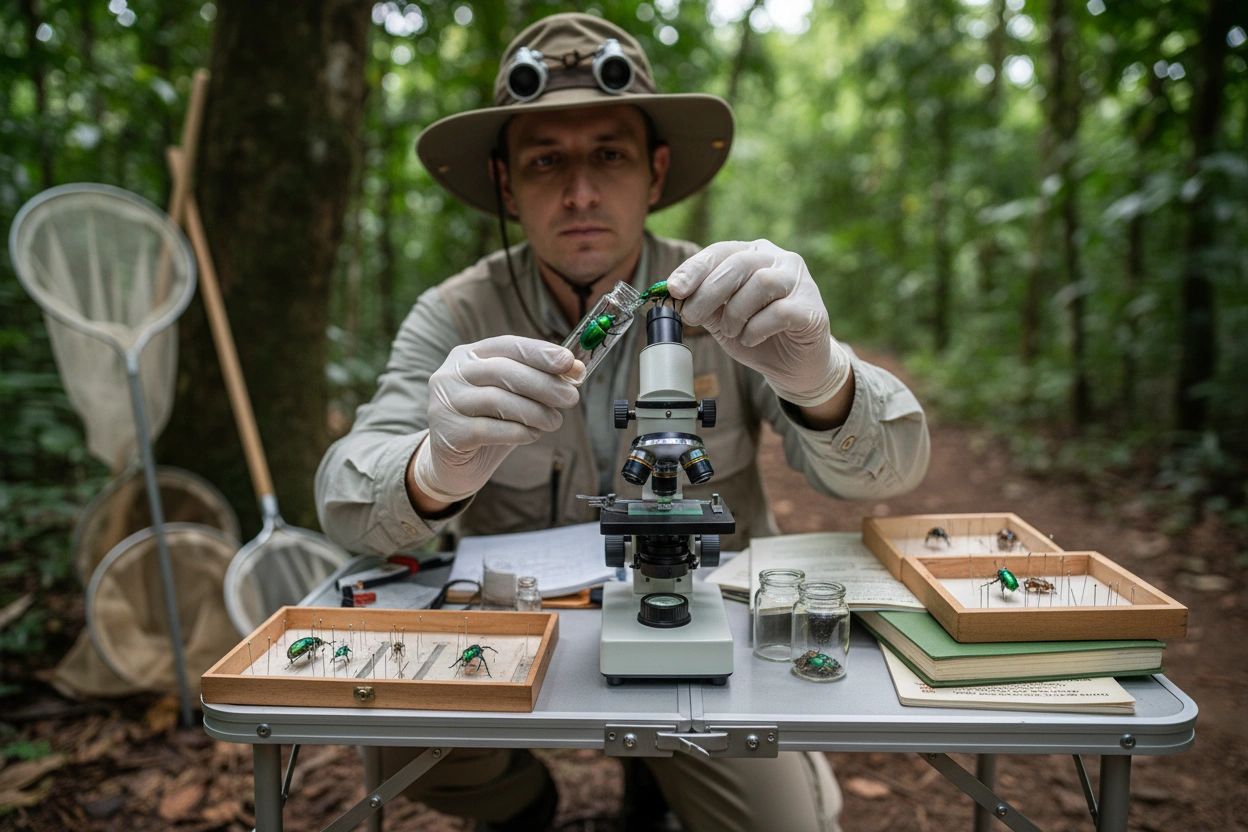
Effective pest management hinges on accurate insect species identification. By distinguishing between beneficial and harmful insects, farmers can implement targeted strategies that enhance crop health and yield. Here are some key points to consider:
Farmers should familiarize themselves with beneficial insect species and their characteristics. This knowledge allows for the protection and encouragement of these allies in pest management. Using field guides or mobile apps can assist in identifying insect species accurately.
Regular monitoring of insect populations is crucial for understanding pest dynamics. Farmers can use traps, visual inspections, and monitoring software to track pest populations and identify potential outbreaks early.
Incorporating insect species identification into an Integrated Pest Management (IPM) strategy allows farmers to make informed decisions about pest control. IPM combines biological, cultural, physical, and chemical tools to minimize pest damage while reducing environmental impact.
Despite their benefits, misconceptions about insects in agriculture persist. Addressing these misunderstandings is crucial for promoting sustainable practices.
Many people assume that all insects are pests. However, a significant number of insect species are beneficial and contribute to ecosystem health. Understanding the roles of various insects can lead to better management strategies.
While chemical pesticides can be effective, they often come with drawbacks such as resistance development and environmental harm. Emphasizing biological control methods, including the use of beneficial insects, can provide sustainable alternatives.
Insect populations can fluctuate significantly due to environmental factors and human activities. Recognizing these dynamics is essential for effective pest management and agricultural planning.
Implementing insects as a natural pest control method requires strategic planning and execution. Here are some actionable steps for farmers:
Understanding the role of insects in agriculture is vital for promoting sustainable practices. As farmers face challenges related to pest management and environmental sustainability, leveraging the natural benefits of insects can lead to innovative solutions.
Incorporating beneficial insects into agricultural practices not only enhances crop health but also fosters a more balanced ecosystem. As we continue to explore the intricacies of agricultural practices, the importance of insects cannot be overstated.
Banana Slug Club is dedicated to empowering farmers and agricultural enthusiasts with the knowledge and tools necessary to embrace sustainable practices. By understanding the benefits of insects in agriculture, you can enhance your pest management strategies and contribute to a healthier ecosystem.
For more insights on sustainable agriculture and to learn how to effectively utilize beneficial insects, visit Banana Slug Club. Let's work together to foster a healthier agricultural landscape.
Get free resources, early access to new features and updates.
No spam. Just fun educational emails!


.svg)
.svg)