Common Crustaceans Mistakes and How to Avoid Them for Beginners

No items found.
Updated on:
August 22, 2026
Avoid Common Crustaceans Mistakes for Beginners
Updated on:
August 22, 2026

Common Crustaceans Mistakes and How to Avoid Them for Beginners

Understanding crustaceans is crucial for anyone interested in marine life or looking to keep these fascinating creatures in an aquarium. Crustaceans, which include species like shrimp, crabs, and lobsters, are diverse and play significant roles in aquatic ecosystems. However, beginners often encounter challenges when caring for these animals, leading to common mistakes that can jeopardize their health and wellbeing. This article will explore these common pitfalls and provide actionable strategies for avoiding them, ensuring a more successful experience with crustaceans.
Understanding Crustaceans

Professional image illustrating Understanding Crustaceans

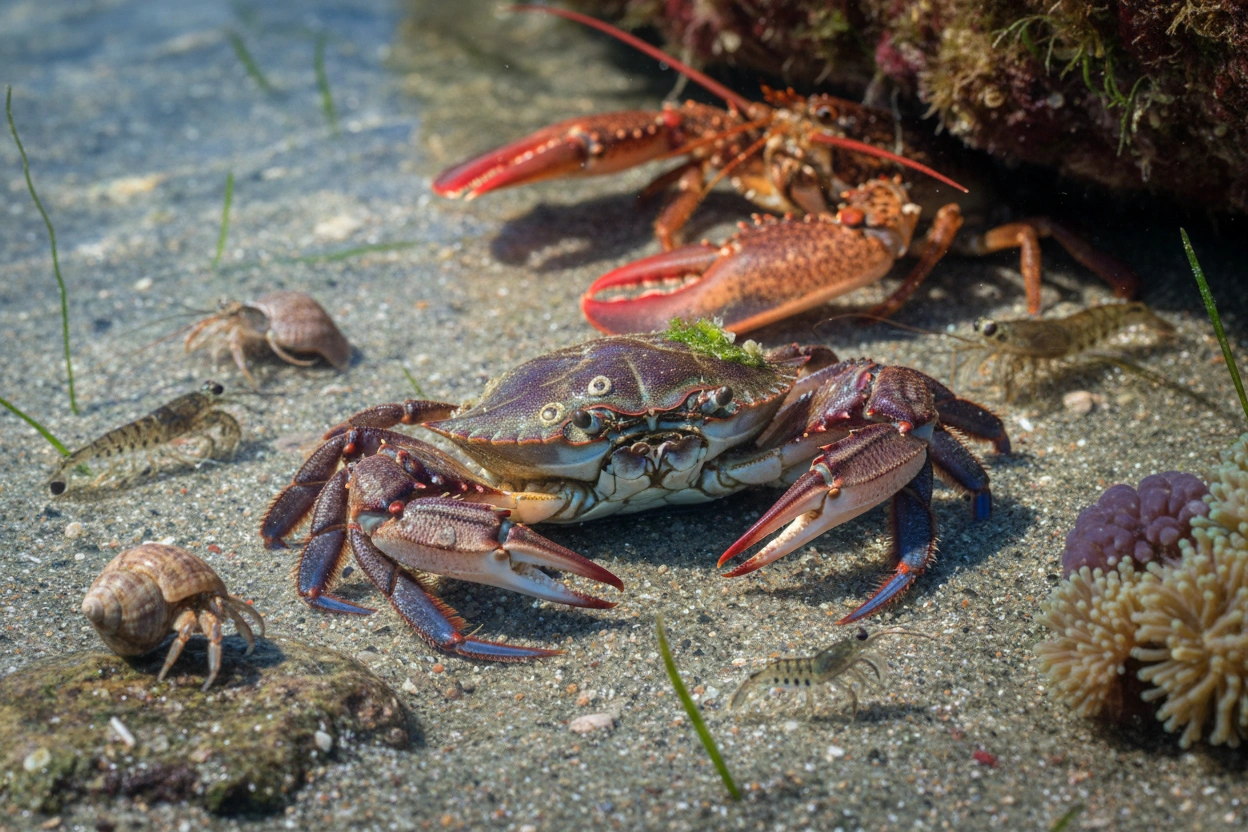
Crustaceans belong to the class Malacostraca and are characterized by their segmented bodies, hard exoskeletons, and jointed limbs. They are found in a variety of environments, from freshwater to marine ecosystems, and are essential components of food chains. The diversity of crustaceans means that their care can vary significantly based on species, habitat needs, and diet.

When starting with crustaceans, it is vital to conduct thorough research. A basic crustaceans guide can help beginners understand the specific requirements for their chosen species. This knowledge will lay the foundation for successful care and avoid common mistakes.

Importance of Research

Researching crustaceans is essential for several reasons:
  • Species-Specific Needs: Different species have unique habitat, dietary, and environmental requirements. Understanding these needs is crucial for their survival.
  • Health Management: Familiarity with common diseases and health issues in crustaceans enables better preventative care.
  • Behavioral Insights: Knowledge of social behaviors helps prevent stress and aggression among tank mates, particularly in species that may exhibit territorial tendencies.

Common Mistakes When Keeping Crustaceans

Professional image illustrating Common Mistakes When Keeping Crustaceans

Despite the excitement of keeping crustaceans, beginners often make mistakes that can lead to serious consequences. Here are some of the most prevalent errors:

1. Inadequate Tank Setup

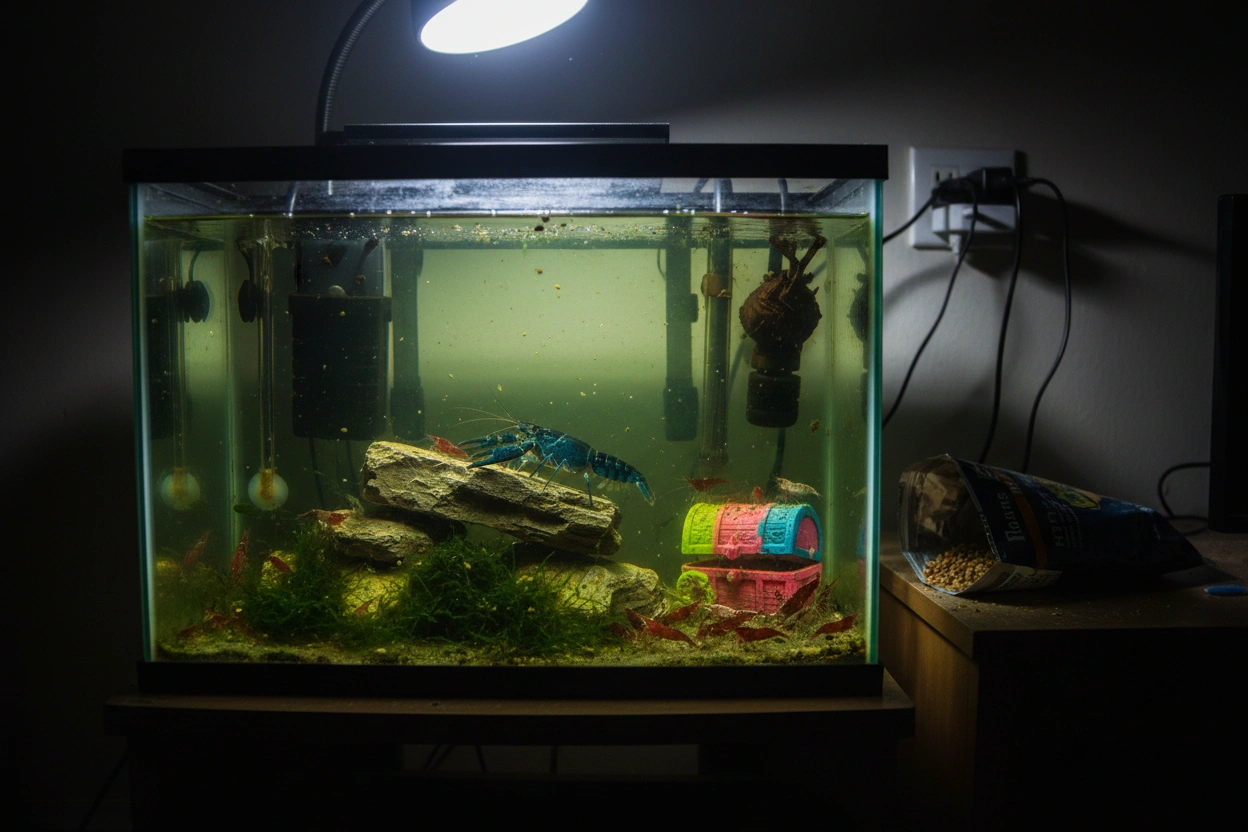
A proper tank setup is vital for the health of crustaceans. Many beginners underestimate the importance of creating a suitable environment.

  • Water Parameters: Crustaceans require specific water conditions, including temperature, pH, and salinity. Regular testing and adjustments are necessary to maintain optimal conditions.
  • Filtration and Aeration: Inadequate filtration can lead to poor water quality, which is detrimental to crustaceans. Ensure a strong filter and proper aeration to keep the water clean and oxygenated.

2. Overfeeding

Feeding crustaceans may seem straightforward, but overfeeding is a common mistake that can lead to health issues.

  • Diet Variety: Crustaceans benefit from a varied diet that includes algae, pellets, and occasional protein sources like brine shrimp. However, it is important to avoid overfeeding, as uneaten food can pollute the tank.
  • Portion Control: A good rule of thumb is to feed crustaceans only what they can consume in a few minutes. This prevents waste and maintains water quality.

3. Ignoring Compatibility

Crustaceans can be territorial or aggressive, especially when housed with incompatible species.

  • Research Compatibility: Before introducing new tank mates, research which species are compatible. Avoid mixing aggressive crustaceans with peaceful species to prevent stress and injury.
  • Monitoring Behavior: After introducing new inhabitants, closely monitor their interactions to ensure they coexist peacefully.

4. Neglecting Regular Maintenance

Regular maintenance is crucial for the health of crustaceans. Beginners may overlook this aspect, leading to significant issues.
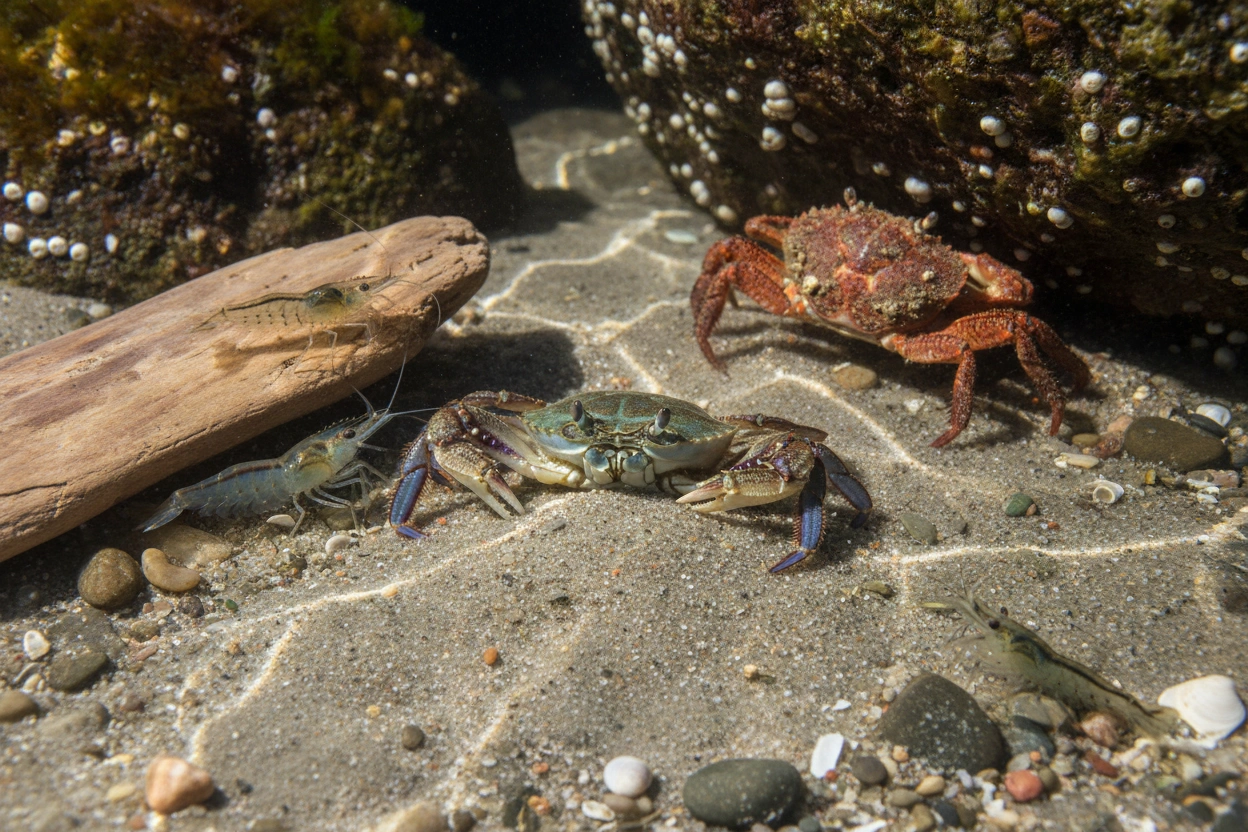
  • Water Changes: Perform regular water changes to maintain water quality. A 10-20% water change weekly can help keep parameters stable and reduce toxins.
  • Tank Cleaning: Regularly clean the tank, including substrate and decorations, to prevent algae buildup and harmful bacteria.

Top Crustaceans Strategies for Beginners

Professional image illustrating Top Crustaceans Strategies for Beginners

To successfully care for crustaceans, beginners should adopt effective strategies that address common challenges. Here are some essential strategies to enhance your crustacean-keeping experience:

1. Comprehensive Research

Before acquiring crustaceans, invest time in researching their specific needs. Utilize reputable sources, such as books, online forums, and expert websites, to gather information about your chosen species. Understanding their habitat, dietary requirements, and social behaviors will prepare you for successful care.

2. Create a Suitable Habitat

Designing an optimal habitat is crucial. Consider the following:

  • Tank Size: Ensure the tank is adequately sized for the species you choose. Larger tanks provide better water stability and reduce stress.
  • Substrate and Decor: Use appropriate substrate (sand or gravel) and provide hiding spots (rocks, caves, plants) to mimic their natural environment and reduce stress.
  • Temperature and pH Control: Use heaters and monitors to maintain stable water temperature and pH levels. Regular testing will ensure conditions remain within the ideal range for your crustaceans.

3. Monitor Water Quality

Maintaining high water quality is essential for the health of crustaceans. Regularly test for:

  • Ammonia and Nitrite Levels: Both should be kept at zero to prevent toxicity.
  • Nitrate Levels: While some nitrate is acceptable, levels should be kept below 20 ppm for optimal health.
  • pH and Hardness: Maintain appropriate pH and hardness levels for your specific crustacean species.

4. Implement a Feeding Schedule

Establishing a feeding schedule helps prevent overfeeding and ensures a balanced diet. Consider these tips:

  • Frequency: Feed crustaceans 2-3 times per week, adjusting based on species needs.
  • Monitor Consumption: Observe how much they consume during feeding times to adjust portions accordingly.

Avoiding Common Mistakes

To avoid pitfalls in crustacean care, follow these practical tips:

  • Join Communities: Engage with online forums and local aquarium clubs to learn from experienced crustacean keepers. This can provide valuable insights and support.
  • Seek Professional Guidance: Consult with aquatic veterinarians or experienced aquarists for advice on specific issues or concerns.
  • Stay Informed: Keep up with the latest research and trends in crustacean care. This knowledge will empower you to provide the best environment for your crustaceans.

The Role of Banana Slug Club in Crustacean Care

As you embark on your journey to care for crustaceans, it's essential to have a reliable source of information and support. The Banana Slug Club offers a wealth of resources, from care guides to community forums, where you can connect with other enthusiasts. With their expertise and guidance, you can avoid common mistakes and enhance your knowledge of crustaceans.

By following the strategies outlined in this article and utilizing the resources available through the Banana Slug Club, you will be well-equipped to provide a thriving environment for your crustaceans. essential tips for raising healthy crustaceans.

In conclusion, by understanding common mistakes and implementing effective strategies, beginners can enjoy a rewarding experience in keeping crustaceans. With the right knowledge and support, your crustacean adventure can flourish, leading to a deeper appreciation for these fascinating creatures.

Explore more at the Banana Slug Club and elevate your crustacean-keeping journey today!

Join the Banana Slug Club!

Get free resources, early access to new features and updates.
No spam. Just fun educational emails!