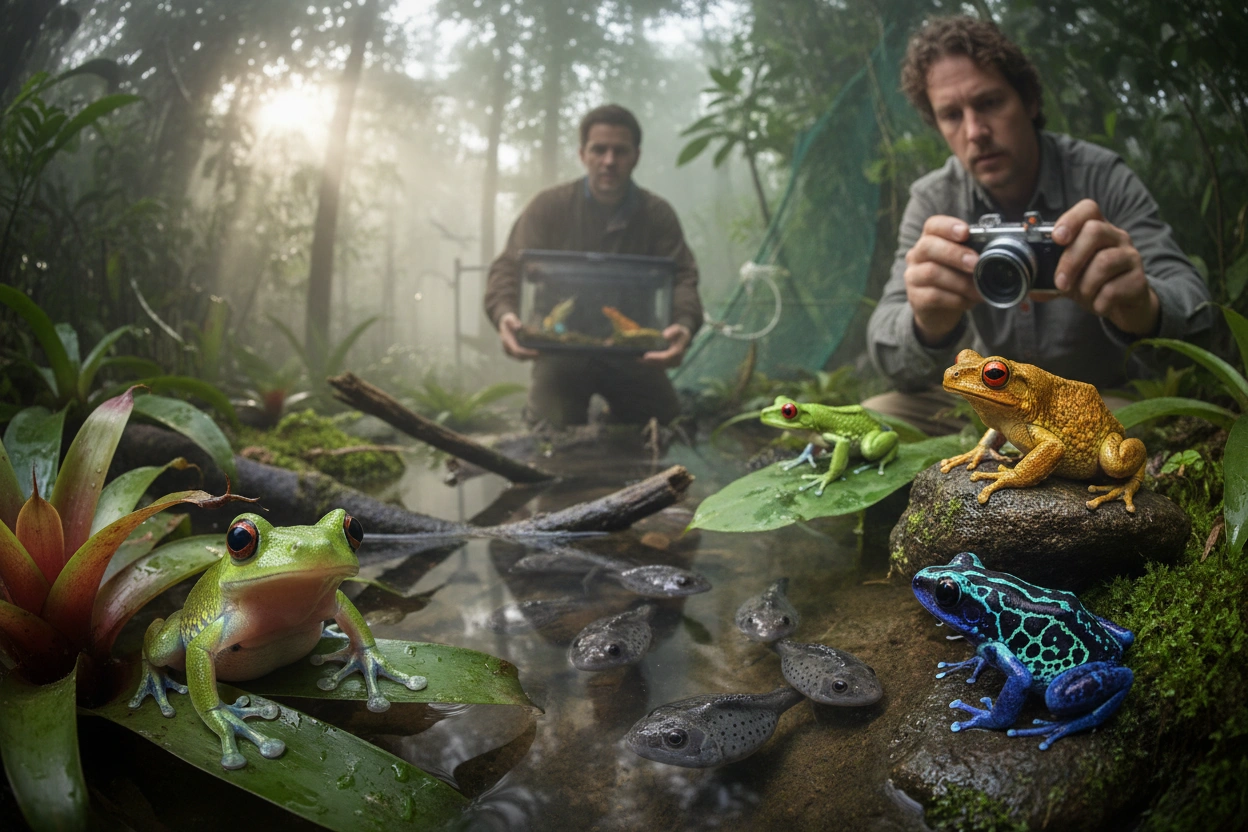
Insects represent one of the most diverse and adaptive groups of organisms on the planet. With millions of years of evolution behind them, they have developed an astounding range of forms and functions that allow them to thrive in virtually every environment. From the arid deserts to the lush rainforests, insects have carved out niches that play roles in ecosystems worldwide. This article will explore the fascinating evolution of insects, offering insights into their remarkable adaptations and highlighting ten particularly interesting insect species that showcase the diversity of this group.
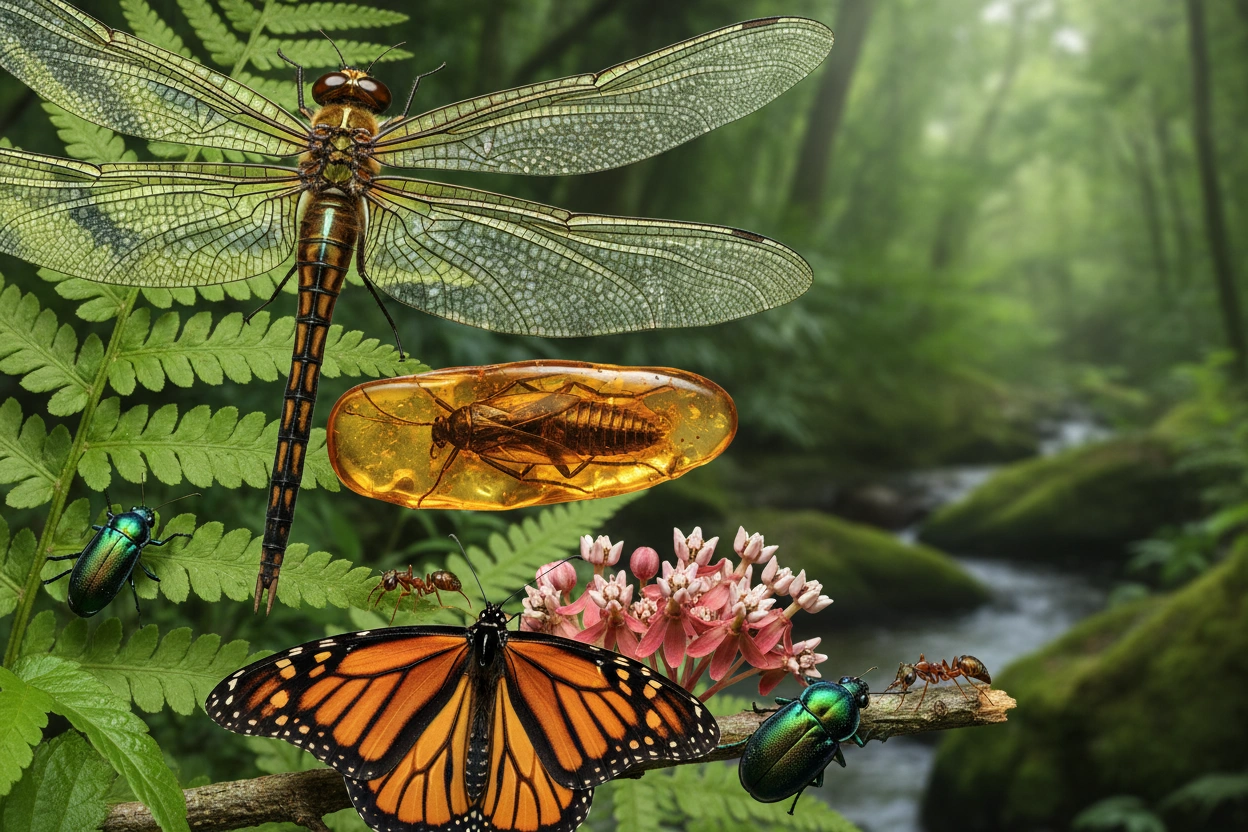
The evolutionary journey of insects began over 400 million years ago during the Devonian period. Since then, insects have undergone significant morphological and behavioral adaptations that have allowed them to survive various environmental challenges. The key drivers of insect evolution include:
Environmental Changes: Fluctuations in climate, habitat availability, and geological events have influenced insect diversification. For instance, the rise of flowering plants during the Cretaceous period provided new food sources and habitats, leading to the evolution of numerous insect species.
Co-evolution with Other Species: Insects often evolve in tandem with other organisms, such as plants and predators. This co-evolution can drive specialization, as seen in pollinators that adapt to specific flowers, enhancing both their survival and that of the plants.
Genetic Adaptability: Insects exhibit remarkable genetic plasticity, enabling them to adapt quickly to changing environments. This adaptability has resulted in the emergence of new species through processes such as speciation and hybridization.
Understanding these factors provides a framework for appreciating the incredible diversity of insect species and their adaptations.
Insects play vital roles in various ecosystems, contributing to processes such as pollination, decomposition, and nutrient cycling. Their ecological importance cannot be overstated:
Pollination: Many insects, particularly bees and butterflies, are essential for the pollination of flowering plants. This process is crucial for the production of fruits, vegetables, and nuts, making insects integral to food systems.
Decomposition: Insects such as beetles and ants contribute to breaking down organic matter, recycling nutrients back into the soil. This decomposition process supports plant growth and maintains ecosystem health.
Food Sources: Insects serve as a primary food source for many animals, including birds, mammals, and amphibians. This interdependence highlights the importance of insects in maintaining biodiversity within ecosystems.
Recognizing the roles that insects play emphasizes the need for their conservation and the understanding of their evolutionary history.
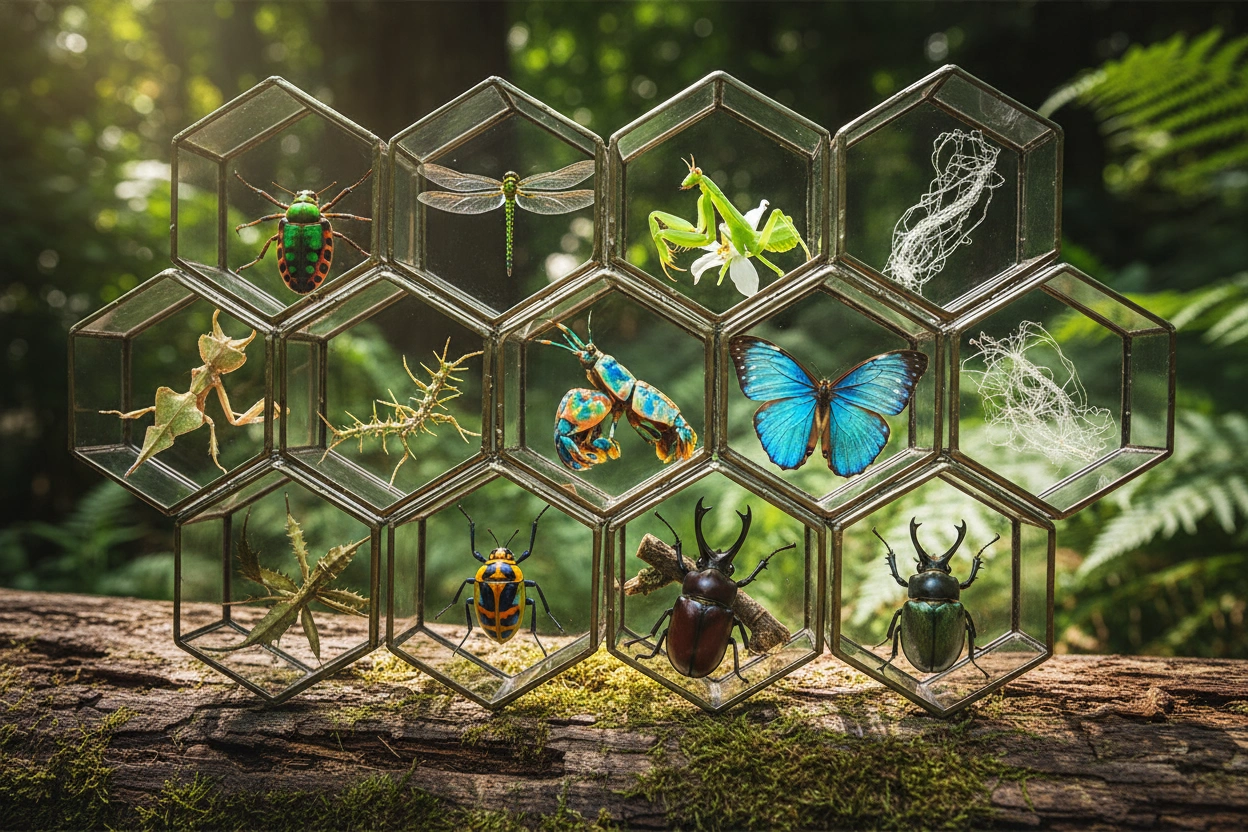
Insects are incredibly diverse, with over a million described species and potentially millions more yet to be discovered. Here are ten of the most fascinating insect species, each showcasing unique adaptations and characteristics.
The Monarch butterfly is renowned for its remarkable migration journey, traveling thousands of miles from North America to central Mexico. This species is known for its striking orange and black coloration, which serves as a warning to predators about its toxicity. The Monarch's ability to navigate such long distances using environmental cues is a marvel of evolutionary adaptation.
The Bombardier beetle is famous for its unique defense mechanism. When threatened, it can eject a hot, noxious chemical spray from its abdomen, which can reach temperatures of nearly 100 degrees Celsius. This adaptation deters predators and showcases the incredible evolutionary innovations insects can develop for survival.
Leafcutter ants are remarkable for their complex social structures and agricultural practices. They cut leaves and transport them back to their nests, where they use them to cultivate fungi, their primary food source. This mutualistic relationship with fungi demonstrates advanced cooperative behavior among insects.
One of the largest insects in the world, the Goliath beetle can weigh over 100 grams and reach lengths of up to 11 centimeters. Found in the tropical forests of Africa, these beetles are not only impressive due to their size but also exhibit striking patterns and colors, making them a fascinating subject of study in insect diversity.
The Praying Mantis is known for its predatory behavior and unique body structure. Its triangular head, bulging eyes, and ability to rotate its head 180 degrees provide it with excellent vision. The mantis's hunting strategy, which includes a swift strike to capture prey, highlights its adaptations as a predator.
Fireflies are famous for their bioluminescence, which they use for communication, mating, and attracting prey. This fascinating adaptation involves chemical reactions within their bodies that produce light, making them one of nature's most enchanting insects.
The Atlas moth is one of the largest moth species in the world, with a wingspan that can exceed 25 centimeters. Native to Southeast Asia, this moth is notable for its striking wing patterns, which resemble snake heads and serve as a defense mechanism against predators.
Known for having one of the most painful stings of any insect, the Tarantula Hawk Wasp has an interesting life cycle. The female lays her eggs inside a paralyzed tarantula, providing food for her larvae once they hatch. This unique reproductive strategy showcases the diverse adaptations insects have developed.
Cicadas are famous for their loud mating calls and long life cycles, with some species spending up to 17 years underground as nymphs before emerging as adults. Their unique life cycle and the ability to produce loud sounds make them a subject of fascination and study.
Stick insects are masters of camouflage, often resembling twigs or branches. This adaptation helps them avoid predators and illustrates the remarkable ways insects can evolve to blend into their environments. Their slow movements and ability to mimic their surroundings make them one of nature's most intriguing insects.
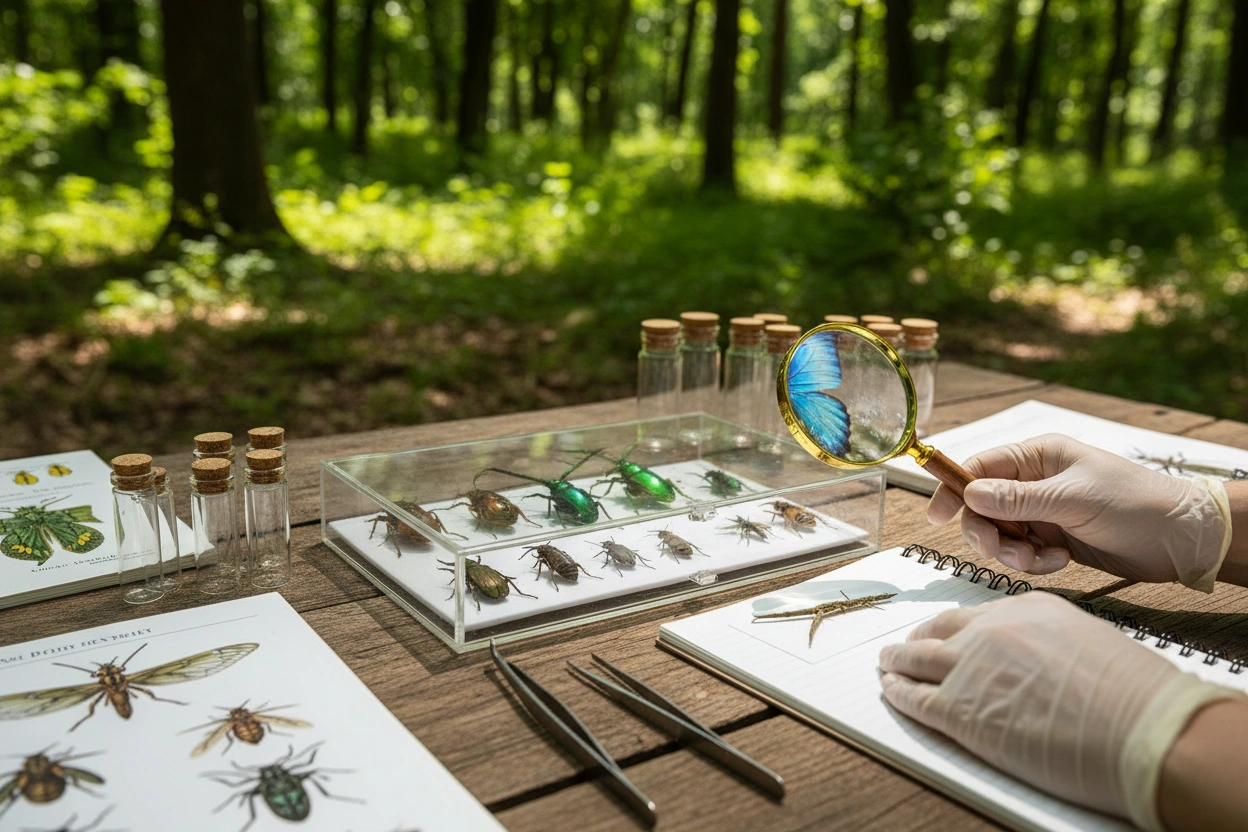
Identifying insect species is essential for understanding biodiversity, ecosystem health, and conservation efforts. Effective insect species identification involves several key steps:
Understanding the basic anatomy of insects is crucial for identification. Key features to consider include:
Body Structure: Insects typically have three main body parts: the head, thorax, and abdomen. Each section has specific characteristics that can help in identification.
Wings: The number and type of wings can vary significantly between species. Some insects, like flies, have one pair of wings, while others, like butterflies, have two.
Legs and Antennae: The number of legs and the shape of antennae can also provide valuable clues in identifying different insect species.
Insect identification guides, both physical and digital, can assist in accurately identifying species. Some effective tools include:
Field Guides: These books provide images and descriptions of various insect species, allowing for on-site identification.
Mobile Apps: Numerous applications exist that can help identify insects through photographs. These apps often include databases of species and user-friendly interfaces.
Joining local entomology groups or forums can enhance your knowledge and skills in insect identification. These communities often share resources, organize events, and provide opportunities for hands-on learning.
As vital components of our ecosystems, insects face numerous threats, including habitat loss, climate change, and pesticide use. The decline of insect populations has significant implications for ecological balance and human well-being. Here are some steps that can be taken to promote insect conservation:
Habitat Preservation: Protecting natural habitats is crucial for maintaining healthy insect populations. This includes conserving wetlands, forests, and grasslands.
Sustainable Agricultural Practices: Implementing practices that reduce pesticide use and promote biodiversity can help support insect populations vital for pollination and pest control.
Public Awareness: Educating the public about the importance of insects can foster appreciation and support for conservation efforts.
By understanding the evolution and significance of insects, we can contribute to their conservation and ensure their continued presence in our ecosystems.
The study of insects opens up a world of knowledge about adaptation, evolution, and ecological balance. As we explore the fascinating evolution of insects, it becomes clear how integral they are to our planet's health and biodiversity. By engaging with organizations like Banana Slug Club, you can deepen your understanding of these remarkable creatures and their roles within ecosystems.
Banana Slug Club is dedicated to educating the public about the importance of insects and promoting conservation efforts. Whether you are a budding entomologist or simply curious about the natural world, the resources and community provided by Banana Slug Club can enhance your journey into the world of insects.
For more information on how to get involved or to learn more about insects, visit Banana Slug Club. Together, we can work towards a future where the beauty and diversity of insects are celebrated and preserved.
Get free resources, early access to new features and updates.
No spam. Just fun educational emails!


.svg)
.svg)